Skip to content

Live-in care: a trusted alternative to a care home

Find a trusted live-in carer with Elder to support your loved ones at home, day and night. It’s a personal care home alternative, like Kenn and Nicole chose for their parents.

Find a carer0333 920 3648
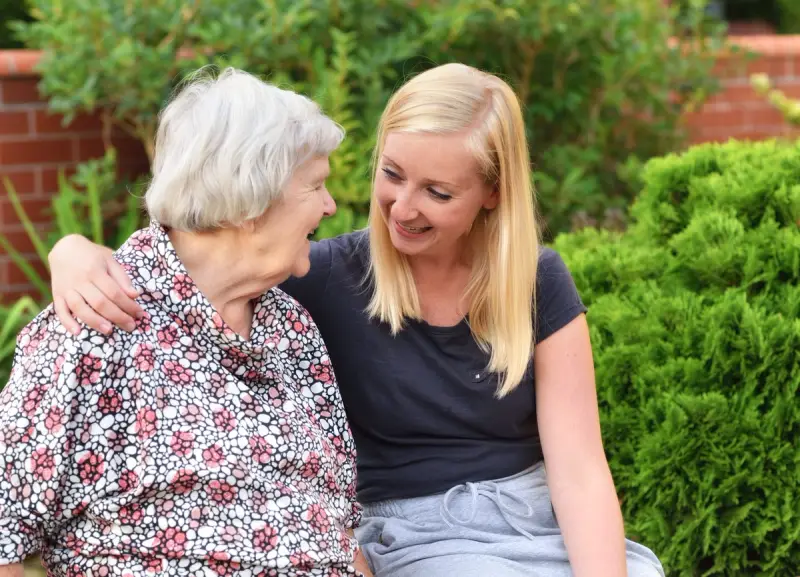
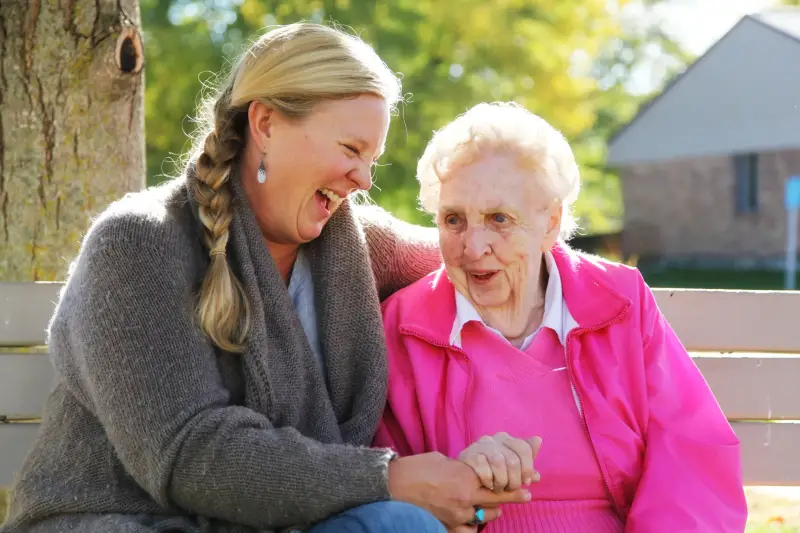
Carer with elderly woman sitting on a bench and smiling
Elderly woman and her carer in the garden

What is live-in care?

Live-in care is a type of home care where a dedicated carer moves into the home to provide 24-hour support. It’s a personalised alternative to a care home, helping with daily tasks like washing, dressing, taking medication, cooking, and housekeeping – all in the comfort of your loved one's home.

Live-in carers also provide companionship, emotional reassurance and household support. From supporting mobility and running errands to being there for a friendly chat, live-in care means someone is always on hand.

Because elderly care should be tailored to the older person's needs and preferences, many families choose live-in care to stay independent, maintain routines, and enjoy one-to-one support in familiar surroundings.

What are the benefits of live-in care?

Live-in care offers a safe and flexible alternative to residential care, allowing people to receive full-time support in the comfort of their own home. From practical help with everyday tasks to emotional support and companionship, there are many reasons families choose this type of care.

When is live-in care right for me and my loved ones?

Live-in care is ideal for older people with mid to high-level care needs, especially when the level of care required surpasses what visiting care can provide. Here are some common situations where live-in care is the best option:

When adapting to a care home is difficult

Some people find residential care overwhelming or uncomfortable. If your loved one values privacy, familiar routines, and flexibility, live-in care can be a better fit. It lets them stay close to family, friends, and even their pets.

When visiting care is no longer sufficient

As care needs increase, a few hours of support may no longer be enough. For those at risk of falls, wandering, or struggling with medication, live-in care offers constant reassurance and safety, providing peace of mind for families too.

When managing a specific health condition

Live-in care can support people managing a specific condition, including dementia, Parkinson's disease, motor neurone disease, and recovery or ongoing support after a cancer diagnosis.

When couples with different needs want to stay together

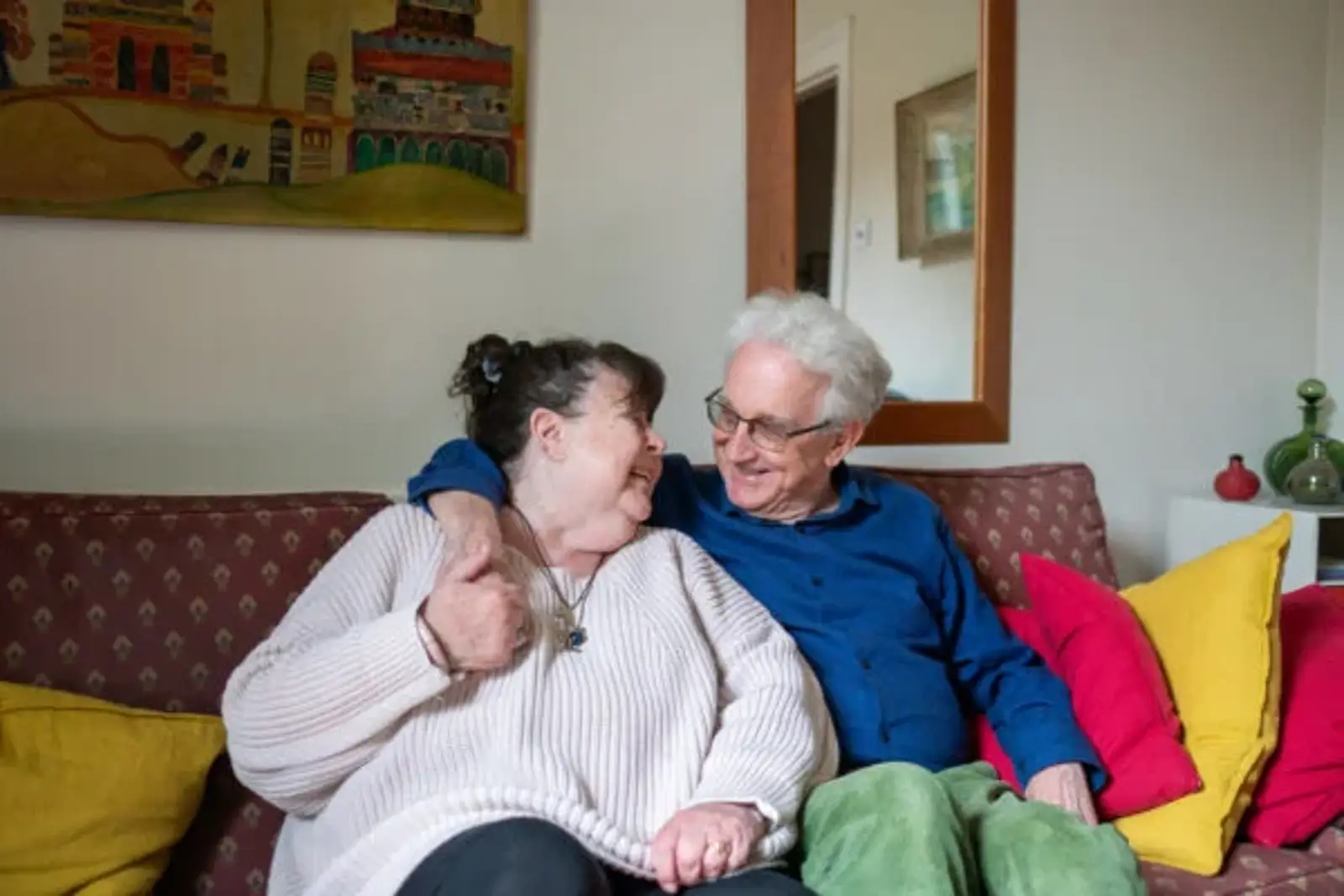
Live-in care helps couples remain together even when one partner needs extra support. A dedicated carer provides personalised help for the person requiring care while easing the pressure on their partner.

When a person is discharged from hospital

Live-in care enables a safe hospital discharge and supports rehabilitation in familiar surroundings. With one-to-one help from a trained carer, your loved one can regain strength and confidence more comfortably and quickly.

When an elderly person has limited support nearby

For older adults living alone or with distant family, live-in care provides both assistance and companionship. A carer offers help with daily tasks, monitors wellbeing, and keeps families informed.

Find your ideal carer today

Finding the right carer starts with a few questions. If you need care urgently, or you'd just rather talk, one of our care advisors is on hand.

Find a carer0333 920 3648

Live-in care vs care home: Kenn and Nicole’s story

Live-in care helped Kenn and Nicole’s parents remain safe and happy in familiar surroundings, with one dedicated carer providing consistent support and companionship. In this video, they share how it gave their whole family confidence, comfort, and peace of mind.

Types of live-in care we offer

At Elder, we offer the following types of live-in care:

    Carer supporting in the kitchen

    24-hour live-in care

    24-hour live-in care is available for those with more advanced care needs. While standard live-in care typically involves one carer who is present but not constantly active, 24-hour live-in care involves two carers, ensuring someone is actively providing care 24/7.

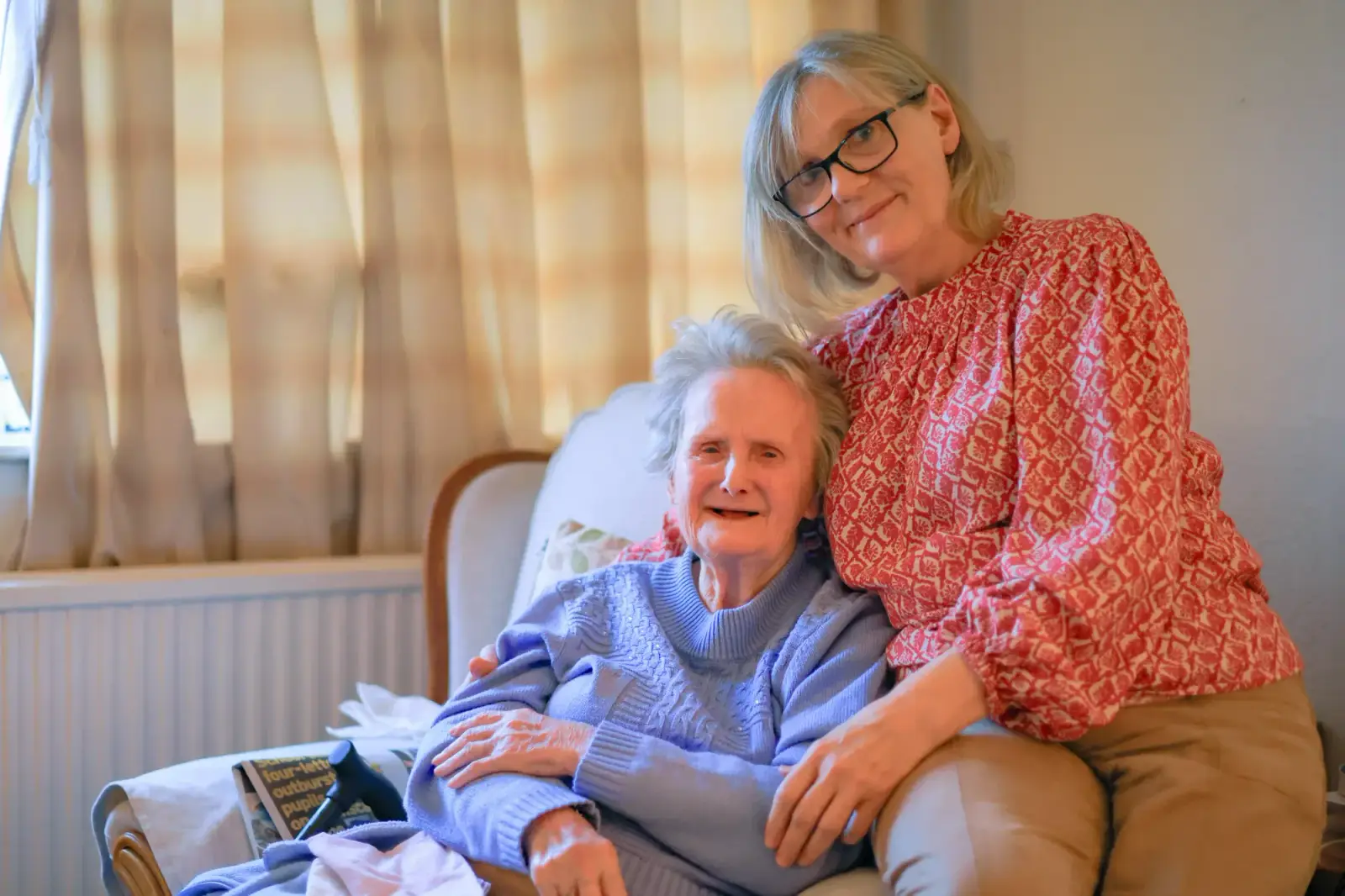
    Two elderly woman at home

    Palliative care

    For people facing life-limiting conditions, palliative care at home can help to ensure people living with these illnesses remain supported, comforted and cared for in their own home. It’s all about ensuring every single moment of someone’s life is maximised

    Carer holding elderly man's hand

    Emergency home care

    If your primary carer becomes ill or needs to take a break at short notice, emergency home care can get the right support in place as quickly as possible – often under 24 hours.

    Carer helping elderly woman in the kitchen

    Respite care

    Respite care is where a substitute carer steps in for a limited amount of time. It allows primary caregivers to take time for themselves and their wellbeing, while helping to ensure minimal disruption in routine.

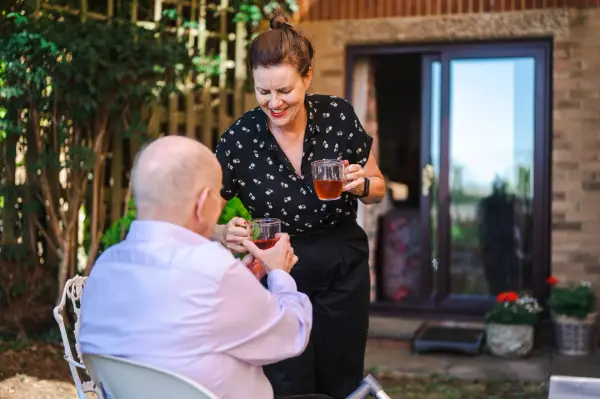
    Friendly carer in the garden giving tea

    Convalescent care

    Having the extra care and support needed after a surgery or hospital stay is important. Convalescent care is a short-term care solution, allowing people to receive the care they need, after illness or injury, in their own home.

    Elderly woman sleeping

    Overnight care

    Overnight care can help to ensure you or your loved one is safe, comfortable and secure overnight. A live-in carer can sleep at the property during the day, and be on hand to support with anything from incontinence to providing reassurance during the night.

Elderly man and his carer drinking tea in the garden

How much is live-in care?

Live-in care with Elder starts from £1,150 per week. For people who need 24-hour personal care but not constant nursing, live-in care often works out less than residential care. On average, Elder's live-in care costs 35% less than the average UK care home.

As with any type of care, there are funding options available. If you haven’t already, it’s a good idea to contact your local authority and request a care needs assessment. This will determine the level of care required and whether you’re eligible for financial support.

Even if you don’t qualify for local authority funding, you might still be able to access help through benevolent funds or charities. Local carers’ groups, your GP, social worker, or health visitor can point you in the direction of available support.

For more information, read our guide to the costs of live-in care.
Find live-in care near you

Elder has introduced live-in carers to families in over 500 towns and cities across Great Britain, including London, Manchester, Birmingham, Edinburgh, and Glasgow.

See more of the areas we cover. Don't see your town? Get in touch, it's likely we cover it too.

Find a carer0333 920 3648

Who are our live-in carers?

At Elder, we understand it can be difficult to let someone you don’t know into your home, which is why every carer on our platform must pass a suitability screening before they can connect to families. This includes a background check and character assessment. Carers are also asked to provide relevant documentation and verifiable professional references.

Only 2% of applicants are successful. It’s one of the reasons why 90% of our customers find their ideal carer the first time.

Want to learn more about some of the self-employed carers on our platform? Read their stories.

Carer Susan

What to consider before arranging live-in care

    Woman taking notes

    Understanding the process

    Arranging live-in care involves several options, including private arrangements, using a live-in care provider, or an introductory agency. The process should always prioritise the best interests and personal circumstances of your loved one.

    Before arranging live-in care, start with a care needs assessment from your loved one’s local authority. This helps define what support they need and what types of care may suit them best.

    If you prefer live-in care, mention it early in the assessment. Depending on eligibility, funding may come through direct payments (to manage care independently) or NHS Continuing Healthcare (for complex medical needs).

    Care advisor looking at his laptop

    Choosing a live-in care option

    You can arrange care in three main ways:

    1. Private arrangement

    • Pros: Full control and freedom to choose a familiar carer.
    • Cons: You become the legal employer – responsible for contracts, pay, tax, and insurance.

    2. Fully-managed provider

    • Pros: CQC-regulated, all employment and legal matters handled for you.
    • Cons: Higher cost and less control over who provides the care.

    3. Introductory agency like Elder

    • Pros: Fast and flexible option. Carers are pre-vetted and matched to your loved one’s needs and personality.
    • Considerations: Carers are self-employed, and you play a more active role in managing them.
The Process

How do I arrange live-in care with Elder?

01

Share your care request

Tell us your care requirements using our request form, including the type of care you’re looking for, any specialist skills you need, and what daily life looks like.

02

Select your carer

You’ll start receiving profiles of suitable self-employed carers within 24 hours. Chat to them online or arrange a phone or video call, before choosing who you like best.

03

Manage care

Once your agreement with your carer begins, use your MyElder account to chat with them and the Elder team, manage your schedule and care information, and find respite cover if you need it.

Why Elder

Why families choose Elder for live-in care

Since 2015, Elder has helped families across the UK find the right live-in carer for their loved ones. Every carer is self-employed, so you choose who joins your home, not a rota decided for you. It's a more personal way to arrange care, built around your loved one's needs from day one.

You choose who comes into your home

Browse real carer profiles, read reviews from families like yours, speak to carers before committing, and make the choice yourself. Nobody is ever assigned to you without your agreement.

15,000+ five-star reviews of our carers

More than 15,000 people have reviewed our carers on the platform, helping you pick the best carer for your loved one. Read what they say – because their words matter more than ours.

Real peace of mind, wherever you are

Daily updates, notes and photos from your carer through the MyElder app mean you always know what’s happening – without having to chase. Especially if you live far away.

The whole family, kept in the loop

Give siblings or other relatives their own access to MyElder – so everyone stays informed, not just the person who set care up. No more relaying updates between family members.

A real person to call, seven days a week

Your dedicated Family Support Specialist is there when things feel uncertain – whether you have a practical question, need reassurance, or something needs sorting quickly.

Rigorous vetting before introduction

Every carer goes through identity checks, Enhanced DBS or PVG checks, right-to-work verification, and professional references – all completed before they’re introduced to a family.

Real families, real stories

Customer stories: Finding trusted live-in care

Finding the right care can feel overwhelming, but hearing how others made the decision can help. Explore real family stories on our stories page.

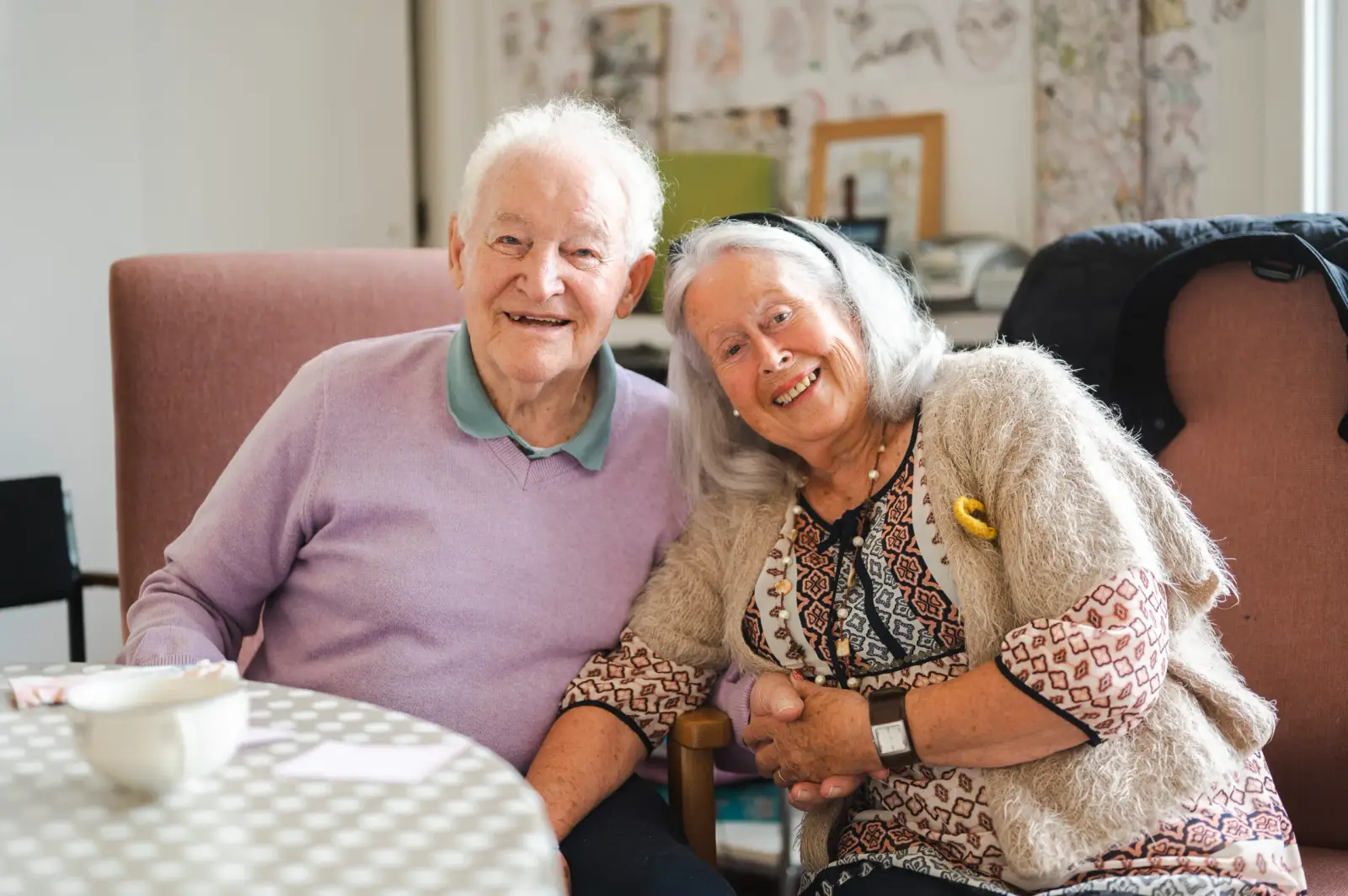
    Jean and John with their family

    Live-in care vs care home: Kenn and Nicole’s story

    When dementia specialists advised against a care home, Kenn and Nicole found live-in care as another way to support their parents and keep them in the family home.

    Read Kenn and Nicole's story
    Hayley and her dad sitting on the sofa

    How live-in care allowed Hayley's dad to remain at home

    Hayley shares how live-in care gave her dad tailored support, enabling him to regain his independence after being discharged from hospital.

    Read Hayley's story
    Sheila on her daily walk

    How home care gave Sharon peace of mind

    Sharon shares how home care supported her mum Sheila and gave her peace of mind knowing her mum was cared for and never alone.

    Read Sharon's story

More customer stories about live-in care

Explore more real stories from families who’ve chosen Elder’s live-in care – and discover how personalised support at home can make all the difference.

FAQs about live-in care

0333 920 3648

Explore other care options

At Elder, we provide a full range of home care services to suit every need. If your loved one requires occasional support or your primary carer needs a temporary break, these options may be more suitable:

    Carer helping old woman in the kitchen

    Respite care

    Temporary 24-hour support

    • A carer moves in for a few days to provide 24-hour support
    • Suitable for covering a regular carer’s break or short-term care needs
    • Minimum duration of 3 days
    Find a carerExplore respite care
    Elderly woman with her daughter and carer

    Visiting care

    Flexible home visits

    • Book as many hours as you need for help in the comfort of your home
    • Support with everyday tasks like grooming, walks, cooking, etc.
    • From as little as 1 hour per week
    Find a carerExplore visiting care

Learn more about live-in care

Become a part of the Elder community

Subscribe to Elder emails for expert care and later life advice direct to your inbox.

By submitting this email address you are happy for Elder to store and use your personal information to contact you about their services and other related information they think might be of interest to you. Privacy Policy