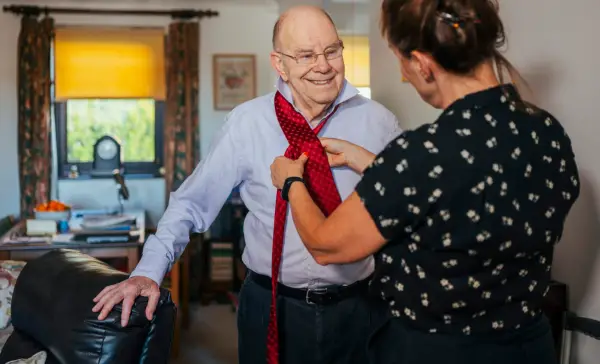
Core care skills: Medication management, personal care assistance (bathing, dressing), safe manual handling, first aid, nutrition, and infection control.
At Elder, we vet every live-in carer we introduce, then match them to your loved one’s care needs and personality.
Find a carer0333 920 3648
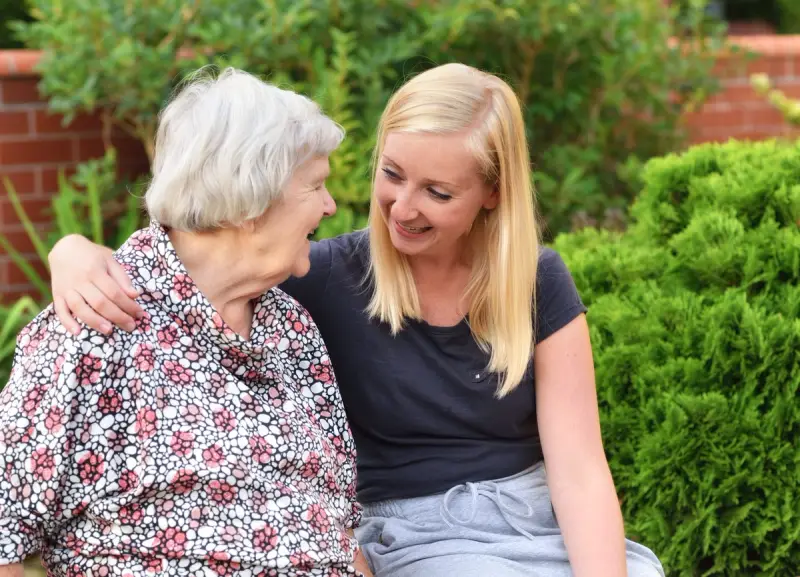
The right live-in carer can profoundly transform a person's quality of life. They offer bespoke, one-to-one support that goes beyond basic assistance, fostering independence, ensuring safety, and bringing invaluable peace of mind to the entire family.
A well-matched live-in carer provides:
While a carer's skills are vital, the human connection is paramount. Inviting someone new into your loved one’s home requires a high level of comfort and trust, making the selection process intensely personal.
Hear directly from Alexis, Elder's former Head of Safety & Trust, as she shares practical insights and advice to guide you in choosing the ideal live-in carer for your loved one.
Navigating the process of finding a live-in carer can feel overwhelming. These 6 essential tips will guide you through each stage, helping you make an informed decision for your loved one.
Before you begin your search, thoroughly assess your loved one's specific care requirements and compile a detailed 'wish list' of desired carer qualities and responsibilities. This clear understanding is the absolute foundation for finding the perfect, long-lasting match.

To create your comprehensive 'wish list':

The way carers are vetted varies significantly by provider type. Understanding this process is crucial for your peace of mind and ensures you're choosing a safe, qualified professional.

Safety & Quality Assurance
Only a small proportion of applicants successfully join the platform.
Application & Pre-Screening
Checks for minimum 6 months' professional experience and English proficiency.
Identity & Right to Work
Verification of valid Photo ID and legal Right to Work in the UK.
Enhanced Background Checks
Must hold a clean, recent Enhanced DBS (or PVG in Scotland).
Professional Referencing
We aim to verify at least two professional references from previous employers.
Situational & Character Assessment
Tests for natural caring aptitude and sound judgement in critical moments.
Ongoing Quality Assurance
We review feedback and platform activity to maintain our introduction and suitability standards - not to supervise carers' work.
The right live-in carer must possess the necessary qualifications, skills, and experience to confidently meet your loved one's specific needs. A comprehensive assessment of these attributes is vital for effective and safe care.
Key skills and qualifications to look for:
Core care skills: Medication management, personal care assistance (bathing, dressing), safe manual handling, first aid, nutrition, and infection control.

Specialist training: For specific conditions, ensure the carer has relevant experience and training in areas such as dementia care (understanding behaviours, communication), Parkinson's support, stroke rehabilitation, palliative care, or support for spinal/brain injuries.

Experience nuances: Consider both professional care setting experience and personal caregiving experience (e.g. caring for a loved one). Both paths can produce excellent carers; assess what's most important for your situation. For complex needs, deep, specific experience is crucial.
Beyond skills and experience, finding a live-in carer with whom you and your loved one genuinely get along is fundamentally important. Due to the intimate nature of live-in care, where someone lives in the home 24/7, mutual compatibility and shared interests are essential for a positive and enduring relationship.
How to assess and ensure compatibility:
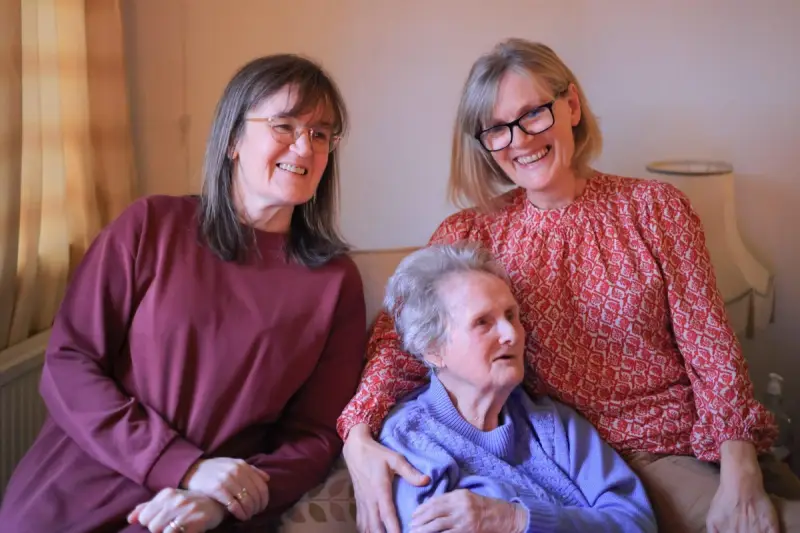
A carer's profile identifies candidates, but a direct conversation through an interview is invaluable for gaining a deeper understanding of who they are, their approach to care, and how they will build a connection with your loved one. Don't hesitate to ask probing questions.
Tips for a successful interview:
Sample questions to ask a potential live-in carer:
While choosing a dedicated live-in carer is a significant decision, remember nothing is set in stone. Care needs and personal circumstances can evolve. Approaching the arrangement with flexibility ensures continuous, appropriate support.

Be prepared for potential changes and explore trial options:
The right carer is easier to find where there’s more choice near you. Elder introduces live-in carers to families in over 500 towns and cities across Great Britain, including London, Manchester, Birmingham, Edinburgh, and Glasgow.
See more of the areas we cover. Don’t see your town listed? Get in touch, we likely cover it too.
Find a carer0333 920 3648
Expert insight from Alexis, Elder's former Head of Safety & Trust:
“It’s really important to work out what you are looking for and set out a list of must haves, nice to haves, and deal breakers. The person who’ll receive the care may be looking for different qualities and you may be surprised at how they would rank the skills and abilities that you value.”
Since 2015, Elder has helped families across the UK find the right live-in carer for their loved ones. Every carer is self-employed, so you choose who joins your home, not a rota decided for you. It's a more personal way to arrange care, built around your loved one's needs from day one.
You choose who comes into your home
Browse real carer profiles, read reviews from families like yours, speak to carers before committing, and make the choice yourself. Nobody is ever assigned to you without your agreement.
15,000+ five-star reviews of carers introduced by Elder
More than 15,000 people have reviewed our carers on the platform, helping you pick the best carer for your loved one. Read what they say – because their words matter more than ours.
Real peace of mind, wherever you are
Daily updates, notes and photos from your carer through the MyElder app mean you always know what’s happening – without having to chase. Especially if you live far away.
The whole family, kept in the loop
Give siblings or other relatives their own access to MyElder – so everyone stays informed, not just the person who set care up. No more relaying updates between family members.
A real person to call, seven days a week
Your dedicated Family Support Specialist is there when things feel uncertain – whether you have a practical question, need reassurance, or something needs sorting quickly.
Rigorous vetting before introduction
Every carer goes through identity checks, Enhanced DBS or PVG checks, right-to-work verification, and professional references – all completed before they’re introduced to a family.
Find your ideal carer today
Finding the right carer starts with a few questions. If you need care urgently, or you'd just rather talk, one of our care advisors is on hand.
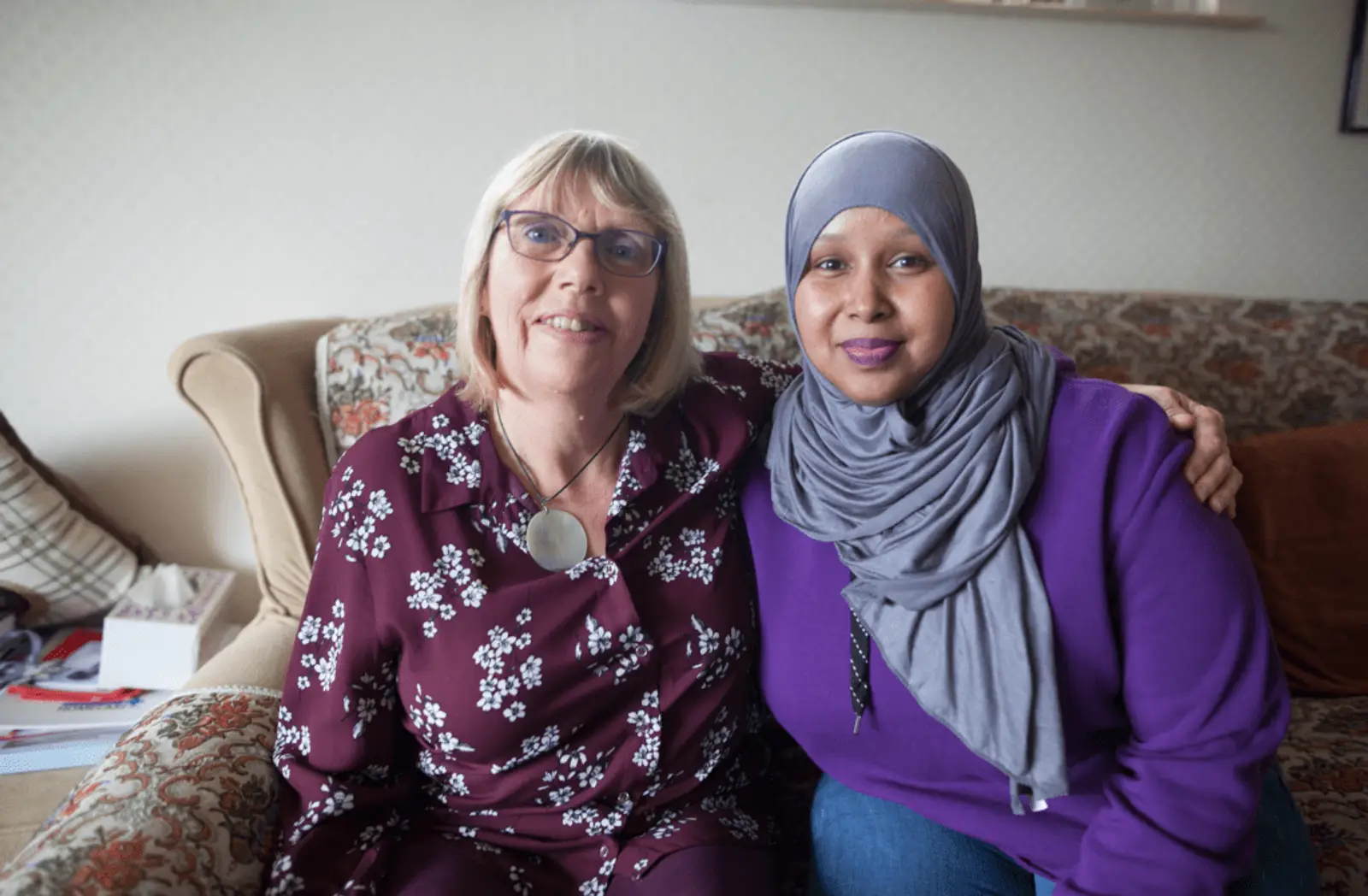
“When she arrived, I knew she was a nice person and would be a great carer – she came across as so lovely and cheerful. I offered her a cup of tea when she came through the door, but she said that she would make us all one instead! We all sat down together, and that was nice”.
-Wendy, Elder customer
“I wasn’t sure how to go about finding full-time care. I just knew Mum didn’t want to go to a care home. I searched care at home online and came across Elder. The reviews looked great and I decided to give them a call and spoke to Gus (a care advisor).
The carer is important, because it’s different if someone is just popping in a few times a day but when it’s live-in care, you take it more seriously. The main thing for me was having carers who are genuinely caring and really listen to Mum”.
Read more stories
Whoever you choose as your regular live-in carer, they will need breaks or holidays. Planning for respite care is a crucial part of the care arrangement, ensuring continuous, high-quality support for your loved one and providing essential time off for the primary carer.
Key aspects of respite care:
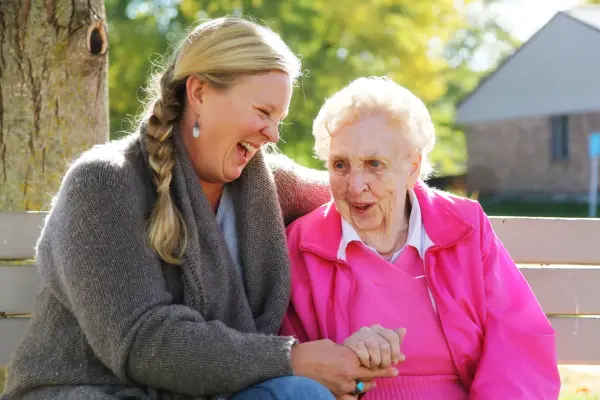
Long-term 24-hour support
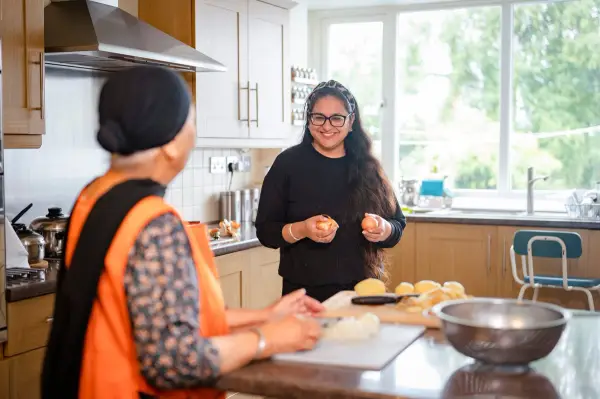
Temporary 24-hour support
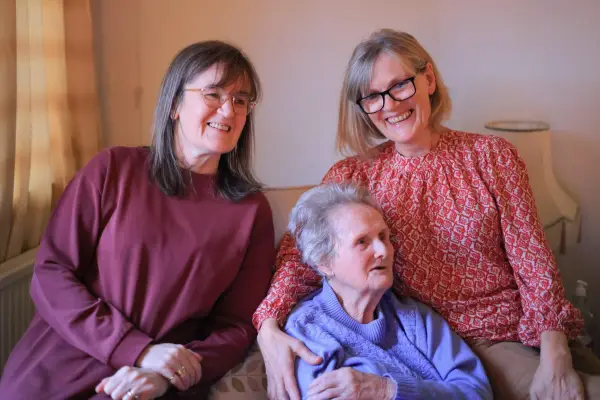
Flexible home visits

Live-in care vs other types of care
Confused about care options? Compare live-in care vs care homes, nursing homes and other care types to help you decide what's best for your loved one.
Learn more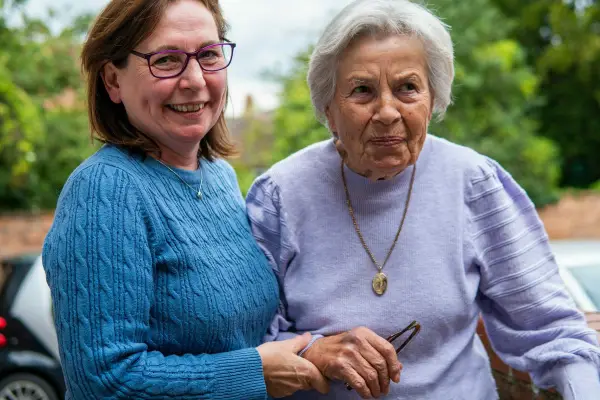
What does a live-in carer do?
Learn exactly what a live-in carer does, including assisting with personal care, mobility, meals, and emotional support, for safe and consistent home care.
Learn more
How much does live-in care cost?
Discover how much live in care costs, what’s included, what influences pricing, and funding options available to help you make the best choice for your loved one.
Learn more
How to prepare for a live-in caregiver
Preparing for a live-in carer to move into your loved one's home? Get essential tips on space, finances, and routine to ensure a smooth transition.
Learn more
Managed or introductory agency – which is right for me?
Comparing a managed care agency to an introductory agency like Elder? Compare cost, control and support to find what suits best.
Learn moreHelp for caregivers – accepting support from others
We've shared reasons why it can be difficult to give up your caregiving responsibilities, as well as the benefits of doing so.
Learn more