
Live-in care
Is being a self-employed live-in carer right for me?
Zenya Smith | Editorial Contributor
6-minute read | 06/08/2023

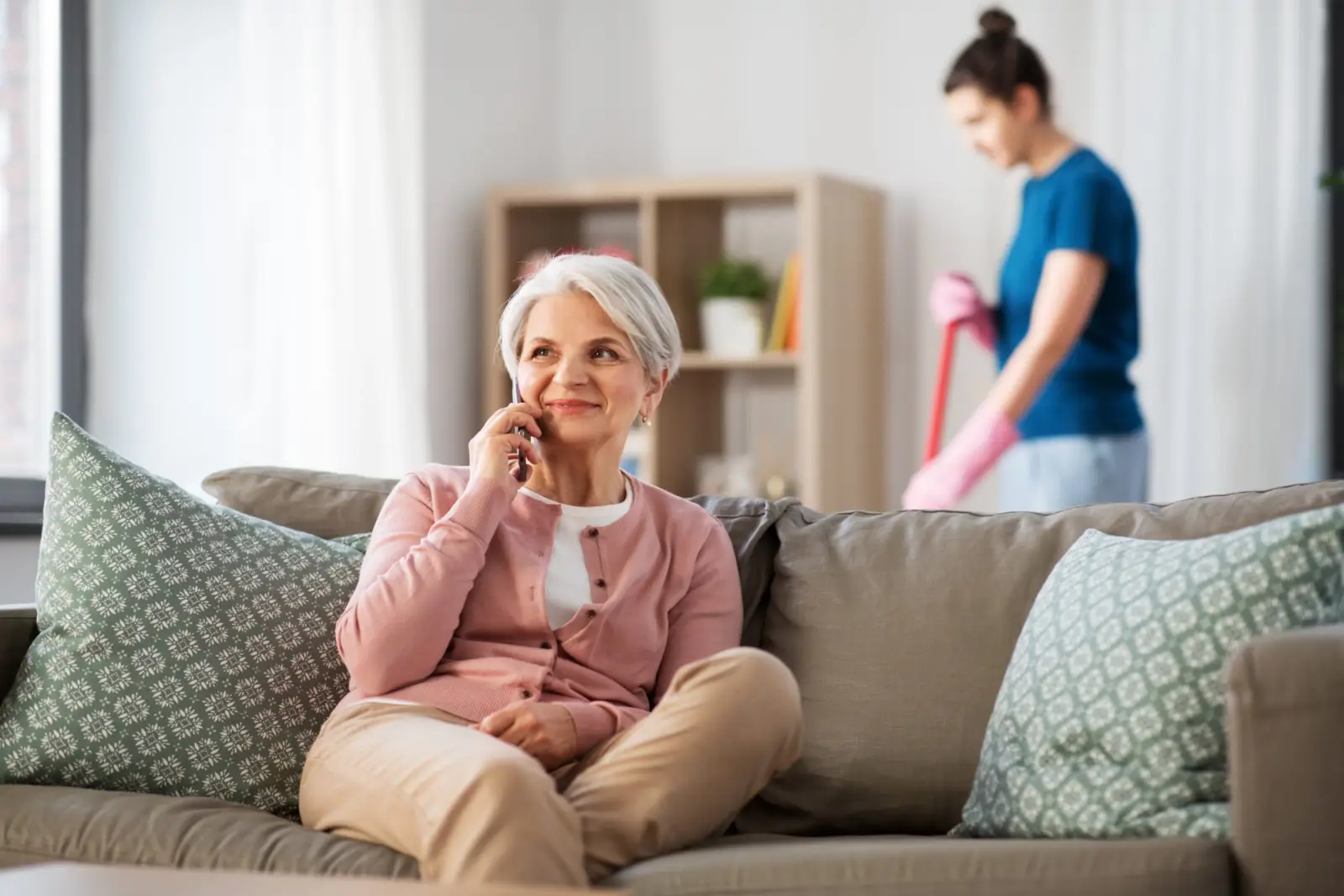
A live-in housekeeper can be a great option for people who require full-time help around the house –from helping with things such as cleaning, vacuuming and laundry, to assisting with the weekly shop and helping out with preparing meals.
A live-in housekeeper is a different service from live-in care. Part of a live-in carer's role is to provide support with everyday domestic tasks such as running errands and doing the shopping, but are there predominantly to help with care needs. However, a live-in housekeeper's role is to provide full-time help around the house.
In any instance of live-in home help, the most important factor is that it allows people to stay in their own homes, retain a certain level of independence and feel happy and comfortable in their own abilities and circumstances.
One of the main duties of a live-in housekeeper is to ensure the home is kept tidy and clean, in line with the requirements of you and your loved one. This includes day-to-day tasks like washing the dishes, vacuuming and dusting.
It can also include larger-scale cleaning duties, such as cleaning the bathroom and doing a deep or seasonal clean. The exact cleaning tasks will be for you and your housekeeper to decide.
It is extremely important to keep a clean home, especially for the elderly who are more at risk of being exposed to infections – therefore the more you can do to keep germs at bay, the better.
Not only that, but keeping a clean house is beneficial for mental wellbeing and whilst an elderly person may want to keep a tidy home, they may just not have the physical ability to do so, or even be afraid of a fall.
Conditions such as arthritis that limit mobility can make it hard for elderly people to do as much cleaning as they may like – so it is handy to have someone on board to offer help.
Other cleaning duties of a live-in housekeeper may include:
Cleanliness is only one part of maintaining a comfortable home. A live-in housekeeper will help keep a home organised and stocked up of all the essentials you and your loved one needs.
Certain conditions can make it difficult to stay on top of things. Memory loss or difficulty concentrating can make it hard to manage or respond appropriately to letters, or attend appointments. If an older person struggles with balance, strength or stamina, then doing the weekly shop and getting heavy bags of groceries home safely can be a challenge. A live-in house keeper can help with:
Doing the laundry can take quite a bit of energy from an older person, and age-related conditions such as dementia and memory loss can result in some people forgetting to do their washing.
A live-in housekeeper will be able to assist with any laundry needs, if this is something you require. They can help with everything from stripping and making beds, and washing bedding and clothes.
Some people may prefer to do their own laundry, but a housekeeper can always assist. They can also help with ironing and any extra washing tasks. Regular laundry is important to make sure there are always clean towels, clothes and linens – all contributing to looking and feeling good.
For those with limited mobility, keeping clean bedding and sheets is important to minimise the risk of developing sores and ulcers – or causing irritation to sensitive skin.
Having a healthy and nutritious meal is essential for an elderly person's wellbeing – both mentally and physically. But it is important for them to also have a say in what they are eating – everyone has their favourite foods that make them happy, so it is key these can be implemented to help people keep control and maintain independence.
Conditions such as Alzheimer's, as well as mobility issues such as osteoporosis can make cooking difficult and often dangerous due to the need to lift heavy pans, use sharp utensils, or deal with boiling temperatures. Having some assistance is beneficial.
A live-in housekeeper will be able to discuss dietary requirements or preferences when it comes to meals and will be able to prepare nutritious and tasty meals and snacks.
There are plenty of benefits to having a pet in the home. It can help to reduce stress, lower blood pressure and increase physical activity. Not only that but having pets can even reduce depression and loneliness – which is key for the elderly.
That being said, caring for a pet can sometimes become daunting as a person ages or becomes unwell. However, this doesn't always mean you need to give up a pet.
In addition to caring for your home, a live-in housekeeper can help with pet care – from walking your dog to ensuring your pets are fed, happy and clean.
Often, accepting help when it comes to household tasks is the first step to accepting assistance in other areas. The wellbeing of yourself or your loved one is of the utmost priority. A live-in housekeeper may not offer as much support as is needed.
At this point, live-in care may become a natural next step. In the same manner, a live-in carer allows people the comfort and independence which comes with staying in your home.
Find out more about the kind of care and support a live-in carer can provide in our guide to live-in care.
Zenya Smith | Editorial Contributor
Paola Labib | Editorial Contributor

Zenya Smith | Editorial Contributor
Zenya Smith | Editorial Contributor
Zenya Smith | Editorial Contributor

Zenya Smith | Editorial Contributor