The 5 stages of palliative care
Palliative care provides medical, emotional, and practical support to people with a life-limiting illness through five key stages. At Elder, we’ll help you understand each step and arrange the right care for your loved one.
Find a carer0333 920 3648
5 stages of palliative care at a glance
The 5 stages of palliative care are:
- Creating a bespoke care plan – working with your care team to understand your loved one's needs and preferences from the point of diagnosis.
- Providing emotional, spiritual and psychological support – helping you and your loved one come to terms with what's ahead.
- Enacting the care plan – putting practical support in place so your loved one can stay comfortable and independent at home.
- End-of-life care – shifting the focus to comfort and dignity in the final phase of life.
- Bereavement support – offering ongoing support to family members and loved ones after death.
Each stage is explained in more detail below.
Considering care for your loved one? See why families choose Elder for palliative care.


Palliative care explained
Palliative care is a type of support for people living with a life-limiting illness such as cancer, heart failure, or Alzheimer’s. It focuses on managing physical symptoms, easing emotional distress, and improving overall quality of life.
Palliative care can begin at the point of diagnosis and continue for months or years. It’s often delivered by a team of professionals who work together to support both the individual and their family.
For a fuller comparison of palliative care and end-of-life care, see our guide to the differences between end-of-life care vs palliative care.
What are the 5 stages of palliative care?
Stage 1: Creating a bespoke care plan
The first stage of palliative care involves creating a personalised care plan based on your loved one's diagnosis, current needs, and future preferences.
Questions to ask at stage 1:
- Who will be involved in your loved one's palliative care?
- Where will their palliative care take place?
- How long might they need support for?
Their GP, along with other healthcare professionals involved in their care, will help you identify the support your loved one needs now, and how it can adapt as their condition progresses.
This initial plan typically includes:
- Your loved one's current treatment and options for future care
- How their condition is likely to progress over time
- Medications and approaches for managing symptoms
- Their care preferences, such as staying at home or receiving a specific therapy.
You may also want to start thinking about future decisions, like setting up a Lasting Power of Attorney, creating an advance decision, or writing a living will. There’s no pressure to make these choices straight away, but it can help to begin the conversation early.
An Advance Decision outlines if and when your loved one would want to refuse treatment or resuscitation, in case they are unable to communicate their wishes later. It’s an important part of their care plan, and their doctor can help them understand what it means for their future care.

Stage 2: Providing emotional, spiritual and psychological support
The second palliative care stage is about emotional, psychological, and spiritual support – helping you and your loved one come to terms with what’s ahead.
Questions to ask at stage 2:
- What emotional support is available?
- Can my loved one join a support group?
- How will my family be supported?
Your loved one may be offered counselling, access to peer support, or therapies like massage or music to ease stress. Their care team can also help with sensitive conversations about their wishes for the future.
Stage 3: Enacting the care plan
This stage focuses on practical support to help your loved one stay comfortable, safe, and as independent as possible, particularly if they are receiving care at home.
Questions to ask at stage 3:
- Is there a plan if my loved one's symptoms change or get worse?
- What are their treatment options and side effects?
- How can they make the most of my daily life?
Their palliative care team may arrange support from visiting carers or community nurses and help your loved one access equipment like adjustable beds, grab rails, oxygen cylinders, or nebulisers.
If their home needs adapting, their local council may cover the cost of minor modifications under £1,000, regardless of their income. For more significant changes, such as installing walk-in showers, stairlifts, or widened doorways, your loved one may be eligible for a Disabled Facilities Grant of up to:
- £30,000 in England
- £36,000 in Wales
- £25,000 in Northern Ireland.
These changes aim to make their daily life easier, so they can continue to live well at home for as long as possible.
Stage 4: End-of-life care begins
Stage 4 marks the transition into end-of-life care, when the focus shifts from managing a long-term condition to ensuring your loved one is as comfortable and supported as possible in the final weeks or months of life. There's no fixed point when this stage begins – it's usually a gradual shift that their palliative care team will guide you through.
Questions to ask at stage 4:
- What decisions still need to be made, and who can help me make them?
- What is a living will, and how do I create one?
- What can we expect in the final stages, and how will pain and symptoms be managed?
During this stage, care typically becomes more intensive. The palliative care team will focus on controlling pain and distressing symptoms, reducing unnecessary medical interventions, and making sure your loved one feels at ease physically, emotionally, and spiritually.
There are two main settings for end-of-life care, a hospice or at home:
- Hospices: They are specialist centres that provide round-the-clock symptom management, emotional support for families, and respite if needed. They're free of charge but usually require a referral from a GP.
- Care at home: Many families prefer for their loved one to remain at home, which is possible with the support of a live-in carer who understands their condition and can provide continuous, compassionate care.
If you haven't already, Stage 4 is the time to ensure key decisions are in place. A living will (also known as an advance decision) sets out when your loved one would want to refuse specific treatments, in case they're no longer able to communicate their wishes.
Their healthcare team or social worker can walk you through the process and make sure everything is legally documented and understood by everyone involved in their care.
Stage 5: Supporting family and loved ones
This final stage of palliative care focuses on offering bereavement support to family members, friends, and carers, helping them navigate grief and begin to heal. Support is usually offered for up to 12 months, but the exact duration and type of help can vary depending on individual needs.
Questions to ask at stage 5:
- Will family members be told when the end is near?
- What support is available to family members?
- How do family members go about arranging a funeral?
Everyone processes grief differently, so their palliative care team will work to ensure support is tailored to your family, whether that’s counselling, group therapy, spiritual guidance, or practical advice. Services like Cruse Bereavement Support offer free grief counselling via phone or video call, and your loved one's GP can refer your family to local mental health services if needed.
When does palliative care begin?
There’s no definite point where palliative care should begin, however it’s generally considered that the earlier you seek support the better. Ultimately, it comes down to when your loved one is ready, or when they need additional support to manage a chronic illness.
While every illness is different, life-limiting conditions often share common symptoms such as fatigue, loss of appetite, mental health challenges, and pain. Having the support of professionals with the right palliative care skills can help your loved one find physical and emotional comfort, so that they can focus on spending meaningful time with their loved ones.
Meeting your loved one's palliative care needs
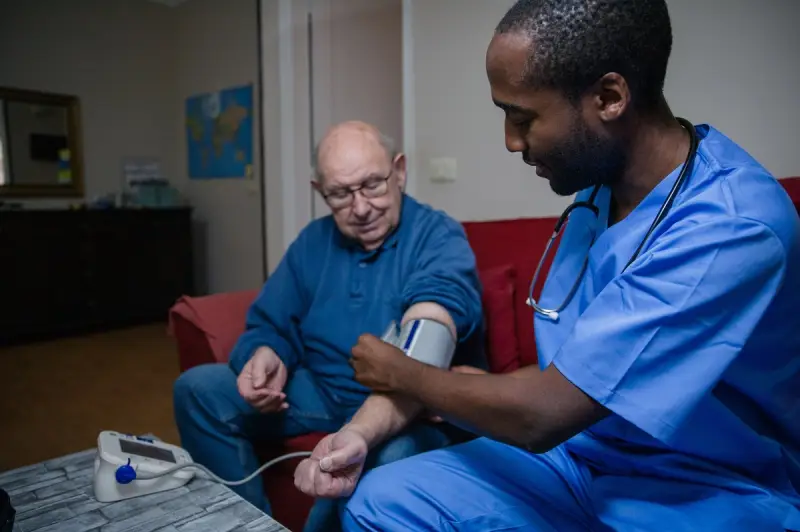
Because palliative care focuses on the individual as a ‘whole’, and doesn’t only address physical symptoms, your loved one will likely receive support from a variety of health and social care professionals, sometimes referred to as an interdisciplinary team.
It’s important to remember that the professionals providing your loved one's care should reflect and support your wishes, so don’t be afraid to speak up about what’s most important to you, and the kind of support you want for your loved one.
Your loved one's palliative care team can include:
- Doctors – Their GP will be central to their palliative care, and will work with other specialist doctors and therapists to keep them comfortable and help them get the most out of your life.
- Nurses – If your loved one is receiving ongoing treatment, this can be provided by nurses in a healthcare or hospice setting, or at home via district and community nurses.
- Social worker – They’ll help your loved one source practical help at home, and guide you towards key services such as family and financial support.
- Live-in or visiting carer – Professional carers can make daily life easier, providing personal care and companionship.
- A religious group – This could include helping your loved one to attend religious or spiritual services, or visits from a faith leader to help them practice their faith at home.
- A counsellor or psychologist – They’re trained to listen and offer guidance on any fears or worries you or your loved one may be experiencing, and can provide ongoing support to your family.
- Charity and support groups – Organisations such as Macmillan can help direct you to additional specialist support from people who understand or have experienced your loved one's illness.