
Elderly Care
Eight things to do with your elderly parents in Eastbourne
Earl Estologa | Editorial Contributor
6-minute read | 26/11/2026


Small changes are easy to miss, especially when your parent tells you they're fine. A pile of post here, a cold kitchen there. On their own, they don't mean much. Together, they can tell you that your loved one needs more support.
This guide explains why it helps to spot the signs early, gives you a simple checklist to use on your next visit or phone call, and shows you what to do next.
Most older people want to stay in their own home for as long as possible, but many need more help than they're getting. Age UK's State of Health and Care of Older People report found that 4.5 million people aged 50 and over in England need help with essential everyday tasks. These include getting in and out of bed, using the toilet and eating. Age UK also estimates that 2 million people aged 65 and over have care and support needs that aren't being met.
Bianca Wardle, Elder's Head of Safety and Trust, explains why early conversations matter:
"Most people want to stay in their own homes, but without early conversations, a care home can become the default option, even if it's not what they would choose."
Spotting changes early gives you time to talk, try small changes first and make decisions with your parent, rather than for them in a rush.
Use this checklist on your next visit or phone call. Make a note of anything you've noticed more than once over the past few weeks. One sign on its own rarely means much. What matters is the pattern.

This checklist isn't a medical test, and it can't tell you exactly what support your parent needs. It can help you choose a next step:
If something changes suddenly, such as new confusion or a fall that leaves your parent hurt, contact their GP or NHS 111 the same day. In an emergency, call 999.
However many signs you notice, involve your parent from the start. Elder's Safety and Trust team shares practical tips in our guide to talking to a loved one about care at home. If your parent is clearly struggling but doesn't want help, our guide on what to do if elderly parents refuse care can help you find a way forward.
We've covered many of these signs in more detail:

When the signs start to add up, live-in care means a carer lives in your parent's home and supports them day to day. It can be a good fit if your parent wants to stay at home but needs more help than a few visits a week can give.
Find out more about live-in care at home, or see how it compares in our guide to live-in care vs other types of care.
Elder is an introductory agency. We introduce families to experienced, self-employed carers, so your parent gets one-to-one support at home and you stay in control.
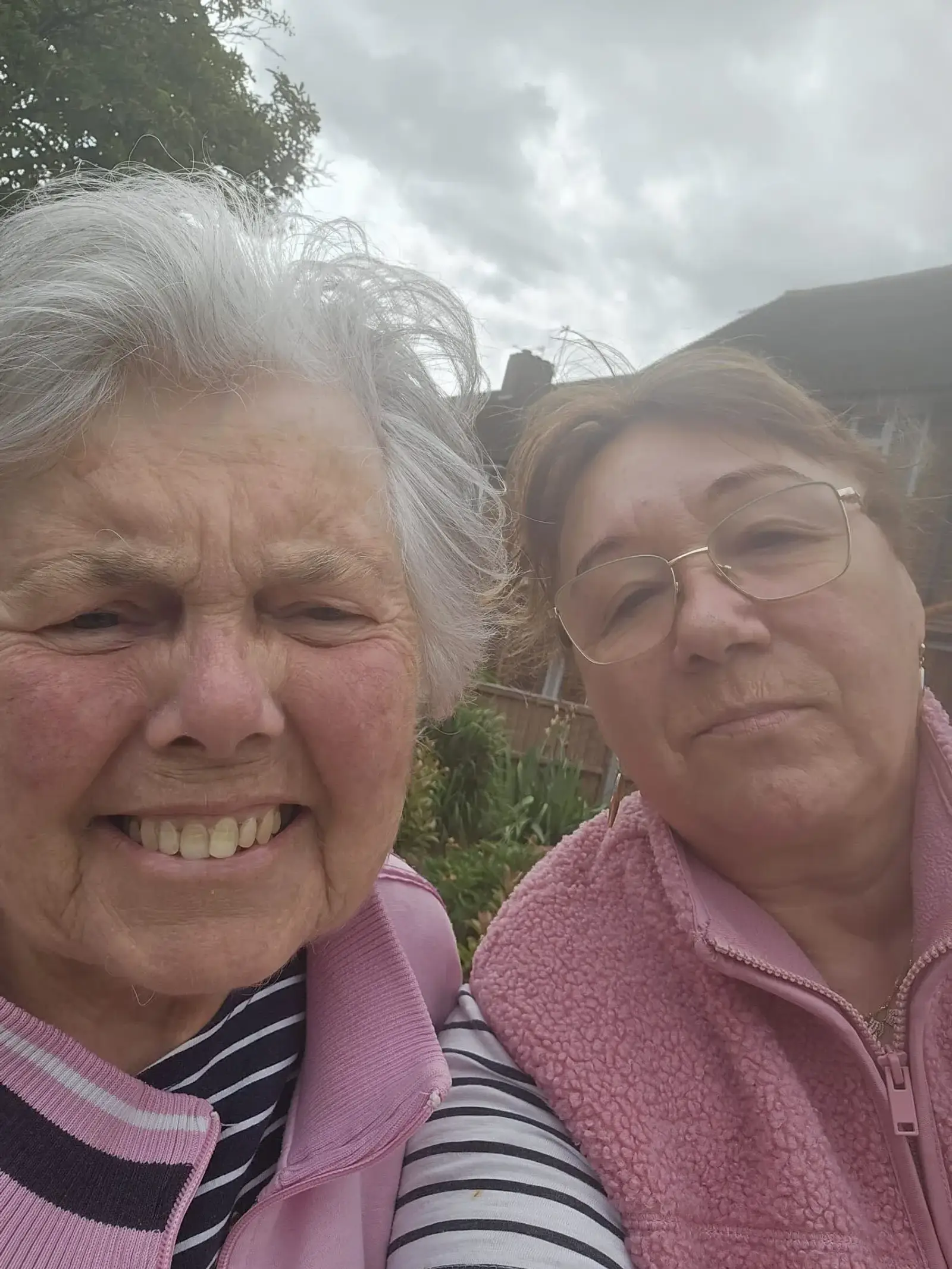
Sharon lives 130 miles from her mum, Sheila, and worried about her being on her own. She arranged care at home through Elder, so Sheila could stay in the home she loves with someone there to support her.
"It gave me peace of mind. It made my life easier, I wasn't getting stressed thinking my mum was on her own," Sharon says. "As soon as our carer started, I seemed to have a big weight lifted."
She also valued how the team got to know her mum from the start, asking about Sheila's interests and normal routine as well as the support she needed. Read Sharon's story and watch her video, or explore more stories from families who arranged care through Elder.
Noticed a few of these signs?
Talk to one of our Care Advisors about what would help your parent, or read more about why families choose Elder.
0333 920 3648Elder is an introductory agency and therefore does not direct, control, monitor or oversee the ongoing delivery of care. This article is for general information only and is not a substitute for professional advice, which should be sought when appropriate.
Earl Estologa | Editorial Contributor

Earl Estologa | Editorial Contributor

Earl Estologa | Editorial Contributor

Earl Estologa | Editorial Contributor

Earl Estologa | Editorial Contributor

Earl Estologa | Editorial Contributor