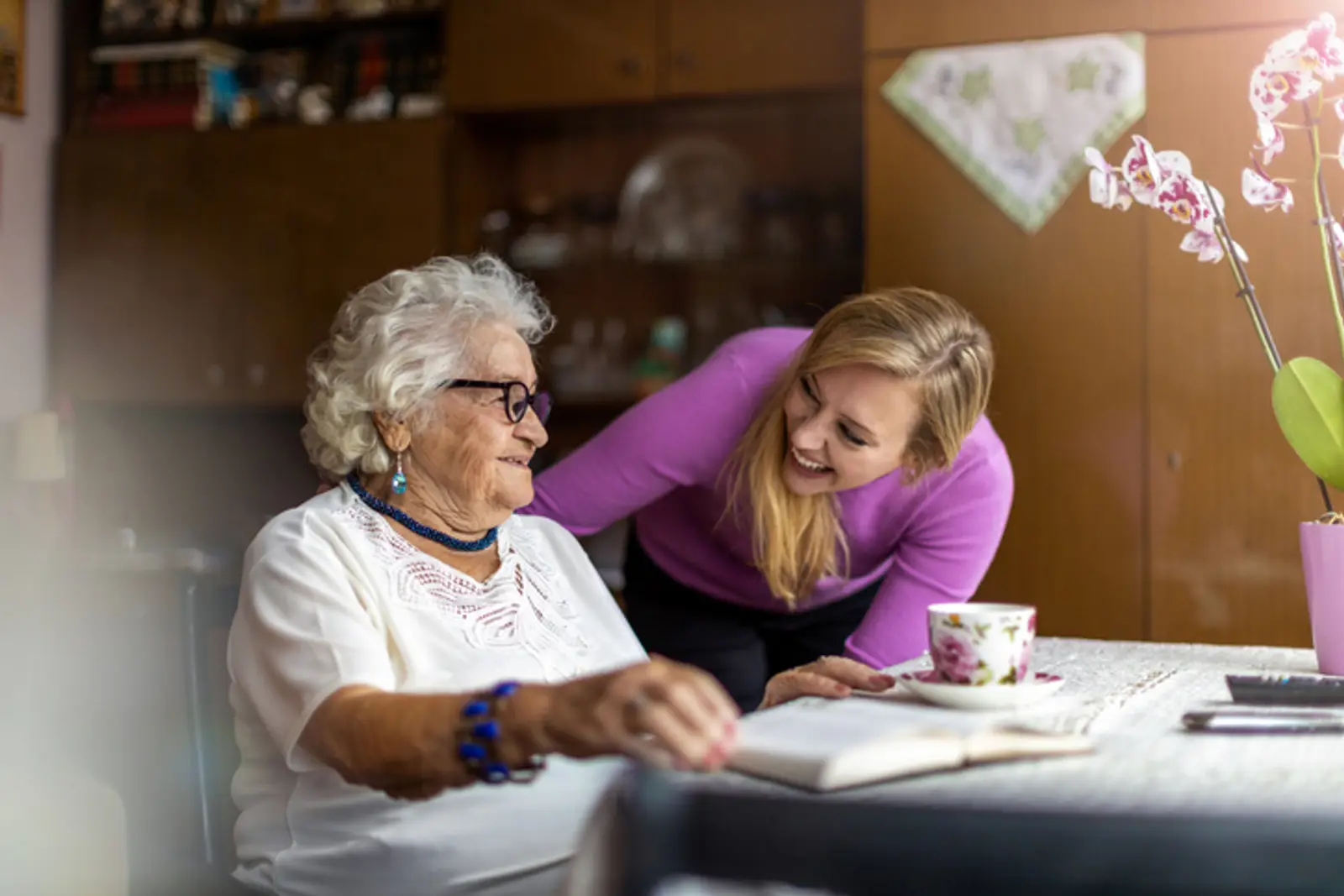
Elderly Mobility
Importance of maintaining independence for the elderly
Mark Acheson | Editorial Contributor
13-minute read | 07/01/2025

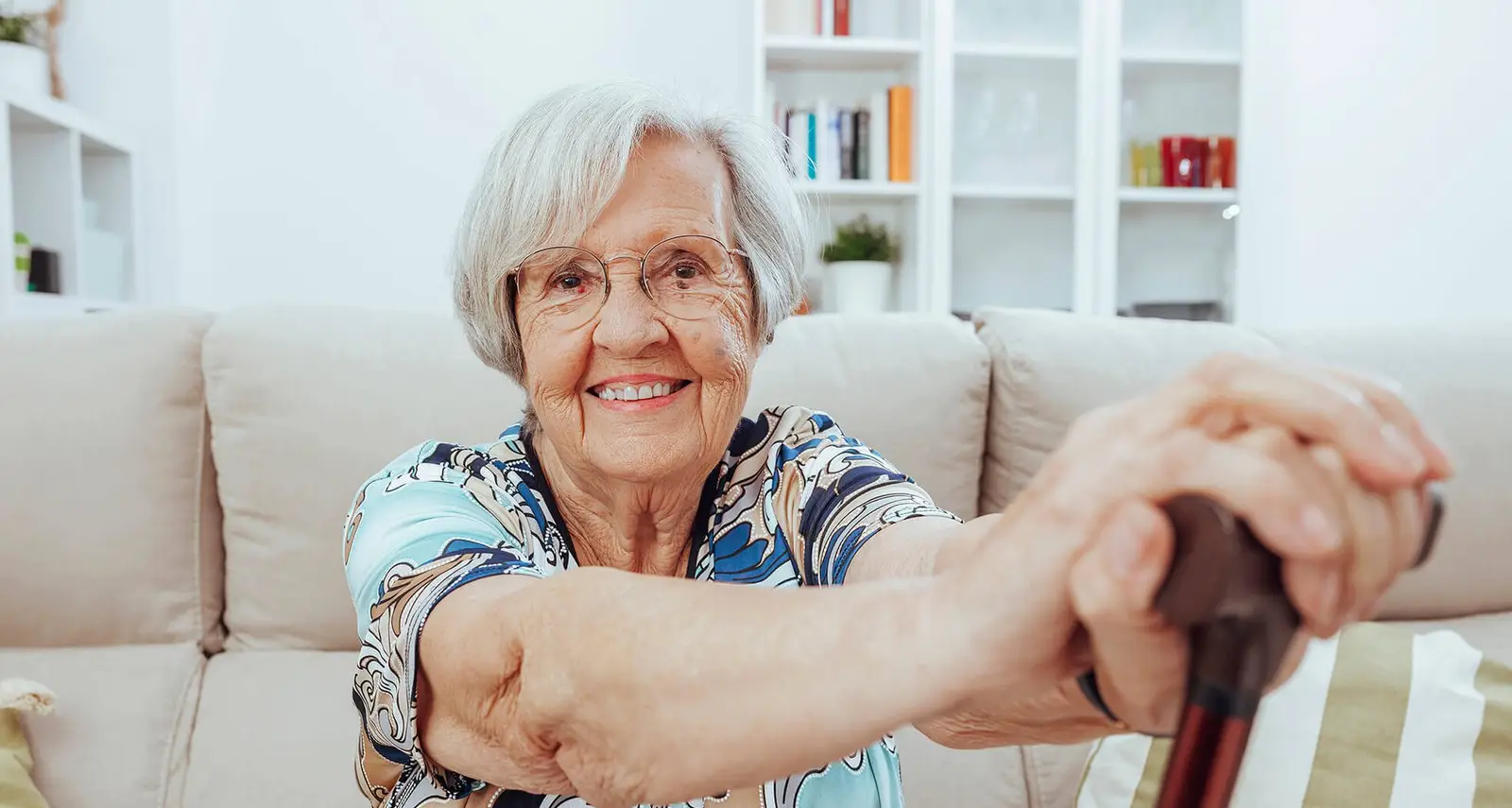
Did you know the home is the most common location for an accident to happen? Or that 2.7 million people in the UK require a hospital visit following an accident in the home each year? As we age the risk of accidents, particularly falls, can increase due to things like poor balance, weaker muscles, and conditions such as hypertension, which can cause dizzy spells.
It's important for us all to evaluate our homes for hazards as we get older, and make adaptations to improve safety. In this guide we cover the things to look out for.
There are a few simple things you can do to make your or your loved one's home that little bit better to be in.
Wherever there's an opportunity throughout the home, let as much natural light as possible pour into living spaces. This will not only make visibility easier, but it can also help establish natural rhythms of night and day, aiding sleep. Ensuring rooms are properly lit during the darker hours is essential to reducing trips, falls, and confusion too. You can do this by –
Whether it's furniture, floor rugs, towels in the bathroom, or bedding, choosing clear block colours and avoiding any complex stripes or patterns can make it easier to distinguish between items and areas. This can be especially important for people living with dementia or poorer eyesight.
Obviously, what counts as clutter can be subjective, and if you're supporting a loved one they may not agree that their home is cluttered at all. However, too much clutter can cause problems. It can pose a tripping hazard, hide pest infestations, impact the flow of clean air around the home and be a potential fire risk. It can also make it more difficult for emergency services to access the home if something unexpected happens. If you're concerned about a loved one's home, having a gentle conversation about these things may help them view items differently. Avoid using triggering language such as ‘junk’ or ‘clutter’, and ask them what they want to do with items, and whether there is a cupboard or safer place to store things that are in the way. It's also good practice to:
It can become more difficult to keep on top of cleaning as we age – certain tasks can take a lot of energy, strength, or stretching, and remembering to do things regularly can be tricky too. However, cleaning is essential to minimising the risk of illness or infection, especially if a person has a weaker immune system. If you're helping a loved one you may want to offer some weekly support with the following:
Living in a cold home can be dangerous to health. There are a number of ways you can help keep the home warm, as well as energy-efficient measures you can take to ensure you or your loved one isn't paying over the odds on their energy bills.
Usually, an occupational therapist is the first port of call if you need to make bigger changes around the home. Occupational therapy aims to improve your ability to do daily tasks and supports independent living.Therapists can recommend new ways of tackling tasks, types of specialist daily living equipment to use, and changes you can make around the home.
Depending on your situation, you get occupational therapy for free either through the NHS (speaking to your GP or a doctor at hospital) or through your local social services. If you don't want to wait for occupational therapy, you can arrange it privately, however there will be costs involved.
An occupational therapist will look at your or your loved one's home and assess how they navigate the it, and their overall living conditions. They'll then write a report on what changes they think would make your life easier.
An occupational therapy assessment may look at things like –
After evaluating your needs, they should be able to indicate the kind of adaptations to make, as well as pointing you in the direction of any funding.
The kind of changes you'll need to make to the home will vary widely depending on the severity of your or your loved one's condition.
Here we'll go round some of the most important rooms in the house, and some of the changes an occupational therapist may suggest, or that you may choose to make independently.
The bathroom can pose a big risk of a fall – water and smooth flooring isn't a great combination. Luckily, there are several adaptations that can be made to make this room safer.
Some people choose to create a downstairs bathroom for easier daytime access, however this can involve major construction work which can be costly and difficult for an older person to live with. You may want to consider moving a loved one in with family temporarily while doing major adaptation work on their home.
The bedroom may not pose as many hazards, but there are things that can help make it more comfortable.
The kitchen is obviously one of the more dangerous rooms in the home. While it's rarely possible to remove every risk if a loved one lives alone, there are things you can do to make things safer.
If you have a professional carer visiting, or staying in the home through live-in care, there are a few things you can do to make providing care easier and more comfortable for them:
All of these changes can be expensive. Luckily, your local authority should be able to cover the cost of smaller home adaptation up to the cost of £1000. This isn't a means-tested benefit, so you should be eligible regardless of income.
This includes changes like installing grab rails, some types of ramp, and additional safety lighting.
You're also able to get more extensive modifications to your home with Disabled Facilities Grants. This financial assistance is also provided by your local authority and can help pay for work to make your home more accessible such as widened access, bathroom re-modelling and stairlifts.
These improvement grants can be up to the value of £30,000, but are dependant on certain eligibility criteria, including household savings and income.
It's essential you wait for your grant application to be confirmed before beginning work on your property – otherwise, you may find you're no longer eligible.
Home improvement agencies (HIAs) are dedicated to enabling elderly, vulnerable and disabled people to lead rich and fulfilling lives. They offer impartial advice, provide guidance on the type of adaptations you need, arrange the work, and support installation fees and the cost of repairs. They can also help with energy saving measures to keep homes warm and reduce heating bills.
You can find your nearest HIA by contacting:
England
Wales
Scotland
Sources
https://livingmadeeasy.org.uk/dlf-factsheets/adapting-your-home-the-kitchen
https://www.scope.org.uk/advice-and-support/home-adaptations-occupational-therapist-assessments/
https://www.alzproducts.co.uk/bath-sink-water-alarm
Mark Acheson | Editorial Contributor
Christophe Locatelli | Editorial Contributor
Zenya Smith | Editorial Contributor

Zenya Smith | Editorial Contributor
Zenya Smith | Editorial Contributor
Zenya Smith | Editorial Contributor