Elder tips
Eating well in winter: a former nutritionist’s advice for older adults
Earl Estologa | Editorial Contributor
14-minute read | 29/10/2026

When you think of autumn, you may think of falling leaves, hearty food and cosying up indoors, before the colder, darker days of winter set in. But this time of year can pose some challenges for older people. We’ve pulled together nine tips to help older people, and the people who love them, stay warm, safe and well right through to spring.
This guide focuses on the everyday practicalities of autumn and winter. If fireworks and Bonfire Night are more of a worry for a loved one, especially one living with dementia, we have a separate guide to Bonfire Night safety for older people.
NHS guidance recommends keeping rooms in regular use, such as bedrooms and living rooms, at a minimum of 18°C during colder months. Older people are more vulnerable to the effects of cold weather, and anyone with an existing health condition faces an even greater risk.
As we age, our skin becomes thinner and we lose some of the fat beneath it, making it harder for the body to retain heat.
After months without use, check the home's central heating system works before your loved one really needs it. To do this:
If there's a problem, call a certified gas engineer. Never try to fix a faulty boiler yourself.
London Fire Brigade estimates that electric heaters cause over 160 fires a year. Always use an electric heater with care, and never leave one unattended or running overnight while your loved one is asleep. If there’s an electric heater in the home, electricians recommend the following:
Home Office figures show faulty blankets cause around 43 fires a year. Electricians recommend replacing an electric blanket at least every 10 years, since the materials and wiring degrade over time.
If your loved one owns an electric blanket, the UK Fire Service recommends the following:
Arrange for a qualified electrician to safety-test an electric blanket at least every three years.
If a heater or electric blanket carries an old BEAB safety mark, this means it's over 10 years old and needs replacing.
Some older people worry about the cost of heating their home, and avoid using central heating even in very cold weather to save money. A few things are worth knowing about:
Our guide to benefits for older parents and pensioners covers eligibility rules, exact amounts and how to claim each of these in full.
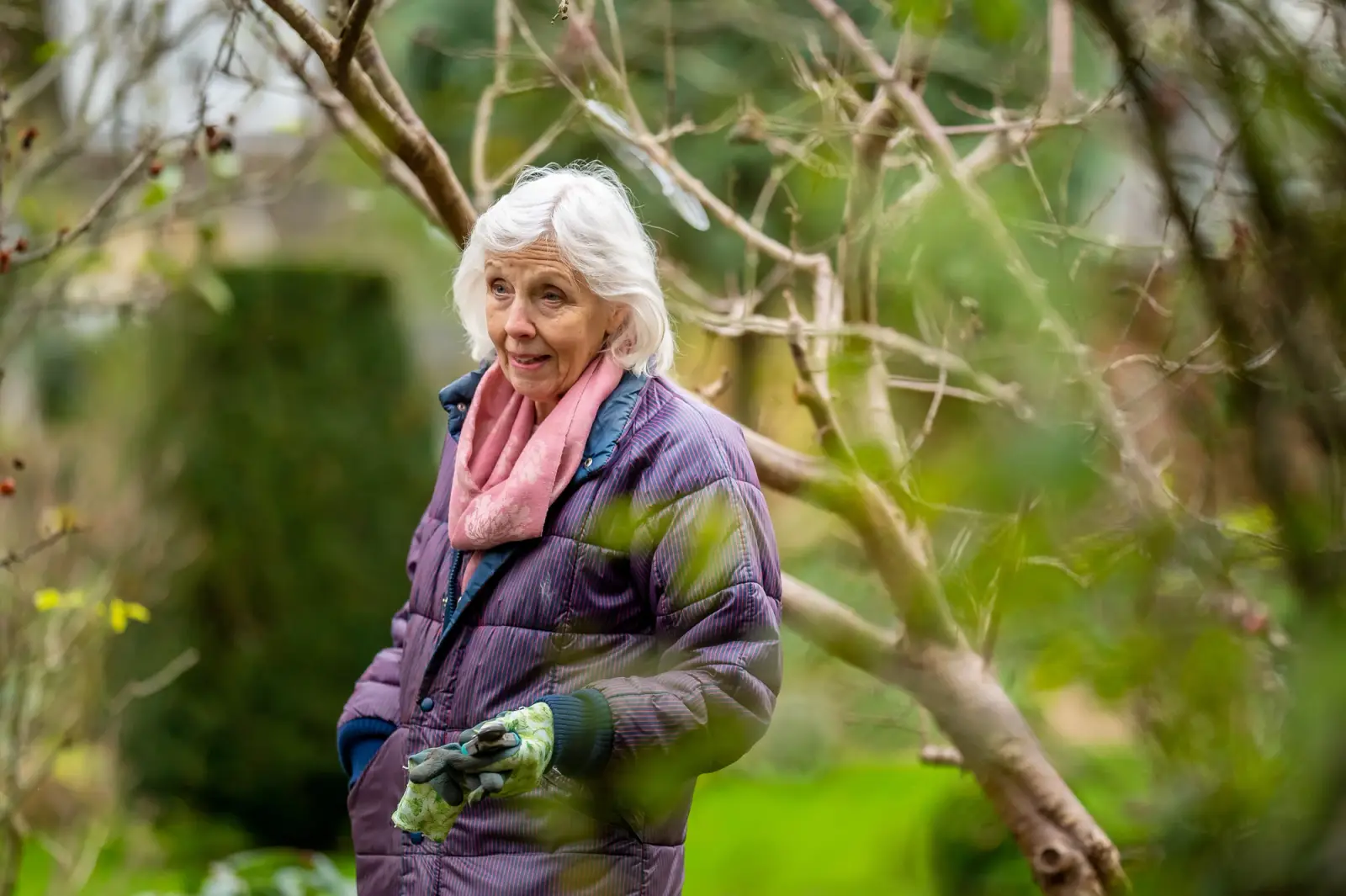
Government guidance suggests wearing lots of thin layers, and choosing clothes made from cotton, wool or fleece. This helps trap warmth, and makes it easier to regulate temperature than one bulky layer does. A lot of heat is lost through the head and neck outdoors, so a hat and scarf helps retain warmth.
Some clothing fastenings can be difficult for people with joint pain or restricted mobility. Clothes with larger zip pulls or poppers can help, and brands such as The Able Label specialise in accessible and adaptive clothing.
People with dementia can forget to dress appropriately when the temperature drops. Helping them may mean supporting them to make their own choices of warm clothing, and giving them the time and space to dress themselves.
85% of people would want to stay in their own home if diagnosed with dementia. Elder makes this possible
Fallen leaves and wet or icy pavements are dangerous for everyone. For older people, they pose a serious risk. Older bones can take longer to heal, and this recovery process can take its toll on both physical and mental wellbeing. Our guide to falls at home covers why falls become more common with age, and how to support a loved one afterwards. If a fall does happen, our guide to what to do if an elderly person falls covers what to do in the moment.
Make sure the handrails, ramps and pathways are cleared of ice and fallen leaves. If you can’t do this yourself, a neighbour may be able to help. For more ways to reduce fall risks around the home all year round, see our guide to staying safe at home.
Take time to check that handrails and ramps around the home are secure and haven’t become brittle or rusted. Sites like Trust a Trader or TaskRabbit can also connect you to local handyman services to suit all budgets.
It’s worth checking the lighting too. Motion sensor lights in hallways, landings and entrances mean your loved one isn’t navigating a darker home once the clocks have changed. If cost is a concern, benefits such as Attendance Allowance can often go towards home safety equipment like this. Our guide to benefits for older parents and pensioners covers what’s available.
Did you know we have many self-employed carers on our platform who enjoy gardening and can lend a hand keeping paths clear?
Find out more about live-in care
Contagious illnesses such as colds and flu are more common during colder months, and are often more debilitating for older adults. Our immune systems become a little less effective as we age, so it can take longer to recover, and a cold can develop into a chest or sinus infection.
Prevention is the best way to stay healthy. Everyone aged 65 and over can get a free flu vaccine from a GP or local pharmacy. The NHS recommends getting the jab even if your loved one is generally fit and healthy, since flu can still be unpleasant and, for older people, more serious than it looks. Many supermarket pharmacies also offer flu jabs alongside the weekly shop, and you can find a pharmacy offering free NHS flu vaccination near you.
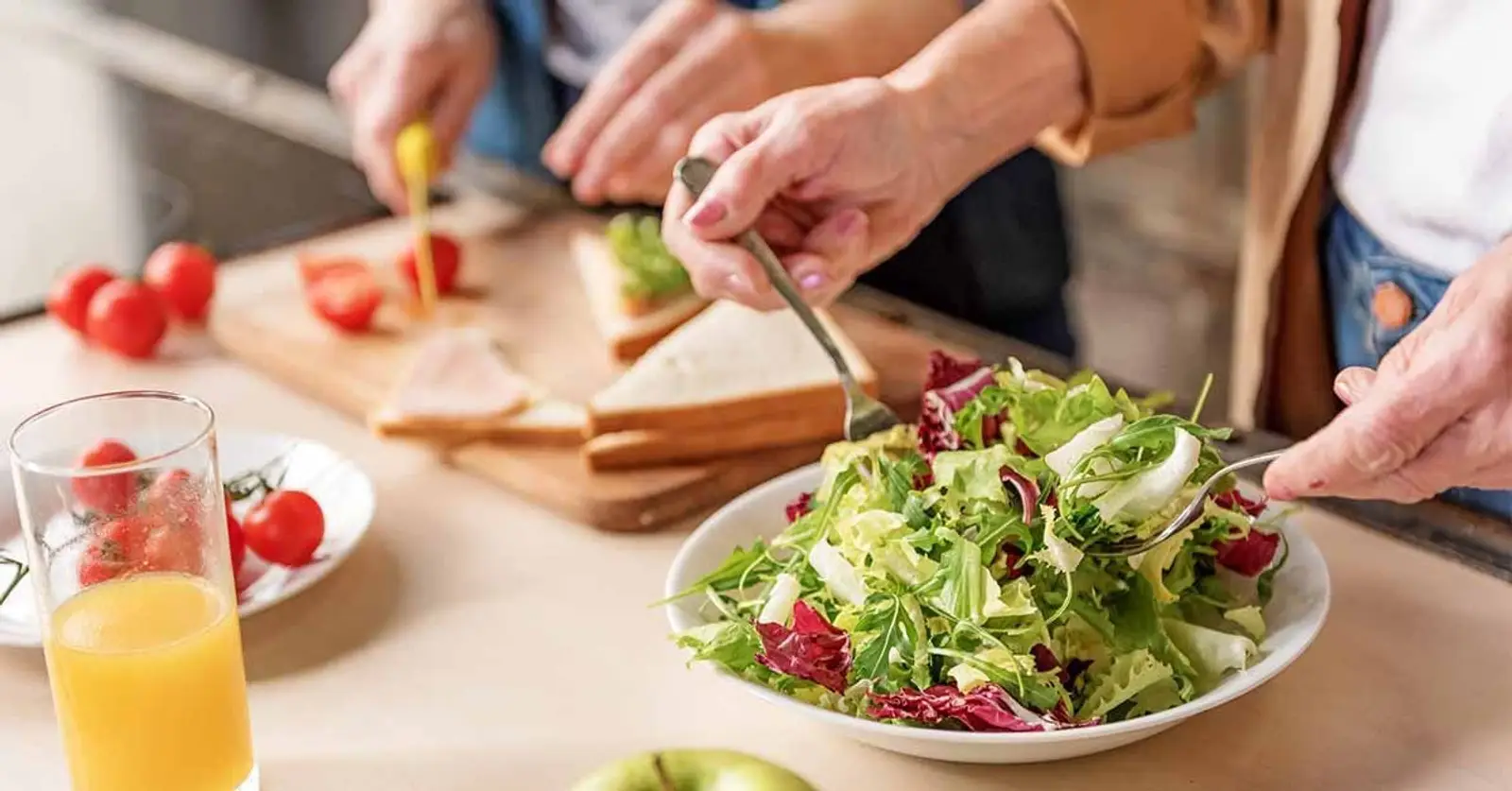
Good nutrition matters most in autumn and winter, especially for older people. It supports the immune system, provides energy, and helps keep us warm. Your loved one should aim to eat at least one hot meal a day. Regular hot drinks help too, ideally decaffeinated. A good variety of foods also helps boost the range of nutrients they get.
Stock your loved one's cupboard or freezer with basic items or pre-prepared meals in case it's too cold to go shopping. Alternatively, a service like meals on wheels can make sure they regularly get a nutritious hot meal.
We spoke to Professor Janet Cade, Professor of Nutritional Epidemiology at the University of Leeds, about eating well in colder months:
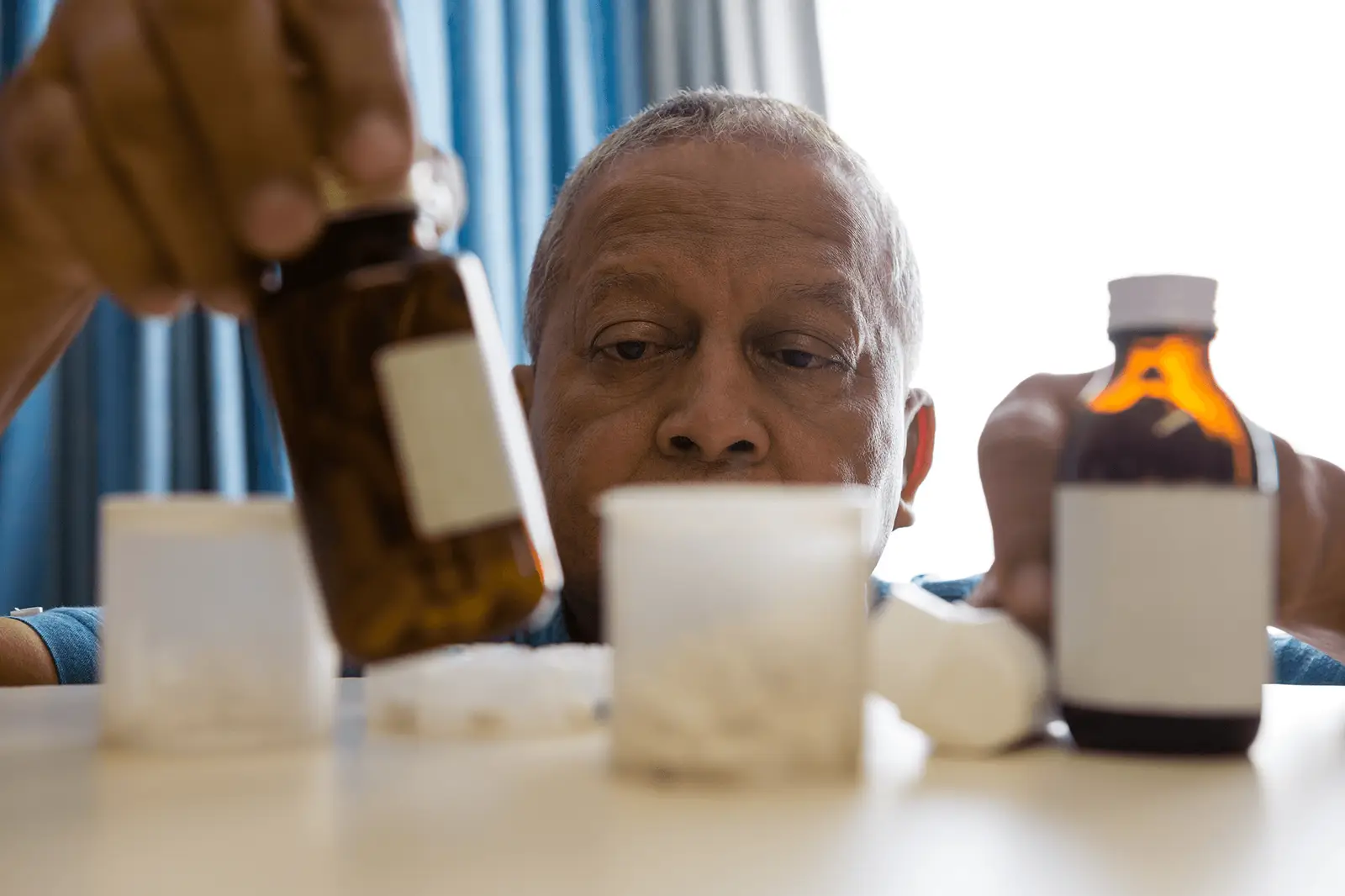
Keep your loved one's home well stocked with everything they need to stay well and prevent infection. Make sure prescriptions aren’t running low. Keep plenty of tissues, hand sanitiser and antibacterial sprays around the home too. This brings peace of mind when the weather makes it harder to get out and about.
If your loved one takes regular medication, ask their GP about setting up repeat dispensing. This means they can pick up medication directly from the pharmacy each time they need it, rather than ordering a repeat prescription. Some pharmacies also offer a home delivery service for people who find it tricky to get out and about.
Cold weather can physically change medication and affect how well it works. Some medications are classed as "ambient medication" and need to be stored at room temperature (15°C to 25°C). Check the instructions on the label or packaging to understand how to store medication properly. If you're worried medication has been exposed to cold temperatures, or it looks different to usual, contact your local pharmacy for advice.
Shorter days can also disrupt routines. If medication doses are tied to daylight rather than the clock, a dosette box or pill organiser can help keep things on track. For someone living with dementia, earlier darkness can also trigger or worsen sundowning: increased confusion, agitation or restlessness in the late afternoon and evening.
Autumn and winter are a good time to keep on top of two things that are easy to let slide: joint pain and eyesight.
Colder weather can cause arthritis flare-ups and make joint pain worse. Experts aren’t entirely sure why this happens, but a drop in air pressure is thought to cause joints to expand, leading to pain. Low temperatures can also thicken the natural shock-absorbing layer in the joints, which can make them stiff.
Staying active can help keep joints comfortable and reduce the risk of accidents. Even gentle chair-based exercises can support mobility and balance. Age UK has a wide range of exercises on their website. It’s worth checking with your loved one’s GP first before trying a new exercise.
Shorter days bring lower visibility, so it’s a good time to organise an eye test. If your loved one drives, encourage them to use public transport or taxis when travelling in dark or rainy conditions.
Around 4.3 million people aged 65 and over live alone in the UK. When the weather turns colder, wetter and generally more miserable, leaving the house becomes harder. This increases the risk of feeling isolated from friends and loved ones.
Signs a loved one may be feeling lonely include spending more time in bed, changes in mood, or changes in daily behaviour such as spending more money on things they don't need. Learn more about how to spot the signs of loneliness in the elderly.
Christmas can be a particularly isolating time for older people living alone, especially if family are far away or visits are harder to arrange. Our guide to supporting an older loved one over Christmas covers how to help.
Small acts of connection make a big difference, from a cup of tea and a chat, or a weekly phone call, to dropping off some shopping or sharing a meal. Befriending services can help too, connecting older people to volunteer companions either over the phone or in person.
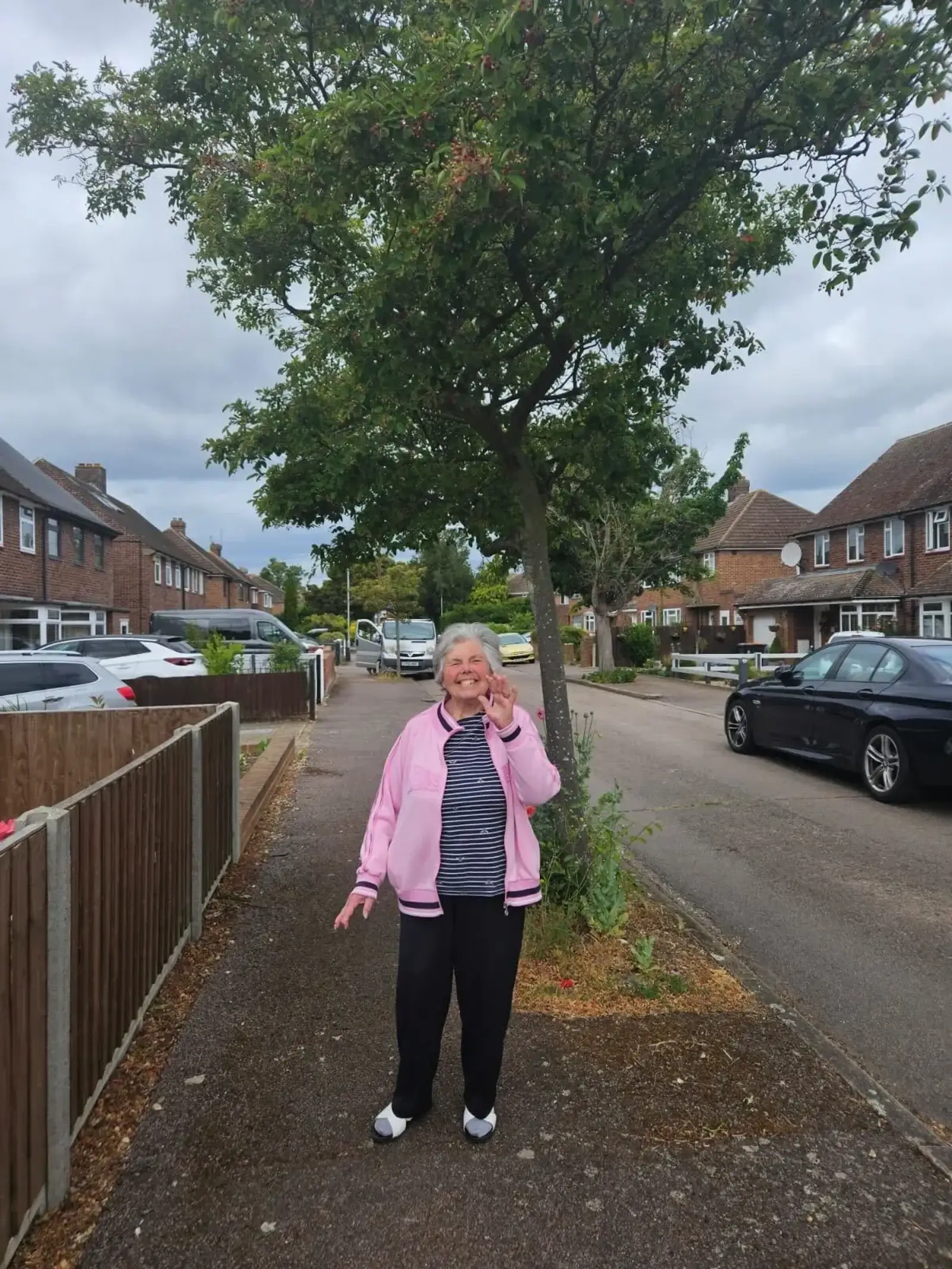
Sharon's mum, Sheila, lives 130 miles away. Arranging care from a distance can be especially worrying through winter, when a fall, a cold snap or a missed meal feels harder to catch early. Home care gave Sharon the reassurance that Sheila wasn't facing the colder months alone.
“It gave me peace of mind,” Sharon says. “It made my life easier, I wasn't getting stressed thinking my mum was on her own.”
Elder can connect you to self-employed carers to support with the things we've covered above. Whether you’re looking for occasional help or something full-time, we can help you find the most suitable carer.
With live-in care, a dedicated carer moves into the home and lives alongside the person they’re caring for. They can help with everything from keeping the heating on and meals hot, to spotting the early signs of a fall or a winter illness. A carer can also help with everyday companionship care, through to the more complex demands of dementia care.
If you're wondering what kind of support could help your loved one this autumn and winter, our Care Advisors are happy to talk through your options.
0333 920 3648Elder is an introductory agency and therefore does not direct, control, monitor or oversee the ongoing delivery of care. This article is for general information only and is not a substitute for professional advice, which should be sought when appropriate.
Earl Estologa | Editorial Contributor

Paola Labib | Editorial Contributor

Earl Estologa | Editorial Contributor
Zenya Smith | Editorial Contributor
Paola Labib | Editorial Contributor
Zenya Smith | Editorial Contributor