Elder tips
9 essential tips for older people this autumn & winter
Earl Estologa | Editorial Contributor
5-minute read | 30/10/2026


Most families only find out what they don’t know when something goes wrong. A slip on an icy step or a bad chest infection turns into a trip to A&E, and suddenly everyone’s asking the same questions. Who has a key? What medication does Mum take? Who decides what happens next?
Winter makes these moments more likely. In our Winter Concerns Survey, published in December 2025, more than 500 families shared their biggest winter worries for an older loved one. Keeping warm was the top concern, but around one in five families named slips, falls and injuries, and nearly as many worried about a sudden decline in health.
A winter plan answers those questions before you need to. Writing it down takes about ten minutes, and it works best when you make it with your loved one, not for them.
Agree who has a spare key, and who lives close enough to get there within the hour. Make sure that person has your number and you have theirs. If it’s a neighbour, ask them now, not in the middle of a crisis.
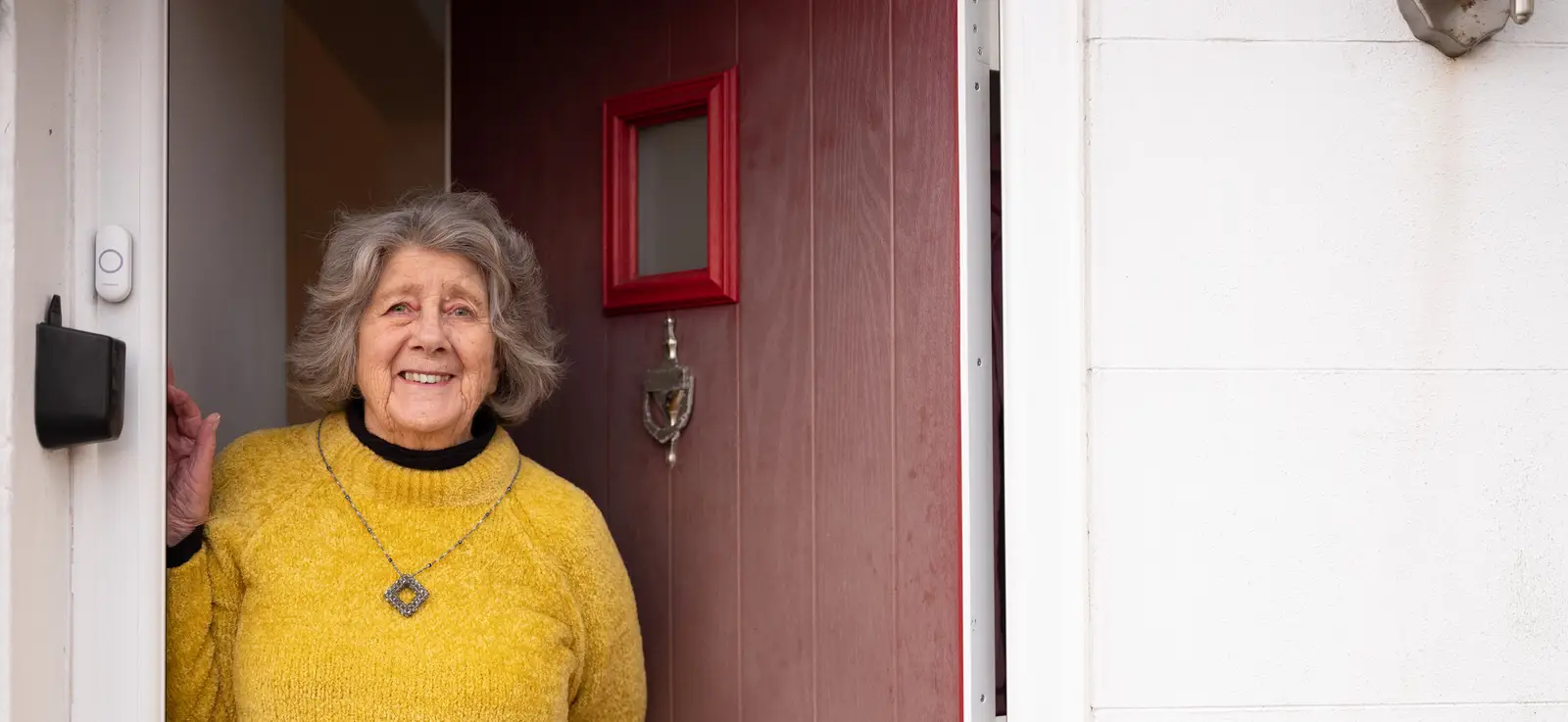
If a key safe would help, now is the time to fit one. It lets a paramedic or neighbour get in if your loved one can’t reach the door. Secured by Design, the official UK police security initiative, advises choosing a tested and certified key safe and fixing it into brick or concrete with the supplied fittings. It also advises not fitting the key safe where it’s easily seen from the road or footpath. Only share the code with people you trust.
A personal alarm can help too, letting your loved one call for help at the press of a button. For more on preventing falls, keeping warm and getting a flu jab, see our autumn and winter safety tips for older people. If a fall does happen, our guide explains what to do if an older person falls.
Write down the essentials in one place:
Keep it somewhere obvious, like on the fridge, and share a copy with everyone in the family.
The Lions Clubs’ Message in a Bottle scheme is built on exactly this idea. Your loved one’s details go in a bottle in the fridge. A green cross sticker on the inside of the front door and another on the fridge door show paramedics where to look. Bottles are often available from GP surgeries and pharmacies.
If you already help with a loved one’s care, our guide to building a contingency plan for informal carers goes further, including who could step in if you can’t.

If your loved one hasn’t set up a Lasting Power of Attorney (LPA), it’s worth raising. An LPA lets them choose someone they trust to make decisions about their health and care, or their money and property, if they lose the ability to decide for themselves.
It isn’t something you can sort in a hurry once it’s needed. Your loved one has to make it while they can still make their own decisions, and the Office of the Public Guardian has to register it before anyone can use it. Registration takes eight to ten weeks if there are no mistakes in the application. This applies in England and Wales. Scotland and Northern Ireland have their own systems.
Our guide to Lasting Power of Attorney explains the two types and how to get started.
Hospital discharge can move quickly, and hospitals often ask families to agree to a plan at short notice. Knowing your options now, whether that’s family, a carer or something else, means you’re choosing rather than scrambling.
Options worth looking into include:
Our guide to arranging care after a hospital discharge walks you through each step.
Bianca Wardle, Head of Safety and Trust at Elder, says that “one of the biggest risks during winter is delay in getting help.” With a live-in carer in the home, help is close at hand if your loved one falls or feels unwell. Read more about how live-in care helps older adults stay safe during winter.
Planning ahead also means fewer decisions made in a rush. “Many families only consider care options after a health event or urgent situation, which can make choices feel limited or rushed,” says Bianca. Find out why most families still don’t have a plan for later-life care.
If your plan shows a gap, Elder can help you find a self-employed carer quickly, whether you need support after a hospital stay or want to plan ahead. You can read carers’ profiles and speak to them before deciding, and our Care Advisors are happy to talk through your options.
0333 920 3648Elder is an introductory agency and therefore does not direct, control, monitor or oversee the ongoing delivery of care. This article is for general information only and is not a substitute for professional advice, which should be sought when appropriate.
Earl Estologa | Editorial Contributor

Earl Estologa | Editorial Contributor

Zenya Smith | Editorial Contributor
Paola Labib | Editorial Contributor

Zenya Smith | Editorial Contributor

Zenya Smith | Editorial Contributor