
Home Care
As care homes fill up, more families are choosing a fresh alternative
Zenya Smith | Editorial Contributor
6-minute read | 02/03/2017
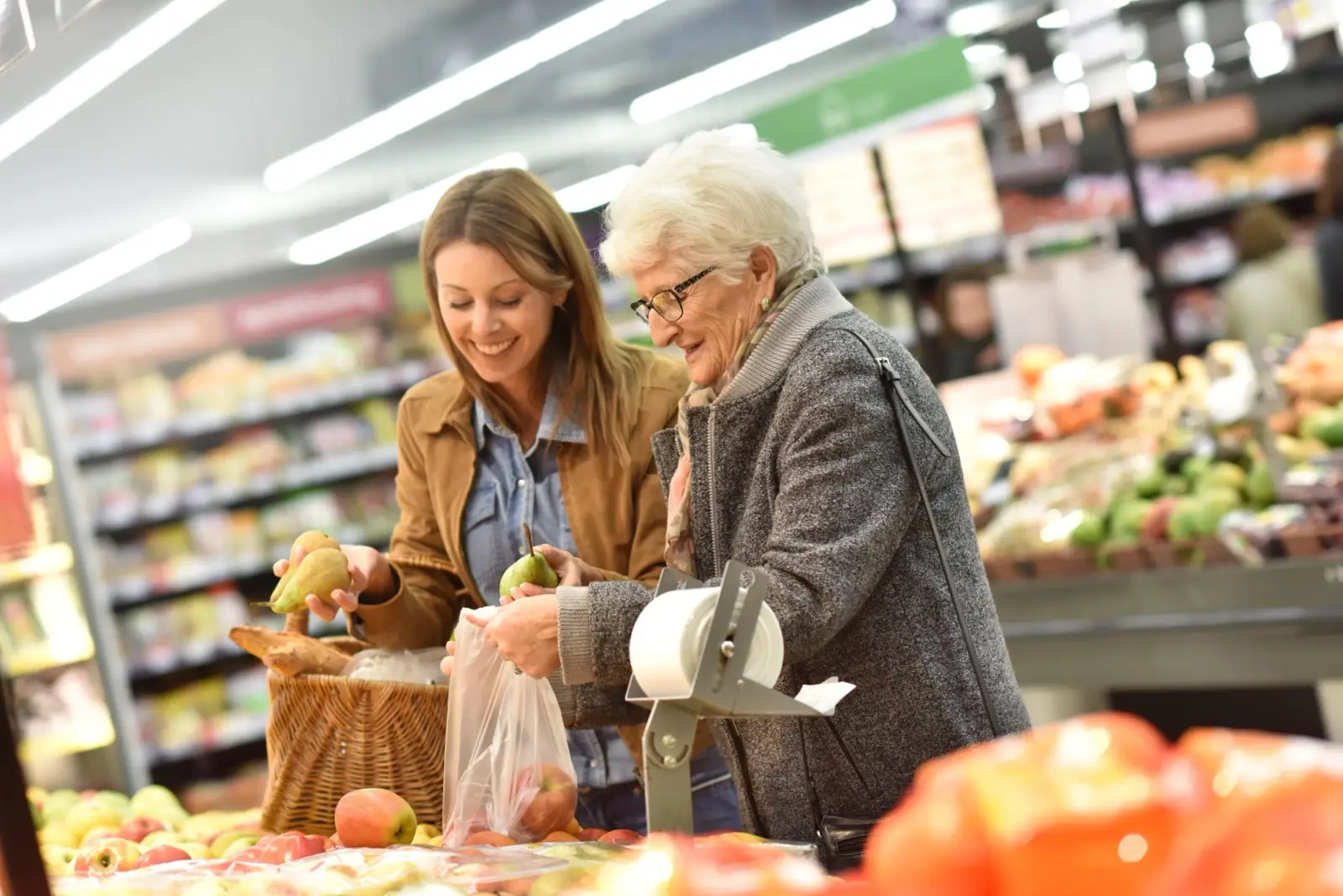
As we age, our nutritional needs change and so do our appetites. Older people may eat less, but they also need fewer calories. However, other aspects of diet, such as vitamins and mineral levels and foods that can be dangerous to older people, need to be considered.
Old age is not the time to become too strict with someone's diet. The important thing is that they get enough to eat and take supplements if needed. Making sure this happens is one of the key domestic tasks a home carer will perform. Meals become a really important time of day and form the basic structure of a day of care at home.
Energy requirements reduce in old age due to a decrease in the basal metabolic rate (resting calorie use) and a decline in physical activity. Other changes such as a less-effective synthesis of vitamin D also occur.
As nutrition for the elderly is primarily concentrated on the here and the now, allowances can be made. This means that the usual three square meals a day rule might not fit the individual, and if they prefer to eat five small meals or snacks or even just one main meal a day, that's perfectly acceptable.
It is also recommended that older people take a supplement of 10mg of vitamin D daily. However, multi-vitamins are not required and, due to the risk of kidney stones from inactivity, not recommended either. As a general rule, food should be tasty, enjoyable, easy to eat, stress-free and provide some energy and nutrition.
Studies show that older people living in institutions are more likely to suffer from malnutrition that those living at home. This can be due to under-staffing, strict schedules around feeding times and a lack of one-to-one menus or companionship while eating.
One of the biggest health advantages to choosing private live-in care is good nutrition. Your parent and their home carer will usually dine together and eat roughly similar meals.
However, even at home, physical and mental health problems can lead to a decrease in appetite, and perhaps even malnutrition. In these cases, the recommendation is 'energy first, nutrition second'. If an older person is happy to eat a slice of cake but doesn't want to eat a wholesome meal, then that is preferable to the refusal of food altogether.
In an emergency, food supplement shakes like Ensure, V8, and Glucerna can be used if necessary, but these should be seen as a short-term solution as they are high in sugar and low in roughage. Reverting to real food should always be the aim.
Likewise, cues for thirst also decrease in later life; medication can interfere with this physical prompt, as can psychological concerns about being able to get to the toilet. Therefore, dehydration can become an issue. Personal one-to-one care means drinking, being encouraged to drink and using the bathroom are always priorities.
Older people like consistency and routine especially about meals. If someone needs dementia or Alzheimer's care, this structure can help to create cohesion.
All meals and snacks should be offered at the same time every day. This also helps regulate hunger patterns and create an appetite. Food preferences from their younger years, even if they aren't particularly healthy, may be hard to change, though.
For those arranging a live-in carer with us, we always recommend providing a food budget of least £30 per week. This is one of the home carer's costs you're expected to cover – a prepaid card can be a good idea for this. Although, you're welcome to pay it through us.
Duclie is one of our longest serving customers. In this video her and her family talk through their decision to arrange care in the home rather than the care home.
There are many issues that older people have to live with that have an effect on eating, from false teeth to post-stroke function loss. In some cases, your parent may have a normal appetite but not be able to eat easily or feel embarrassed about eating.
Simple-to-eat food is key here, so vegetables can be well-cooked, but avoid serving puree as long as possible. No one likes to feel they are being made to revert to infancy. Instead, market the food as soup. Broths are also a good way to keep fluid levels up.
Sometimes your parent or loved one might have a health problem that affects how and what they eat. A diabetic, for example, requires small meals frequently and must limit their sugar intake. Food sensitivities are less likely in older people, but low iron and B12 levels are common as meats and eggs are harder to eat.
It's also worth remembering that certain foodstuffs should be avoided in older people, as they can cause food poisoning in those with reduced immune systems.
These include raw eggs and meringue or cake icing, soft cheeses such as Brie and Camembert and any raw meat or fish. Washing fruits such as strawberries is also important, to remove fertilizer that may have come from manure. This is something your live-in care professional should be able to help with.
With so many things to consider, it is no wonder that many older people living alone struggle to ensure their diets remain healthy. Unfortunately, malnutrition is sometimes the cost of independent living where no in-home care is available. Arranging private elderly care in the home is the best way to make sure your parent gets the food and drink they need, when they need it.
Good nutrition is a big concern of many people looking for 24/7 care for their parents. Unlike that of a care home, live-in home care means your parent has a caregiver on hand who has no other care recipients to consider.
They'll make meals for themselves as well as your parent, and the majority of the time these meals will be taken together, or sometimes the caregiver will just concentrate on helping your loved one to eat. When it comes to maintaining healthy eating and drinking routines, private care from a live-in carer is the safest route to take.
Find your ideal carer
We have connected over 5000 families to carers so far.
Zenya Smith | Editorial Contributor

Zenya Smith | Editorial Contributor
Mark Acheson | Editorial Contributor

Mark Acheson | Editorial Contributor

Mark Acheson | Editorial Contributor

Zenya Smith | Editorial Contributor