
Elder tips
Make a winter plan for your loved one before you need one
Paola Labib | Editorial Contributor
5-minute read | 03/11/2026

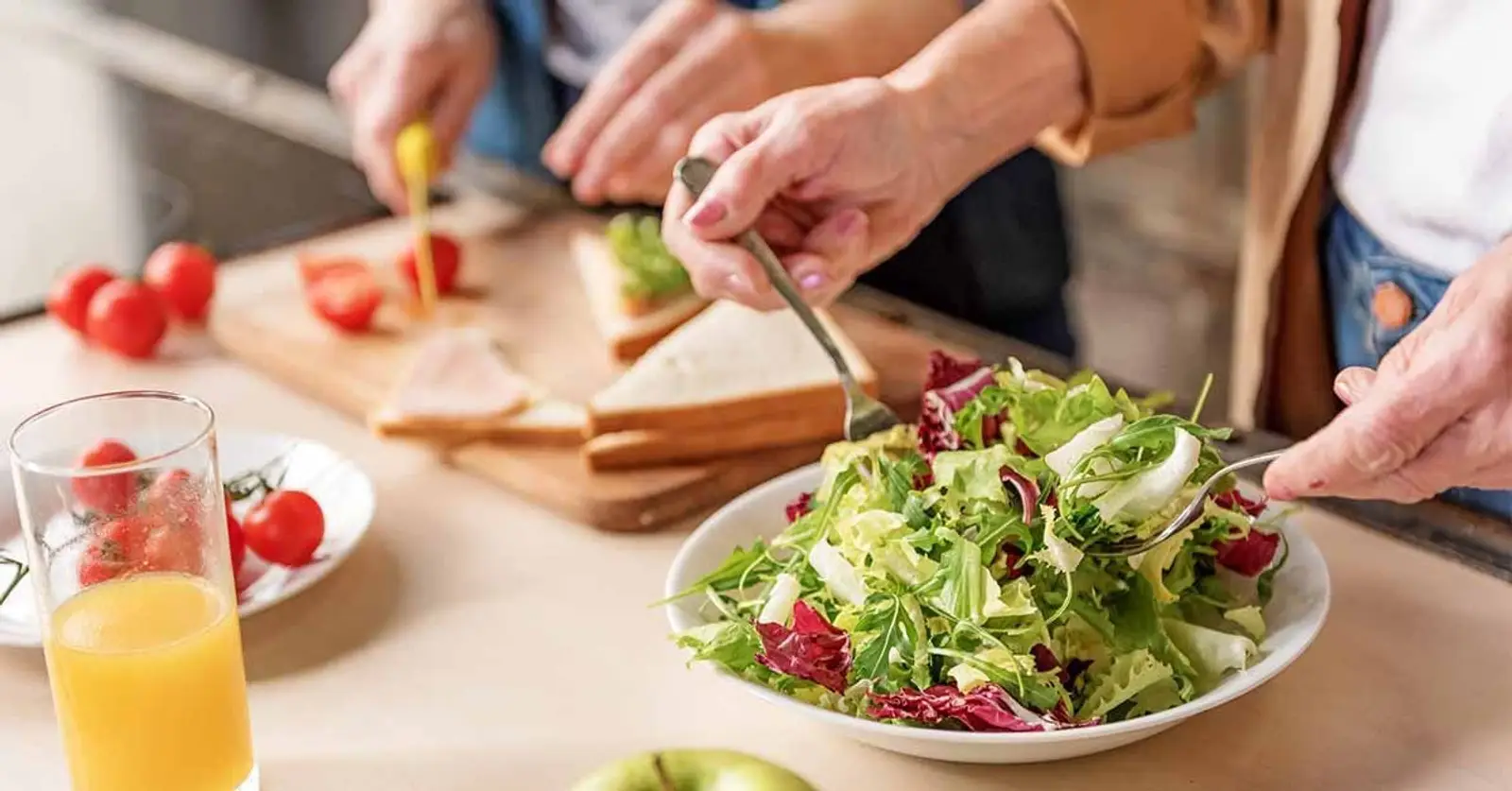
Winter often means heavier, heartier meals indoors and less time outside in the sun. Both changes can affect how well older adults eat, and how much vitamin D they get. We asked Lauren Gibson, a former nutritionist at myfood24, for her advice on eating well through the colder months. For wider advice on staying warm, active and well this winter, see our guide to essential tips for older people this autumn & winter.
Lauren says the comfort food itself isn’t the problem, it’s often the red and processed meat it contains. The NHS advises that if your loved one eats more than 90g of red and processed meat a day, they should cut down to 70g, as eating too much probably increases their risk of bowel cancer.
As the weather turns colder, we tend to reach for warming, comforting meals like casseroles and pies. These often contain red and processed meats such as beef and sausages. Research links eating a lot of red and processed meat to a higher risk of bowel cancer, type 2 diabetes and heart disease. Try eating these foods less often, choosing leaner cuts, or swapping in white meat such as chicken or turkey.
Keep plenty of fruit and vegetables on the menu too. Aim for at least five portions a day, in line with the NHS’s “5 A Day” guidance. If your loved one usually has a vegetable-rich salad, swap it for something equally vegetable-heavy, such as a hearty lentil soup.
Appetite often drops in winter. If your loved one’s has dropped, prioritise food that’s easy for them to eat, tasty and nutrient-dense. A warming bowl of stew might be exactly what their body needs. A change in appetite can also be one of the signs that an older person is feeling lonely, especially if they’re eating alone more often, so it’s worth keeping an eye out. Read more on spotting the signs of loneliness in older people. If cooking regularly becomes difficult, a service like meals on wheels can deliver nutritious hot meals straight to their door.
The NHS advises that everyone should consider taking a daily 10 microgram vitamin D supplement in autumn and winter. This is because UK sunlight isn’t strong enough for the body to make what it needs. As Lauren points out, this matters even more if your loved one rarely gets outside, for example because they’re frail or housebound.
Vitamin D keeps bones healthy, and the body makes most of it through sunlight on the skin. Lower light levels, poor weather and shorter days between October and March mean most of us can’t make enough.
Your loved one can also get some vitamin D from food, including oily fish, red meat, liver and fortified foods. Diet alone, though, rarely provides enough to meet their needs in winter.
Lauren also highlights Vitamin C and vitamin E. Both support your loved one’s immune system through winter, and are best found in food rather than supplements.
A healthy, varied diet usually covers your loved one’s nutritional needs throughout the year, vitamin D in winter being the main exception. Winter also brings cold and flu season, so a strong immune system matters more than usual.
Vitamin C supports your loved one’s immune system and helps circulation. Good seasonal sources include oranges, kale, spinach, broccoli and brussels sprouts.
Vitamin E also supports your loved one’s immune system, skin and eyes. Nuts, seeds and plant-based oils such as olive oil are good sources. Try to get these nutrients from food rather than supplements where possible.
Not really, Lauren says. Your loved one’s immune system needs nutrients to fight off illness, whether they have a cold or a fever, so eating well matters either way.
Your loved one's immune system plays a key role in recovery, and eating a balanced diet supports it. For colds, coughs and fevers, encourage nutrient-rich foods to give their body what it needs to fight the infection. Fluids matter too. Tea and coffee count towards this, so there's no need to cut them out. Alcohol is the one to watch, since it can be dehydrating. If you’re ever unsure what to do, speak to their GP or pharmacist.
Eating well in winter isn’t only about what’s on the plate. Having company at mealtimes can make a real difference too, especially for older people who live alone.
A live-in or visiting carer can help with cooking, shopping and eating together, as well as the company that makes mealtimes something to look forward to. Find a carer today to see how we can help.
If you’re looking for companionship for your parents, our Care Advisors are happy to talk through your options.
0333 920 3648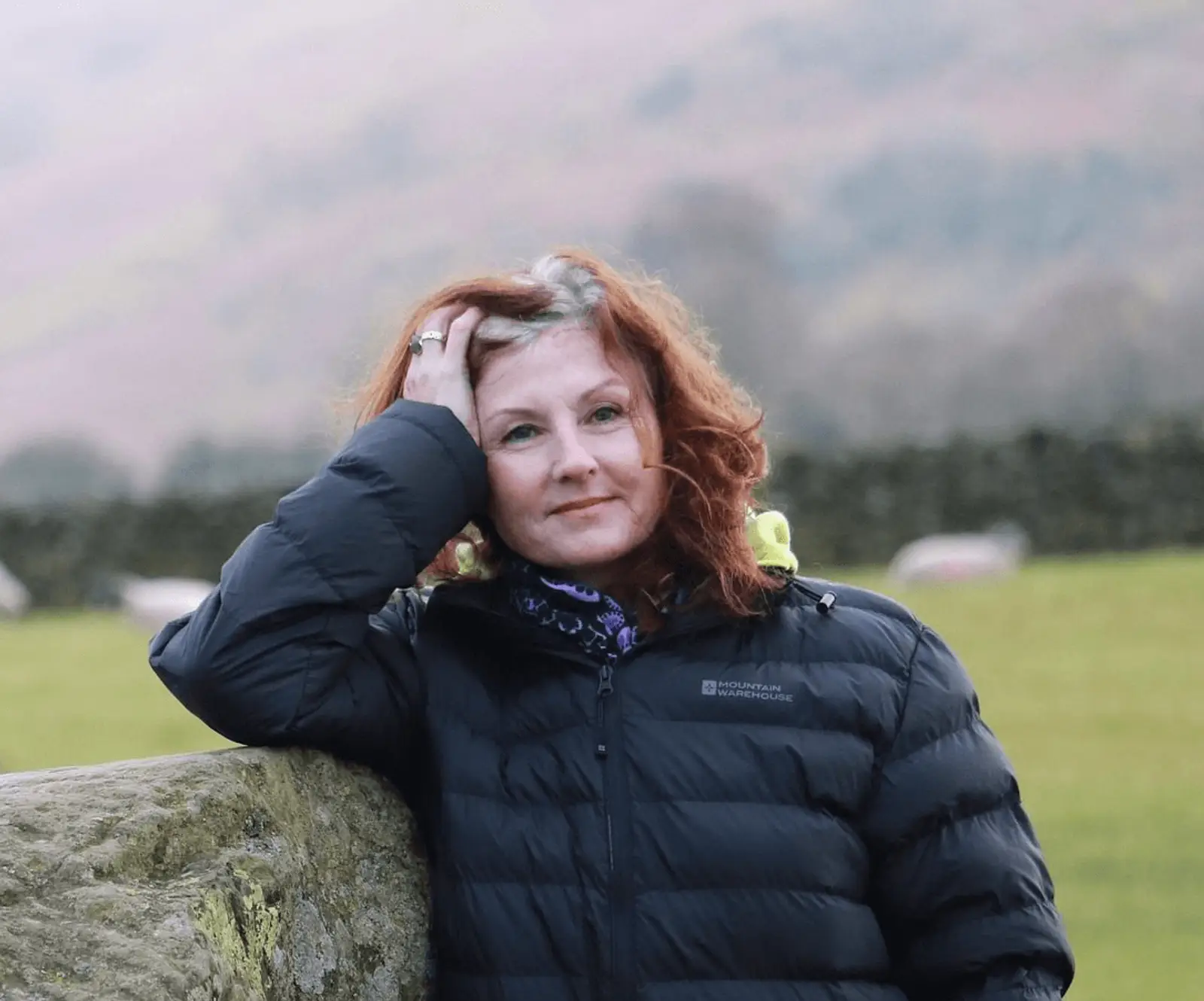
Sue’s mother spent part of her youth as a codebreaker at Bletchley Park during the war. Food is one of the few things she still has complete say over, so her live-in carers Catherine and Josephine make a point of cooking dishes to tempt her. They also share her faith, and know exactly when to encourage her and when to give her space.
"It's a remarkable job they are doing, and they do it wonderfully," Sue says.
Elder is an introductory agency and therefore does not direct, control, monitor or oversee the ongoing delivery of care. This article is for general information only and is not a substitute for professional advice, which should be sought when appropriate.
Paola Labib | Editorial Contributor
Earl Estologa | Editorial Contributor

Earl Estologa | Editorial Contributor

Zenya Smith | Editorial Contributor
Paola Labib | Editorial Contributor
Zenya Smith | Editorial Contributor