
Dementia Care
Anosognosia: what it is and how to support someone who has it
Earl Estologa | Editorial Contributor
9-minute read | 07/10/2026


Caring for someone with dementia rarely lets up. Routines become more important, and even small changes can unsettle. The vigilance needed day to day builds up in a way that’s hard to explain to anyone who hasn’t done it. Dementia respite care exists for exactly this reason. It gives you a proper break, while your loved one stays safe, settled, and looked after by someone who understands dementia.
It isn’t a last resort, and it isn’t a sign you’re struggling to cope. Most family carers reach a point where they need to step back, even briefly. Dementia respite care is one of the most practical ways to do that without uprooting the person you look after.
This guide covers what makes dementia respite care different from general respite care, the options available, how to arrange it, and how families typically fund it.
Respite care means a short break for the main carer, with someone else stepping in. For dementia, three things matter more than they would otherwise.
A carer comes to your loved one's home, so they stay surrounded by their own things. This tends to be the least disruptive option for someone with dementia, since nothing about their physical environment changes. It can mean a few hours of company, shorter visits through visiting care, or live-in care for a few days or more.
Some families choose a short stay in a care home instead, particularly if your loved one has more complex medical needs alongside dementia. A new environment can be harder for someone with dementia to settle into. That's why it's often worth trying in-home respite first. Our guide to live-in care or care homes explains the differences.
A day centre can work well for lighter support. It gives your loved one social contact and structured activities, while you take a few hours back.
If you plan a day out together, check the venue's access policy first. National Trust and English Heritage both give a carer or companion completely free entry. Your loved one still pays their own admission.
Some councils and charities offer Shared Lives, where your loved one stays with an approved carer in their home. Others run group respite holidays with trained staff or volunteers. Ask your council what's available locally.
Carer burnout can slowly build up, so it’s easy to miss the point where a break stops being a nice idea and becomes something you actually need. Watch out for:
None of this means you’re failing. It means the caring role has reached the point where support helps both of you, not just you.
Arranging dementia respite care with Elder follows the same three steps as any placement.
Respite bookings through Elder start as little as three days, with live-in respite from £684 and a full week from £1,595. If something comes up suddenly, Elder can often arrange emergency respite care within 24 hours.
Elder introduces self-employed carers to families in many parts of Great Britain, including London and Edinburgh, so you can arrange dementia respite care near you. For more areas we cover, visit our locations page.
Cost also depends heavily on which type of care you choose, not just the length of the booking. As a rough guide, hourly visiting care tends to run cheaper per session, but it adds up over a full day. Day centres charge per day rather than per hour. Overnight cover costs more if the carer needs to stay awake rather than sleep. Our guide to the cost of care explains the different rates in more detail.
Cost shouldn’t be the reason a family carer doesn’t take a break. A few routes are worth exploring before you assume you’ll have to pay the full amount yourself.
Ask your local authority for a care needs assessment for your loved one, and a separate carer’s assessment for yourself. Both are free, and either can lead to funded support, including respite.
This benefit pays your loved one if they need help with care or supervision because of their dementia and they're over State Pension age. It isn't means-tested, and they can put it towards the cost of respite.
If you provide 35 or more hours of care a week, you may be entitled to Carer’s Allowance. If you don’t meet the hours or earnings threshold, Carer’s Credit can still protect your National Insurance record. Read more in Elder’s guide to Carer’s Allowance eligibility.
If your loved one’s needs are primarily health related rather than social, they may qualify for full NHS funding. Eligibility criteria are strict, so it’s worth asking for an assessment rather than assuming it doesn’t apply. Our guide to NHS Continuing Healthcare explains how the application works.
If other funding doesn't cover everything, charities may be able to help. Carers Trust gives grants to unpaid carers through its local network partners, and a grant can go towards a break. Your local carers service can tell you whether you can apply. The free Turn2us grants search shows which other funds you could apply for.
For the full breakdown, including current price ranges, see Elder’s guides to the cost of respite care and paying for dementia care.
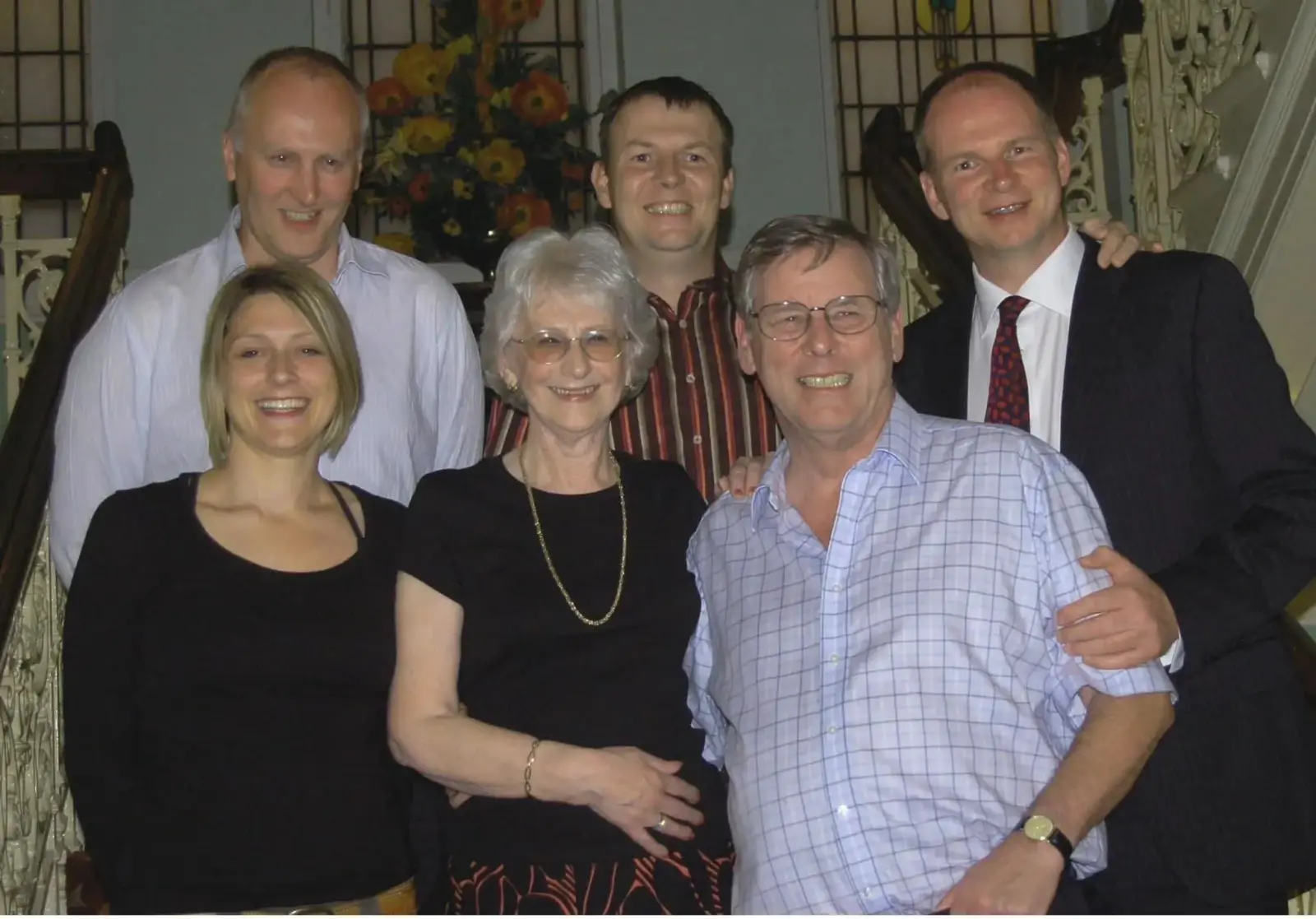
Kenn and Nicole wanted their parents, Jean and John, to stay safe and comfortable in their own home. Dementia care specialists advised against moving their mother into a care home. So the family chose live-in care instead. Having a carer in the house changed how the whole family felt.
"It's just like a sense of relief really that you've got, you know, someone's here, they're gonna be OK."
The house also stayed the family home. The grandchildren still visit, just as they always did. They don't have to go to a care facility.grandchildren s Elder's online calendar helps the family see who's caring and when. Kenn and Nicole describe the system as easy to use and seamless. Their story shows why familiar surroundings matter for someone with dementia.
Read Kenn and Nicole's full story
Every family's experience of dementia is different, and it's normal to feel worn down when you care for someone you love. Constant routines and vigilance can leave you tired, worried and on edge. That's a common reaction, not a sign you're doing anything wrong. Taking a break doesn't change how much you care. Your loved one may also feel unsettled by change, or not want to talk about it.
If you're wondering whether a short break would help, or what support your loved one needs day to day, our care advisors are happy to talk through your options, whatever stage you're at.
0333 920 3648Elder is an introductory agency and therefore does not direct, control, monitor or oversee the ongoing delivery of care. This article is for general information only and is not a substitute for professional advice, which should be sought when appropriate.
Earl Estologa | Editorial Contributor

Zenya Smith | Editorial Contributor
Zenya Smith | Editorial Contributor

Earl Estologa | Editorial Contributor

Zenya Smith | Editorial Contributor

Zenya Smith | Editorial Contributor