
Dementia Care
Delirium vs dementia: What’s the difference?
Paola Labib | Editorial Contributor
12-minute read | 25/11/2026

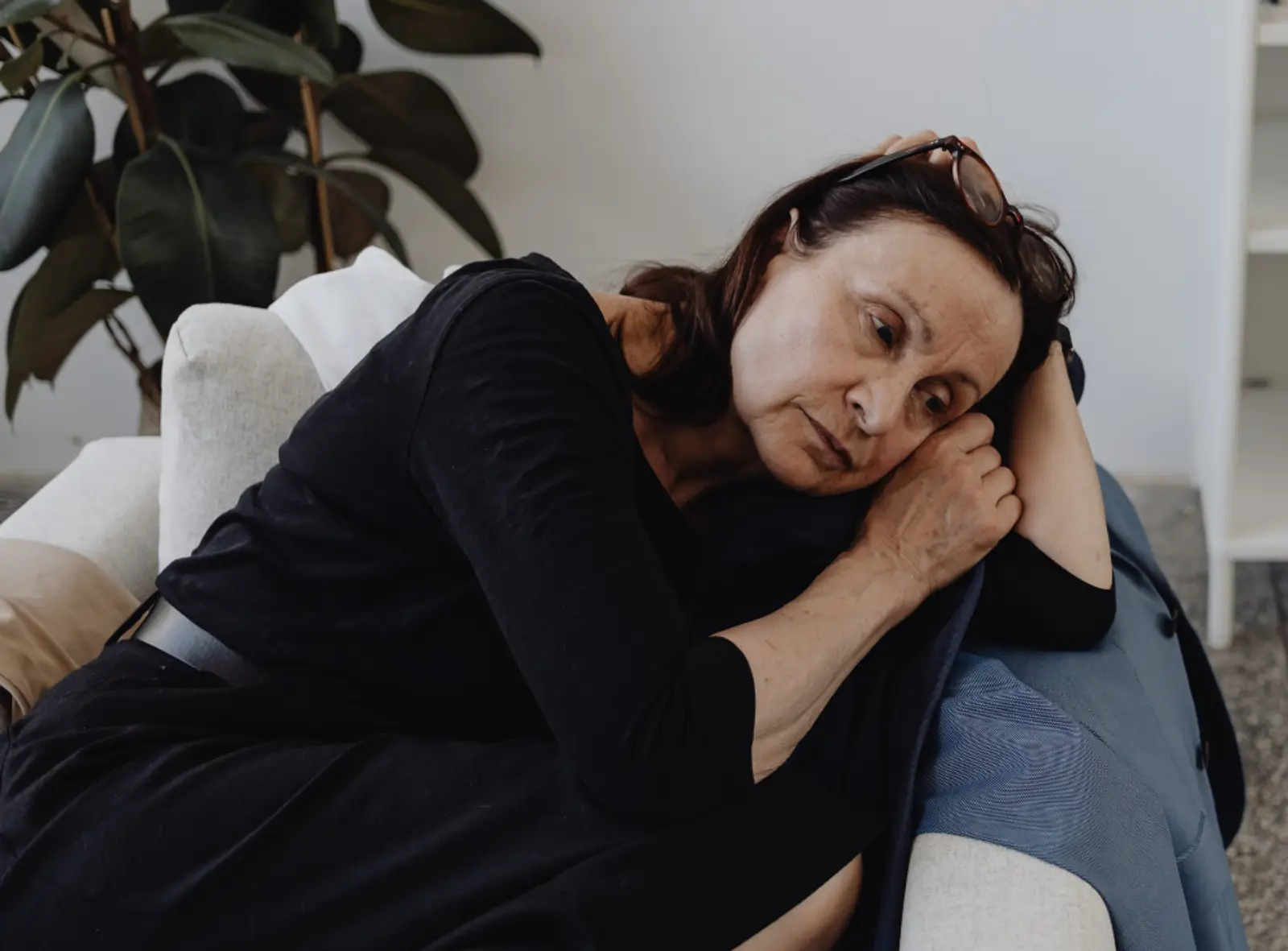
Depression and dementia can look alike, especially in older people. Both can cause forgetfulness, trouble concentrating and a loss of interest in life, so it’s easy to mix them up. They’re different conditions. Knowing the difference matters because doctors can treat depression, and memory and concentration often improve once mood lifts. Dementia is progressive, and early support helps your loved one live well.
This guide explains how depression and dementia differ, why they overlap and when to get medical help. It also covers how to support your loved one at home.
The quickest way to tell them apart is to look at how the changes started and what they affect most. Then see whether a prompt helps your loved one remember.
| Key difference | Depression | Dementia | |
|---|---|---|---|
How it starts | Over weeks or a few months | Gradually, over months or years | |
Main problem | Trouble concentrating, low energy and low motivation | Trouble remembering recent events | |
Memory | May say “I don’t know”, but often remembers with a prompt | Often forgets recent events and may try to hide the gaps | |
Time, place and words | Usually knows the date and where they are, and speaks clearly | May lose track of time or place and struggle to find words | |
Treatment | Doctors can treat it, and memory and concentration often improve as mood lifts | No cure for most types, but support helps someone live well | |
What to do | If your loved one’s low mood lasts more than a couple of weeks, speak to a GP | Book a GP appointment to talk about their memory |
Source: Harvard Health, the Royal College of Psychiatrists and the NHS.
There’s one important overlap. Depression and dementia often happen together, and the Alzheimer’s Society explains that depression is common in people living with dementia. For some people, depression is also an early sign of dementia. It's still worth seeing a GP, even when the signs seem to point one way.
Depression is more than feeling sad. Most people feel low from time to time, but depression lasts for weeks or months and gets in the way of everyday life. It affects the way a person thinks and feels.
Depression is common in later life, but it isn’t a normal part of getting older. Long-term health problems, loneliness and grief can all raise the risk, as can conditions such as dementia and Parkinson’s disease.
If your loved one has depression, they might:
Older people often show depression differently. They may feel more agitated and worry more about their health. They also tend to have more physical symptoms, such as aches and pains.
Low mood that lasts more than a couple of weeks, or starts to affect daily life, is worth raising with a GP.
Dementia is an umbrella term for symptoms caused by brain diseases, such as Alzheimer’s disease. Over time, these changes affect memory, thinking and daily life, according to the NHS.
The decline is slow, building over months or years. Reminders don’t usually help. Someone with depression may remember with a nudge, but with dementia the memory often doesn’t come back. And unlike depression, it doesn’t lift when mood improves.
Our guide to the early signs of dementia lists what to look for. Our advice on living well with dementia shows how to keep daily life comfortable.
Yes, and it’s common. The Royal College of Psychiatrists estimates that around three in ten people living with dementia also have depression.
Depression often appears in the early stages of dementia, but it can develop at any stage. Some people feel low because of how dementia is changing their life. Others have changes in the parts of the brain that affect mood. Depression is more common in some types, such as vascular dementia.
When the two happen together, depression can make memory and thinking worse. It can also cause agitation, poor sleep or a refusal to eat. That can look like dementia getting worse, so tell the GP about any change in mood.
Sometimes a person with dementia seems low for another reason. They might feel bored, lonely or understimulated. Meaningful activities and company often help.
Adjusting to a diagnosis is hard, and it can bring deep sadness or worry. Our guide to dealing with a dementia diagnosis may help you and your loved one.
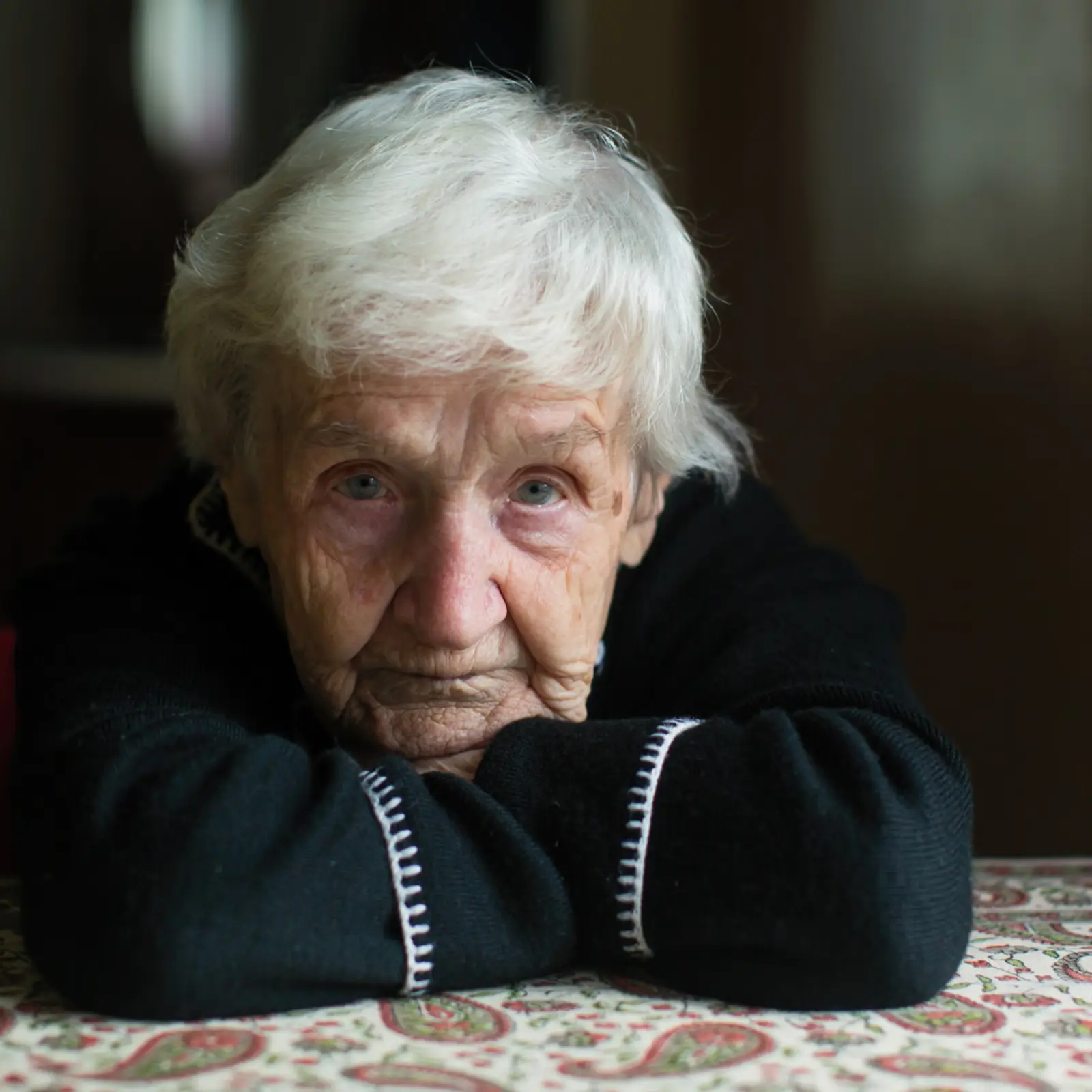
The two conditions share several symptoms. Both can cause forgetfulness, trouble concentrating and withdrawal from other people. The Royal College of Psychiatrists notes that memory problems from depression can look like dementia, and the other way round..
People also overlook the signs. Some assume that tiredness, loneliness or low mood come with getting older. They don’t. Depression isn’t a normal part of ageing, and older people deserve the same help as anyone else.
Grief can add to the confusion. Losing a partner or close friend often changes sleep and appetite, and it can lead to withdrawal. The Alzheimer’s Society explains that grief isn’t normally classed as depression, but it can make someone more vulnerable to it.
You may come across the term pseudodementia online. Doctors sometimes use it when depression causes memory and thinking problems in someone who doesn’t have dementia. This can show up as forgetfulness, slow movement and low motivation, with or without obvious sadness.
The memory problems feel real to your loved one. They usually ease once doctors treat the depression. As mood improves, energy, concentration and thinking often return to what they were before.
Research suggests it does. According to the Alzheimer’s Society, depression raises a person’s risk of developing dementia. A review that combined 27 studies linked it to roughly double the risk, although the results varied a lot between studies. That doesn’t mean depression leads to dementia.
Treatment may make a difference. A large study followed more than 46,000 people with depression. Those who had medication, therapy or both had a lower risk of dementia than those who had none.
Book a GP appointment if your loved one’s low mood lasts more than a couple of weeks, or if their memory problems are getting worse. Don’t wait to see whether it passes. Depression is treatable, and an assessment can give you answers. Our guide to the tests for the early signs of dementia explains what to expect.
If your loved one’s confusion started suddenly, over hours or a couple of days, get medical advice the same day. It could be delirium, which needs urgent attention. Our guide to delirium vs dementia explains the signs.
You know your loved one’s usual self, so what you share makes a real difference. It helps to tell the GP:
The GP will ask about mood, sleep, appetite and memory. They may use a short questionnaire and check for physical causes, such as an infection, a medicine side effect or a thyroid problem. If memory problems continue, they may refer your loved one to a memory clinic.
Some people with depression have thoughts of ending their life. Depression should always be taken seriously. According to the Alzheimer’s Society, dementia also raises the risk of suicide, particularly in the first few months after a diagnosis.
If your loved one talks about wanting to die, or you fear they may harm themselves, get help straight away. Call 999 or go to A&E if you think they’re in immediate danger. You can also speak to their GP the same day or call NHS 111 for advice. The NHS also explains where to get urgent help for mental health. If you need to talk to someone yourself, the Samaritans offer free support on 116 123.
Yes. Doctors can treat depression at any age. The Royal College of Psychiatrists says older adults often benefit from talking therapies even more than younger people do.
The right treatment depends on how severe the depression is. Options include:
If your loved one has dementia, treatment is often harder. According to the Alzheimer’s Society, antidepressants don’t seem to work as well for people with dementia, and talking therapies work best in the early to middle stages. Improving quality of life matters just as much. That means support that fits their personality, activities they enjoy, company, and help with loneliness or pain.
Always check with the GP before your loved one starts, stops or changes any medicine.
Small, regular habits add up. A simple daily rhythm can help your loved one feel more like themselves. It might look like this:
A calm home helps as well. Reducing clutter and improving lighting can ease everyday frustration, as part of a dementia-friendly home environment.
Supporting someone with low mood or memory loss is tiring. It’s common for carers to feel anxious or low themselves. Take regular breaks, talk to your own GP and ask other people for help.
Respite care for dementia gives you time to rest. Our guide to caring for a parent with dementia covers more on looking after your own wellbeing.
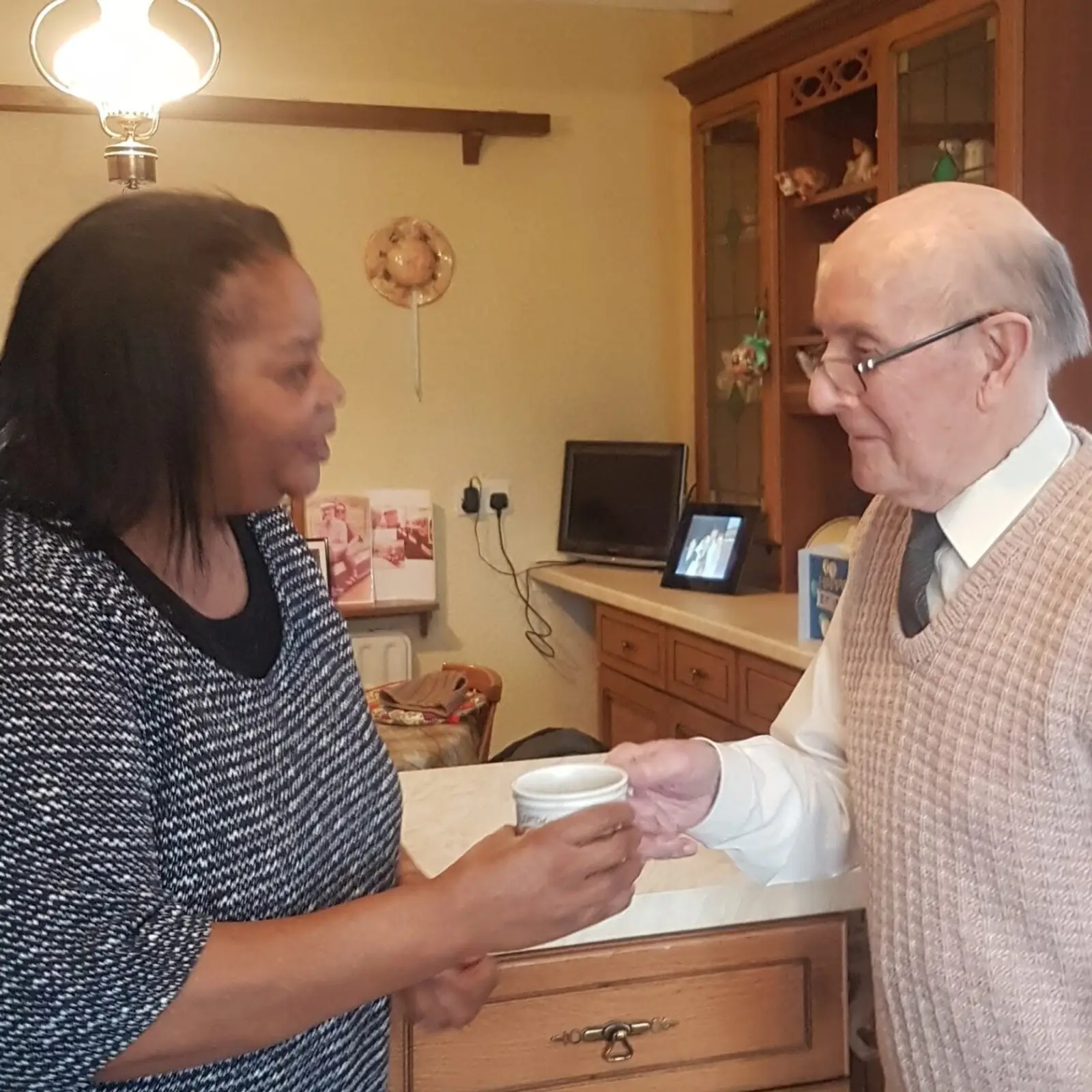
Linda’s dad, Raymond, was 90 and living with dementia when she shared her story. Linda first noticed he was becoming forgetful. Over time, he left the front door unlocked overnight, stopped eating properly and sat up in the kitchen all night.
Linda’s family decided Raymond needed someone at home day and night. She spoke to a Care Advisor, who sent over three carer profiles to choose from. The family chose a carer and care started in January 2021.
Raymond kept his independence and his sense of fun. Linda says he “sings old cockney songs like Knee Up Mother Brown to Florence”, his carer, the same ones he sang to Linda and her brother when they were children.
Low mood that lasts is a reason to see a GP, and so are memory problems that slowly get worse. Both deserve a proper look.
With live-in care, a self-employed carer lives with your loved one and offers one-to-one support at home. They can’t diagnose depression or dementia, but they can offer company, encourage daily routines and share what they notice with you. If your loved one has dementia, dementia care at home can help them stay in familiar surroundings.
You don’t have to work it out alone. Our Care Advisors can talk you through your options and help you find a self-employed carer who suits your loved one’s needs.
0333 920 3648Elder is an introductory agency and therefore does not direct, control, monitor or oversee the ongoing delivery of care. This article is for general information only and is not a substitute for professional advice, which should be sought when appropriate.
Paola Labib | Editorial Contributor

Earl Estologa | Editorial Contributor

Paola Labib | Editorial Contributor

Earl Estologa | Editorial Contributor

Inna Oleksiienko | Editorial Contributor

Earl Estologa | Editorial Contributor