Living Well
Elderly mental health – what support is available?
Earl Estologa | Editorial Contributor
12-minute read | 02/11/2026


Scammers target older people deliberately, and they’re getting better at it. Research found that nearly three in five older people say they’ve been targeted by financial fraud. 17% of those, around 1.9 million people, actually fell victim. Only three in ten don’t report it, often out of embarrassment, so the real figure is likely higher still.
Older people who live alone, have a smaller support network, or feel less confident with technology are more likely to mistake a scammer's approach for genuine help. That's not a reflection on them. It's a reflection on how convincing scams have become.
This guide covers the scams your older parents are most likely to come across. This includes the ones that spike every November and December around Black Friday and Christmas shopping. We'll cover how to spot them, what to do if a parent has already been caught out, and where to get help.
Scammers aren't choosing older people at random. Several things make later life a more attractive target.
None of this means an older person is careless or an easy target. It means the people doing this are organised, and they practise.
Scammers use several channels to get hold of personal and financial information. Here are the ones to watch for.
A caller claims to be from a bank, a well-known company, or a government department, and asks for personal details. Common versions include:
Phishing emails use logos and branding copied from real companies to look convincing. They usually push for urgency, warning that the recipient will lose money or face a fee unless they click a link straight away.
A scammer builds an online relationship, often over weeks or months, before asking for money. A common request is help with a medical bill or the cost of travelling to finally meet in person. These scams prey specifically on loneliness, which is why they can be so hard to spot from the outside.
Letters claiming a lottery win, offering advice from a "clairvoyant", or inviting someone into a Ponzi scheme. These are often written to look official and personal.
Most door-to-door sellers are genuine, including charities that use third-party sales companies. The difference is pressure. A genuine caller won't mind waiting outside while your parent checks their identity. They should call the company directly, using a number from the company's own website rather than one the caller provides. Any purchase from a legitimate company over £42 comes with a 14-day cooling-off period by law.
A scammer offers a "low-risk" investment with guaranteed returns. Pension versions promise access to more than the usual 25% tax-free lump sum, or access before age 55, for a fee. The investment usually doesn't exist, and the scammer becomes evasive the moment questions get specific. Genuine financial advisers never use high-pressure tactics to rush a decision.
Innocent-looking quizzes that ask for a birth month, a pet's name, or the name of a first street are collecting the exact answers used for security questions elsewhere. A holiday photo posted in real time can also tell a burglar that a house is empty.
These impersonate a trusted brand to steal personal details or get someone to download something harmful. We'll cover the delivery and subscription versions of this in detail in the Black Friday section below, since they spike sharply every November.
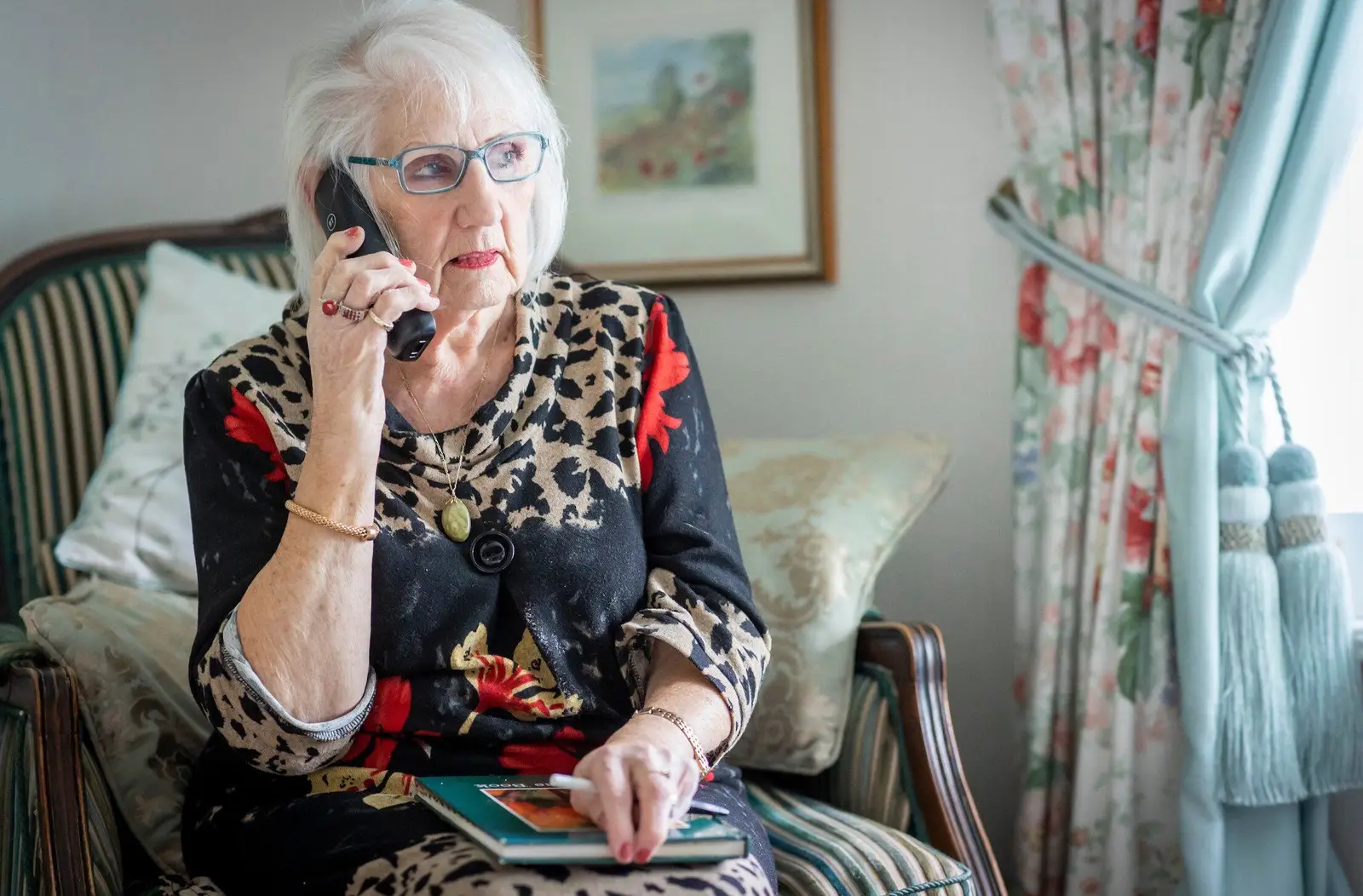
Black Friday and the weeks around it are now the busiest time of year for online shopping fraud in the UK. Figures show more than 16,000 reports of online shopping fraud during a single recent festive shopping period. The National Cyber Security Centre (NCSC) has repeatedly warned that scam activity spikes sharply in the run-up to Black Friday. Older people are a particular target. A flood of genuine delivery texts and discount emails makes it easier for a fake one to slip through unnoticed.
A text claims a parcel couldn't be delivered, or that extra postage is needed, with a link to "resolve" it. These often impersonate Amazon, Royal Mail or another major courier, since a flood of genuine texts from these senders makes a fake one easy to miss. The link leads to a fake payment page designed to steal card details. These messages spike hard around Black Friday, simply because so many genuine deliveries are happening at the same time.
What to look out for:
The genuine advice is simple: don't click the link. Go directly to the courier's own app or website to check a delivery, and forward anything suspicious to 7726, the UK's free scam text reporting service.
A caller claims to be from Amazon, saying a Prime subscription has renewed at an inflated price. They offer to "cancel" it for a fee, or ask for remote access to a computer to process a refund. Amazon will never call out of the blue asking for payment details or remote access. The number of people searching online for help with this exact scam has grown, which says a lot about how often it's happening.
If your loved one gets a call like this, the safest response is to hang up. Check the account by logging in directly through the Amazon app or website, never through a link or number the caller provides.
Online shopping scams often start with a fake site or a social media ad copying a real retailer’s branding. These offer deep discounts on popular items from electronics to toys. Some take payment and send nothing at all. Others send poor-quality counterfeits.
Before buying from an unfamiliar site, it's worth checking for a few things:
The NCSC's own guidance on shopping online securely covers this in more depth and is worth sharing with your parents who shop online often. If you’re doing your own Christmas shopping for them, Elder’s guide to Christmas gift ideas for older parents has safer ways to spot a genuine Black Friday deal.
Scams are getting more convincing, but most still share the same tell-tale signs.
Scammers rely on calls and messages you weren’t expecting. If your parent isn't expecting contact, treat it with caution, even if it claims to come from somewhere familiar. Even if a call seems genuine, the safest move is to hang up and call back on a number you’ve found yourself. Call them back using a number saved independently, not one given during the call.
A genuine caller or visitor won't mind waiting while your parent checks their identity through the company's official number.
A real bank will never ask someone to confirm a full PIN or password over the phone.
Spelling mistakes, a blurry logo, or a sender email that's a personal address rather than a company one are all warning signs. So is a link that doesn't match the official website, or one missing "https" at the start.
Scammers want a decision before there's time to think it through. A genuine company will never pressure your parent into acting immediately.
If your mum or dad has clicked a link, shared card details, or sent money, acting quickly makes a real difference.
A few practical steps make a real difference, and none of them need to feel intrusive.
If a parent lives with dementia or another condition affecting memory or judgement, these conversations are worth having with extra care and patience. They may not always remember what's been agreed.
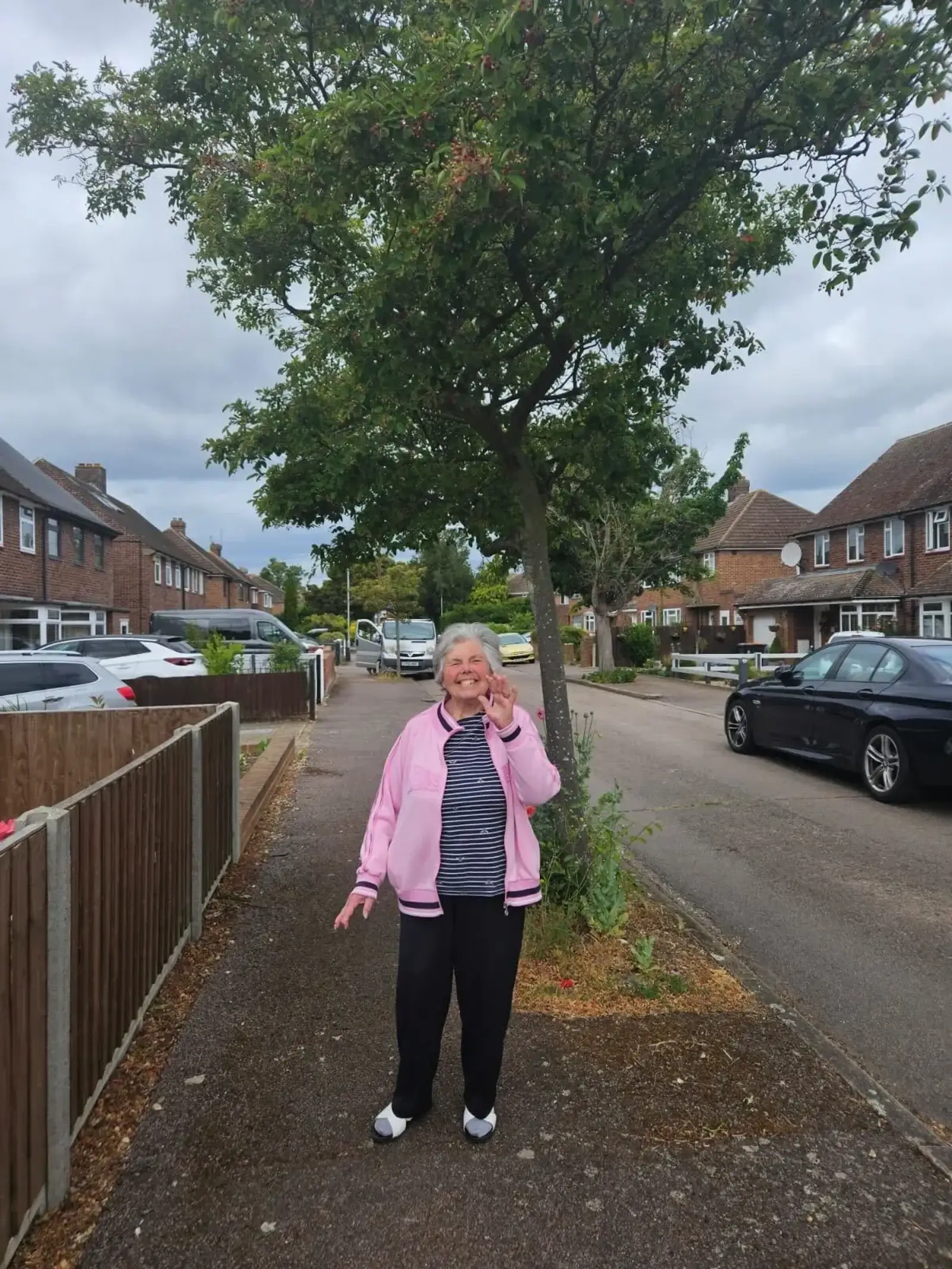
Sharon arranged home care for her mum, Sheila, from 130 miles away. She’d spent years worrying about her mum being on her own, and that stress didn’t ease until the carer actually started. Just knowing someone was there with Sheila each day was enough to lift it.
“It gave me peace of mind,” Sharon says.
Isolation is one of the biggest risk factors for falling victim to a scam, and a live-in carer can make a genuine difference here. As well as offering companionship, a carer can:
If you’re thinking about whether a carer could help keep a parent safe, our Care Advisors are happy to talk through your options.
0333 920 3648Elder is an introductory agency and therefore does not direct, control, monitor or oversee the ongoing delivery of care. This article is for general information only and is not a substitute for professional advice, which should be sought when appropriate.
Earl Estologa | Editorial Contributor
Zenya Smith | Editorial Contributor

Paola Labib | Editorial Contributor

Zenya Smith | Editorial Contributor

Mark Acheson | Editorial Contributor

Zenya Smith | Editorial Contributor