Living Well
20 Halloween safety tips for older people
Zenya Smith | Editorial Contributor
8-minute read | 23/06/2026


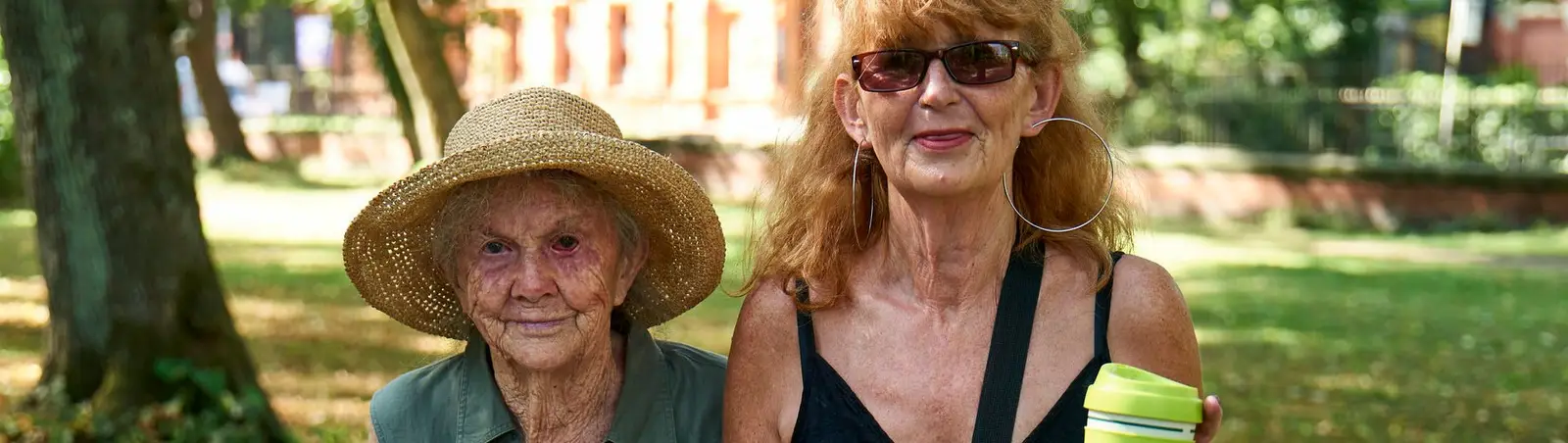
Older people can be more susceptible to dehydration – especially those living with dementia or limited mobility. As a carer or family member, making sure they drink enough is one of the most important things you can do.
It's important to spot dehydration early – symptoms can range from dark urine and dizziness to confusion and a weak pulse in more serious cases. For a full guide to recognising the signs and knowing when to call for help, read our article on dehydration in older people.
Help your loved one choose loose-fitting, breathable clothing in hot weather. Fabrics like uncoated cotton and linen allow air to circulate and sweat to evaporate. While many people reach for light-coloured clothes in the heat, the fit and fabric matter more than the colour. A wide-brimmed hat will help protect the head, face and ears from the sun.
Someone living with dementia may not realise how hot it is and could dress for a cooler day out of habit. It's worth checking their outfit before they head out, and gently encouraging a change if needed.
Check that your loved one's sunglasses bear the CE mark or the British Standard BS EN ISO 12312-1, UV400 label – these provide the most protection from UV rays. It's worth checking this before the summer months rather than on the day.
Most homes in the UK aren't built for extreme heat, and few have air conditioning. Close windows, blinds and curtains in rooms that face the sun during the day, and open them again in the cooler evenings. If the bedroom gets too hot, consider setting up a temporary bed in a cooler part of the house.
Electronics generate heat, so turning off unnecessary lights and appliances can help. Placing a frozen water bottle in front of a fan can also act as a DIY air conditioner.
If your loved one takes medication that affects fluid intake or causes more frequent urination, speak to their GP about how to manage this during hot weather. Some medications also make skin more sensitive to the sun.
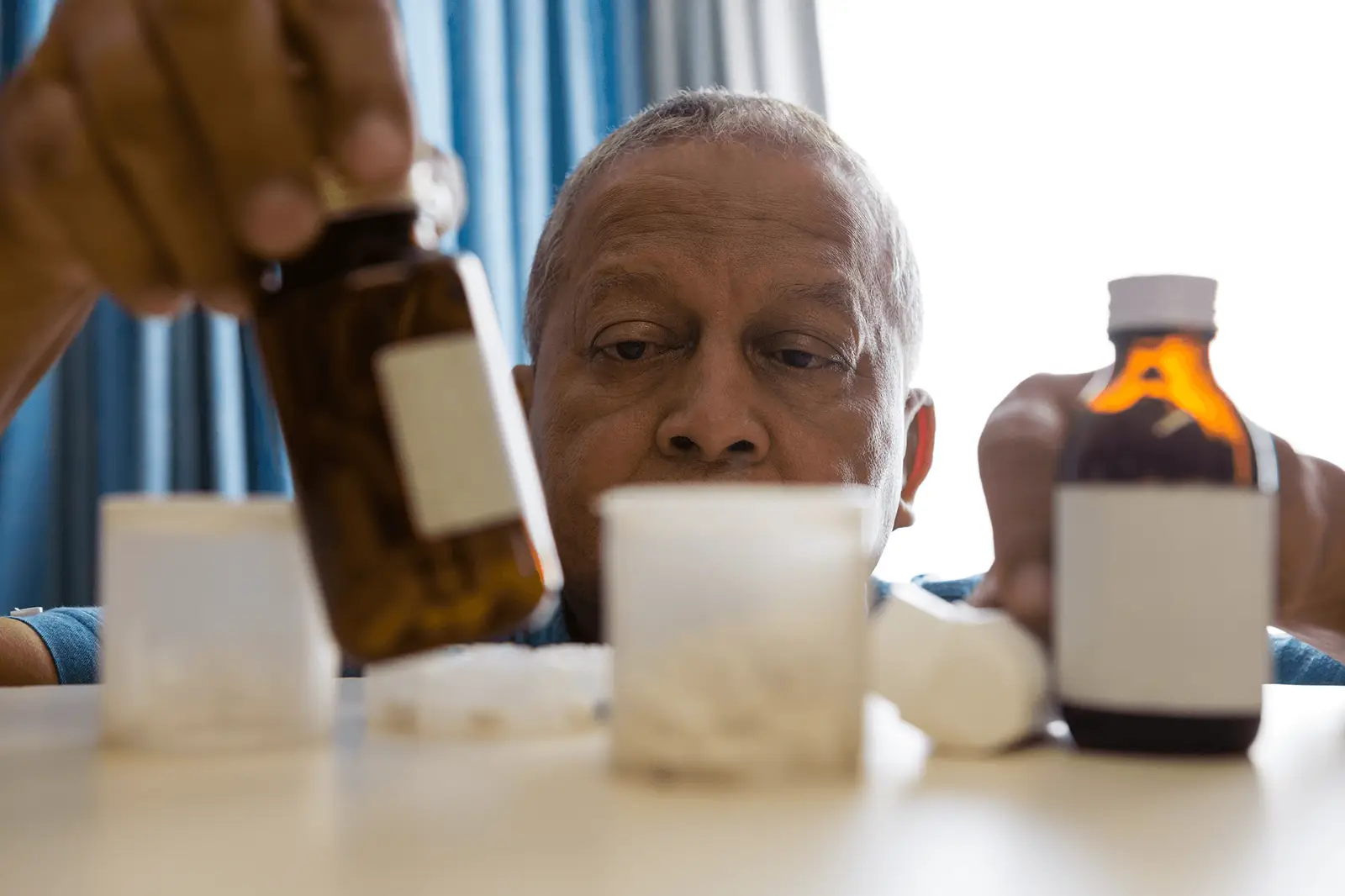
Make sure there's enough medication to last through any extended hot spell – this avoids unnecessary trips out in the heat. Most medicines should be stored below 25°C, in a cool, dry place away from direct sunlight. Check that they haven't been left on a sunny windowsill or in a room that gets particularly warm. If you're concerned a medicine may have been stored at the wrong temperature, contact the GP.
Warm weather increases the risk of harmful bacteria if food isn't stored or prepared correctly. Clean kitchen surfaces regularly, make sure hands are washed for at least 20 seconds before handling food, and check that fridges and freezers are set to the right temperature.
If you're planning a picnic or barbecue, avoid leaving food out for more than a couple of hours. A cool box with ice packs is useful if you're outside for a while. If food has been sitting in a hot car, refrigerate it within an hour.
Make sure your loved one uses a sunscreen with an SPF of at least 30 and at least 4-star UVA protection. Apply it before they head outside – even for short trips or when sitting by a sunny window – and reapply every two hours, or more frequently if they've been sweating or swimming. The NHS sunscreen and sun safety page has further guidance.
Older skin can be more fragile and sensitive. A gentle, unscented moisturiser used daily can help prevent dryness and keep skin comfortable.
Heatwaves can come on quickly, so check the forecast regularly and plan ahead. Try to schedule any outdoor activities or appointments for the early morning or evening, and avoid being out between 11am and 3pm when the sun is at its strongest.
If your loved one lives with asthma or breathing difficulties, check air pollution forecasts too. Make sure they have any inhalers or medication to hand before heading out on high-pollution days.
A bath or shower in cool water (not cold) can help regulate body temperature, and may help calm a loved one living with dementia if they're becoming agitated by the heat. A cold, damp face cloth is a quick and easy way to cool the face and neck. If you have a fan, placing a frozen water bottle in front of it can boost the cooling effect significantly.
Bites can cause discomfort and itching, which is particularly problematic for older people with more fragile skin. Help your loved one cover up with loose clothing when they're outside, and apply an insect repellent (check the expiry date first). Try to avoid going out between dusk and dawn when mosquitoes are most active, and steer clear of areas with standing water such as ponds.
Heat exhaustion and heatstroke can be serious. It's important to know the difference.
Signs of heat exhaustion to watch for include:
If you notice any of these symptoms, the NHS recommends moving your loved one to a cool place, removing unnecessary clothing, rehydrating with cool water, and cooling the skin. If symptoms don't improve within 30 minutes, call 111.
Heatstroke is more serious than heat exhaustion. Signs include confusion, a very high temperature (40°C or above), not sweating despite being very hot, and loss of consciousness. Heatstroke is a medical emergency – call 999 immediately.
Make a point of checking in on your loved one during hot weather – by phone, video call, or in person. An offer to help with a food shop, close stiff windows, or simply sit with them at home can make a real difference. If you don't live nearby, ask a friend, neighbour or carer to pop in and make sure they're comfortable.
If you're worried about your loved one coping in hot weather – or at any time of year – self-employed carers introduced through Elder can provide dedicated, one-to-one support at home. A carer can help with hydration, meals, medication, and keeping the home cool, giving you peace of mind whatever the weather.
Find out more about live-in care with Elder, or get in touch to talk through your options.
Find a carer0333 920 3648Sources
Elder is an introductory agency and therefore does not direct, control, monitor or oversee the ongoing delivery of care. This article is for general information only and is not a substitute for professional advice, which should be sought when appropriate.
Zenya Smith | Editorial Contributor
Zenya Smith | Editorial Contributor
Mark Acheson | Editorial Contributor
Zenya Smith | Editorial Contributor

Zenya Smith | Editorial Contributor
Zenya Smith | Editorial Contributor