Elderly Care
Eight things to do with your elderly parents in Eastbourne
Earl Estologa | Editorial Contributor
8-minute read | 31/07/2026

Often called the Garden of England, Kent earned its nickname from the orchards and hop fields that roll across its countryside, but it's just as well known for its dramatic coastline and historic towns. If your parents are receiving live-in care in Kent and need a change of scene, it's an easy county to explore together.
Here are eight ideas for a day out with your parents in Kent, plus practical tips on accessibility and planning ahead.
A place of worship for more than 1,400 years, Canterbury Cathedral is one of England's oldest churches and one of the most significant religious sites in Britain, tied to both the murder of Thomas Becket and Chaucer's Canterbury Tales. For those of a religious background, attending a service and exploring the building afterwards can make for a lovely afternoon, and for anyone living with dementia, familiar hymns and prayers can bring real comfort.
A lift by the Dean's Steps gives step-free access to the Quire, and a ramp leads into the Crypt from the north door. An accessible toilet sits near the Visitor Centre, and a small number of wheelchairs are available to borrow for free. The Trinity Chapel at the top of the Quire is the only area not reachable by wheelchair, though a touch-screen display at wheelchair height covers what's inside. See the Canterbury Cathedral's access statement before you go, since many of the building's original steps are old and uneven. for a lovely afternoon out. For those receiving dementia care, the sound of familiar hymns and prayers can offer great comfort and bring back happy memories.
This medieval fortress has exhibitions spanning the Roman occupation through to the Cold War, making it a good pick for anyone interested in history.
Wheelchair access covers Arthur's Hall, the Stone Hut, the regimental museum, and the WWI gun emplacement, and a small number of mobility scooters can be booked in advance by emailing the site directly. Blue Badge parking sits close to the Great Tower, though its upper floors aren't accessible, and wheelchairs and scooters aren't permitted in the Underground Hospital. See English Heritage's access guide for full detail.
Winston Churchill's former home offers a glimpse into his life and family, with the house still decorated much as it was in the 1930s and gardens that make for a pleasant stroll.
The house can welcome two wheelchairs at a time, one on each floor, since the top floor is stairs-only, and a manual wheelchair can be borrowed from the Visitor Centre if booked ahead. The garden has some steep slopes and steps, so mobility scooters aren't recommended there, but a part-time accessible shuttle can take visitors between the car park and the house. See accessibility at Chartwell for more information.
For something different from castles and museums, this converted cinema in Margate is now a popular indoor market and community hub, with local produce, food stalls, and what's said to be the smallest pub in England. Wheelchair and pram access is available at the side of the building, though some of the upper exhibition space isn't reachable by wheelchair.
Once home to Henry VIII and Catherine of Aragon, Leeds Castle has a long history as a Norman fortress and a royal residence, and its grounds are filled with artefacts spanning several centuries, making it a good option on a less favourable-weather day.
A free mobility bus runs regularly from the car park to within about 100 metres of the entrance, and wheelchairs can be borrowed for free, subject to availability, while mobility scooters can be hired at the main entrance. The Black Swan Ferry crosses the Great Water and can carry up to three wheelchairs. See Leeds Castle's accessibility page for full detail.
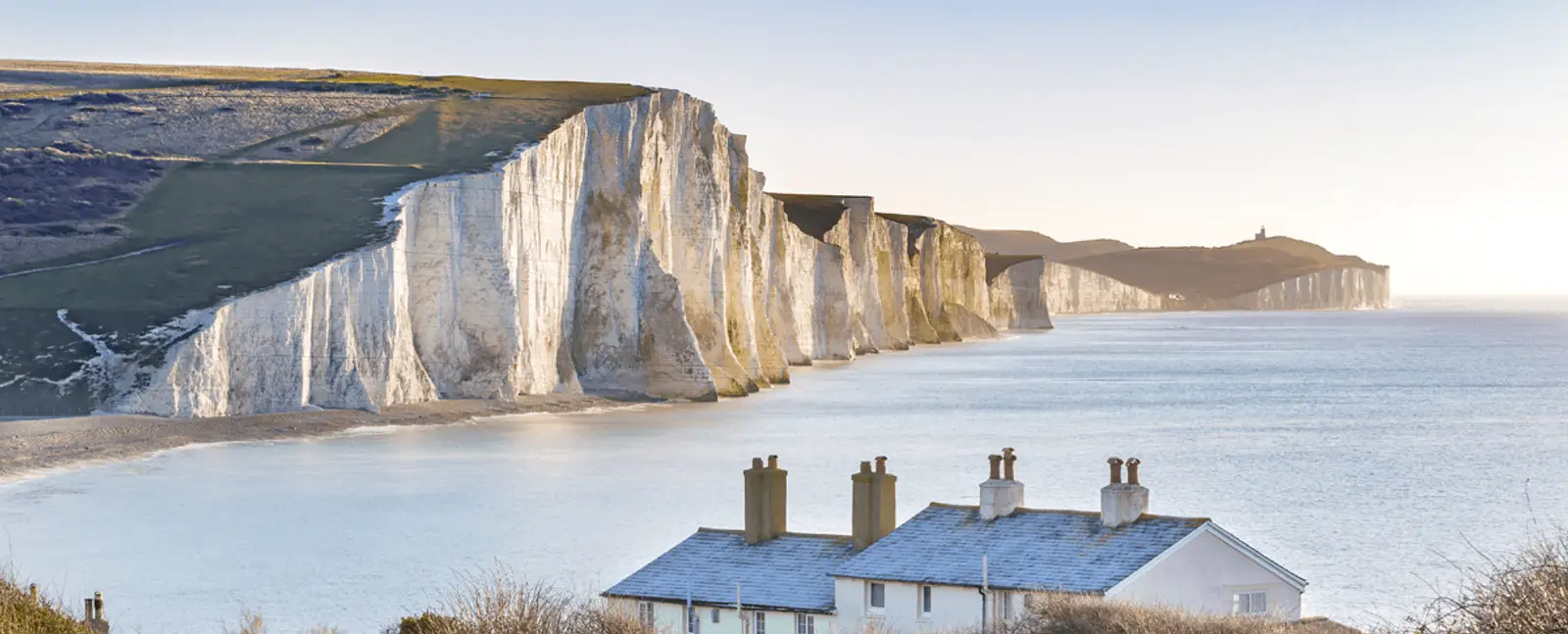
For anyone who lived through the war, the sight of the White Cliffs can be a moving one. The National Trust's visitor centre has step-free access and an accessible toilet, and an accessible path runs 400 metres from the centre to a viewing point, with rest stops and seating along the way. The terrain can be tough going for a self-propelled wheelchair, though.
The car park has around 20 accessible bays across its tiered levels. See the White Cliffs’ accessibility guide before you go.
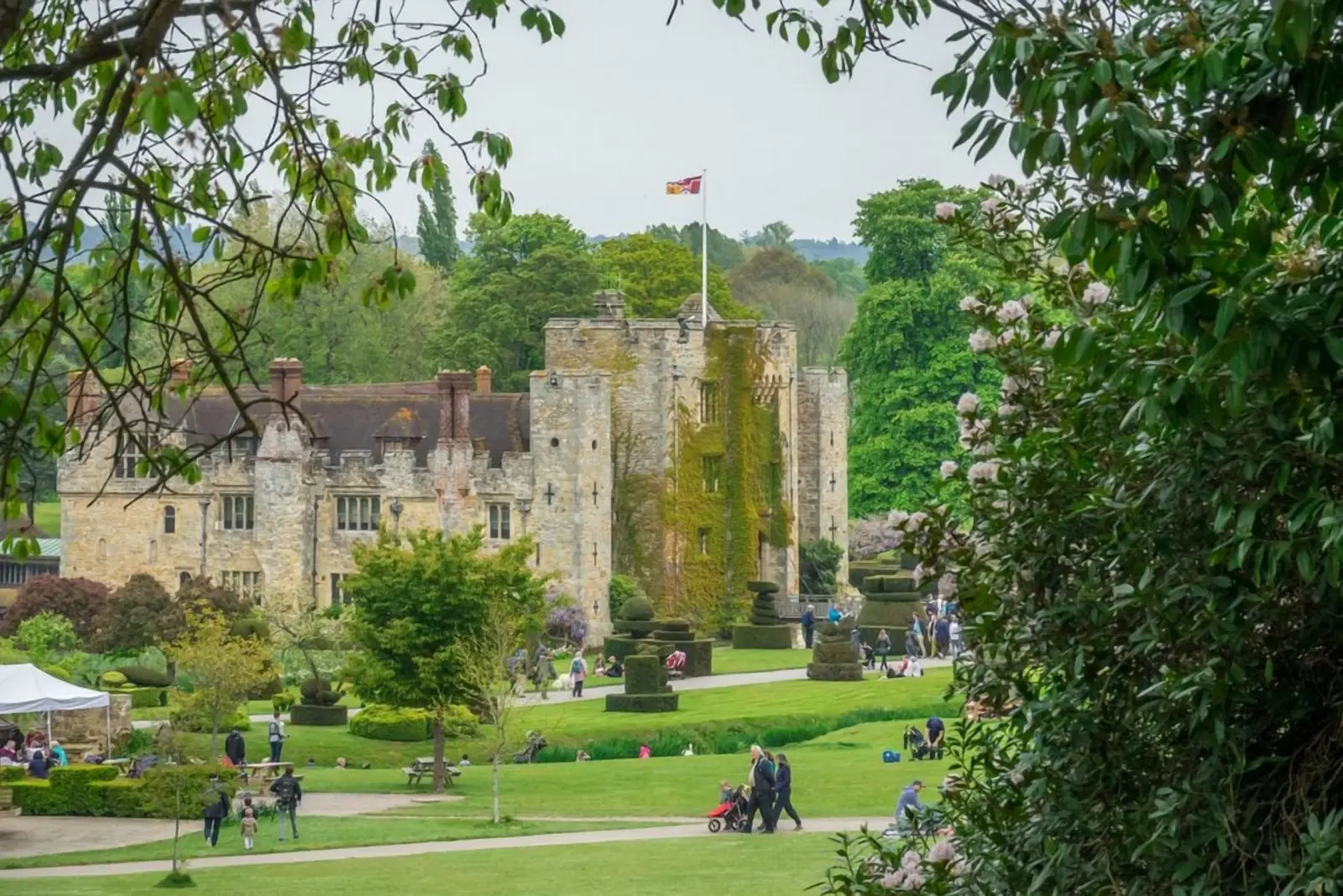
The childhood home of Anne Boleyn, Hever Castle is full of tapestries and treasures spanning 700 years of history, with gardens well worth a stroll afterwards. The ground floor is the only level suitable for wheelchair use, since motorised wheelchairs and scooters aren't permitted inside the castle itself, but a golf buggy can take less mobile visitors from the entrance to the castle and back.
Manual wheelchairs are available to hire with a refundable deposit, and an accompanying carer is admitted free of charge. See Hever Castle's accessibility page for full detail.
Near Ashford, this working farm makes for a relaxed afternoon, especially if grandchildren are joining too, with farm animals, birds of prey displays, and a restaurant and picnic area.
The restaurant, play areas and main farm are level access, and a fully accessible tractor trailer ride can now carry one wheelchair user alongside family and friends. Access to the more remote woodland areas is more difficult, particularly when the ground is wet.
Did you know?

Sue's mother spent part of her youth as a codebreaker at Bletchley Park during the war. Now in her 90s, she's found comfort and companionship with her live-in carers Catherine and Josephine, who share her faith and know exactly when to encourage her and when to give her space.
"It's a remarkable job they are doing, and they do it wonderfully," Sue says.
Even if your parents or another loved one has additional needs, such as difficulty walking or memory problems, a great day out in Kent is still very much possible. If they normally have live-in care in Kent or another home care arrangement, it's often worth bringing their regular carer along, since they already know your parent's needs and routine.
Alternatively, a day out could be a good moment for your usual carer to take a short break, with temporary respite care arranged to cover the gap.
If your loved one needs specialist dementia care, it's worth planning with a bit more care: someone living with dementia can become disorientated quickly in a busy, unfamiliar place, so if they usually need 24/7 support at home, arrange cover for the trip too.
Keep the itinerary light so you don't tire your parents out, while leaving plenty to see and enjoy.
We've put together similar guides for other days out with your parents closer to home:
If you have a loved one who needs 24/7 support, get in touch with our care advisors to talk through your situation and arrange a free care appraisal. Elder can arrange live-in care across London and the rest of Great Britain.
0333 920 3648Elder is an introductory agency and therefore does not direct, control, monitor or oversee the ongoing delivery of care. This article is for general information only and is not a substitute for professional advice, which should be sought when appropriate.
Earl Estologa | Editorial Contributor

Earl Estologa | Editorial Contributor
Earl Estologa | Editorial Contributor

Earl Estologa | Editorial Contributor
Earl Estologa | Editorial Contributor

Earl Estologa | Editorial Contributor