
Elderly Care
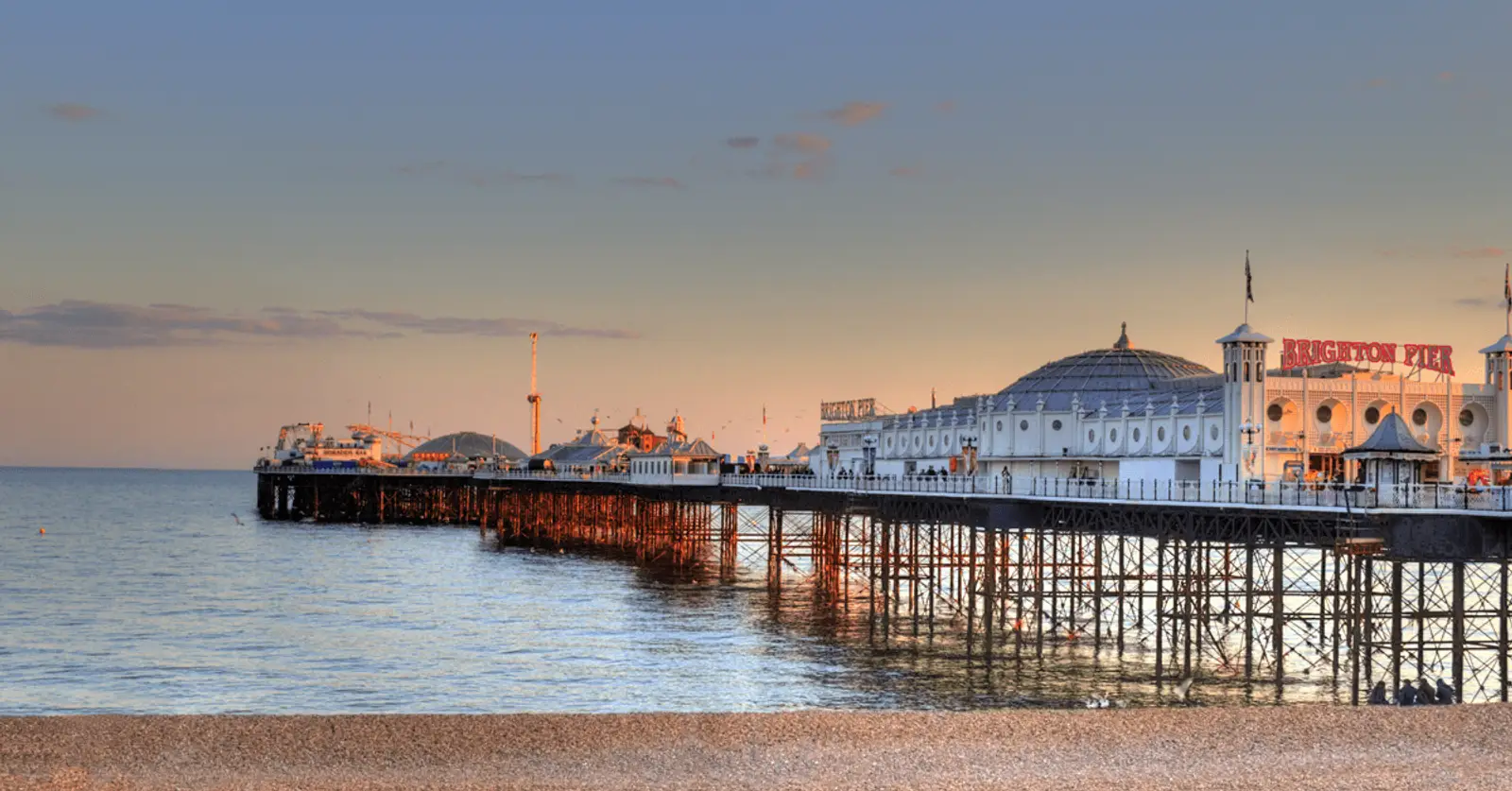
Eight things to do with your elderly parents in Eastbourne
Earl Estologa | Editorial Contributor
8-minute read | 08/07/2026


London has a reputation for being busy, and sometimes a little unfriendly, but it has plenty to offer people of all ages and budgets. It's home to more than 90 free museums and 487 free attractions, alongside some of Europe's finest art galleries, award-winning restaurants and green spaces well beyond its famous landmarks on the Thames.
Here are eight ideas for a day out with your parents in London, plus practical tips on accessibility and planning ahead.
The Underground can be hard going for older travellers: the maze of walkways is disorientating, switching between lines is fiddly, and the trains get loud and crowded. A hop-on hop-off bus tour is a comfortable alternative, with several operators offering scenic routes past the capital's best-known sights.
If your parents have mobility problems, they can stay on the lower deck and still enjoy a full commentary. Most tours let you hop on and off freely, so you can explore anywhere that catches your eye — Toot Bus tours, for example, have more than 50 stops to choose from. Many operators also include a river cruise ticket, so it's worth checking for deals that combine both.
Greenwich is home to GMT, but there's far more to see than the meridian line. The Maritime Greenwich World Heritage Site makes a great budget day out: the Old Royal Naval College is a 600-year-old estate whose grounds have featured in Pirates of the Caribbean, The King's Speech and the BBC's Little Dorrit.
Inside, the Painted Hall (sometimes called the UK's "Sistine Chapel") is a highlight, and it's a five-minute walk to the National Maritime Museum and the Cutty Sark. Much of the site is step-free, with lifts throughout the museum and staff trained in disability awareness, and the Painted Hall takes part in the Alzheimer's Society's Dementia Friends initiative. Wheelchair access on the Cutty Sark is limited to three users at a time, so book ahead. When you need a break, The Old Brewery is a wheelchair-accessible pub within the grounds.
For a different perspective on the city, the London Eye is worth a visit if everyone has a good head for heights. Each capsule has central seating, but queues can be long, so book ahead and choose the Fast Track option to skip the line. You can also reserve a whole capsule with a private lounge beforehand, worth considering if your parents would prefer a quieter, more private experience.
Just off Oxford Street, the Wallace Collection is one of London's better-kept secrets: a free collection of fine and decorative art housed in Hertford House, once home to Sir Richard and Lady Wallace. After exploring the oil paintings, sculptures and armour spanning the 14th to 19th centuries, head to the café in the glazed courtyard for a cream tea or light lunch, or book a full afternoon tea if you'd like to make a day of it.
The building is historic but well adapted: there's step-free access throughout the ground floor, lifts to every other floor, and wheelchairs, magnifiers and torches available at the welcome desk.
St Paul's is a popular stop for anyone with an interest in art, history, architecture or religion, and its famous painted dome sits alongside more recent work by artists including Yoko Ono and Antony Gormley. Guided tours run daily, and interactive displays on the cathedral floor bring its history to life.
Use the South entrance for step-free access to a lift up to the main cathedral and down to the crypt, and check opening times before you go, since these vary by season and by any services taking place.
Your parents might enjoy exploring the underground rooms where Churchill planned Britain's WWII strategy. A lift takes you down from the street entrance at Birdcage Walk, and wheelchairs are available for anyone with mobility problems. The adjoining Churchill Museum rounds out the visit with more on his life and work.
Whatever you think of its brutalist architecture, the Barbican is unlike anywhere else in London. Built between 1965 and 1976 on land cleared during the war, it now houses over 2,000 homes alongside a major arts and culture venue that makes for an interesting day out at any age.
Start in the public areas overlooking the lakeside garden, then head into the Centre, where the ground floor hosts free exhibitions on themes ranging from London's history to the human experience. Upstairs, you'll find cinema screenings, talks, theatre and classical music (see what's on). The highlight for many visitors is the conservatory: a glass-roofed oasis of exotic plants, birds and pond life, free to enter but booking essential. It's multi-level, so access is limited in places for wheelchair users, though the rest of the Centre is well served by lifts and accessible toilets (see the full access guide).
On a fine day, Regent's Park and ZSL London Zoo make for a relaxed afternoon or full day out. The zoo has worked to make its 36 acres accessible to all needs and abilities, with ramped or level access to most buildings, and downloadable visual and sensory guides to help neurodivergent visitors prepare for their visit. A Penguin Pass helps you skip queues if standing for long periods is difficult (see accessibility information), and wheelchairs and mobility scooters can be booked in advance by email.

Joanne's mum, Patricia, has mild dementia, but with the right support, that hasn't stopped her enjoying life. Patricia's carer, Rose, makes a point of getting her out and about: they use Patricia's free bus pass to go on trips together, and Rose sends Joanne photos along the way.
Rose often takes Patricia back to the town where she used to live, which helps jog her memory and brings out stories from her past. Sometimes it's simpler: a trip to the local park, or an afternoon at a singing group where Patricia, nicknamed the "Dancing Diva," is always first on her feet.
"It's really reassuring to see Mum so happy," Joanne says. Read the full story of Joanne and Patricia's live-in care journey.
Even if your parents or another loved one has additional needs, such as difficulty walking or memory problems, a great day out in London is still very much possible. If they normally have live-in care or another home care arrangement, it's often worth bringing their regular carer along, since they already know your parent's needs and routine.
Alternatively, a trip to London could be a good moment for your usual carer to take a short break, with temporary respite care arranged to cover the gap.
If your loved one needs specialist dementia care, it's worth planning with a bit more care: someone living with dementia can become disorientated quickly in a busy, unfamiliar place, so if they usually need 24/7 support at home, arrange cover for the trip too.
When booking accommodation, check that the hotel or guesthouse suits your family's needs. If your loved one's room isn't on the ground floor, make sure there's a suitable lift, and pack any equipment they use for bathing or dressing.
Keep the itinerary light so you don't tire your parents out, while leaving plenty to see and enjoy.
We've put together similar guides for other days out with your parents closer to home:
If you have a loved one who needs 24/7 support, get in touch with our care advisors to talk through your situation and arrange a free care appraisal. Elder can arrange live-in care across London and the rest of Great Britain.
0333 920 3648Elder is an introductory agency and therefore does not direct, control, monitor or oversee the ongoing delivery of care. This article is for general information only and is not a substitute for professional advice, which should be sought when appropriate.
Earl Estologa | Editorial Contributor

Earl Estologa | Editorial Contributor
Earl Estologa | Editorial Contributor

Earl Estologa | Editorial Contributor

Earl Estologa | Editorial Contributor

Earl Estologa | Editorial Contributor