
Dementia Care
Dealing with a dementia diagnosis
Earl Estologa | Editorial Contributor
13-minute read | 12/10/2026

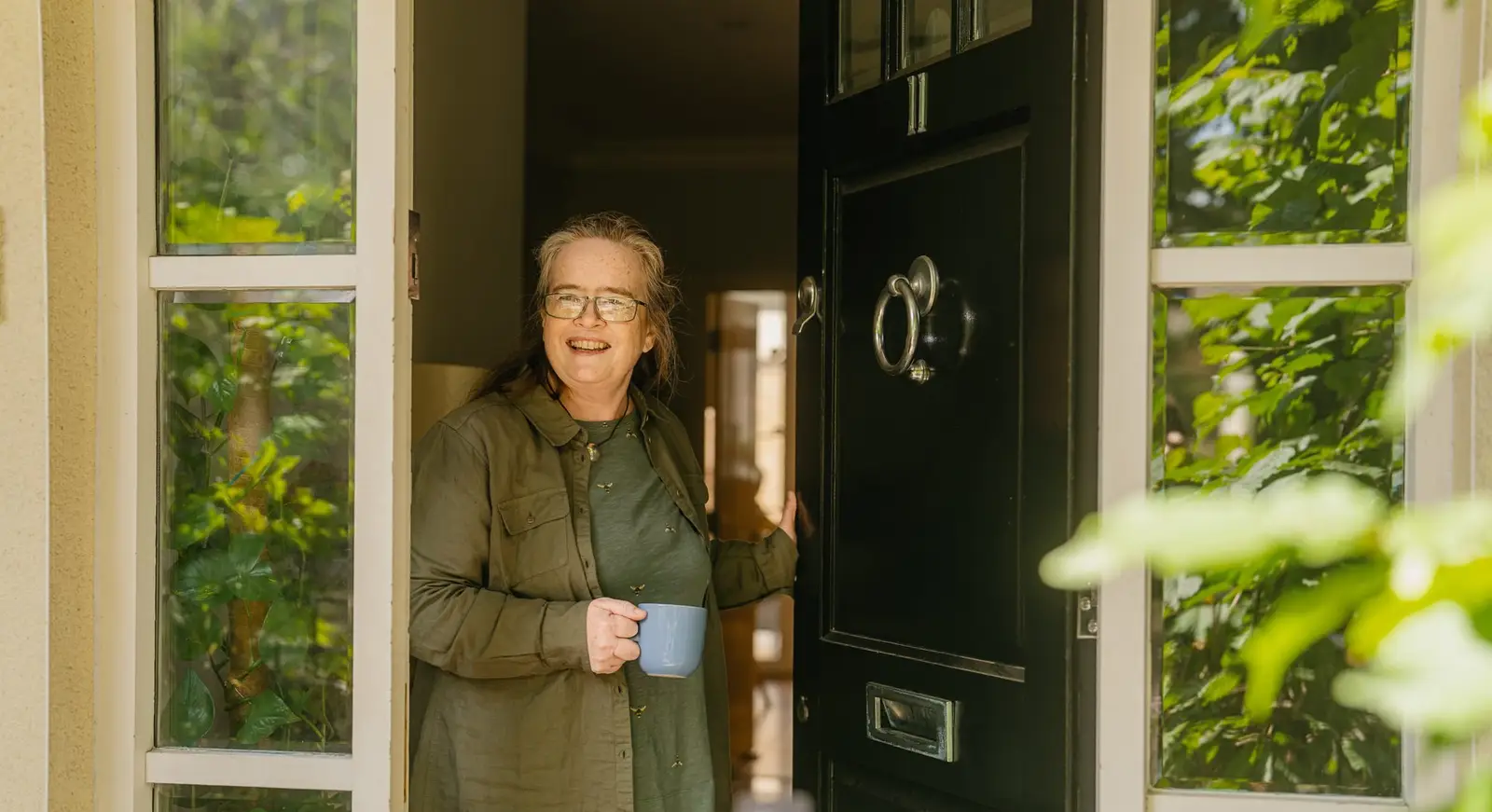
It's estimated that 982,000 people live with dementia in the UK, according to the Alzheimer's Society. There's no cure, but people find many ways to manage dementia and keep living independently. Our fast-paced world often makes that harder. Dementia clocks are one of the tools that make it a little easier.
Memory loss, confusion and difficulty processing information can make it hard to read a traditional analogue clock. This affects many people living with dementia.
Losing track of time this way causes real problems. Someone might miss a doctor's appointment, take medication at the wrong time, or find daily tasks harder. For family and friends, it causes worry too. A loved one might not turn up to a planned meeting, or they might leave the house at night thinking it's morning.
Dementia experts design dementia clocks to offer a simple solution for anyone who struggles to tell the time. They come in a wide range of types, so you can match the clock to the person and the stage of dementia they're living with.
As brain function declines, the parts of the brain used for telling the time stop working as well. Someone with dementia may look at a regular clock face and not remember how to read it, or what the numbers mean. Clock design adds to the difficulty too. Some clocks have confusing layouts, no numbers, or hands that are too close in colour to the clock face.
People with dementia can easily lose track of the time, month, or even season. So much of daily life depends on knowing the time. Without it, people can feel confused, anxious and angry, and it can affect their quality of life.
Drawing a clock face is one of the tests doctors use to check for the early signs of dementia. The test asks someone to draw a clock face on blank paper. They add the numbers in the right places, then draw the hands pointing to a specific time. Doctors look at details like how well someone draws the circle, how evenly they space the numbers, and whether the hands point to the correct time.
The clock test has an accuracy of between 59% and 85% for spotting early-stage dementia. It can't distinguish between different forms of dementia, though.
Dementia affects everyone differently, but a dementia clock is one practical way to make daily life easier, both for the person living with dementia and the people who support them. These specialist clocks range from simplified analogue clocks with large text and numbers, to talking button clocks, to alarm clocks with a large digital display.
A dementia clock helps someone feel more orientated in everyday life. It can display task reminders, give voice prompts, and clearly show the time of day. Some dementia clocks also let family members add their own notes and messages.
Keep in mind that a dementia clock needs to keep working reliably, especially once it becomes part of someone's daily routine or a source of comfort. Look for a clock with a battery backup, so it keeps working through a power cut.

Twice a year, the clocks change. For someone with dementia, that shift adds another layer of confusion on top of what's already hard to follow. A clock that's an hour out can throw off medication times, mealtimes and sleep right when routine matters most.
Several dementia clocks update themselves automatically when British Summer Time starts and ends. This includes radio-controlled models, and clocks with a built-in calendar, like the Relish Day Hub below. That means one less thing for a family to remember on the day the clocks go back. It’s also one less source of confusion for the person living with dementia. If you're choosing a clock now, it's worth checking whether it adjusts itself automatically. Otherwise, someone will need to reset it by hand every spring and autumn.
There are many types of specialist clocks for people living with dementia. The right choice depends on the stages of dementia someone is experiencing, and which symptoms affect them most.
These simplified clocks help people keep track of the day of the week, as well as the time of day. Some also show whether it's morning, afternoon or evening. They work well for people who feel disorientated when they can't tell day from night. Some day clocks have customisable alerts to help people complete certain tasks at the right time each day. This makes them a good choice for people struggling with memory.
Examples of dementia day clocks:
These clocks usually show the time, along with a background or illustration that shows whether it's day or night. This is often a sun and a blue sky during the day, and a black sky with stars at night. They can make good bedside clocks, and may help ease certain sundowning behaviours.
Examples of dementia day/night clocks:
These usually have a larger than average clock face, with bold, high-contrast numbers and hands that are easier to read and understand. They're easy to install throughout the house too, and often only need a couple of AA batteries.
Reading a traditional clock face can get harder as dementia progresses, so these clocks may not suit people with middle to late-stage dementia.
Example of an analogue wall clock:
These simple clocks have a large LED display that shows the time, and sometimes the day of the week and the date. Some digital clocks can also be programmed with reminders for tasks at certain times of day, such as taking medication. They often have custom alarm options too, like a personalised message recorded in a familiar voice. They suit people who struggle with their awareness of time and often miss appointments or events.
Examples of digital clocks:
A digital calendar clock usually shows the week, month, year and season. More elaborate clocks may also show the weather, which can help people who struggle with dressing for the right conditions in the morning. Since confusion is a key concern for people with dementia, these clocks usually show the current time prominently, with any extra information in smaller text. They suit people with dementia who believe they may be living in the past.
Examples of calendar clocks:
A talking clock tells the person the time or date out loud. They often take the form of a single large function button, which the user presses when they want to know the time. This makes them a popular choice for people living with poor vision too. Voice assistants like Alexa can also tell people the time and give them updates using voice commands.
Example of talking clocks:
Telling the time matters outside the home too. Dementia watches can help a person feel more confident about time and place when they're out and about.
Example of dementia watches:
Dementia clocks have become more popular in recent years, so you can easily buy them from several different retailers. This includes the charity Alzheimer's Society, and specialist sites like alzproducts.co.uk, both of which stock a wide range. Research the type of clock you need and read customer reviews. This will help you choose the most suitable clock for yourself or your loved one.
A dementia clock can make a real difference on its own, but it works even better alongside a steady daily routine. A live-in carer helps build exactly that kind of routine: regular mealtimes, a consistent bedtime, and gentle prompts through the day that reinforce what the clock is already showing.
A carer who lives in the home gets to know a person's habits, triggers and the things that bring them comfort, including how they respond to the clocks changing each year. They can also help keep an auto-adjusting clock set up correctly, change its batteries, or simply remind a loved one to check it. Our guide to live-in dementia care explains how this kind of day-to-day support works.

Sue arranged live-in care for her mum, who was living with Alzheimer's, so she could stay in the home she knew well. The consistency of a familiar routine, in a familiar place, made a real difference to her mum's happiness and sense of orientation.
"I was seeing my mum as my mum and not as a carer," Sue says.
For families worried about keeping a loved one settled and orientated at home, Sue's story shows how the right support can help.
How you can help with dementia symptoms depends on the individual. Focus on what the person still has, rather than what they've lost. Try to see things from their perspective, and notice what eases their stress.
Alongside practical strategies like dementia clocks and reminders, social strategies can ease symptoms too. These include socialising with friends or family, carrying on with usual hobbies, or joining new activity groups. Focus on the positives in everyday life too, using humour and still making time to spend together.
Sticking to a routine can help your loved one if they struggle with time, confusion or generally feeling disorientated. Prepare food at the same time each day, and keep washing times consistent too. This helps someone know what time of day it is, even without checking a clock.
When someone first receives a dementia diagnosis, they may not accept or understand it straight away, and they may resist help and support.
When you raise the idea of extra help, frame it around the benefit to both of you, or the whole family, rather than what they can no longer do themselves. Introduce support gradually too. If you want to arrange care at home, start by talking about it in general terms, and consider starting with a carer visiting for just a few hours a week.
Every family's experience of dementia is different, and it's normal to feel worn down when a loved one struggles with time, routine or daily life. That's a common reaction, not a sign you're doing anything wrong.
If you're wondering whether your loved one needs more support at home, our care advisors are happy to talk through your options, whatever stage you're at.
0333 920 3648Elder is an introductory agency and therefore does not direct, control, monitor or oversee the ongoing delivery of care. This article is for general information only and is not a substitute for professional advice, which should be sought when appropriate.
Earl Estologa | Editorial Contributor

Inna Oleksiienko | Editorial Contributor

Earl Estologa | Editorial Contributor

Earl Estologa | Editorial Contributor

Earl Estologa | Editorial Contributor

Zenya Smith | Editorial Contributor