Complex Care
Arthritis care
Zenya Smith | Editorial Contributor
9-minute read | 12/10/2026


Shingles is a painful condition, and it becomes more common, and more serious, as we get older. Around 1 in 4 people in the UK will get shingles at some point in their life, and the risk and severity both increase with age. The good news is that a free vaccine is available on the NHS to a wide range of older adults, and it genuinely reduces the risk.
This guide explains the first signs of shingles, and why older people are more vulnerable to it. It also covers the complications that matter most in later life, including postherpetic neuralgia. Finally, we cover who's eligible for the NHS shingles vaccine, and how a live-in carer can support your loved one if they do get shingles.
Shingles often starts before any rash appears. The first signs usually include:
A rash usually follows a few days later. It starts as red or dark blotches, turns into itchy, fluid-filled blisters, then dries out and scabs over, usually within 2 to 4 weeks. The rash almost always appears on just one side of the body, often the chest or back. It can also affect the face, eyes or genitals. A rash on both sides of the body is unlikely to be shingles.
Because an older person's immune system responds more slowly, the rash can sometimes cover a larger area, and the pain tends to be more intense. If your loved one shows any of these signs, contact a pharmacist or GP within 3 days, since early antiviral treatment makes a real difference to how quickly they recover.
Shingles isn't a new infection. It happens when the chickenpox virus, which stays dormant in the body for life after a childhood bout of chickenpox, reactivates in a nerve. The immune system normally keeps the dormant virus in check, but it weakens naturally with age, a process doctors call immunosenescence. That makes reactivation more likely the older someone gets.
The numbers reflect this clearly. Shingles becomes steadily more common from around age 50, and people over 75 are at noticeably higher risk than people in their 60s. Conditions or treatments that further weaken the immune system, such as chemotherapy, steroid medicines, or certain long-term illnesses, raise the risk again.
The shingles rash usually takes up to 4 weeks to heal fully. The skin can stay sore for weeks after the rash itself has gone, and it usually improves gradually over time.
In older adults, recovery tends to take longer than it does in younger people, and the risk of ongoing pain after the rash clears is higher. Starting antiviral treatment within 3 days of the rash appearing is the single biggest factor in a faster, more complete recovery, so don't wait to see a pharmacist or GP if you suspect shingles.
Most people recover from shingles without lasting problems, but the risk of complications rises with age. Postherpetic neuralgia, eye problems and, rarely, more serious infections are among those most likely to affect older adults, and most likely to hit harder when they do. For anyone with a severely weakened immune system, shingles can become serious quickly. It's worth treating it as something to act on promptly rather than wait it out.
Most people recover well, but a few complications are worth knowing about, especially for older adults.
Postherpetic neuralgia is the most common complication of shingles, and it's far more likely, and often more severe, the older someone is. It happens when shingles damages the nerves, leaving pain in the area where the rash was, even after the skin has healed.
Symptoms include aching, burning or sharp pain, skin that's painful to the lightest touch, and sometimes itching or numbness. It can be mild, but for some people it's severe enough to affect daily life. Around 14,000 people develop postherpetic neuralgia in the UK every year, and it's more common in people with other health conditions, such as diabetes.
Postherpetic neuralgia usually improves over time, but it can take anywhere from a few months to over a year. Getting treatment for shingles quickly, and having the vaccine in the first place, both reduce the risk of developing it.
If the rash develops near the eye, it needs urgent medical attention, since it can affect sight. Rarely, shingles can also lead to Ramsay Hunt syndrome, where it affects the nerve controlling one side of the face, causing weakness and sometimes hearing problems.
Any infection can bring on sudden confusion in an older or frail person, and shingles is no exception, particularly if your loved one is already living with dementia. In very rare cases, the shingles virus can cause inflammation of the brain, which needs urgent treatment. New or worsening confusion alongside shingles symptoms is a reason to get same-day medical advice rather than assume it's "just" the illness. Our guide to delirium vs dementia cover this pattern in more detail.
When to get urgent help
See a pharmacist within 3 days of the rash appearing if your loved one is otherwise well. Get an urgent GP appointment, or call NHS 111, if they:
The shingles vaccine used on the NHS is called Shingrix. It doesn't stop every case of shingles, but it lowers the risk considerably. If your loved one does get shingles after having it, their symptoms are usually much milder. Your loved one can have the vaccine even if they’ve had shingles before, since it's possible to get shingles more than once.
According to the NHS, a person is currently eligible for 2 doses of the vaccine if they:
For most people, the 2 doses are given 6 to 12 months apart. For people with a severely weakened immune system, the gap is shorter, usually 8 weeks to 6 months. Your GP surgery should contact you when you become eligible, but it's worth asking them directly if you think your loved one qualifies and hasn't heard anything.
Side effects are usually mild and settle within 2 or 3 days. They can include a sore arm, a headache, feeling tired, or a slightly raised temperature. A severe allergic reaction is very rare.
Shingles is painful and tiring, and the practical side of recovery can be a lot to manage alone, especially for someone who's already frail. A visiting carer can help with the day-to-day things that matter most: reminding your loved one to take their medication on time, helping keep the rash clean and covered, and noticing early if something doesn't seem right.
For someone who needs more constant reassurance, a live-in carer can help with washing and dressing when the skin is too sore to manage alone. They also provide company during the week or so when it's best to avoid contact with anyone who hasn't had chickenpox. Pain often disturbs sleep too, and overnight care can help someone feel safer and more settled through a difficult night. Keeping track of medication, including antivirals and pain relief, is also easier with the help of a dosette box.
If shingles complications mean a hospital stay, our guide to arranging care after a hospital discharge covers how to get the right support in place quickly.
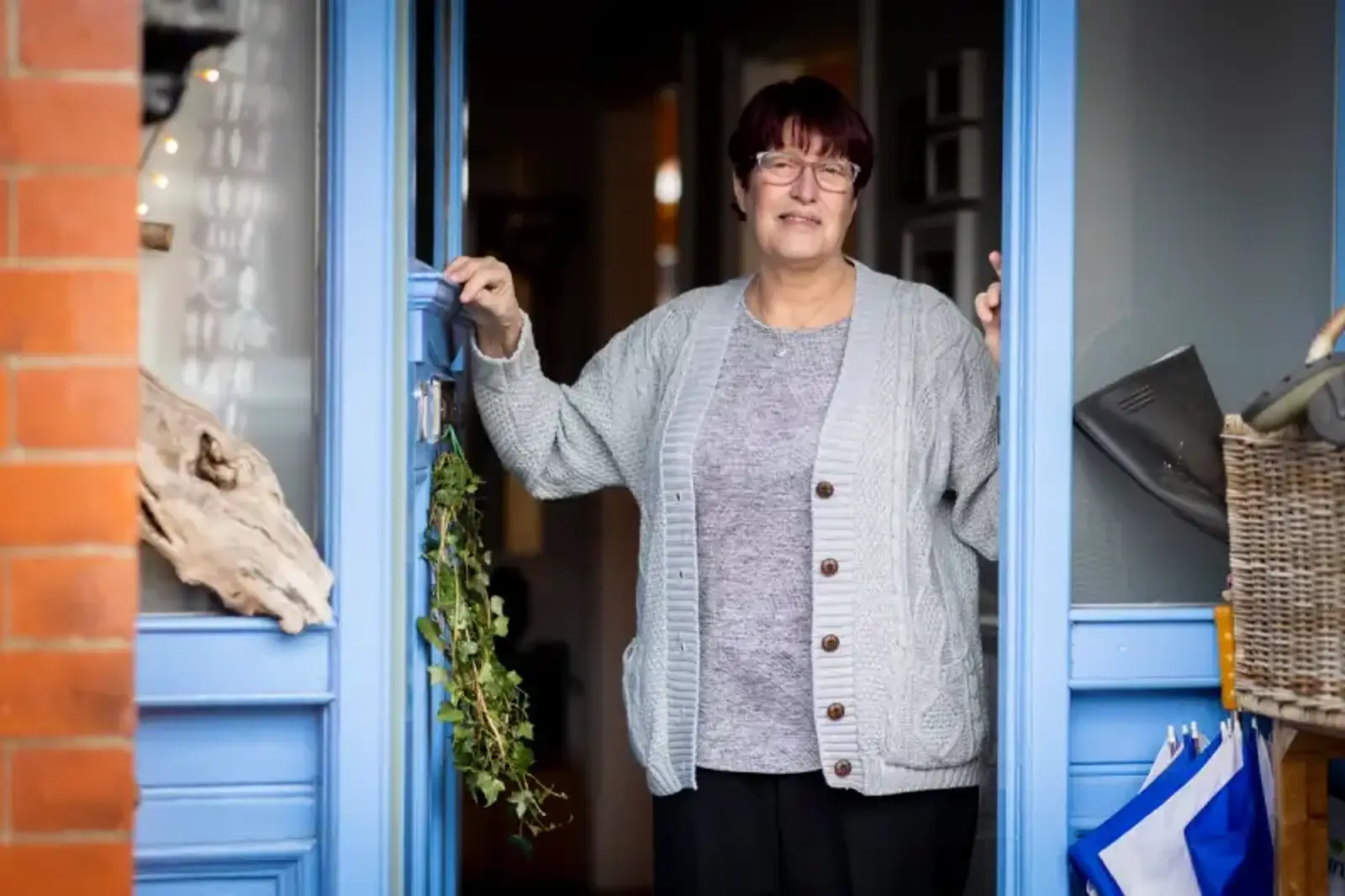
Penny's story isn't about shingles. Her mum came home from hospital after a stroke, while her dad was living with dementia and needed support of his own. It's a good example of the kind of practical, reassuring help a carer brings during any painful or exhausting recovery. That’s exactly what’s needed after a bad bout of shingles too.
Penny contacted Elder when her mum was discharged from hospital, and a carer arrived within 48 hours.
“She was so kind, thoughtful and very professional”, Penny says.
The carer got to know both of Penny’s parents individually, and gave her mum space to recover. She also took pressure off the whole family at a point when they badly needed it.
Watching a parent go through a painful illness is hard, especially if they live alone or you live far away. It's normal to worry, and normal to want to do more than you feel able to from a distance.
If you're wondering whether your loved one needs extra support while they recover, or longer term, our care advisors are happy to talk through your options.
0333 920 3648Elder is an introductory agency and therefore does not direct, control, monitor or oversee the ongoing delivery of care. This article is for general information only and is not a substitute for professional advice, which should be sought when appropriate.
Zenya Smith | Editorial Contributor

Zenya Smith | Editorial Contributor

Zenya Smith | Editorial Contributor

Zenya Smith | Editorial Contributor
Zenya Smith | Editorial Contributor
Zenya Smith | Editorial Contributor