

How can live-in care help an older person with cancer?
Discover how live-in care can support older people living with cancer.
Learn morePalliative care moves through five key stages, from the first care plan through to bereavement support afterwards. At Elder, we'll help you understand each step and arrange the right care for your loved one.
Find a carer0333 920 3648
The 5 stages of palliative care are:
Each stage is explained in more detail below.
Considering care for your loved one? See why families choose Elder for palliative care.

Palliative care supports people living with a life-limiting illness, focusing on comfort, symptom management, and quality of life rather than cure. It can begin at the point of diagnosis and continue for months or years, moving through five main stages as your loved one's needs change.
For a full explanation of what palliative care involves, see our guide to palliative care at home. If you're weighing it up against end-of-life care specifically, our guide to the end-of-life care vs palliative care explains the difference.
The first stage of palliative care involves creating a personalised care plan based on your loved one's diagnosis, current needs, and future preferences.
Questions to ask at stage 1:
Their GP, along with other healthcare professionals involved in their care, will help you identify the support your loved one needs now, and how it can adapt as their condition progresses.
This initial plan typically includes:
You may also want to start thinking about future decisions, like setting up a Lasting Power of Attorney, creating an advance decision, or writing a living will. There’s no pressure to make these choices straight away, but it can help to begin the conversation early.
An Advance Decision outlines if and when your loved one would want to refuse treatment or resuscitation, in case they are unable to communicate their wishes later. It’s an important part of their care plan, and their doctor can help them understand what it means for their future care.

The second palliative care stage is about emotional, psychological, and spiritual support – helping you and your loved one come to terms with what’s ahead.
Questions to ask at stage 2:
Your loved one may be offered counselling, access to peer support, or therapies like massage or music to ease stress. Their care team can also help with sensitive conversations about their wishes for the future.
This stage focuses on practical support to help your loved one stay comfortable, safe, and as independent as possible, particularly if they are receiving care at home.
Questions to ask at stage 3:
Their palliative care team may arrange support from visiting carers or community nurses and help your loved one access equipment like adjustable beds, grab rails, oxygen cylinders, or nebulisers.
If their home needs adapting, their local council may cover the cost of minor modifications under £1,000, regardless of their income. For more significant changes, such as installing walk-in showers, stairlifts, or widened doorways, your loved one may be eligible for a Disabled Facilities Grant of up to:
These changes aim to make their daily life easier, so they can continue to live well at home for as long as possible.
Find your ideal carer today
Finding the right carer starts with a few questions. If you need care urgently, or you'd just rather talk, one of our care advisors is on hand.
Stage 4 marks the transition into end-of-life care, when the focus shifts from managing a long-term condition to ensuring your loved one is as comfortable and supported as possible in the final weeks or months of life. There's no fixed point when this stage begins – it's usually a gradual shift that their palliative care team will guide you through.
Questions to ask at stage 4:
During this stage, care typically becomes more intensive. The palliative care team will focus on controlling pain and distressing symptoms, reducing unnecessary medical interventions, and making sure your loved one feels at ease physically, emotionally, and spiritually.
There are two main settings for end-of-life care, a hospice or at home:
If you haven't already, Stage 4 is the time to ensure key decisions are in place. A living will (also known as an advance decision) sets out when your loved one would want to refuse specific treatments, in case they're no longer able to communicate their wishes.
Their healthcare team or social worker can walk you through the process and make sure everything is legally documented and understood by everyone involved in their care.
This final stage of palliative care focuses on offering bereavement support to family members, friends, and carers, helping them navigate grief and begin to heal. Support is usually offered for up to 12 months, but the exact duration and type of help can vary depending on individual needs.
Questions to ask at stage 5:
Everyone processes grief differently, so their palliative care team will work to ensure support is tailored to your family, whether that’s counselling, group therapy, spiritual guidance, or practical advice. Services like Cruse Bereavement Support offer free grief counselling via phone or video call, and your loved one's GP can refer your family to local mental health services if needed.
There’s no definite point where palliative care should begin, however it’s generally considered that the earlier you seek support the better. Ultimately, it comes down to when your loved one is ready, or when they need additional support to manage a chronic illness.
While every illness is different, life-limiting conditions often share common symptoms such as fatigue, loss of appetite, mental health challenges, and pain. Having the support of professionals with the right palliative care skills can help your loved one find physical and emotional comfort, so that they can focus on spending meaningful time with their loved ones.
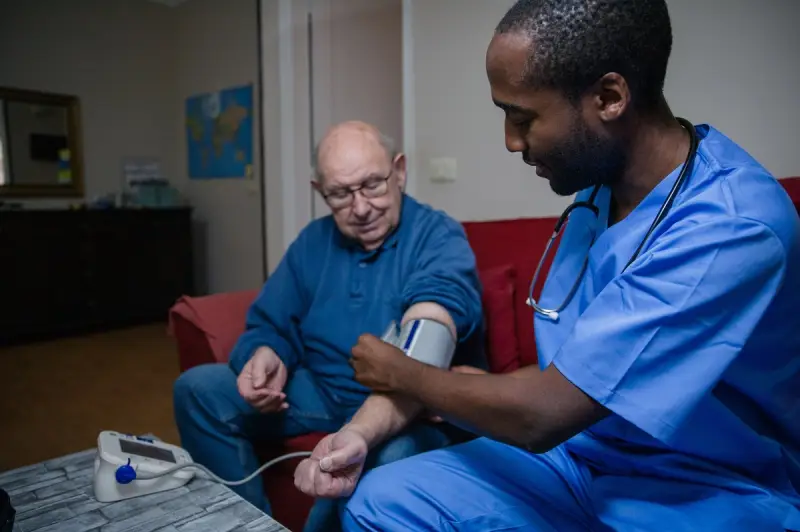
Because palliative care focuses on the individual as a ‘whole’, and doesn’t only address physical symptoms, your loved one will likely receive support from a variety of health and social care professionals, sometimes referred to as an interdisciplinary team.
It’s important to remember that the professionals providing your loved one's care should reflect and support your wishes, so don’t be afraid to speak up about what’s most important to you, and the kind of support you want for your loved one.
Your loved one's palliative care team can include:
We're not the only way to arrange care at home - but families tell us Elder is the one they trust. Here's why.
You choose who comes into your home
Browse real carer profiles, read reviews from families like yours, speak to carers before committing, and make the choice yourself. Nobody is ever assigned to you without your agreement.
15,000+ five-star reviews
More than 15,000 reviews for the carers on our platform help you pick the best for your loved one. Read what they say – because their word matters more than ours.
Real peace of mind, wherever you are
Daily updates, notes and photos from your carer through the MyElder app mean you always know what's happening - without having to chase. Especially if you live far away.
The whole family, kept in the loop
Give siblings or other relatives their own access to MyElder - so everyone stays informed, not just the person who set care up. No more relaying updates between family members.
A real person to call, seven days a week
Your dedicated Family Support Specialist is there when things feel uncertain - whether you have a practical question, need reassurance, or something needs sorting quickly.
Rigorous vetting before introduction
Every carer goes through identity checks, Enhanced DBS or PVG checks, right to work verification, and professional references - all completed before introduced to a family.
Three clear steps to arranging personal care at home through Elder.
Tell us about your loved one, their routines, and the type of personal care support you are seeking, so we can help identify carers whose experience may be suitable.
Browse matched carer profiles, read genuine reviews from other families, and speak directly to carers before making any decision. You're in control of who you choose - we never assign someone without your agreement.
Once you've chosen your carer, you engage them directly. Use the MyElder app to stay connected, manage visits, keep family members in the loop, and handle payments securely - all in one place.
Ready to arrange care?
Start online in minutes to find your ideal carer.
Need guidance?
One of our Care Advisors is on hand to talk it through.

How can live-in care help an older person with cancer?
Discover how live-in care can support older people living with cancer.
Learn more
How much does palliative care cost?
Learn how much palliative care costs in different settings, and explore the funding options available in the UK.
Learn more
End-of-life care at home: What it involves and how it can help
Learn what end-of-life care at home involves, and how support is arranged.
Learn more
End-of-life care vs palliative care: What's the difference?
Learn how palliative care and end-of-life care differ, and what kind of support is available.
Learn more
Advance care planning with Dr Sarah Russell
Discover how advance care planning can help people and their families make informed decisions about their future care.
Learn more
Palliative care vs hospice care
Learn more about the differences between palliative and hospice care, and how care at home can support your family.
Learn more