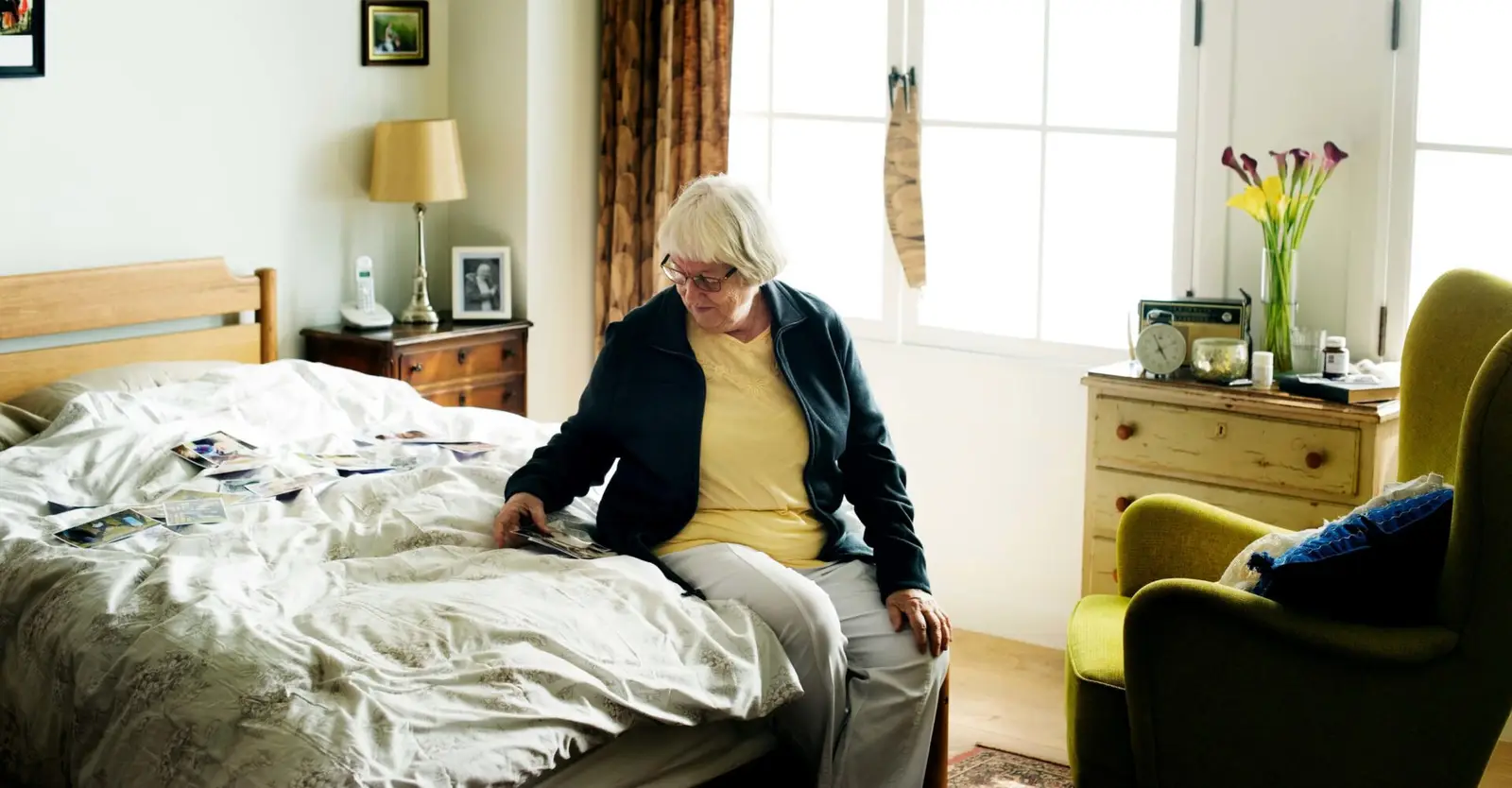
Palliative care
Palliative care vs hospice care: What's the difference?
Paola Labib | Editorial Contributor
6-minute read | 29/04/2026


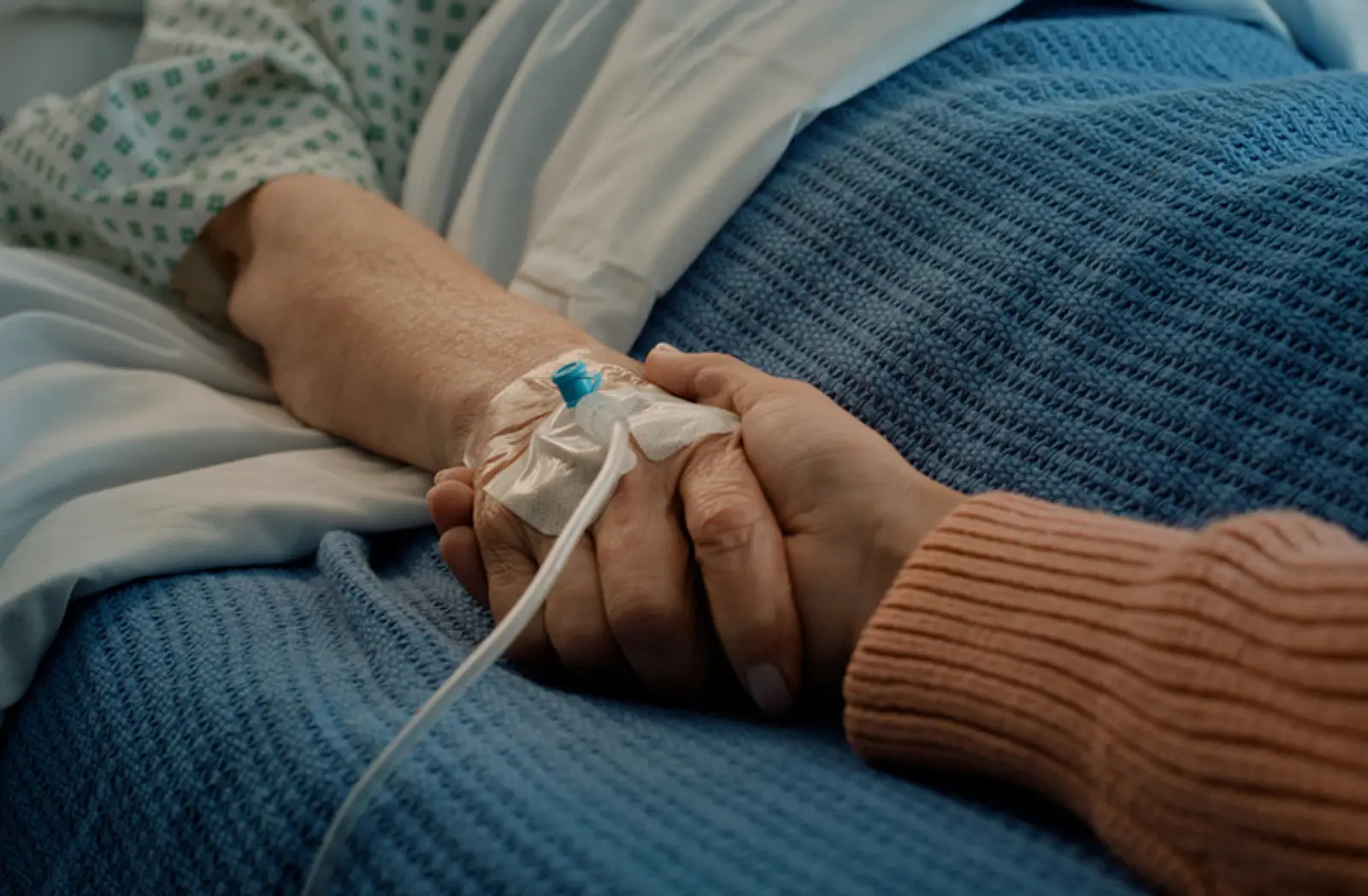
End-of-life care at home focuses on supporting someone in the final weeks or months of life, prioritising comfort, symptom management, and emotional well-being, while allowing them to remain in familiar surroundings.
This guide explains what end-of-life care at home involves in the UK, how it differs from earlier stages of palliative care, what families can expect, and how support is coordinated.
For a fuller comparison of palliative care and end-of-life care, read our guide to end-of-life care vs palliative care.
End-of-life care at home is provided when someone is thought to be in the last months, weeks, or days of life. National care guidance in the UK explains that the focus at this point is on comfort, dignity, and quality of life, rather than curative treatment.
End-of-life care at home aims to:
Care is usually planned in advance and reviewed regularly. Support may be provided by GPs, community nurses, specialist palliative care teams, carers, and family members, working together to meet changing needs.
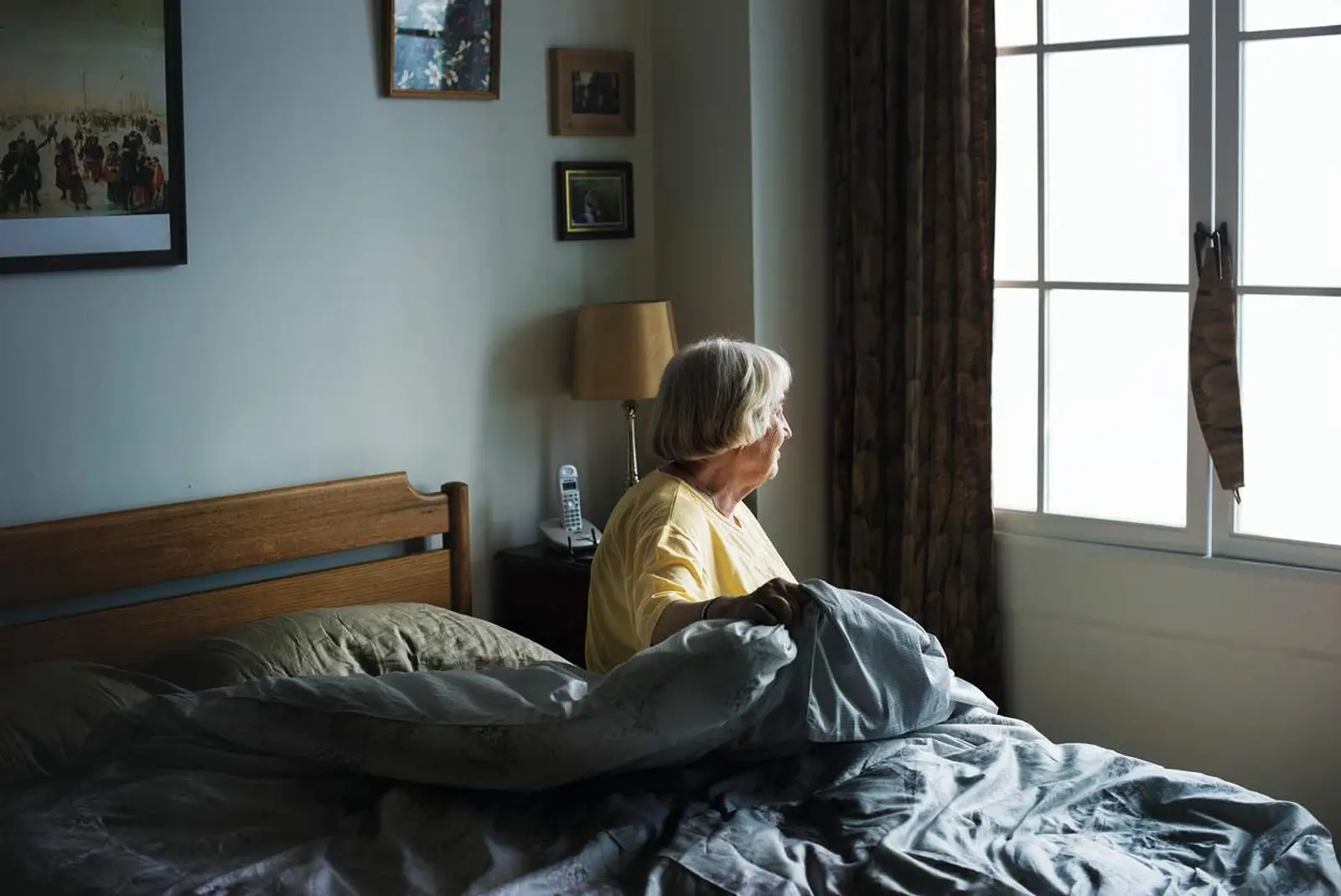
This phase of palliative care is often reached when treatments aimed at controlling illness are no longer effective or appropriate. At this stage, care is centred on comfort, dignity, and respecting the person’s wishes.
For people approaching the final phase of life, end-of-life care at home can provide comfort, dignity, and reassurance in familiar surroundings. Our guide explains what end-of-life care at home involves and how families are supported.
End-of-life care at home may include:
Care plans are reviewed frequently, as needs can change quickly during this stage.
Managing symptoms is a central part of end-of-life care. This may involve:
The goal is to minimise discomfort and allow the person to rest peacefully.
End-of-life care at home also recognises the emotional impact on both the individual and their loved ones. Support may include:
Many people find that being at home helps them feel more at ease during this stage.
End-of-life care at home may be suitable for people who:
Care teams will usually assess whether home care is appropriate based on medical needs and available support.
End-of-life care at home is typically coordinated through a care plan involving:
Clear communication between professionals helps ensure care remains responsive and aligned with the person’s wishes.
UK health and care organisations recognise that families and carers play a central role in end-of-life care at home. Guidance highlights the importance of ensuring carers feel informed, supported, and able to ask for help.
Support for families may include:
Having consistent professional input alongside family care can help reduce anxiety and ensure no one feels they are coping alone.
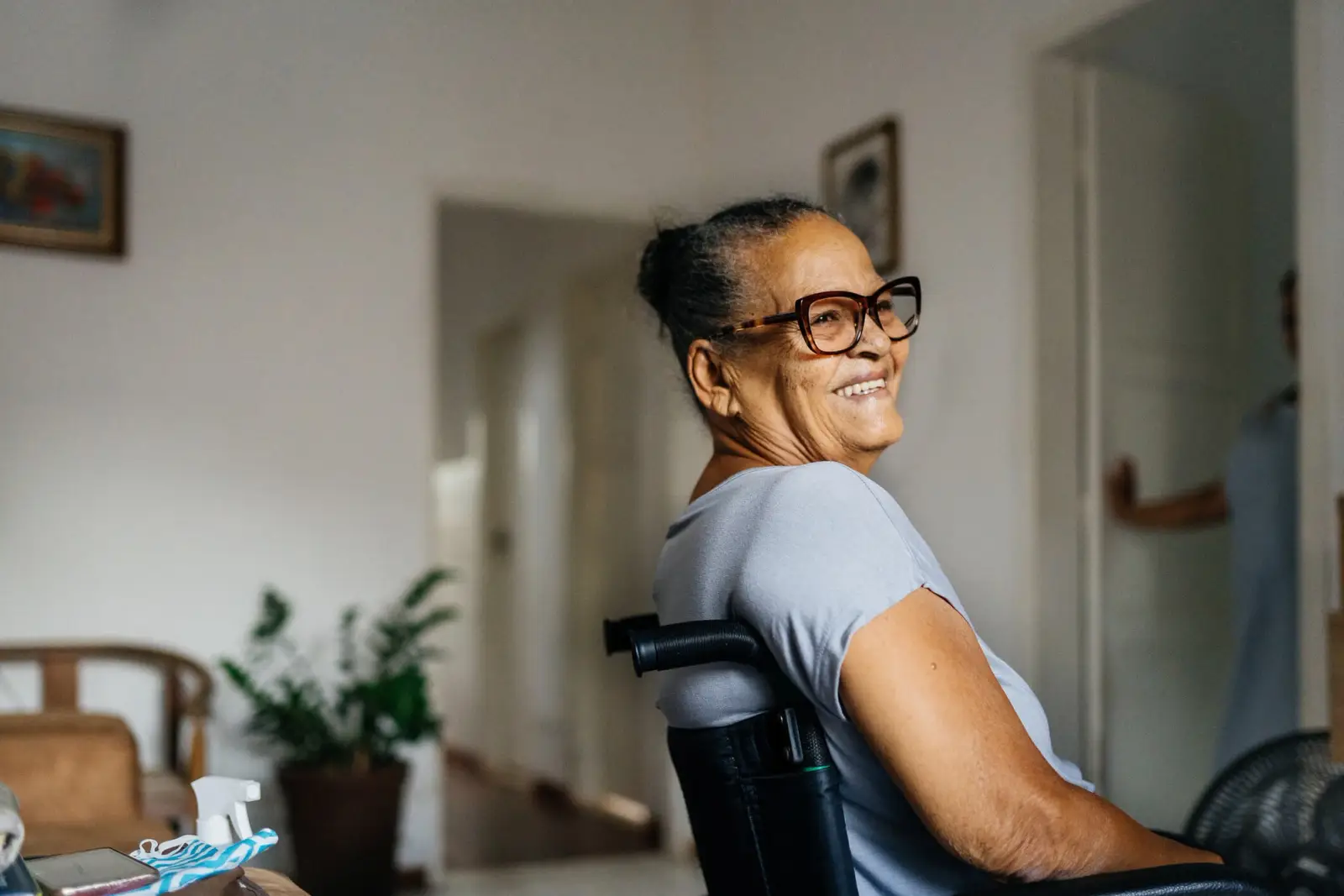
UK care guidance consistently shows that many people express a wish to remain at home at the end-of-life if it is safe and possible to do so. Being cared for at home can support emotional well-being and a sense of control during a deeply personal time.
Common reasons people choose end-of-life care at home include:
For families, home-based end-of-life care can also allow more meaningful time together, supported by professionals when needed.
Elder provides care at home, including live-in care, to support people with complex and changing needs. While medical care is led by healthcare professionals, carers can help with comfort, personal care, and companionship during the end-of-life stage.
If you are exploring end-of-life care at home, Elder’s care specialists can help you understand your options, coordinate support, and plan care that reflects your wishes.
You may also find it helpful to read Elder’s broader guidance on palliative care and the five stages of palliative care, which this article builds on.
Paola Labib | Editorial Contributor
Paola Labib | Editorial Contributor

Zenya Smith | Editorial Contributor