Elderly Care at Home: What Are the Alternatives to a Care Home?

5-minute read | 12/02/2017

Elderly Care
Zenya Smith

Editorial Contributor

A recent poll by YouGov revealed that out of 2,000 people surveyed, only 1 percent were happy with the idea of going into a care home.

This shows how much negativity there is surrounding the subject of residential care homes, made worse by the horror stories so frequently talked about in the media.

Most people assume that a care home is where they will ultimately end up, but in fact, there are a wide variety of alternatives when it comes to elderly care.

When a loved one reaches the point in their lives that they need 24-hour care to ensure their safety and well-being, the options are split between elderly home care, and the alternatives which require the care recipient to move out of their home and familiar surroundings.

Moving in with Family

Amalgamating two households is one of the most popular choices, although usually it is the older person who moves in with grown-up children and their families. Depending on the family, this can be a good option, but obviously it’s not for everyone.

If you decide to go down this route, you need to have very clear guidelines about private space, mealtimes, how bills are split and house rules. It is likely that at some point the grown-up child will become the caregiver, so it’s important that all parties are comfortable with the prospect.

A good suggestion is to try the arrangement for at least one or two months before making a definite commitment. That way, if things don’t work out, the elderly parent still has control of his or her own home, giving everyone the chance to come to a different arrangement.

Sheltered Housing

With sheltered housing, the elderly person either buys or rents a small apartment in a dedicated block, which is overseen by a warden who usually lives on site. Residents are equipped with personal alarms so that they can notify the warden if they are ill or have an accident. This set up allows independent living but with the advantage of knowing that someone is available if necessary, and there is usually a communal lounge or garden so that residents can socialise with each other.

Some sheltered housing schemes provide extra care for those who need it, but this depends on your local authority.

Retirement Villages

Developments exclusively for retired people are becoming increasingly popular as more and more elderly people decide to downsize from their larger homes. Retirement villages are specifically designed for older people and are usually sited close to town centres or within easy reach of shops. Apartments can be bought or rented and, as with sheltered housing, there are communal areas where residents can gather to socialise or have their meals.

On-site wardens are on hand in case of emergencies and the villages are set up to provide care for those who need it as an added extra. Popular on the continent, in the US and Australia, the concept of retirement villages is beginning to take off in this country.

Colin and Dulcie’s story

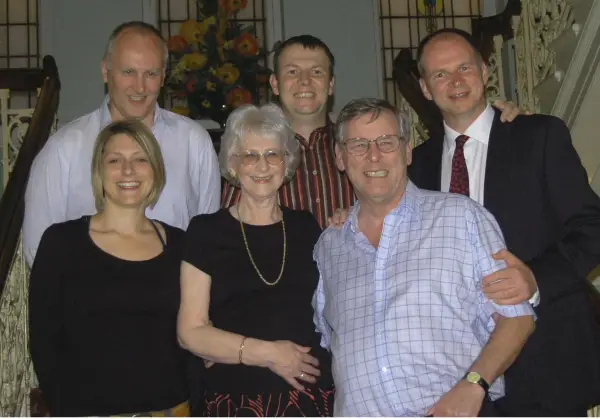
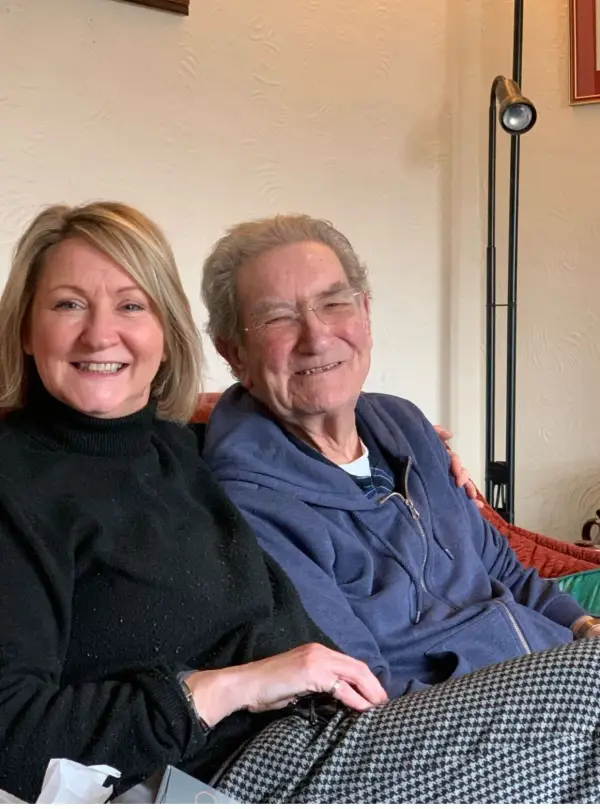
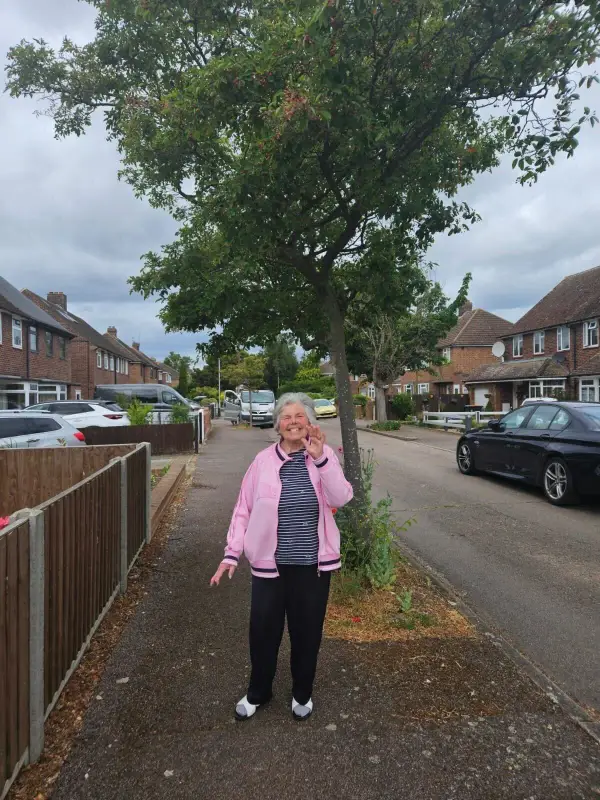
Dulcie is 100-years-old and lives with her son Colin, his wife Mary, and her Carer Sarah. She has dementia and has had full-time live-in care for six months.

We talk to the family about the challenges of finding the right care solution for a fiercely independent woman – and how the positive benefits of live-in care with Sarah has transformed all of their lives.

Living with Live in Care: Dulcie's Story

Home Sharing

With rising property prices, the idea of home sharing is gaining in popularity. The elderly person offers a room within their house for a live-in carer, although actual care work is generally basic, such as a little gardening, shopping or cleaning. The carer benefits from either free housing or nominal rent, whilst the elderly person receives companionship and some help around the house.

Befriending

Charities are springing up which organise volunteer support for elderly people in their own homes. The volunteer will visit the elderly person for a friendly chat and a little help with shopping trips or excursions. This can be a valuable way of providing companionship and relieving boredom, but volunteers will not normally assist with personal care and the help that they provide is fairly limited.

Home Care

Home care can be provided by local authorities or private companies and can be tailored to the individual’s needs. The caregiver can be employed for a single visit a week to help with shopping or for several hours a day to provide more intensive support. Local authority support tends to be much more simple, and visits may be arranged to perform basic tasks.

Private care offers far more choice than other options, and hours can be increased as the elderly person’s needs become greater. In-home care allows the person to maintain a level of independent living within their own home, which many people prefer.

Live-in Care

An increasingly popular form of elderly care at home is to employ a live-in carer. Private live-in care is the perfect solution when a loved one wants to stay in his or her own home but needs 24/7 care.

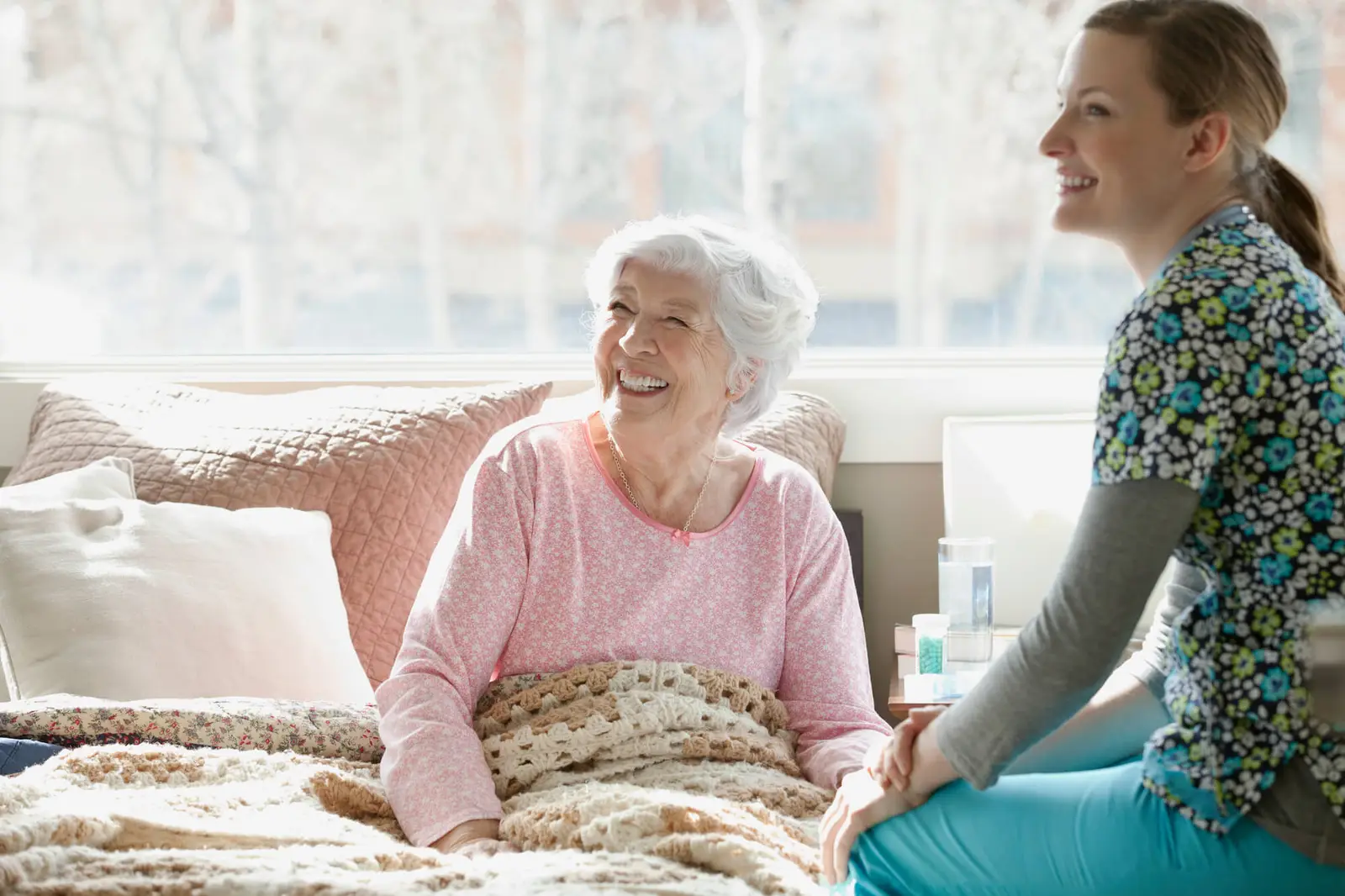
Surrounded by familiar possessions in their own home, the elderly person is looked after by a dedicated live-in carer who can help with every aspect of daily life, including personal care.

Live-in caregivers are experienced in Alzheimer’s care and dementia care so that the elderly person can remain in their own home for as long as they wish. The caregiver provides companionship, assistance and support throughout the day and night for complete peace of mind.