Elderly Care
Eight things to do with your elderly parents in Eastbourne
Earl Estologa | Editorial Contributor
7-minute read | 16/09/2026

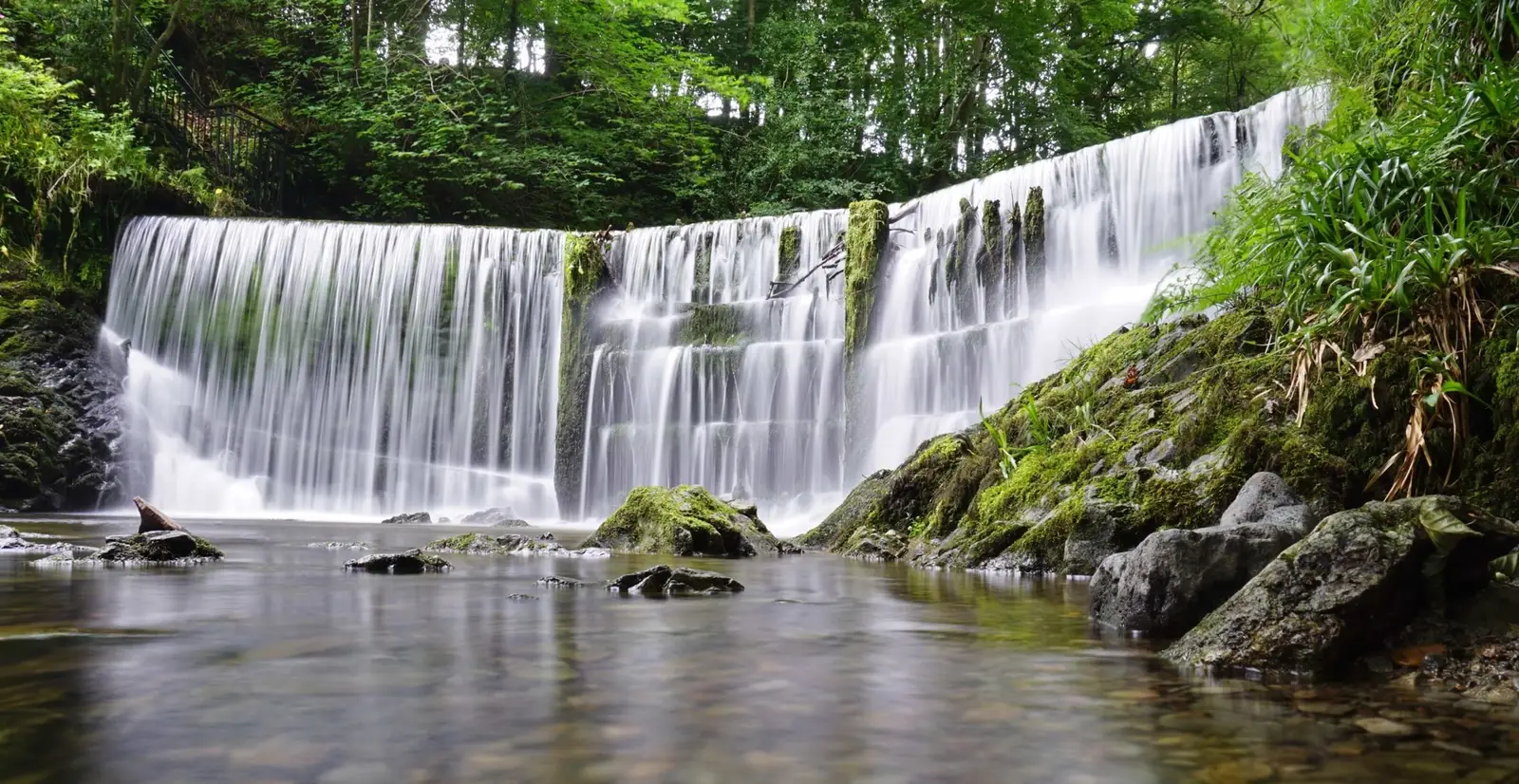
Ambleside sits at the head of Lake Windermere, right in the heart of the Lake District. Fells rise straight up from the water, and the town centre is a short walk from lake cruises, historic houses and quiet gardens.
If your parents receive live-in care in Cumbria or another care arrangement, a change of scene can lift their mood. It helps to know which attractions offer step-free access, mobility equipment or a free carer's ticket before you set off.
Here are five ideas for a day out with your parents in Ambleside, plus practical tips on accessibility and planning ahead.
Windermere Lake Cruises has run boats across England's largest natural lake since Victorian times, with tearooms and viewing decks on board. Sailings leave right from Waterhead Pier in Ambleside, a short walk from the town centre. The Red Cruise to Bowness stops at Brockhole, once the Lake District Visitor Centre, where the grounds and lakeshore are free to walk (see below).
MV Swift is the company's most accessible vessel. It has step-free access from Ambleside Pier, a lift to the middle-inner and lower-outer decks, and an accessible toilet reached step-free from the main cabin. The upper deck isn't accessible, though. If your parent needs a carer on board, that carer travels free. The carer needs to bring a Nimbus Access Card with the "+1 essential companion" box filled in, or a Certificate of Visual Impairment.
See accessibility information for Windermere Lake Cruises before you go, or call 015394 43360.
Brockhole was the Lake District National Park's own visitor centre, set in 30 acres of gardens on the shore of Lake Windermere. It opened in 1969 as the first national park visitor centre in the country.
It changed hands in 2026 and is now largely a family attraction site. The grounds and lakeshore stay open to everyone, free of charge, whether or not you visit any of the paid attractions on site. The Windermere Lake Cruises jetty is right here too, so it's an easy stop if you're already on the Red Cruise.
There are publicly accessible toilets with disabled access on site. Parking is limited and charged, so it's worth arriving by boat or bus instead: the 555 and 599 both stop right outside on the A591.
Wray Castle is a Victorian Gothic Revival house on the shore of Lake Windermere, cared for by the National Trust. The castle is closed to visitors for a major restoration, but the lakeshore, parkland and the café stay open. Boats run from Waterhead Pier in Ambleside straight to the Wray Pier from April.
The grounds offer step-free level access, with ramps or slopes to some other points. You can borrow an all-terrain tramper for the wider parkland in two-hour slots, booked through the Outdoor Mobility charity. You'll need to be a member, though. Blue Badge bays sit in the top car park, and there's an accessible toilet by the café, next to the castle. The grounds and castle are free to enter, though non-members of the National Trust pay for parking.
See accessibility information for Wray Castle before you go, and check the restoration update for current castle access.
Hill Top was Beatrix Potter's own farmhouse, bought with the profits from The Tale of Peter Rabbit. She left it to the National Trust on the condition it stayed exactly as she kept it. There are two accessible parking spaces near Visitor Reception, plus one closer to the house itself on request.
The ground floor of the house has step-free access, and a tablet by the stairs shows a video tour of the rooms upstairs. You can borrow an all-terrain wheelchair from Visitor Reception and an Essential Companion card gets a carer in completely free.
See accessibility at Hill Top before you go.
The Armitt is Ambleside's own museum, gallery and library, built from a collection first opened to the public in 1912. It holds Beatrix Potter's own watercolours and first editions. Alongside them are paintings by the artist Kurt Schwitters, who settled in the town in his final years.
The museum has step-free access into the building and across the ground floor. A platform stairlift carries visitors up to the first floor, where the library and the accessible toilet are located. There's one accessible parking bay outside, and adult admission covers a second visit within 12 months.
See The Armitt visitor information before you go.

Helen's dad Jim was 92 when he came home from hospital after a stroke and a bout of Covid. He’s determined not to go back into residential care.
Jim had a difficult stay in a care home a couple of years earlier and wanted to stay in the village he'd lived in for years, close to his neighbours and friends.
His carer, Tabby, built a rapport with him within days and encouraged him to start walking again, first just to the garden gate and back to see Helen's sister off after a visit. Tabby also got Jim into yoga, and the family noticed the difference in his mood and confidence almost immediately.
"He's now taking up to six walks a day!" Helen said.
A few extra needs shouldn't rule out a day by the lake. Most of the venues above can work around a wheelchair, a slower pace, or a bit of extra time.
If your parents already have live-in care in Cumbria, consider bringing their regular carer along. They'll already know your parents' routine, and the trip doubles as a change of scene for the carer too. If you'd rather your parents' usual carer had the day off instead, temporary respite care can cover the visit.
A day out with a parent living with dementia needs a little more planning. Boats, busy piers and unfamiliar rooms can all feel disorientating, so build in more time than you think you'll need and keep the day's plan simple.
We've put together similar guides for other days out with your parents:
If you have a loved one who needs 24/7 support, get in touch with our care advisors. We'll talk through your situation and arrange a free care appraisal. Elder can help you find live-in care in Cumbria and across the rest of Great Britain.
0333 920 3648Elder is an introductory agency and therefore does not direct, control, monitor or oversee the ongoing delivery of care. This article is for general information only and is not a substitute for professional advice, which should be sought when appropriate.
Earl Estologa | Editorial Contributor
Earl Estologa | Editorial Contributor
Earl Estologa | Editorial Contributor
Earl Estologa | Editorial Contributor

Earl Estologa | Editorial Contributor

Earl Estologa | Editorial Contributor