How companionship care helped David keep his loved one at home
"Susan, who's the carer currently, she's been absolutely brilliant. She's like part of the family."
Companionship care offers meaningful company, emotional support, and helps older people stay connected to the world around them. At Elder, you can find visiting and live-in companionship care, matched to your loved one's needs, through our platform of self-employed carers.
Find a carer0333 920 3648
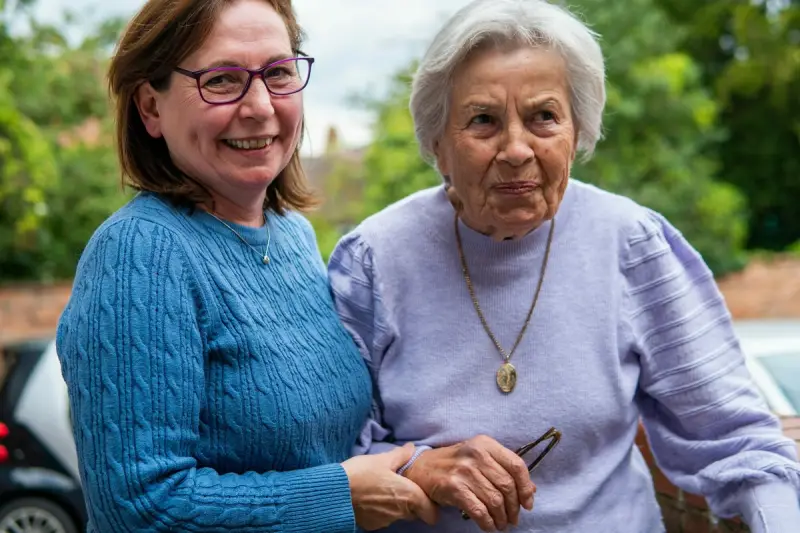
Companionship care supports older people experiencing loneliness, social isolation, or a need for emotional connection. It can mean visiting carers who come by during the day, or live-in carers who provide round-the-clock company.
Unlike care that's focused only on physical tasks, companionship care puts mental wellbeing first. It helps older people keep enjoying hobbies, social activities and daily routines, while staying safe and supported.
Social networks often shrink with age. Age UK's research shows that 940,000 people aged 65 and over in the UK are often lonely – around 1 in 14 of that age group (Age UK, 2024). Loneliness like this can reduce confidence, motivation and quality of life. You can read more in our guide to spotting the signs of loneliness in older people.
Christmas can be an especially isolating time for older people. Age UK's ongoing campaign highlights that over a million older people face loneliness over the festive period. Shorter days, cold weather and closed services can all make things harder – which is exactly when companionship care can matter most.
A good fit for older people who are largely independent. A carer can visit regularly for company, help around the home, meal preparation, or getting out and about.
For those who want more support or company throughout the day, live-in care offers round-the-clock companionship and personal care, in the comfort of home.
For older people who want to stay socially active, volunteer-led befriending services and local social groups offer friendship and connection, often free of charge. Find out more in our guide to befriending services for older people.
Companionship carers help older people live fulfilling, independent lives, including:
Every family's story is different. Here's how companionship care has helped people stay connected, safe and supported at home.
How companionship care helped David keep his loved one at home
"Susan, who's the carer currently, she's been absolutely brilliant. She's like part of the family."
How companionship care gave Sharon peace of mind
"I don't get as stressed out knowing that someone is here with my mum."
How a companionship carer helped Hayley’s dad get back on his feet
"It was Norman really who helped him get back on his feet in the park."

The cost of companionship care varies quite a bit, depending on the level of support your loved one needs.
Visiting care is usually the most affordable option, and you pay for the hours of care you use. Prices start from £30 an hour, so a few hours a week could come below £100.
If your loved one needs full-time support, or more help with daily tasks, visiting care can end up costing about the same as live-in care.
With Elder, live-in care starts from £1,150 a week. For that, your loved one has a companion with them 24/7, plus more personalised support for your money. See our guide to the differences between live-in care and visiting care to weigh up which type of care fits your loved one best.
Your loved one may be eligible for funding from their local council towards the cost of care. Ask the social services department for a care needs assessment, which works out whether they qualify for paid help. They'll follow this with a financial assessment, looking at their finances to see how much they'd need to pay, if anything – more on this in our guide to the cost of care.
Elder doesn't work branch by branch. Because carers are self-employed and based all over the UK, you can be matched with a companionship carer close to your loved one, wherever they live, whether that’s London, Manchester or any other major UK city.
With Elder, you can be matched with vetted, self-employed carers through our personality-matching platform in three clear steps:
Have a quick chat with one of our care advisors about your loved one's needs, and what kind of companionship care would suit them best.
Browse profiles and speak with carers yourself before deciding. It’s easy to change if the match isn’t quite right.
Agree the hours that work, then manage everything through our app. Your Elder family support specialist is there whenever you need advice.