Respite care tailored to your loved one's needs
Have peace of mind your loved one is in good hands with respite care from Elder. With our award-winning customer support and a bank of 6,000 vetted carers, we help you find the right carer for your needs easily.
Find a carerCall us
What are the benefits of in-home respite care?
Respite care offers essential short-term support for older adults, giving their regular carer – whether a family member or a professional carer – time to rest and recharge. Whether planned in advance or needed at short notice, respite care brings peace of mind and practical relief, while ensuring continuity of care for your loved one. Here are the key benefits:

Familiar environment
Care at home prevents disruption and supports comfort, especially important for those with dementia or long-term conditions.
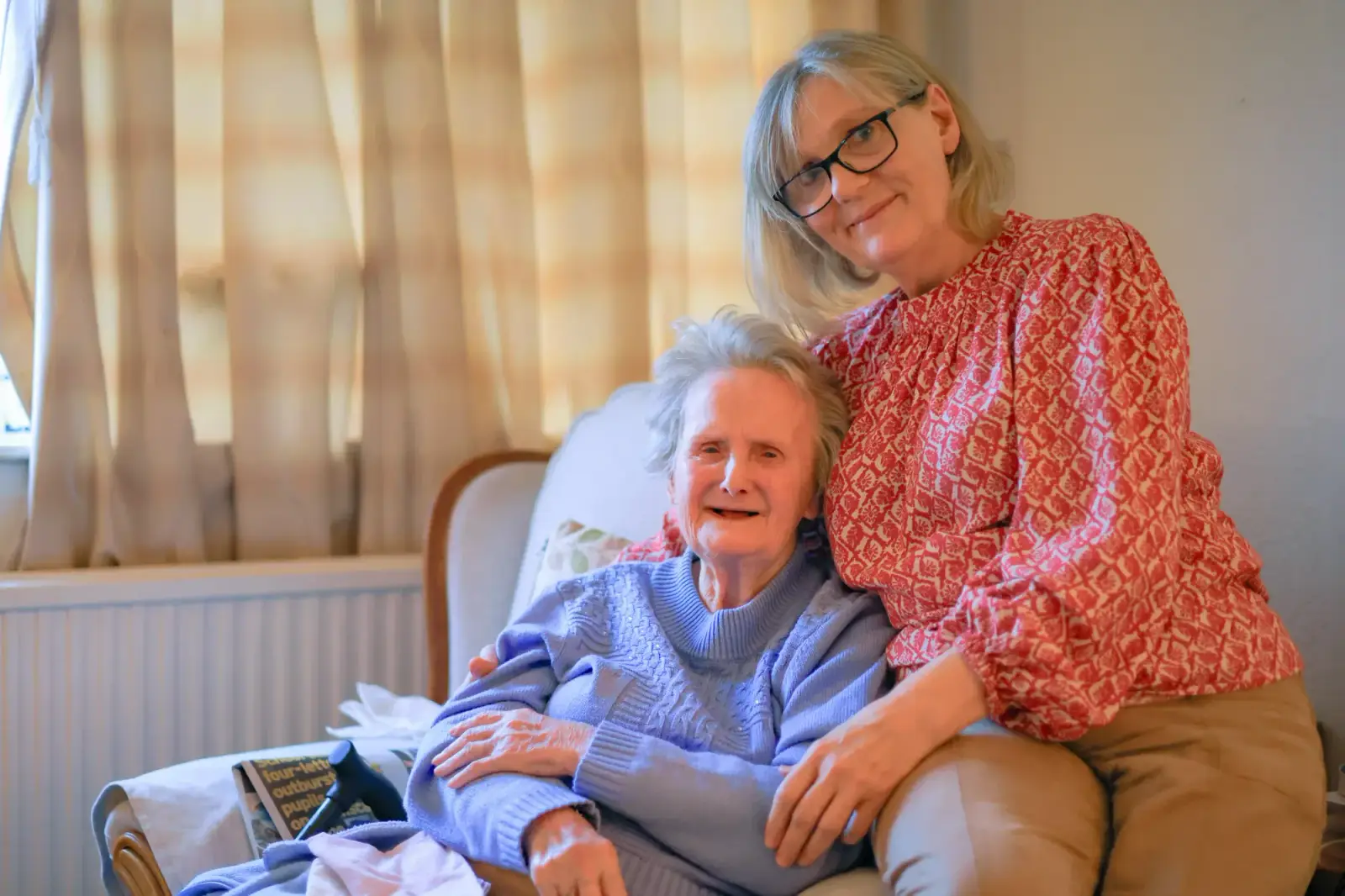
Maintains routine and reduces stress
Live-in respite care helps preserve daily routines and reduces anxiety for those with cognitive conditions.

Flexible scheduling
Care can be arranged for a few hours, overnight, or several weeks, fitting your schedule.

Cost and time effective
Avoid the expense and upheaval of care home stays. Repeat bookings with Elder can save money for regular short-term care.

Simple to arrange
With Elder, you can pre-book care periods, manage everything online, and reduce admin, making it straightforward to get support when needed.

Supports carer's wellbeing
Respite care allows the main carer to rest, focus on other responsibilities, or enjoy time for themselves, preventing burnout and sustaining long-term support.
Helping you find the right carer
We want you to find a self-employed carer you can trust and get on with. All cares pass a rigorous screening which includes a background check, character and skills assessment, and verifiable professional references. Only 2% of applicants to join Elder are successful. As a result, 9 out of 10 customers are very satisfied with their first carer.
What does a live-in respite carer do?
Personal care
e.g. help with washing, toileting, and prompting medication
Dressing and grooming
e.g. shaving and hairstyling
Meal preparation
e.g. cooking meals to dietary requirements and tastes
Light housekeeping
e.g. vacuuming, keeping surfaces clean and doing laundry
Running errands
e.g. going to the shops or picking up prescriptions
Companionship
e.g. providing company and encouraging hobbies and interests
Pet care
e.g. feeding and exercising pets
Mobility support
e.g. encouraging gentle and suitable exercise
Light gardening
e.g. watering flowers and keeping pathways clear
Admin support
e.g. keeping on top of post, paperwork, and appointments
Medication prompting
e.g. ensuring medication is taken correctly
Ventilation and oxygen support
e.g. BiPAP or CPAP Support
Specialist drug administration
Including Controlled Drug Administration, Covert Medication Administration, Glucose readings via finger pricks, Injections, Pessaries, Enemas, Suppositories
Stoma care
PEG care
Wound care
How much is live-in respite care?
With Elder, families pay £684+ for three days, and £1,595+ a week.
As with any type of care, there are funding options available. If you’ve not done so already, it’s worth asking your local authority for a care assessment. They’ll review your loved one’s needs and whether they’re eligible for financial assistance.
If you’re assessed as ineligible for help from your local authority, you may still be able to access help from a benevolent fund or charity. You can find information about possible funding sources from local carers’ groups, your GP, social worker or health visitor.
For more information, read our guide to the costs of respite care.
6,000+ Carers
Select from over 6,000 qualified carers
Fast matching
Care can begin in as little as 24 hours
Across Great Britain
We have organised care in every GB postcode
Cost efficient
Costs on average 35% less than traditional services
Urgent support: Stories of fast and reliable home care
When care is needed quickly, finding trusted support can bring instant relief. These stories show how Elder’s urgent home care helps families navigate sudden change with confidence and peace of mind.
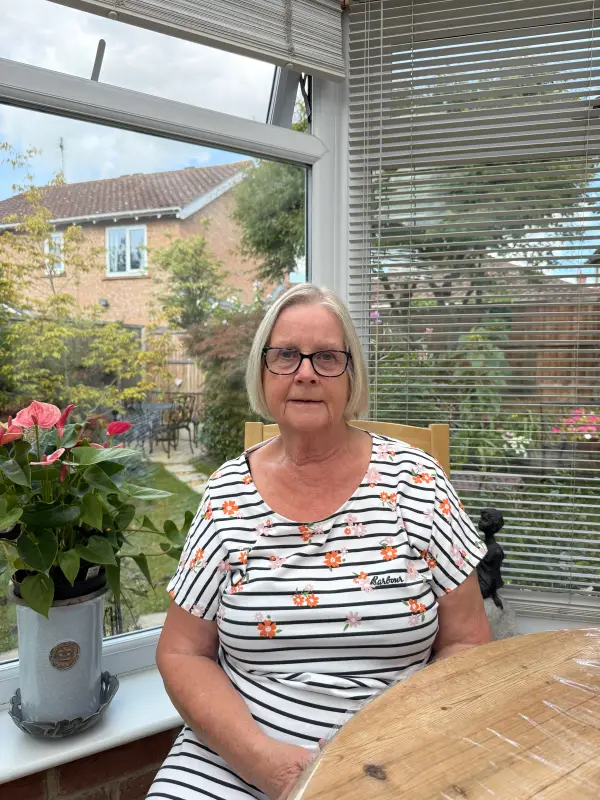
Urgent support found: Anne's story of 24-hour care relief
Anne shares how Elder delivered a trusted carer within 24 hours for her friend Sheila. See how reliable support resolved a crisis and eliminated the worry of having a private carer leave.
Read Anne's story
How live-in care helped David keep his loved one at home
When David’s loved one faced a sudden hospital discharge, he quickly arranged live-in care at home, helping her avoid a care home and stay in the comfort of familiar surroundings.
Read David's story
How Mike organised urgent live-in care remotely
Mike urgently needed live-in care for his dad Bob after being discharged from hospital, but the family was hundreds of miles apart. See how he organised everything remotely with Elder.
Read Mike's story
How do I arrange respite care with Elder?
Share your care request
Tell us your care requirements using our request form, including the type of care you’re looking for, any specialist skills you need, and what daily life looks like.
Select your carer
You’ll start receiving profiles of suitable self-employed carers within 24 hours. Chat to them online or arrange a phone or video call, before choosing who you like best.
Manage care
Once your agreement with your carer begins, use your MyElder account to chat with them and the Elder team, manage your schedule and care information, and find respite cover if you need it.
Explore other care options
At Elder, we provide a full range of home care services to suit every need. If your loved one requires around-the-clock support or occasional help for a couple of hours, these options may be more suitable:

Live-in care
Long-term 24-hour support
- A carer moves in with your loved one to support them 24/7
- Suitable for people living with conditions like dementia and reduced mobility
- For long-term care needs
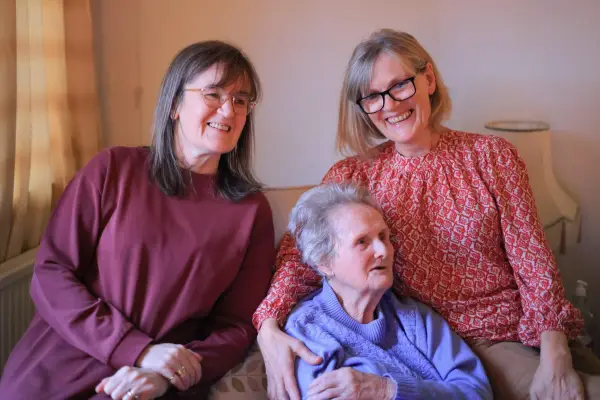
Visiting care
Flexible home visits
- Book as many hours as you need for help in the comfort of your home
- Support with everyday tasks like grooming, walks, cooking, etc.
- From as little as 1 hour per week
FAQs about respite care
The word "respite" means a short period of rest or relief from something challenging. In caregiving, respite care refers to temporary support that allows a carer to take a break – whether for a few hours, days, or weeks – while ensuring that the person they care for continues to receive safe, high-quality support. It’s called respite because it offers carers a chance to recharge, reduce stress, and look after their own wellbeing.
Respite care is suitable for older adults who need short-term support, whether due to illness, frailty, recovery from surgery, or changes in their regular care arrangements. It’s also ideal for people living with long-term health conditions such as dementia, reduced mobility, or other age-related challenges.
At the same time, respite care benefits primary carers by offering them time to rest, recharge, or focus on other commitments. It ensures the person receiving care remains safe, supported, and comfortable while their usual carer takes a well-earned break.
With Elder, you can get respite care within 24 hours. In urgent situations, we can even match families with a suitable carer on the same day.
In some cases, the NHS can fund respite care, but this usually applies when the care is needed for ongoing medical or complex health needs. If your loved one is eligible for NHS Continuing Healthcare (CHC), this can cover the cost of respite care, whether delivered at home or in a care home.
Eligibility is assessed by your loved one’s local Integrated Care Board (ICB) through a Continuing Healthcare Checklist, which looks at factors like mobility, cognition, medication needs, and overall health. If the care required is primarily health-related, a full assessment may follow to confirm funding support.
Yes, respite care is often a very good idea for both your loved one and their regular carer. It offers a chance for carers to take a well-earned break, reduce stress, and avoid burnout, which in turn helps maintain a higher quality of care in the long term.
For your loved one, respite care – especially when delivered at home – ensures continuity, comfort, and safety. It also allows them to stay in a familiar environment with support tailored to their needs. Whether used occasionally or on a regular basis, respite care can strengthen relationships, improve wellbeing, and help everyone involved feel more supported.
A caring role can have big physical and mental health implications. Regular breaks ensure a carer has space to recharge their batteries, safe in the knowledge that a loved one is being well cared for. It helps to prevent caregiver stress and burnout, which over time may influence how you feel about the person you’re looking after.
The live-in carers Elder works with are experienced, independent care professionals but they’re not registered nurses. While they can support with personal care, household tasks, companionship, and daily routines, there are certain medical tasks they can’t carry out. These include administering medication, stoma and catheter care, PEG feeding, and complex wound care.
Not sure if live-in respite care is right for your situation? Create your free MyElder account to speak with a Care Advisor – no pressure, just expert guidance.
In the UK, the 28-day rule affects certain benefits like Disability Living Allowance (DLA), Personal Independence Payment (PIP), and Attendance Allowance if respite care is funded by the local authority. These benefits may be suspended if the person receiving care stays in a care home for 28 days or more, either in one stay or across multiple stays with gaps of 28 days or less between them.
Time spent in hospital before entering a care home also counts towards the 28 days.
However, the rule does not apply if the person is self-funding their care or if there are 29 days or more at home between respite stays.
Sometimes it’s difficult to know how long you’ll need care for, for example if the person who normally provides care falls ill, or if additional support is needed to support recovery after an illness or operation.
With Elder, you can book a period of respite care with a rough end date. Simply give us a call and let us know if you need to extend or amend your dates.
Yes, if your preferred carer is available. It can help to book multiple periods at once if you can, to ensure your requirements can match up with your carer’s schedule.
Not at all. Your MyElder account is a living document – it’ll exist for as long as you need it. All you’ll need to do when booking future care is check that the information in your care profile is still correct, and update any areas where the care needs have changed.
Your MyElder account has been built to be your all-in-one care management platform. With it you can:
- Add other family members to get them involved in the arrangements
- Communicate with your carer and the Elder team via Elder chat
- View your schedule and plan handover days when your carer takes a break
- Read updates from your carer with the Care Logs feature
- Keep the care profile up to date to reflect any changes to your care needs
- Easily update payment information and track your invoices.
To find suitable respite care near you through Elder, simply fill in our request form to share your care requirements, including the type of care needed, specialist skills (if any), and a description of your loved one's daily life. Based on your information, we will match you with potential carers, and you can then review their profiles, chat online or arrange calls to select the best match.