News
UK pensioners HMRC 500 bank deduction: what’s happening and what to do
Mark Acheson | Editorial Contributor
6-minute read | 15/10/2026
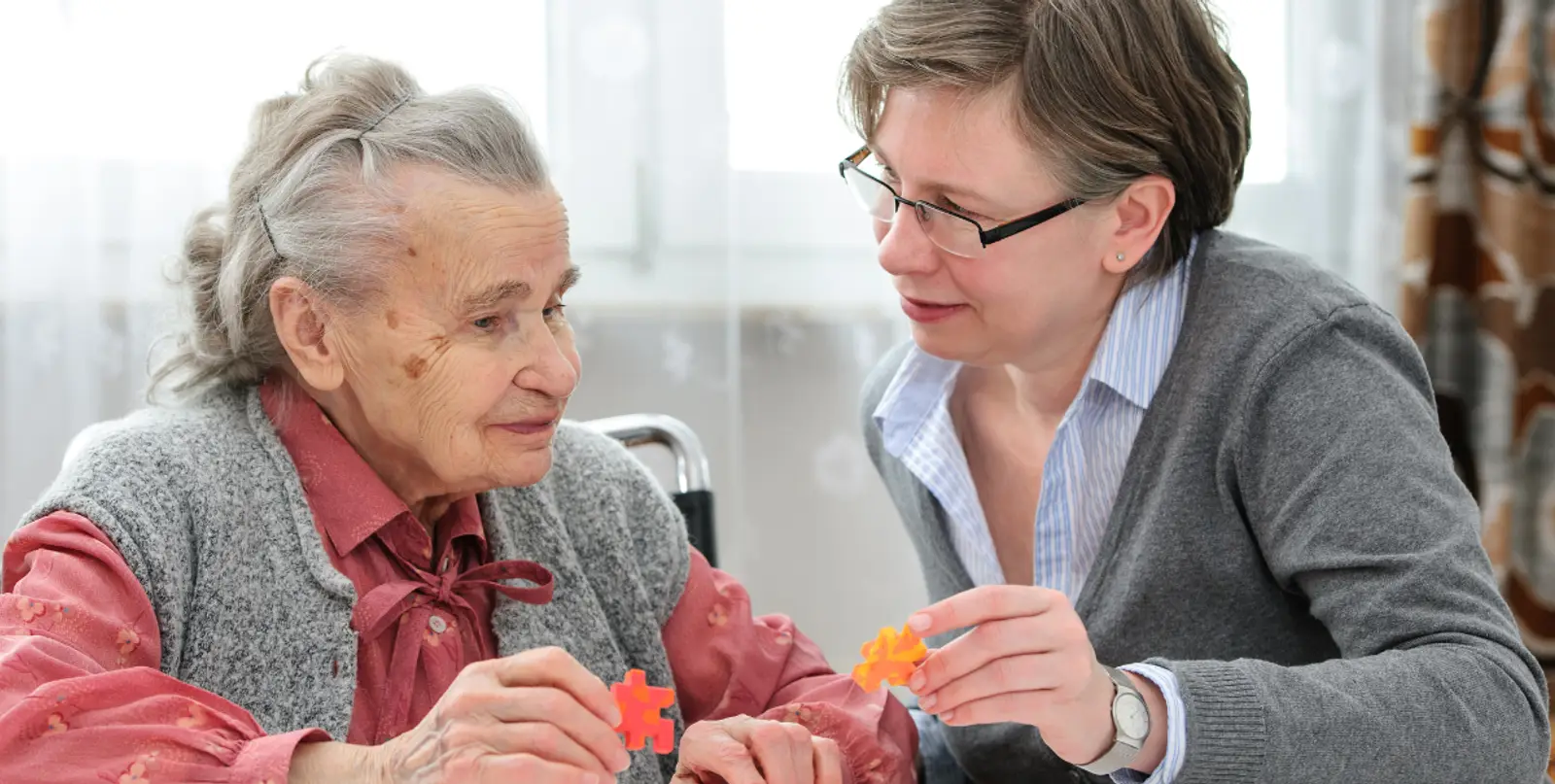
The government has announced a £48 million partnership aimed at speeding up dementia research and making it easier for people to take part in clinical trials. It was made public on 8 October 2026, and builds on a dementia research programme set up four years ago.
Of the £48 million, the government is putting in £33 million through the Dame Barbara Windsor Dementia Goals programme. The rest comes from Bristol Myers Squibb, GSK and Gates Ventures.
The money goes to The BARBARA Alliance (Brain Ageing Registry for Biomarkers, Access to Trials, Research and Adoption), a UK-wide not-for-profit partnership named after the late Dame Barbara Windsor.
The government describes the aim as “recruiting enough people into clinical studies” to test potential new treatments. In practice, that means the money pays for a shared platform connecting health data, researchers and clinical trials, and for the work of connecting studies to the people willing to join them.
Prime Minister Andy Burnham said he wanted “Britain to be the country that makes the breakthrough”, and that for too long dementia has been accepted as something to manage in later life rather than a disease that can be defeated.
Health and Social Care Secretary Yvette Cooper said “this cruel disease has done so much damage to families across our country”, and that the investment should speed up diagnosis and give more people the chance to join trials.
The focus on recruitment is deliberate, because that is where dementia research has been getting stuck.
According to Downing Street, nearly one million people are living with dementia in the UK. Around one in two of us will be affected in our lifetime, either by living with it, caring for someone who has it, or both.
Yet very few people take part in research. Lord Bethell, who chairs The BARBARA Alliance, said that last year only 208 patients were in late-stage clinical trials for dementia diseases, against thousands in cancer trials.
Hilary Evans-Newton, chair of the Dame Barbara Windsor Dementia Goals programme and chief executive of Alzheimer’s Research UK, said the gap is not about willingness. More than 90% of people surveyed said they would like to take part in research. Yet around 70% of people living with dementia are not accessing treatments or trials. The funding, she said, is meant to tackle the barriers to dementia research and speed up recruitment to clinical trials.
Anyone over 18 can register with the NIHR’s Join Dementia Research service, with or without a diagnosis or any memory concerns.
Finding willing participants is only half of the problem. The other half is that researchers often cannot tell who would be suitable for a given study, because NHS records sit in separate systems that do not talk to each other.
That is what the Health Data Research Service is meant to address. It is a separate programme with its own funding, backed by up to £600 million from the government and the Wellcome Trust. The service will bring NHS and research data into a single secure system for approved researchers. Dementia has been named as one of its first priorities, which is how it links to the money announced this week.
A third announcement came the week before. UKRI’s Dementia Challenge is testing nine technologies in the NHS, including faster brain scans and remote memory assessments. The aim is to raise the share of people diagnosed within 18 weeks of referral from around 60% today to 92%. That one matters to families most directly, because a diagnosis is what opens the door to support, and to trials.
None of this starts from nothing. The Dame Barbara Windsor Dementia Mission was launched in August 2022, with the aim of building new research tools and running more clinical trials, faster. The programme funding this week’s announcement grew out of it.
What has been consistent is the gap between what dementia costs and what is spent on researching it. The last like-for-like comparison, from 2017/18, put dementia research funding from government at around 0.3% of what dementia cost the country that year. For cancer, the comparable figure two years earlier was about 1.6%.
Dementia is now estimated to cost the UK more than £42 billion a year. £7 billion of that falls on the NHS. Most of the rest sits with social care and with families looking after someone at home.
Dame Barbara Windsor’s widower, Scott Mitchell, who chairs the Alliance’s People’s Forum, recalled going with her to Downing Street to tell the then Prime Minister Boris Johnson that there was not enough funding for dementia. Of this week’s announcement, he said that for him it means “she’s got a second legacy”.
For anyone living with dementia today, nothing about this changes what is available.
There is still no cure. The treatments that exist can manage or temporarily reduce some symptoms, but they do not treat the underlying disease or stop it progressing.
Two newer drugs, lecanemab and donanemab, are licensed in the UK but are not available on the NHS. NICE, which covers England and Wales, has three times found the benefits too small to justify the cost, most recently in June 2025. Both manufacturers appealed, and in January 2026 appeal panels upheld several of their grounds, including that the committee had underestimated the impact of Alzheimer’s disease on carers and, for donanemab, had not taken unpaid care costs into account. The appraisals have gone back to committee, and at the time of writing no final decision has been published. NICE’s live appraisal pages for lecanemab and donanemab show the current status.
Alzheimer’s Society welcomed the reconsideration. Its chief executive, Michelle Dyson, said “we welcome NICE’s decision to look again at the case for lecanemab and donanemab”, adding that the impact on carers needs to be properly recognised.
So the treatments available still manage symptoms rather than the disease itself, and most of what helps families day to day is practical rather than medical. Elder’s guide to living well with dementia covers routine, changes around the home, activities, and the support lines run by Alzheimer’s Society and Dementia UK, and our dementia care page sets out the support available at home.
Elder is an introductory agency and therefore does not direct, control, monitor or oversee the ongoing delivery of care. This article is for general information only and is not a substitute for professional advice, which should be sought when appropriate.
Mark Acheson | Editorial Contributor
Mark Acheson | Editorial Contributor
Mark Acheson | Editorial Contributor
Mark Acheson | Editorial Contributor

Mark Acheson | Editorial Contributor
Mark Acheson | Editorial Contributor