
Home Care
As care homes fill up, more families are choosing a fresh alternative
Zenya Smith | Editorial Contributor
6-minute read | 02/03/2017


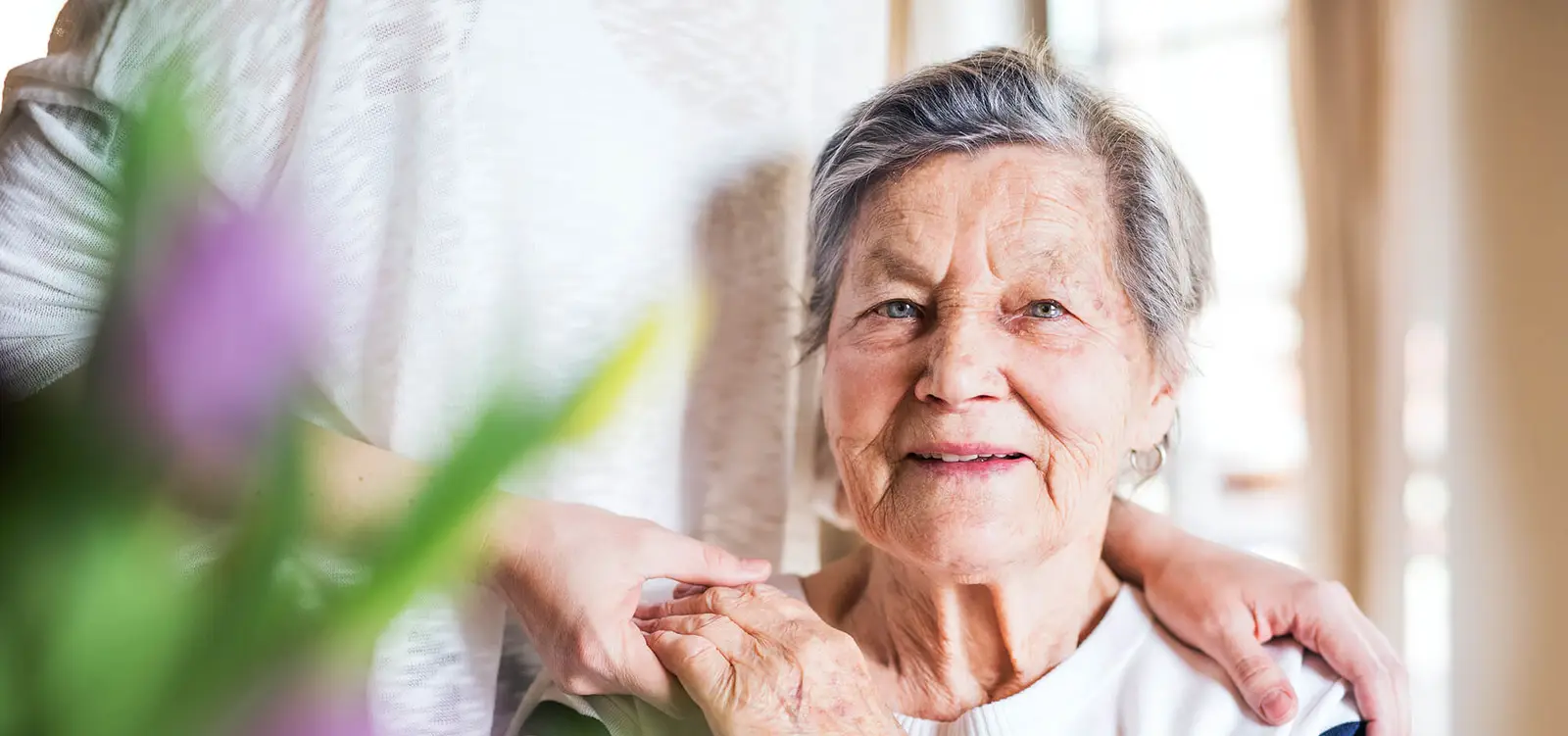
While some people diagnosed with dementia will move into a residential home where they can receive 24/7 care, other families will choose to help their loved one remain in their own home.
As many living with dementia can find change distressing and do not cope well with communal living, in-home elderly care is often the best option.
Surrounded by familiar things and surroundings, a loved one can retain a sense of independent living with private care at home, at the same time as receiving all the support they need to carry out basic daily tasks, which may become more difficult as the condition progresses.
If your loved one has a dementia diagnosis and needs home care, it is vital to ensure their house is as safe and free from risk as possible. Whether you are their caregiver or you have found a live-in carer to support them, there are certain things you can do to minimise dangers around the home and provide your loved one with a safe environment.
People with dementia face a number of challenges that may make continuing to live at home difficult. As the condition progresses, their judgement will become impaired, and they may forget how to work household appliances, or not remember to turn them off.
Being unable to recognise particular rooms or items around the home may become an issue, and they may experience difficulties with balance, mobility and depth perception, meaning they are more likely to d a fall or hurt themselves on furniture. People with dementia can also become easily confused or fearful, particularly when things go wrong or routines are disrupted.
If you want to support your loved one to live in their own home, you need to take a critical look at each room and evaluate how these challenges might affect them. Pinpointing areas of risk and taking steps to prepare your house for home care should be a priority.
If you live with your loved one or employ a full-time Alzheimer’s caregiver for them, it is unlikely they will be left unsupervised in the kitchen. Nevertheless, fitting cookers and gas-supplied appliances with automatic cut-offs is a sensible precaution. Also, make sure that all smoke detectors and carbon monoxide alarms are fully functioning, and remove kitchen rugs or mats to reduce the risk of your loved one tripping on them.
You or your loved one’s private live-in care worker should schedule a regular fridge clear-out, to remove any food which has gone past its use-by date.
You should also store cleaning products, knives and other sharp tools in a locked drawer so that you can supervise their use. Someone with dementia might not be able to work out where things are stored, and labelling cupboards and drawers can help. Try and group similar items together, to reduce the likelihood of your loved one injuring themselves as they hunt for what they need.
In the bathroom, ensure that all taps are clearly marked in red and blue to minimise the risk of your loved one scalding themselves with hot water. Again, remove any mats which might pose a trip hazard and install grab rails around the toilet and the shower or bath. You should also add textured pads to any potentially slippery surfaces, and remove the lock from the bathroom door, to ensure your relative cannot accidentally lock themselves in.
Medication should be kept locked away, as should any cleaning products, and always supervise your loved one if they are using a hair dryer or razor.
Dulcie is one of our longest serving customers. In this video, she and her family talk through their decision to arrange care in the home rather than the care home.
Living with Live in Care: Dulcie's Story
It’s sensible to avoid the use of electric blankets and monitor the use of heating pads. Installing night lights both in the bedroom itself and between the bedroom and bathroom can be of great help to someone with dementia.
In the other areas of the house, remove any objects which might cause an obstruction and increase the likelihood of a fall, and ensure that all rugs are either removed or securely fastened down. Make sure that all rooms are well-lit and that there is plenty of room to manoeuvre, particularly if your loved one needs a wheelchair or walking aid. It is also a good idea to disguise outdoor locks, if possible, to prevent your loved one from leaving the house without you being aware of it.
All power tools and objects with sharp edges should be kept securely locked away, and chemicals or paints should be stored in a garage or shed, which your loved one cannot access. Make sure that car keys are never left unattended and lock outer gates when they’re not in use, to minimise the risk of your relative wandering out into the street.
If you are unable to provide your loved one with the care they need, then employing a live-in carer is a good option. With support from a caregiver trained in dementia care, you can be sure that your loved one is looked after round-the-clock, and someone is on hand should there be any accidents or injuries.
A live-in carer will also be able to monitor dangers in the home, and because they are present 24/7, they can routinely assess any potential hazards and supervise cooking and bathroom trips if necessary. This is likely to sigificantly reduce the chance of a critical moment. Although, if there is an emergency your home carer will be able to help.
Maintaining a sense of independence and control is important for those with dementia, as is having the familiarity of their own living space and routines at home. With sensible precautions and a few minor adaptations to their house, you can enable your loved one to continue living at home for as long as possible.
While some people diagnosed with dementia will move into a residential home where they can receive 24/7 care, other families will choose to help their loved one remain in their own home. As many living with dementia can find change distressing and do not cope well with communal living, in-home care is often the best option.
Zenya Smith | Editorial Contributor
Zenya Smith | Editorial Contributor
Mark Acheson | Editorial Contributor
Mark Acheson | Editorial Contributor

Mark Acheson | Editorial Contributor

Zenya Smith | Editorial Contributor