News
£48m for dementia research: where the money goes and what came before
Inna Oleksiienko | Editorial Contributor
4-minute read | 28/10/2026

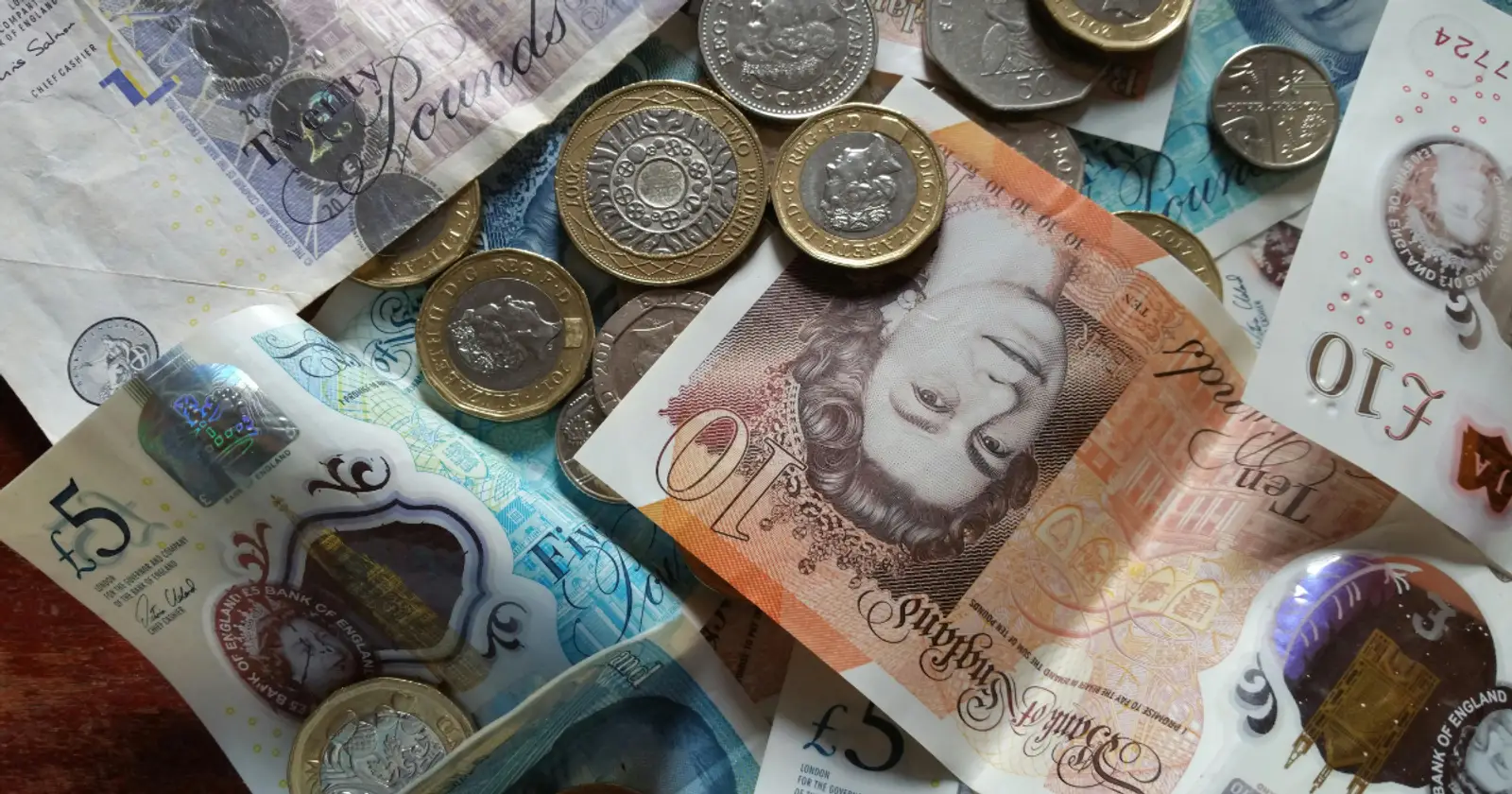
The Autumn Budget was announced on 28 October 2026. It brings several changes for older people, and most of them start in April 2027.
One of the main changes is a new Pension Tax Allowance, which means some pensioners won't pay income tax at all. There's also help with energy bills, and a change to how health benefits like Personal Independence Payment (PIP) are assessed.
Here's what's changing and when.
From April 2027, you won't pay income tax if you're over State Pension age and your total income is no more than the full new State Pension. The government calls this the Pension Tax Allowance.
Around 500,000 pensioners will benefit in 2027-28, according to the government. About 290,000 of them won't pay any income tax. The rest will get a reduced allowance.
This matters because the State Pension is about to rise above the standard £12,570 tax-free allowance. City AM reports that the full new State Pension will go up by £489 to £13,036 a year (£250.70 a week) from April 2027. Without the new allowance, people living only on the State Pension would have started paying income tax.
Chancellor John Healey said these pensioners "will not pay income tax in this Parliament", City AM reports.
The allowance only applies once you reach State Pension age. That age is rising from 66 to 67, depending on when you were born. You can check your State Pension age on GOV.UK.
In 2027, up to 20 million households in England will get a £100 Household Energy Payment. It's for homes in council tax bands A to D. Similar support will be available in the rest of the UK.
The temporary VAT cut on electricity bills will also run until 1 July 2027. The government says this will take around £50 off the Ofgem price cap from April 2027.
The government hasn't yet said how or when the £100 payment will be made.
Personal Independence Payment (PIP) helps with extra living costs if you have a long-term health condition or disability. It's for people who find everyday tasks or getting around difficult. You can get it even if you work or have savings.
You usually need to be under State Pension age to make a new PIP claim. People over State Pension age can usually apply for Attendance Allowance instead.
If you or someone you care for claims PIP or another health benefit, here's what the Budget says.
The Budget also brings in new measures to tackle benefit fraud and error. The government expects these to save £1.4 billion between 2027 and 2032.
The government's Budget announcement doesn't include any new measures on adult social care, unpaid carers or Carer's Allowance. The full Budget documents may say more. We'll update this article if they do.
On 8 October, the government announced new funding for dementia research. Read more in our article on £48m for dementia research: where the money goes.
Elder is an introductory agency and therefore does not direct, control, monitor or oversee the ongoing delivery of care. This article is for general information only and is not a substitute for professional advice, which should be sought when appropriate.
Inna Oleksiienko | Editorial Contributor
Mark Acheson | Editorial Contributor
Mark Acheson | Editorial Contributor
Mark Acheson | Editorial Contributor

Mark Acheson | Editorial Contributor

Mark Acheson | Editorial Contributor