Parkinson's Care
Understanding Parkinson’s: symptoms, causes, and early signs
Paola Labib | Editorial Contributor
8-minute read | 24/09/2026

Every 20 minutes, someone in the UK receives a Parkinson's diagnosis. Even so, myths about the condition persist. This guide separates fact from fiction, so you can understand what's really happening and support a loved one with confidence.
Tremors can feel unsettling to notice, but a tremor alone doesn't point to Parkinson's.
People with Parkinson's usually also experience balance problems, slower movement, and memory changes.
The most common cause of hand and arm tremors is essential tremor, which isn't linked to Parkinson's. Symptoms can worsen over time, but they stay manageable for most people.
Parkinson's develops when brain cells that produce dopamine start to die. Doctors don't fully understand why this happens, but age, genetics, and environmental factors may all play a part.
A stroke, even a mild or silent one, can block blood flow to the brain and lead to Vascular Parkinsonism. This condition belongs to a wider family of movement conditions that includes Parkinson's.
Vascular Parkinsonism shares some symptoms with Parkinson's, including problems with memory, movement, and sleep. Unlike Parkinson's, though, it doesn't usually get worse over time. You can read more about Vascular Parkinsonism and other forms of the conditions in our types of Parkinson's guide.
People sometimes mistake Lyme disease for Parkinson's. Ticks spread the bacteria that cause Lyme disease, and it brings a wide range of symptoms, including memory loss and shaking. The right treatment usually clears these symptoms.
Other progressive conditions share similar symptoms too, including Dementia with Lewy Bodies. Modern diagnostic tools make a mistaken diagnosis unlikely.
If you're worried about tremors or memory loss, speak to your GP as soon as you can. They can help you get the right diagnosis and treatment.
Parkinson's usually starts after age 60, though it can appear in people as young as 30 or 40.
Most people recognise changing motor skills and tremors as early warning signs. But Parkinson's has other, lesser-known symptoms too, including:
These symptoms have many possible causes and don't always point to Parkinson's. Your GP can offer the right support if you're concerned about any of them.

At least 2.5 hours of exercise a week may help slow the progress of Parkinson's symptoms.
Choose exercises that feel safe, are easy to stick with, and that your loved one enjoy. Walking, dancing, and light aerobics are popular choices, and they can improve balance and agility.
Parkinson's can feel isolating at times. Exercising with others, whether family, friends, or a local group, helps your loved one stay social and can lift your mood too.
If their symptoms are mild, they could try exercises that build a sweat and get the whole body moving, like running, cycling, or swimming.
If their symptoms have progressed further, exercises that improve balance and flexibility work well. For complex symptoms, gentle home workouts and chair exercises can make everyday tasks easier.
Always check with a nurse, GP, or physiotherapist before starting a new exercise. Parkinson's UK's exercise toolkit offers ideas too.
Many people keep driving after a Parkinson's diagnosis. The first step is telling the DVLA or DVA, who'll send forms to complete and may arrange a driving assessment.
Some Parkinson's drugs, particularly dopamine agonists, can cause sudden and excessive sleepiness that makes driving unsafe. If your loved one experience this, stop driving and talk to a GP, specialist, or Parkinson's nurse straight away, as an alternative medication might work better.
The Blue Badge scheme helps people who struggle with walking. It lets you park in bays closer to amenities, and on single and double yellow lines. Steering aids and pedal adaptations can make cars easier to use too.
Stem cells could lead to better Parkinson's treatments one day, but they aren't ready yet.
Scientists grow these special cells in a lab and can turn them into almost any cell type. Researchers have turned them into dopamine-producing cells to replace those lost to Parkinson's.
But doctors need more proof that stem cells are safe and effective before they become an approved treatment.
Sadly, no cure for Parkinson's exists yet.
Drugs like Levodopa may slow symptoms by replacing the brain's missing dopamine. They work particularly well in the early stages of Parkinson's.
Stopping brain cells from getting sick in the first place remains far harder to solve.
Parkinson's affects everyone differently. As such, researchers are exploring a range of new therapies for different forms of the condition, rather than searching for one cure that fits everyone. Gene therapy is one such approach. Researchers hope it can reprogramme cells to keep them healthy.
Treatment options can feel overwhelming. Your doctor will talk you through them and help you find what fits you best. Doctors often combine medication with physiotherapy or occupational therapy to help you manage the condition and keep doing what you love for longer.
Research milestones in the treatment of Parkinson's
Parkinson's UK funds research into new Parkinson's treatments and has already uncovered a lot about the condition.
If you're looking after a loved one with Parkinson's, there will always be tough moments. Parkinson's UK offers free factsheets and can point you toward local caregiver support groups through your doctor's surgery.
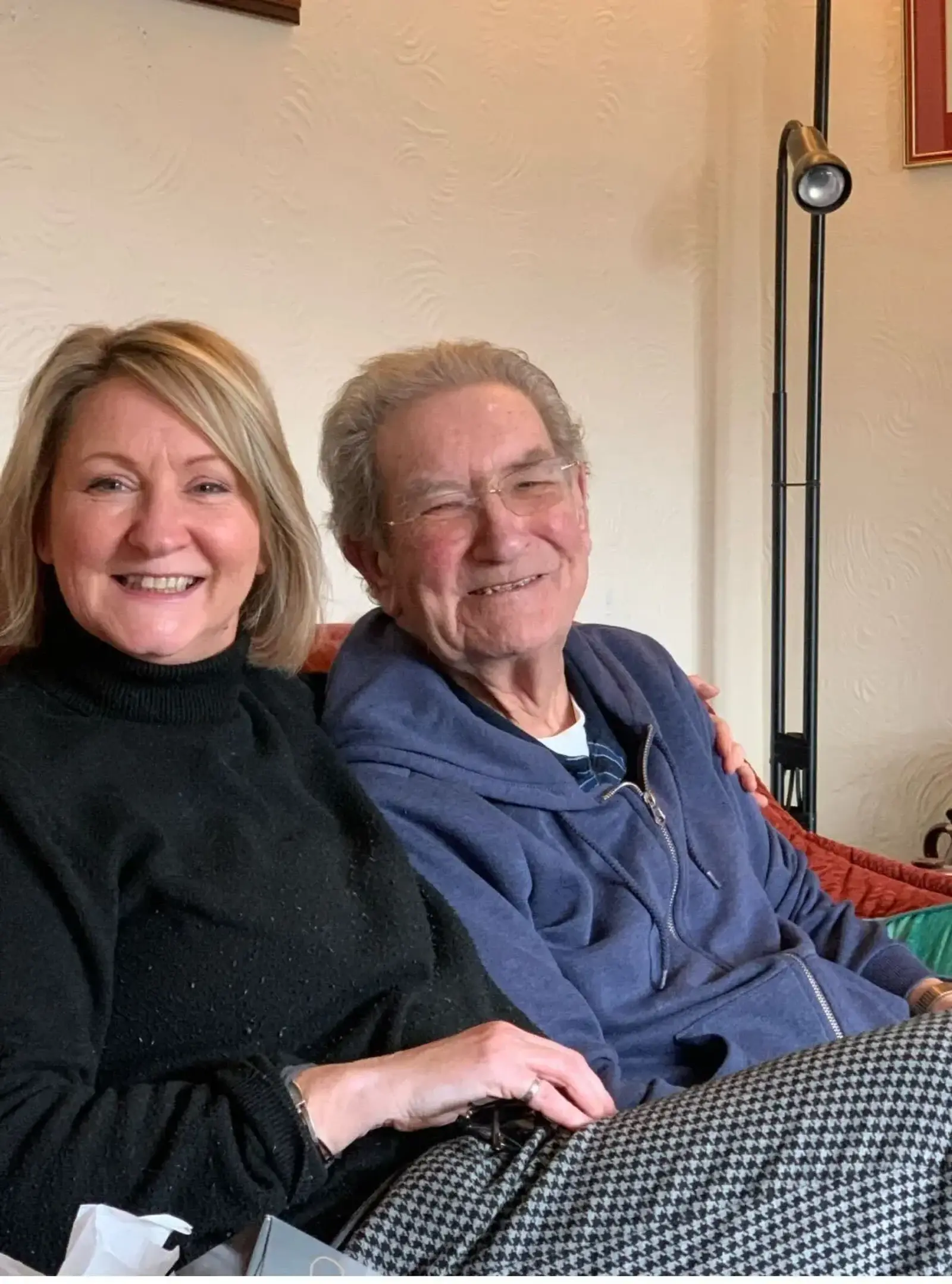
Walking was Colin's passion. When he lost that freedom after a hospital stay, his daughter Hayley knew live-in care was the only way to help him get back on his feet safely. His carer Norman became the steady, encouraging presence Colin needed. With structured support and gentle motivation, Colin gradually rebuilt his confidence, reconnected with his community, and returned to the daily walks that mattered so much to him.
"It was Norman really who helped him get back on his feet in the park", said Hayley.
Families supporting a loved one with Parkinson's often reach a similar point. Extra hands at home can make all the difference, whether that's help with exercise routines, medication timing, or simply having company during a harder day.
Read Hayley and Colin's full story
Every family takes the news differently, and it's normal to feel unsettled even once you've had time to process it. Your loved one might downplay their symptoms or brush off your concern, often because they don't want to feel like a burden. That's a common reaction, not a sign they're hiding how they really feel.
If this has left you wondering what kind of support might help, our care advisors are happy to talk through your options, whatever stage you're at.
0333 920 3648Elder is an introductory agency and therefore does not direct, control, monitor or oversee the ongoing delivery of care. This article is for general information only and is not a substitute for professional advice, which should be sought when appropriate.
Paola Labib | Editorial Contributor
Zenya Smith | Editorial Contributor
Zenya Smith | Editorial Contributor

Zenya Smith | Editorial Contributor