
Live-in care
Long-term 24-hour support
- A carer lives in the home to provide round-the-clock support
- Suitable for people living with conditions like dementia, reduced mobility, etc.
- For long-term care needs
Home care offers professional, flexible support that enables individuals to live safely and independently in their own homes.
Whether you’re looking for occasional visiting care or full-time live-in care, Elder's technology and expert care advisors will help match you with a carer that meets your loved one’s care needs, personality and interests.
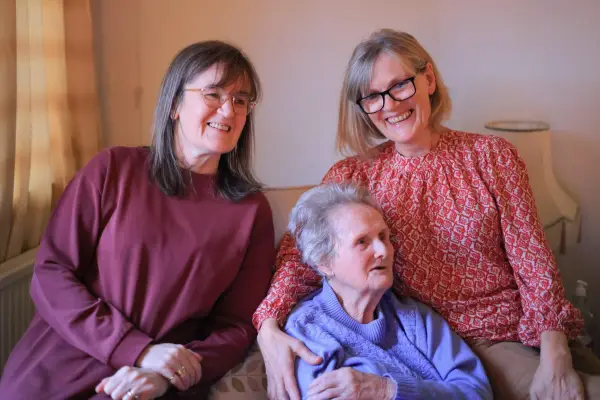
See how Sharon eliminated stress over distance and found trusted support.
Find a carerCall us
Home care is professional support provided in your own home. It can include help with personal care, household tasks, medication reminders, mobility support, and companionship.
Home care is suitable for older adults, people with long-term conditions, those recovering from illness or surgery, or anyone who needs extra support to live independently at home.
In many cases, home care can begin within 24–48 hours, depending on your location and care needs.
Yes. Home care allows people to remain in familiar surroundings while receiving tailored, one-to-one support, often providing greater flexibility and comfort than residential care.
Long-term 24-hour support

Temporary 24-hour support
Flexible home visits

Most home care is charged by the hour. In 2026, typical hourly costs are:
Some providers may charge higher rates for short visits, evenings, weekends or bank holidays. It’s always worth checking what is included when comparing care packages.
Personal care
e.g. help with washing, toileting, and prompting medication
Dressing and grooming
e.g. shaving and hairstyling
Meal preparation
e.g. cooking meals to dietary requirements and tastes
Light housekeeping
e.g. vacuuming, keeping surfaces clean and doing laundry
Running errands
e.g. going to the shops or picking up prescriptions
Companionship
e.g. providing company and encouraging hobbies and interests
Pet care
e.g. feeding and exercising pets
Mobility support
e.g. encouraging gentle and suitable exercise
Light gardening
e.g. watering flowers and keeping pathways clear
Admin support
e.g. keeping on top of post, paperwork, and appointments
Medication prompting
e.g. ensuring medication is taken correctly
Ventilation and oxygen support
e.g. BiPAP or CPAP Support
Specialist drug administration
Including Controlled Drug Administration, Covert Medication Administration, Glucose readings via finger pricks, Injections, Pessaries, Enemas, Suppositories
Stoma care
PEG care
Wound care
Choosing between home care and a residential care home depends on your loved one’s unique needs, preferences, and overall health. Understanding the key differences can help you feel more confident about what’s right for them.
Home care lets your loved one stay in the comfort of their own home with personalised, one-to-one support. They can keep their routines, enjoy familiar surroundings, and receive care tailored to their needs — without the disruption of moving away.
A care home can be ideal for those needing constant supervision or specialist medical support. It offers 24/7 care and social activities, though often with less flexibility and independence than staying at home.
Home care helps your loved one stay independent and in control of their daily life. With Elder, every care plan is built around their preferences, so they can live safely and comfortably in the place they love.

Finding the right care can feel overwhelming, but hearing how others made the decision can help. Explore real stories of families who found trusted support through live-in care.

When dementia specialists advised against a care home, Kenn and Nicole found live-in care as another way to support their parents and keep them in the family home.
Read Kenn and Nicole's story
Sharon shares how home care supported her mum Sheila and gave her peace of mind knowing her mum was cared for and never alone.
Read Sharon's story
Hayley shares how live-in care gave her dad tailored support, enabling him to regain his independence after being discharged from hospital.
Read Hayley's storyTell us your care requirements using our request form, including the type of care you’re looking for, any specialist skills you need, and what daily life looks like.
You’ll start receiving profiles of suitable self-employed carers within 24 hours. Chat to them online or arrange a phone or video call, before choosing who you like best.
Once your agreement with your carer begins, use your MyElder account to chat with them and the Elder team, manage your schedule and care information, and find respite cover if you need it.