
Dementia Care
Films about dementia: 10 films and shows to help you understand it
Inna Oleksiienko | Editorial Contributor
12-minute read | 22/10/2026


There’s no right or wrong way to feel after a loved one’s dementia diagnosis, and you’ll likely have a lot to think about. The important thing to realise is that you’re not alone. Following a diagnosis, your loved one’s GP or local authority will work with you both to create a care plan, detailing the care and support they’ll need to remain independent. There’s a lot of free support out there too, from charities and online support groups to day centres and dementia cafes. We’ll run through all of this below.
Everyone reacts differently to a dementia diagnosis, and there is no right or wrong way to behave.
It may take your loved one a few days for everything to feel “real”. They may have heard medical terms or jargon they’d not heard before. It can take time to take it all in and understand what it means for the future.
If they feel angry or upset, that’s okay. Some people feel a sense of sadness, loss or loneliness. For others, there may be a sense of relief, as they can finally understand why they’ve been experiencing disorientating symptoms like memory loss. Everyone is different, and how someone feels can change from day to day.
If you're supporting a person with dementia through a diagnosis, give them plenty of time and space to process how they're feeling in their own way. They may not be ready to talk about the diagnosis straight away. The Alzheimer's Society recommends:
There are likely to be questions. Make a note of any you don't have the answers to, so you can seek the right advice further down the line.
It can also help if they write down any worries, fears and uncertainties. Some people find it helpful to keep a journal they can refer back to, or use to express their feelings.
A dementia diagnosis can significantly affect the emotions of the person themselves, and of family and friends. Some people experience disbelief, anxiety, depression and hopelessness, amongst many other feelings.
Family and friends can find it hard to accept a diagnosis, especially if the person's symptoms don't match what they expected, or if the person is younger than they'd expect. A diagnosis of early onset dementia brings its own worries: keeping a job, the family's finances, and the impact on children or teenagers.
Friends and family often feel grief watching someone change in the early stages of dementia, and mourning the future they’d pictured sharing with them. This is sometimes called anticipatory grief, and some hide these feelings to avoid upsetting their loved one.
Family, friends and the person diagnosed don't always agree on big decisions or how to cope, and that can add tension at an already difficult time. If you're worried about having difficult conversations, we've shared some expert guidance on how to discuss difficult topics with your loved one.
Here’s just how many people share this experience:
We understand that it can be hard to know what to say to someone who has just been diagnosed with dementia. You may worry about upsetting them, or saying the wrong thing. Here are some ideas of things you could say:
"How are you feeling?"
Asking how they're feeling, and including them in conversations, shows that their thoughts and feelings still matter. It helps them feel like themselves, not just someone being looked after.
"I'm here for you."
If they don't want to answer "How are you feeling?", don't push them to talk. They may just need time. Let them know you're there when they're ready, and that comfort doesn't have to come with words.
"I know this is hard."
Put yourself in their shoes. They may feel frightened, confused or overwhelmed. Acknowledging that a dementia diagnosis is hard shows them they're not alone in how they feel, and that reassurance can make it easier for them to start exploring support.
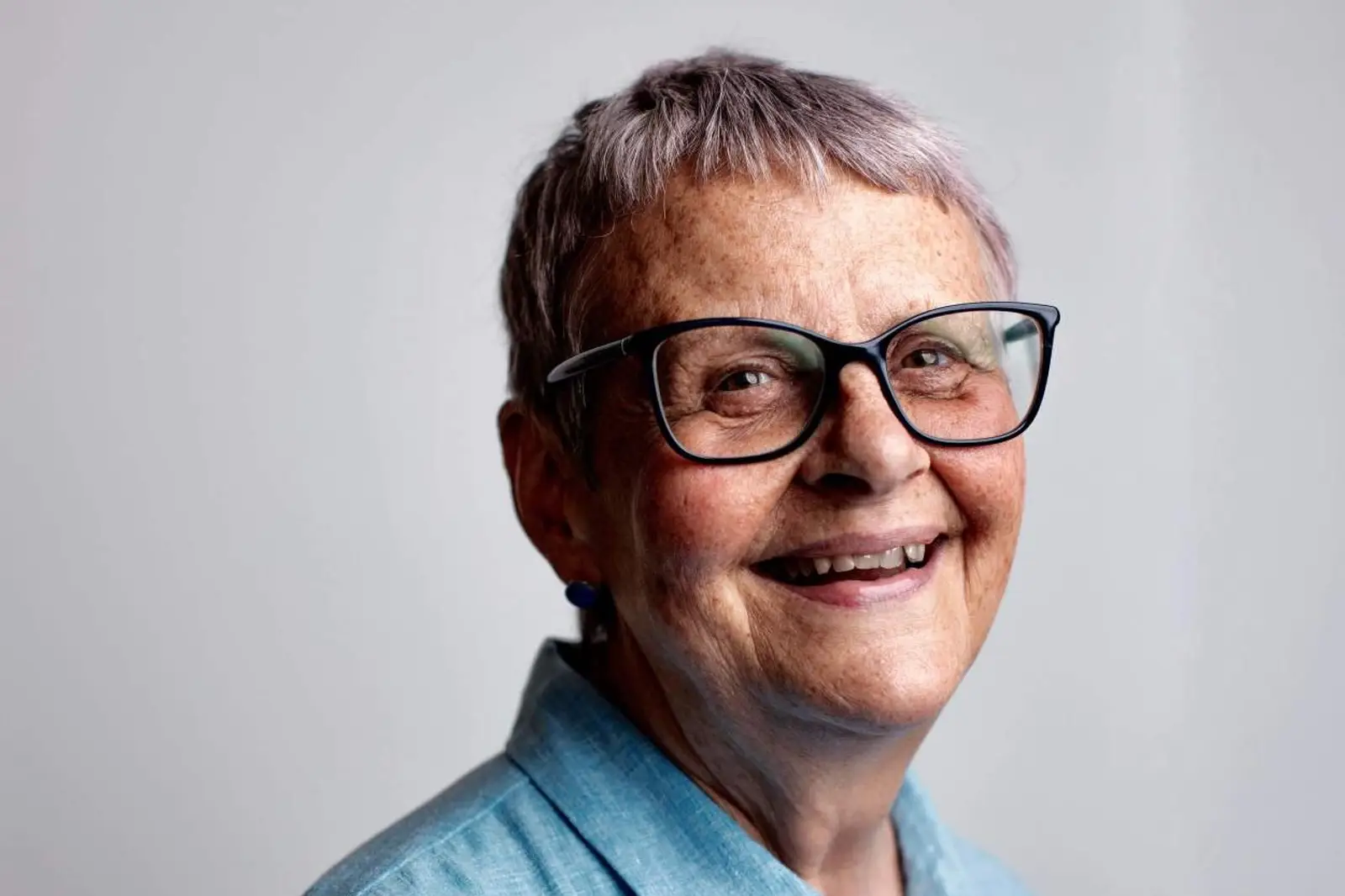
Wendy Mitchell was diagnosed with dementia at the age of 58. She shared the following tips with the Alzheimer's Society on how to support and empower people living with the condition:
What dementia has taught Wendy Mitchell: why she is no longer afraid
We talked to Wendy Mitchell about how her dementia has changed her sense of self, the power of peer support and why she’s still up for a new challenge.
You'll find plenty of free support available online and in your loved one’s local area, but you may need to seek it out. Their GP is a good first port of call, especially if they gave the original diagnosis. They'll usually have plenty of information, and can recommend local support services and groups.
If your loved one received a diagnosis through a memory clinic, staff there should give you links to support groups and local organisations that can help.
Organisations such as Alzheimer's Society and Age UK can give you detailed information about dementia and point you toward support groups. Dementia UK also has a free online resource centre with guides on everything from the best books about dementia to seeking financial and legal advice. These charities can also tell you about local schemes your loved one might benefit from, such as local dementia cafes or sensory walks. Dementia cafes offer a safe space to discuss feelings, learn new things, and take part in meaningful activities such as crafting to support self-expression. You can find local cafes, and search for dementia support groups near you, through Alzheimer’s Society’s support services finder.
As we've covered, people with dementia cope in different ways. Sometimes, they feel more comfortable talking about their diagnosis with people they don't know. Connecting with others who have recently been diagnosed can help reassure your loved one that they're not alone.
Alzheimer's Society's Dementia Support Forum is an online community where people can read others' experiences, ask questions and learn more about what to do next.
Life with dementia will be different, and a person is likely to need help with their regular daily activities at some stage.
Your loved one's doctor may refer you to the local social services department for a needs assessment. If nobody offers this automatically, you can contact their local council and ask for the social services department yourself.
A needs assessment looks at where your loved one needs help. This covers daily tasks that have become difficult, and any potentially dangerous situations, such as cooking meals or managing stairs. Needs often change as dementia progresses through its different stages, so it’s worth asking for a review if things change.
Anyone is entitled to a needs assessment, and there's no charge for the service. Once social services confirm your loved one qualifies for care and support, they'll complete a financial assessment to work out how much they'll pay. You can find out more about different types of care funding in our guide to the cost of care.
A diagnosis of dementia can bring thoughts of the future into focus. If your loved one has strong feelings about how they want to be cared for, this can be a good time to put together an Advance Statement. This lets friends, family and carers get to know what’s important to them and their daily living. It can include their likes and dislikes, the television programmes they enjoy, the foods they like best, the types of outings they enjoy, and who they want to spend their time with. An Advance Statement can help them keep a sense of control over their future care.
It’s also worth thinking about Lasting Power of Attorney, which lets your loved one choose who makes decisions on their behalf if they’re no longer able to. Our guide to Lasting Power of Attorney explains how it works.
You might also think about how to make the home dementia-friendly, in case your loved one wants to stay there for as long as possible. Simple changes, such as repainting walls and doors in contrasting colours, can make the home easier to navigate.
Caring for someone with dementia long-term is demanding, and research shows carers with little support are more likely to experience stress and depression.
If friends or family can't help, there are other options. Not every type of support suits every situation, so it's worth trying a few to see what works for you.
Several people and organisations can offer in-person or online support, including:
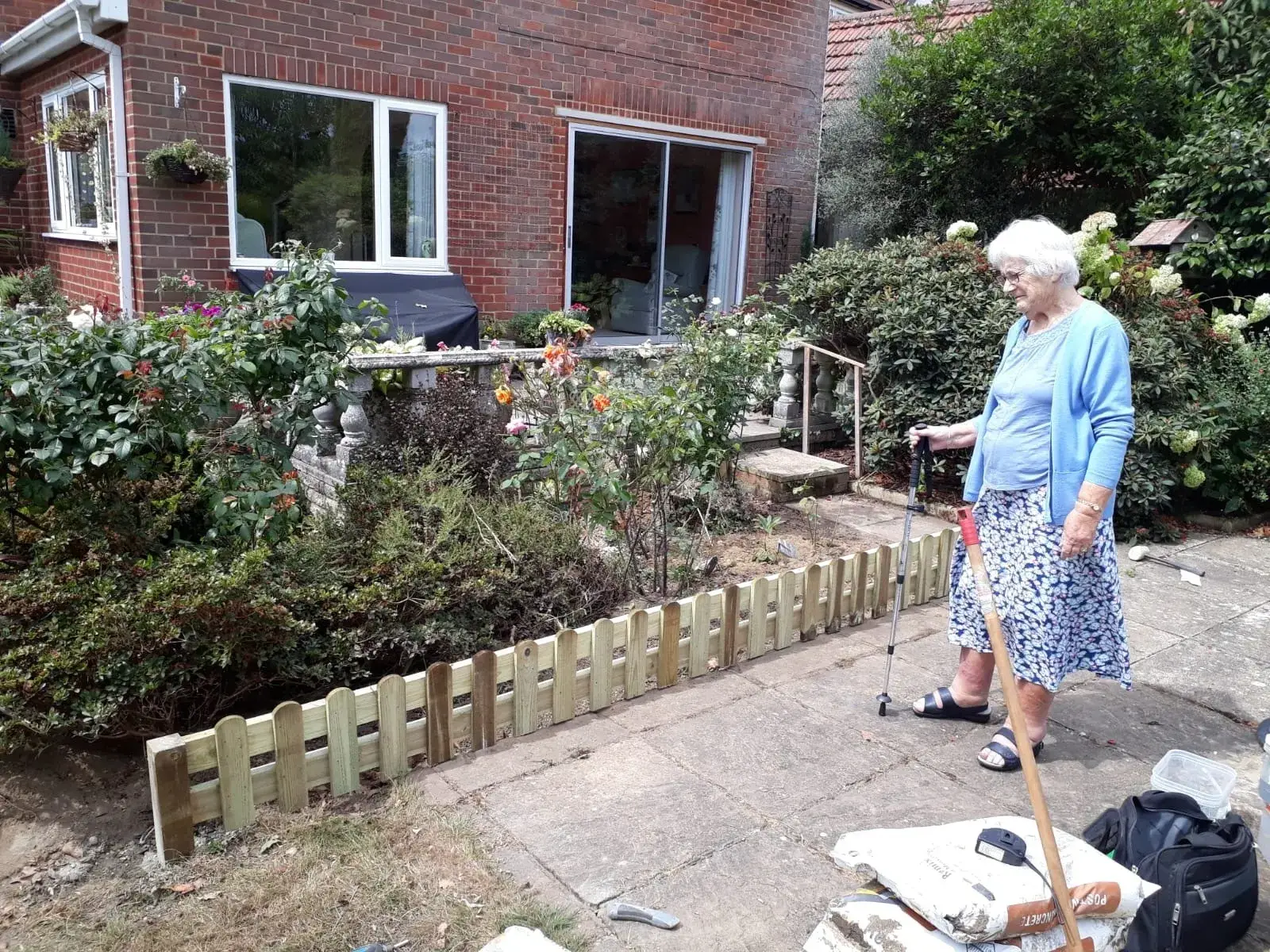
Penny’s mum lives with Alzheimer’s. Like many families, Penny found that getting the right support took some of the worry off her shoulders. That let her focus on what mattered most: being there for her mum, and making sure she still has a good quality of life.
"We all work together to make sure that my mum has the best quality of life that she can," Penny says.
A dementia diagnosis doesn’t always mean your loved one has to move into a care home. Care at home is a popular choice for many families, and Elder can help you find a carer. It means older people can stay in the safe, familiar surroundings of their own home, even when they can no longer live alone. They can still keep a good quality of life.
With live-in care, a dedicated carer moves into the home and lives alongside the person they’re caring for. They support an independent, everyday life, without the disruption of moving somewhere new.
A carer can help with everything from simple companionship care to the more complex demands of dementia care. This includes support with bathing and dressing, reminders for medication and appointments, and help with mobility.
It takes time to come to terms with everything a diagnosis brings, and there’s no set timeline for working out what support looks like. If you’re wondering what kind of support might help, our care advisors are happy to talk through your options.
0333 920 3648Elder is an introductory agency and therefore does not direct, control, monitor or oversee the ongoing delivery of care. This article is for general information only and is not a substitute for professional advice, which should be sought when appropriate.
Inna Oleksiienko | Editorial Contributor

Earl Estologa | Editorial Contributor
Earl Estologa | Editorial Contributor
Earl Estologa | Editorial Contributor
Earl Estologa | Editorial Contributor
Zenya Smith | Editorial Contributor