Complex Care
Arthritis care
Zenya Smith | Editorial Contributor
6-minute read | 24/03/2026
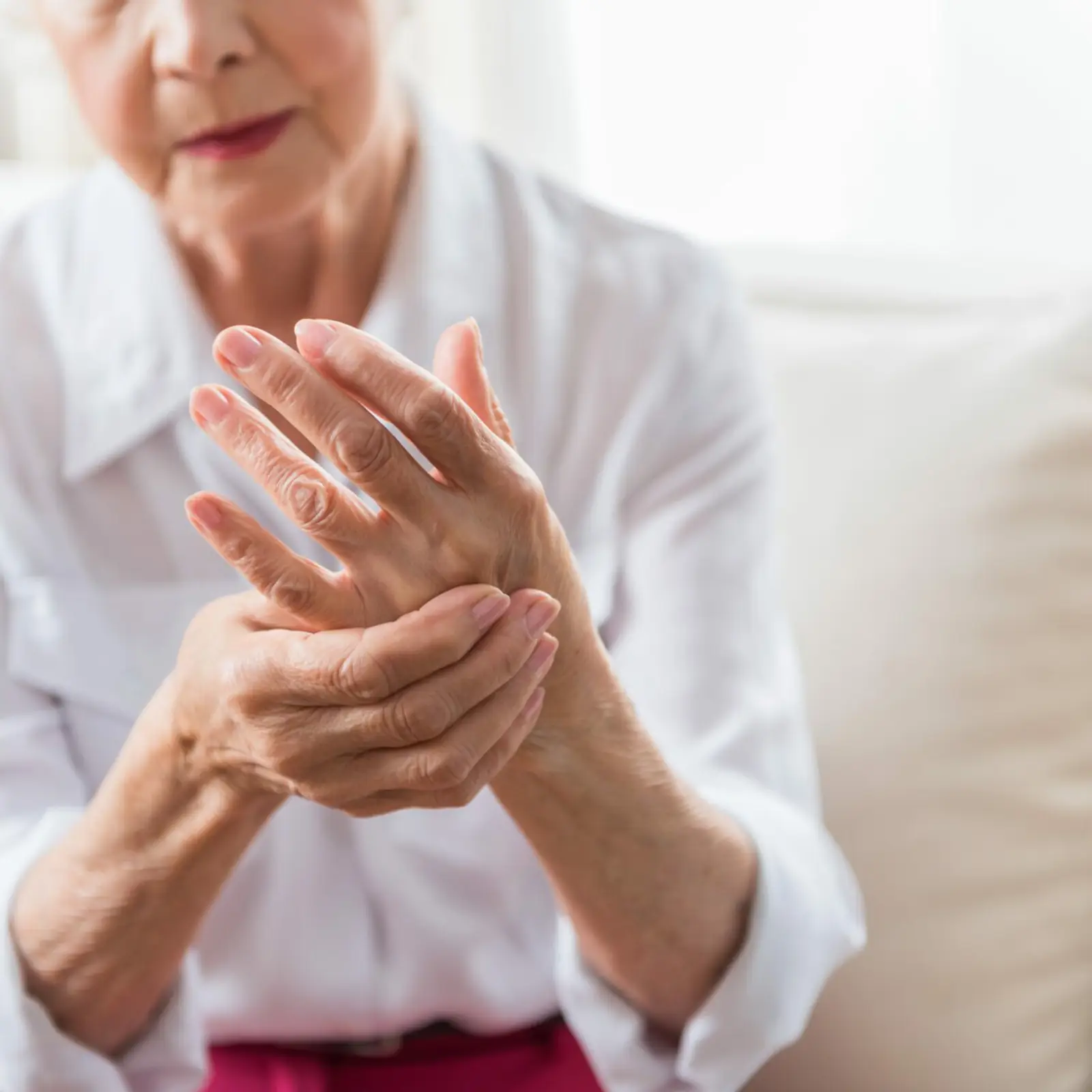
Osteoporosis is a health condition that weakens bones in the body. This makes them more likely to break on impact, such as if a person trips or falls.
It’s often referred to as the ‘silent disease’, as there are no obvious symptoms of the condition until an accident or injury causes the fragile bones to break. While breaks can happen to any bone, the most common breaks among people with osteoporosis, according to the NHS are wrist fractures, hip fractures, and spinal fractures.
It’s estimated that over three million people in the UK are living with osteoporosis, with over 500,000 people receiving hospital treatment for osteoporotic fractures each year. Statistics show that approximately 1 in 2 women and 1 in 5 men over the age of 50, will break a bone due to osteoporosis.
When discussing osteoporosis, you may come across the term ‘osteopenia’, which is a condition that can sometimes develop into osteoporosis.
Osteopenia happens when your bones begin to lose density, and the inside of the bones become brittle due to a loss of calcium.
There are several risk factors which can increase a person’s likelihood of developing osteoporosis. These include:
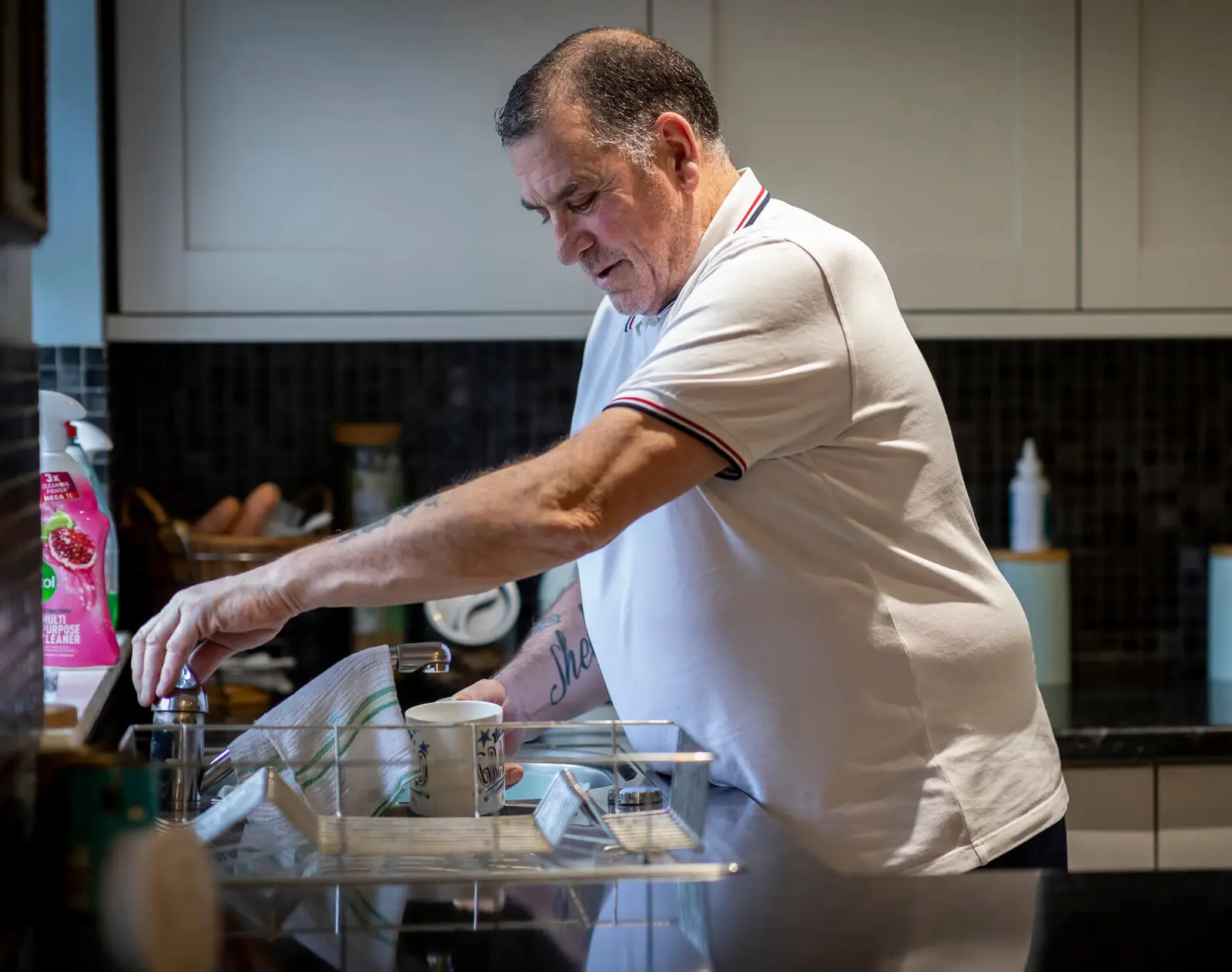
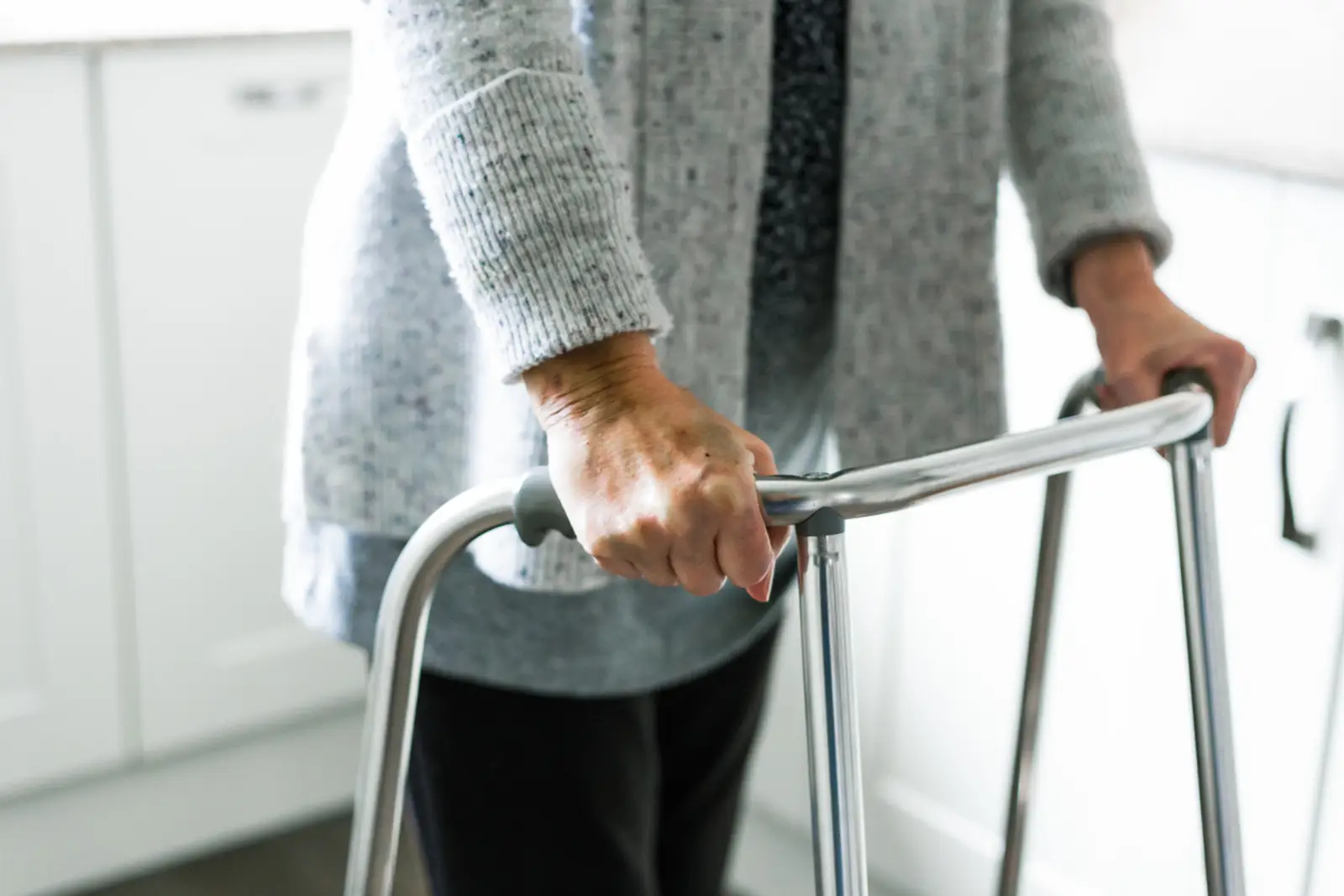
It’s important to remember that every experience of osteoporosis is different, and what you can and can’t do will depend on the severity of the condition, and your overall health. Some people with severe osteoporosis may be unable to do household chores themselves, or walk very far. Meanwhile others with the condition may find it has little impact on their everyday lives.
Here are some examples of how osteoporosis can affect daily life:
Caring for osteoporosis in the right way is important for a person’s safety and enjoyment of life. From prevention and treatment, to support with living with the condition, there are plenty of ways to help:
Did you know?
Some councils provide a hot meal delivery service or frozen meal deliveries for you to heat up at home, if you find cooking for yourself difficult, or are recovering from a broken bone. Find out more about meals on wheels services.
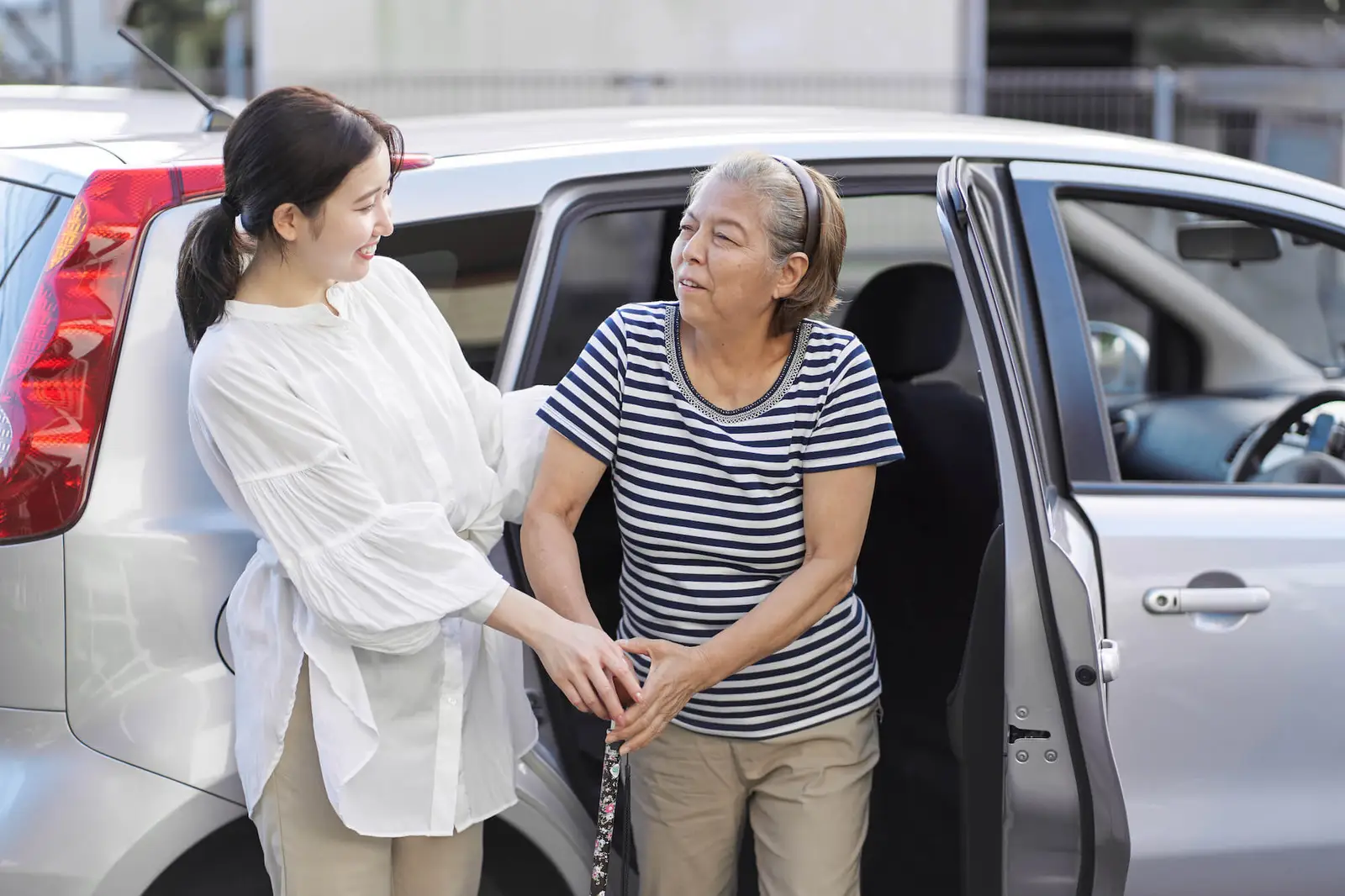
The thought of a fall for older people with osteoporosis can be frightening. The fear of hurting themselves can often lead to people becoming inactive, to minimise the risk. This is counter-productive, as it can lead to increased stiffness, loss of balance and an increased likelihood of falling.
A live-in carer can help to support mobility and the treatment of osteoporosis, as well as other aspects of day-to-day life, such as cooking and cleaning.
Live-in care service providers such as Elder go to great lengths to see that carers are carefully matched with those seeking care. This ensures they’ll have plenty in common, enabling them to form a friendship, and happily share the same living space.
Meanwhile family and friends can be confident that their loved one is safe, happy, and in the capable hands of a compassionate and experienced live-in carer.
A live-in carer can help with things like:
Elder is an introductory agency and therefore does not direct, control, monitor or oversee the ongoing delivery of care. This article is for general information only and is not a substitute for professional advice, which should be sought when appropriate.
Zenya Smith | Editorial Contributor
Zenya Smith | Editorial Contributor
Zenya Smith | Editorial Contributor
Zenya Smith | Editorial Contributor
Zenya Smith | Editorial Contributor
Zenya Smith | Editorial Contributor