
Live-in care
Seven things to do with your elderly parents in Manchester
Earl Estologa | Editorial Contributor
5-minute read | 29/08/2017
People of any age can suffer from a mental illness, and as many as one in four of the UK's population is diagnosed with a mental health problem at some point in their lives. Each case is different and can have a significant effect on the person's daily life and well-being.
There are various causes of mental health problems – some may be genetic while others are caused by specific events or elements in the person’s lifestyle. Sometimes the cause is impossible to establish.
Depression and anxiety are very common issues that can affect individuals of all ages. Some people can suffer from OCD (obsessive compulsive disorder) that can make carrying out normal tasks very difficult for them. There are many different eating disorders including anorexia and bulimia, where people do not have a healthy relationship with the food they eat and these can be extremely serious.
Phobias can also limit what a person can do and in the worst cases can mean that an individual is unable to leave their home or have any normal kind of social life at all. Other mental health problems experienced by many people in the UK include schizophrenia, bi-polar disorder, multiple personality disorder and post traumatic stress disorder.
These illnesses can cause people to have real problems in their daily life and be experienced by anyone of any age. They may withdraw from friends and family, become reclusive and sometimes neglect their personal hygiene and fail to care for their appearance.
This can make it even more difficult to engage in social interactions so their self-esteem can also suffer. Some people have problems with managing their medication or are unable to cope with money and get into debt.
Although older people do suffer from mental health problems, they only constitute a small percentage of the people receiving treatment or health care for these. This may be partly due to the stigma that they feel is associated with mental illness and the fact that many elderly people are reluctant to admit to depression or other illnesses and ask for help.
In popular culture, people with mental illnesses are often portrayed in a very negative light, and this may influence how older people view mental health problems. There may also be an element of ageism affecting the mental health services that are available for older people, with budgetary restraints meaning that they may be viewed as less able to benefit from the services than younger people.
Many of the day to day activities we take for granted can become difficult for older people with mental health problems. Coping with housework and general domestic duties may pose problems, so this is one area where elderly care can help.
In addition to supporting your loved one with practical tasks around the home, a live-in carer will help with meal planning and preparation so that they will receive a nourishing diet which promotes good mental health.
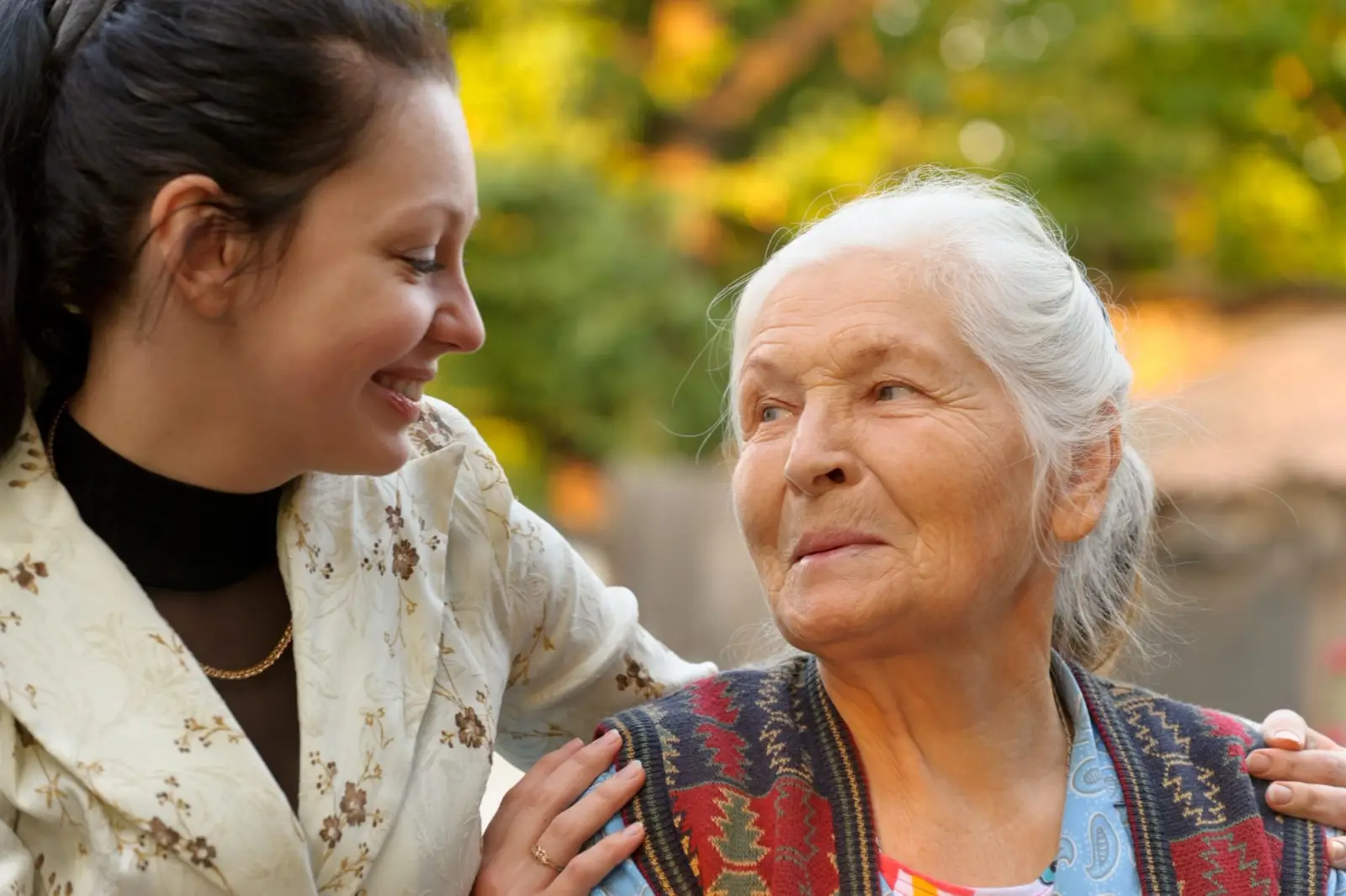
Having someone that your loved one can talk to and confide in can help, especially if they’re feeling depressed or are suffering from anxiety. The carer will be able to encourage your loved one to carry on with their daily activities and, because they become more like a friend or family member to the older person than a carer, they can prevent feelings of loneliness by offering friendship and companionship.
Help with maintaining the older person’s personal appearance and hygiene is another area that is often very important. Ensuring that your loved one is clean and tidy will help to make them feel better generally and give them greater confidence in social situations. A live-in carer will also be able to support your loved one to engage in social activities both in the home and outside it, as well as planning suitable therapeutic activities for them.
If the older person needs help with their medication management, this can also be taken care of. Taking medication correctly is often very important to maintain stability, and arranging home help can give you the reassurance of knowing that your parent is following their doctor’s instructions properly.
Money management may also be a problem, so the carer will be able to help with this, ensuring bills are paid on time and that your loved one does not become a target for any unscrupulous scams.
Care at home from live-in carers can be provided for many different conditions including dementia. This can occur alongside other mental health problems, and your care provider should be able to select a live-in carer with the appropriate training and experience to meet your loved one’s needs if they are living with dementia or other conditions as well as their mental health issues.
Older adults living with health conditions such as dementia benefit greatly from being able to receive the care they need in a familiar environment and from a carer who they will build a bond with. This solution avoids the trauma of moving to a residential home and being cared for by strangers.
Many of the day to day activities we take for granted can become difficult for older people with mental health problems. Coping with housework and general domestic duties may pose problems, so this is one area where companion care can help. In addition to supporting your loved one with practical tasks around the home, a live-in carer will help with meal planning and preparation so that they will receive a nourishing diet which promotes good mental health.
Earl Estologa | Editorial Contributor

Paola Labib | Editorial Contributor

Zenya Smith | Editorial Contributor
Paola Labib | Editorial Contributor
Zenya Smith | Editorial Contributor
Zenya Smith | Editorial Contributor