Mixed Dementia: Symptoms, Causes and Stages
7-minute read | 03/03/2026
Editorial Contributor

Mixed dementia is a common type of dementia, particularly in older adults. It happens when a person has more than one type of dementia at the same time, most often a combination of Alzheimer’s disease and vascular dementia.
Because symptoms can overlap, mixed dementia can be complex to diagnose and understand. Below, we explain what mixed dementia is, what causes it, how it progresses, and what families can expect.
What is mixed dementia?
Mixed dementia is a condition where changes in the brain, linked to two or more types of dementia, occur together.
The most common form is mixed Alzheimer’s and vascular dementia. This means a person has:
- Alzheimer’s disease, which causes damage through abnormal protein build-up in the brain
- Vascular dementia, which results from reduced blood flow to parts of the brain.
Both types of damage affect thinking, memory and behaviour but in slightly different ways. When they happen together, symptoms may appear more varied or less predictable.
Mixed dementia is more common in people over 75 and may be underdiagnosed, as it can be difficult to identify more than one cause during life.
What causes mixed dementia?
Mixed dementia develops when different types of brain damage happen at the same time.
For example:
- Alzheimer’s disease is linked to amyloid plaques and tau tangles that disrupt communication between brain cells.
- Vascular dementia is caused by strokes, small vessel disease, or other conditions that reduce oxygen supply to the brain.
Certain health conditions can increase risk, including:
- High blood pressure
- Diabetes
- High cholesterol
- Heart disease
- Smoking
- Older age
Because vascular problems and Alzheimer’s-related changes are both common in later life, it’s possible for both to develop together.
Mixed dementia symptoms
Mixed dementia symptoms often reflect a combination of Alzheimer’s and vascular dementia.
Symptoms may include:
- Cognitive symptoms, including memory loss (especially short-term memory), difficulty concentrating, problems with planning and decision-making and disorientation
- Emotional and behavioural changes, including mood swings, depression or apathy, irritability and changes in personality
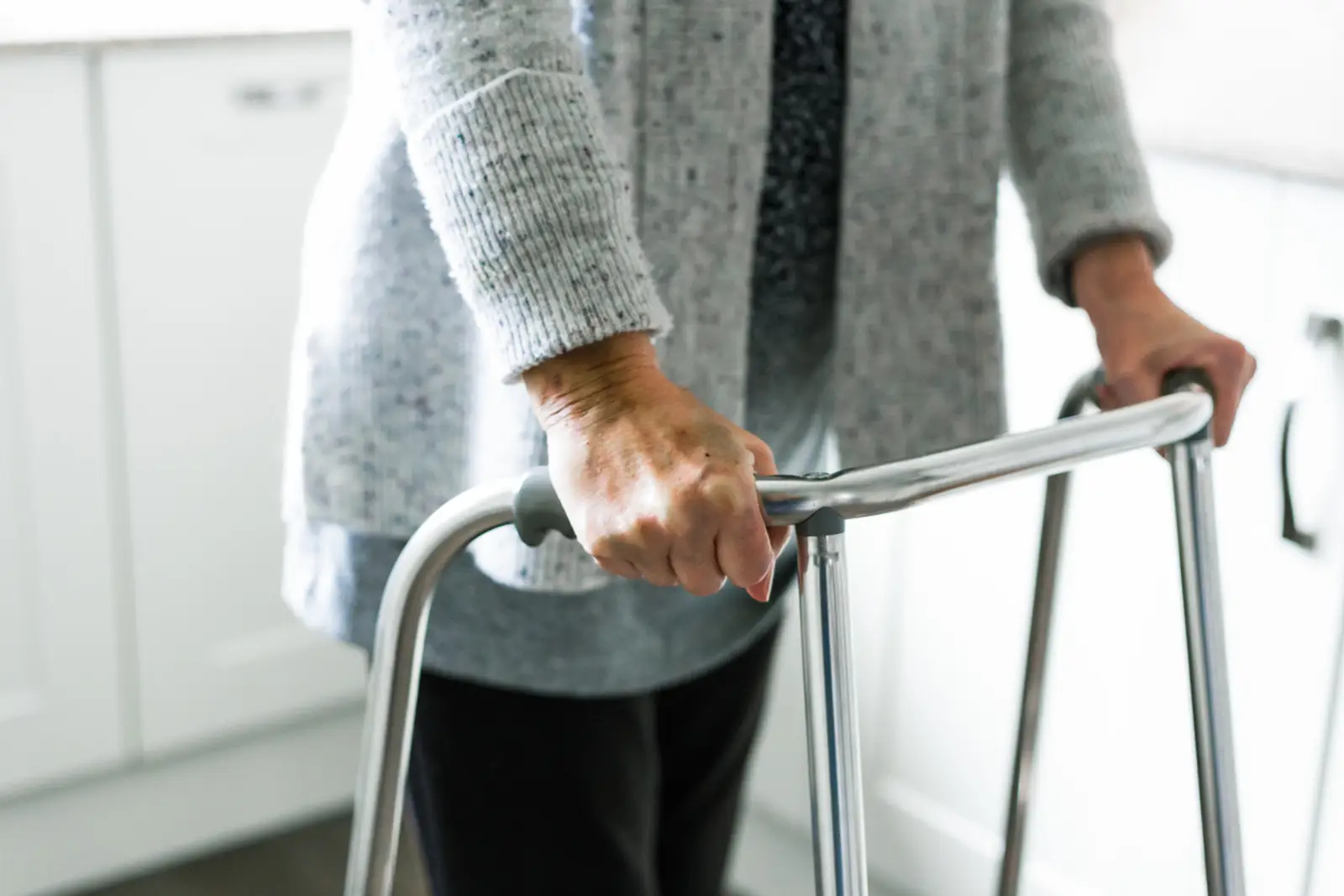
- Physical symptoms, including slower movement, balance problems, weakness on one side of the body and difficulty walking.
Symptoms vary depending on which type of dementia is more advanced and how much vascular damage has occurred.
How is mixed dementia confirmed?
Mixed dementia can be difficult to confirm because a person can have symptoms linked to more than one type of dementia. As a result, they may initially be diagnosed with a single type, such as Alzheimer’s disease or vascular dementia, when in fact two or more conditions are present. This can influence the treatment, care and support they are offered.
The first step in confirming a diagnosis is to see a GP. The GP will carry out general health checks and simple memory assessments. If dementia is suspected, the person will usually be referred for further evaluation, often at a memory clinic.
Confirming mixed dementia requires specialist assessment. A healthcare professional with expertise in different types of dementia will consider the pattern of symptoms and determine whether more than one form of dementia is contributing to the person’s condition.
Mixed dementia stages
Mixed dementia is often described in three broad stages: early, middle and late. However, there are no officially defined mixed dementia stages. Instead, progression usually reflects a combination of patterns seen in Alzheimer’s disease and vascular dementia.
Some people experience a gradual decline over time, while others may have more sudden worsening of symptoms, e.g. after small strokes. For many, it is a mixture of both.
Early stage
In the early stage, symptoms are typically mild and may include:
- Mild forgetfulness
- Subtle changes in mood
- Difficulty managing complex tasks
Middle stage
As the condition progresses, symptoms become more noticeable:
- Increased confusion
- Greater difficulty managing daily activities
- Behavioural or personality changes
- Possible mobility issues
Late stage
In the later stage, individuals usually require significant support:
- Severe memory impairment
- Limited communication
- Increased physical frailty
- Greater need for full-time care
It’s important to remember that mixed dementia affects everyone differently, and the speed and pattern of progression can vary from person to person.
Mixed dementia life expectancy
If you’re wondering about mixed dementia life expectancy, it’s important to understand that there is no fixed timeline.
Average life expectancy after a dementia diagnosis is often between 5 and 10 years. However, this can vary significantly depending on:
- Age at diagnosis
- Other health conditions
- Level of care and support
- Severity of symptoms
Many people with mixed dementia eventually die from complications such as infections, stroke, or other underlying health conditions rather than dementia itself.

Treatment and support
There is currently no cure for mixed dementia. However, treatment can help manage symptoms and support quality of life.
This may include:
- Medication commonly used for Alzheimer’s disease
- Treatment to manage blood pressure, cholesterol or diabetes
- Cognitive stimulation
- Physiotherapy
- Emotional and psychological support.
Support for carers is also essential, as caring for someone with dementia can be physically and emotionally demanding.
Living with mixed dementia: getting the right support
Supporting someone with mixed dementia can become increasingly demanding as symptoms progress. As memory, thinking skills, mobility and behaviour change, extra help is usually needed to ensure the person remains safe, comfortable and well cared for.
Professional care at home can assist with:
- Washing, dressing and personal care
- Managing and prompting medication
- Cooking meals and encouraging good nutrition
- Help with movement and reducing the risk of falls
- Meaningful companionship and emotional support
- Keeping an eye on changes in health or symptoms.
For many people living with mixed dementia, staying in familiar surroundings can provide reassurance and a sense of stability, which may help ease anxiety and confusion.
How Elder can support your family
At Elder, we help families arrange high-quality home care with experienced self-employed carers.
Support can be arranged in different ways, including:
- Hourly visiting care for help at set times during the week
- Live-in care, where a carer stays in the home to provide consistent, one-to-one support.
Live-in care allows your loved one to continue living in the place they know best, with routines built around them and support that adapts as their needs change.
If you’re considering care for someone with mixed dementia, speak to one of our care advisors to talk through your situation and help you decide on the most suitable level of support.
Frequently asked questions about mixed dementia
In the early stages, many people can live independently with some support. As symptoms progress, help with daily activities such as cooking, medication management and personal care usually becomes necessary.
It’s difficult to predict how quickly mixed dementia will progress.The speed of progression depends on:
- The extent of vascular damage
- Whether further strokes occur
- Overall health and medical management
Managing cardiovascular risk factors, such as high blood pressure and diabetes, may help reduce further vascular damage and support overall wellbeing.
In the later phase of the condition, individuals typically require round-the-clock care.
Common features of the advanced stage include:
- Very limited speech
- Inability to walk independently
- Difficulty swallowing
- Weight loss
- Increased risk of infections such as pneumonia.
At this point, care usually focuses on comfort, dignity and quality of life. Advance care planning can help families feel more prepared.
Most cases are not directly inherited. However, certain genetic factors linked to Alzheimer’s disease may slightly increase risk. Lifestyle and cardiovascular health also play a significant role.
There is no guaranteed way to prevent mixed dementia. However, reducing risk factors for vascular disease, such as maintaining healthy blood pressure, staying physically active, and not smoking, may lower overall dementia risk.
Families may begin considering full-time care when a person is no longer safe living alone, is experiencing frequent falls, wandering, or requires daily help with personal care and medication.