Arrange care
6 Weeks Free Care After Hospital: What It Means and What Happens Next
Mark Acheson | Editorial Contributor
6-minute read | 05/06/2026


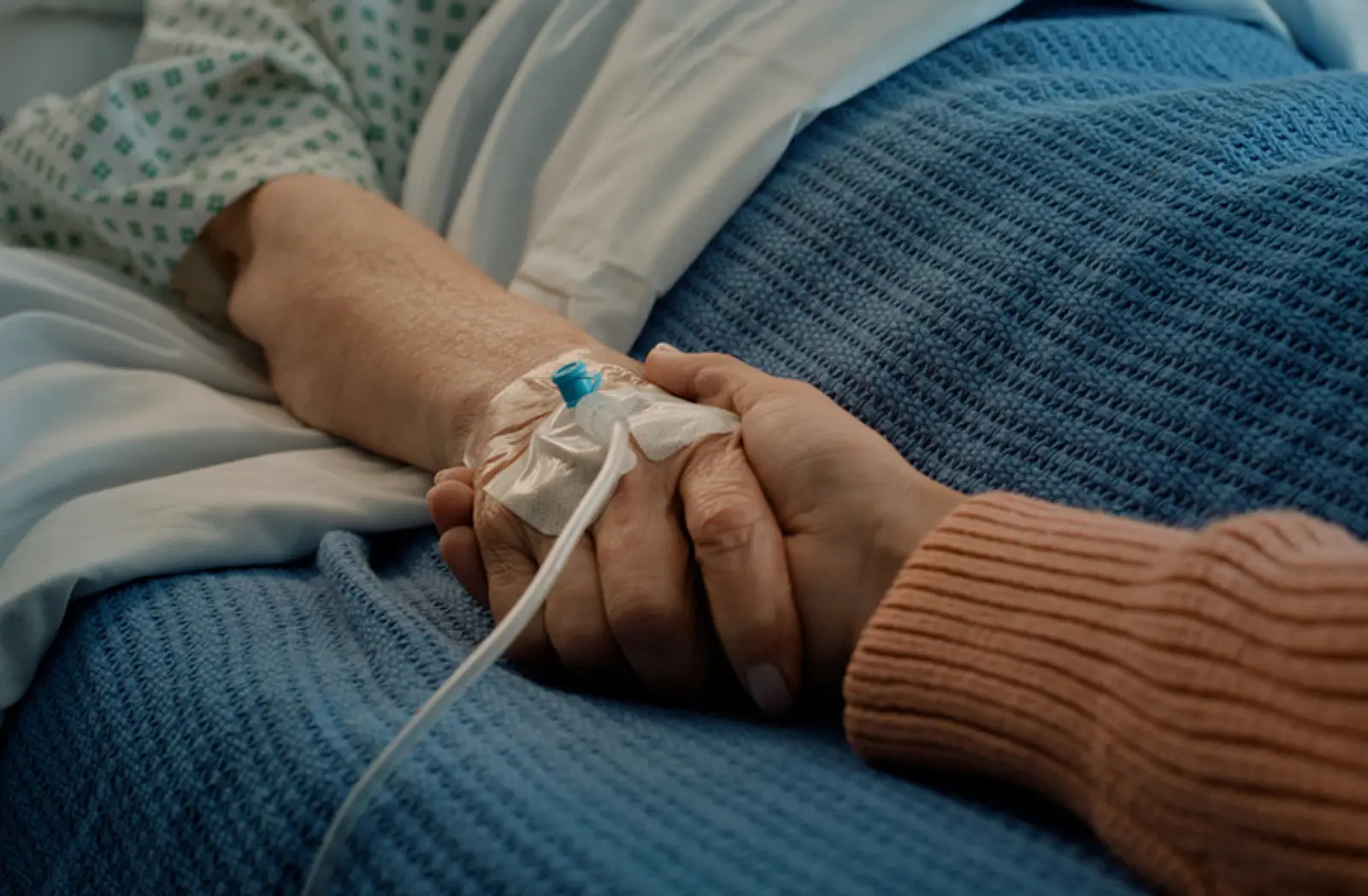
An unsafe discharge from hospital in the UK happens when an older person is sent home or to another setting before it is safe, or without the right care, support, or planning in place, as required under NHS and local authority discharge guidance. This can put their health, wellbeing, and independence at serious risk.
For elderly patients, a safe discharge is not just about being medically stable. It also means having the right support at home, clear follow‑up plans, and a realistic understanding of what they can manage day to day.
Older adults are more likely to:
When discharge planning is rushed or incomplete, older people face a higher risk of:
Unsafe discharge is a common cause of avoidable harm and hospital readmissions among elderly patients.
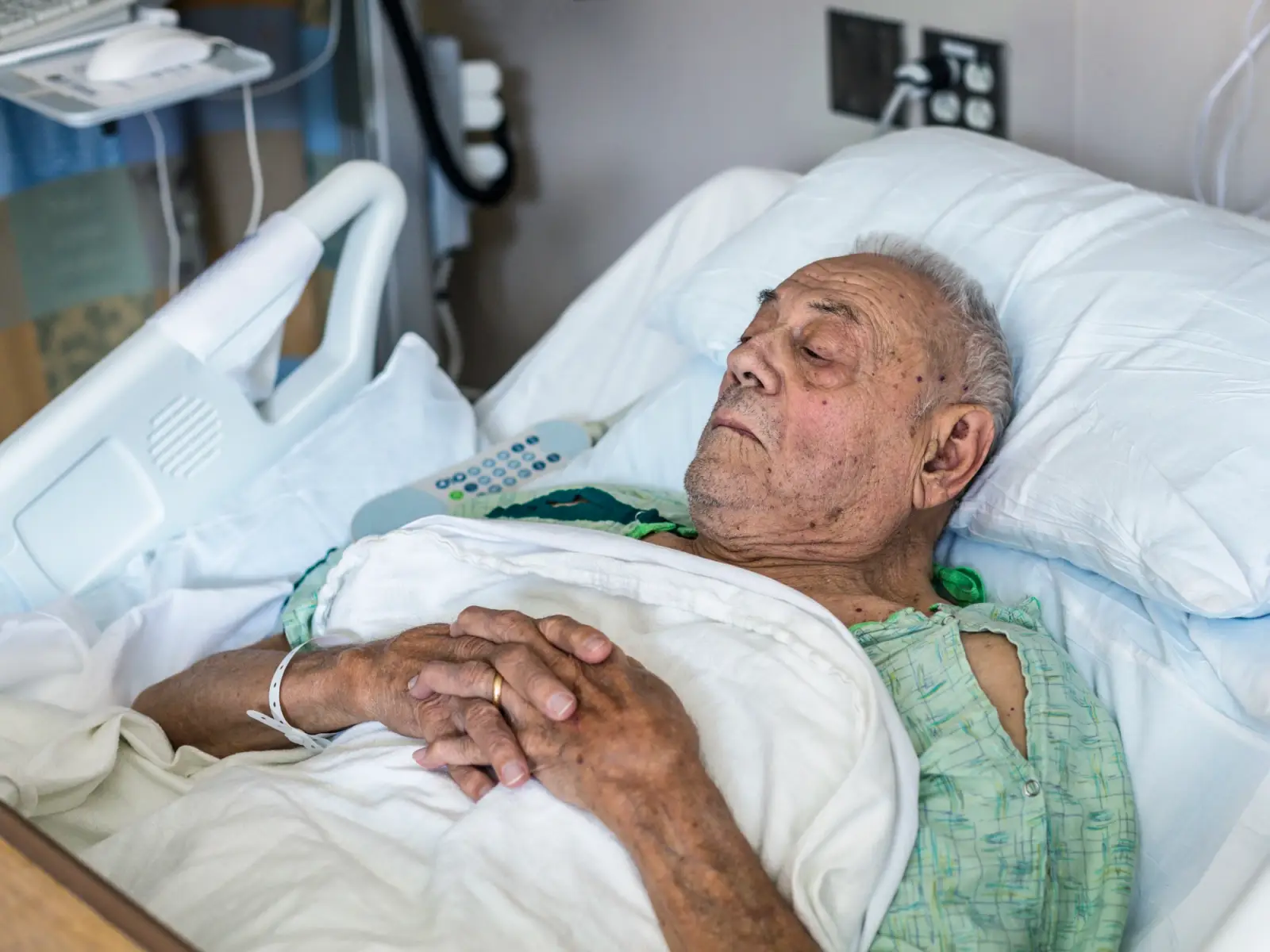
Below are common indicators that an elderly patient may be facing an unsafe hospital discharge under UK NHS guidance.
Families often sense something is wrong before discharge. Warning signs may include:
Older people living with dementia are particularly vulnerable to unsafe discharge if cognitive needs are overlooked.
Under NHS discharge guidance, a safe discharge should be planned, coordinated, and centred on the individual, particularly for older people with complex needs.
A safe discharge should include:
Many families explore care at home as part of discharge planning, particularly when an older person needs ongoing support to recover safely.
For many older people, short‑term support after discharge is essential for recovery.
When hospital discharge was imminent, Anne needed urgent care for her friend Sheila
An unsafe discharge may breach NHS guidance and, in some cases, statutory duties under the Care Act 2014. Local authorities have a legal responsibility to assess and meet eligible care needs, while NHS bodies have a duty of care to avoid foreseeable harm.
An unsafe discharge may breach:
While not every poor discharge is unlawful, hospitals have a duty of care to ensure patients are not put at foreseeable risk. Families have the right to raise concerns and request reassessment.
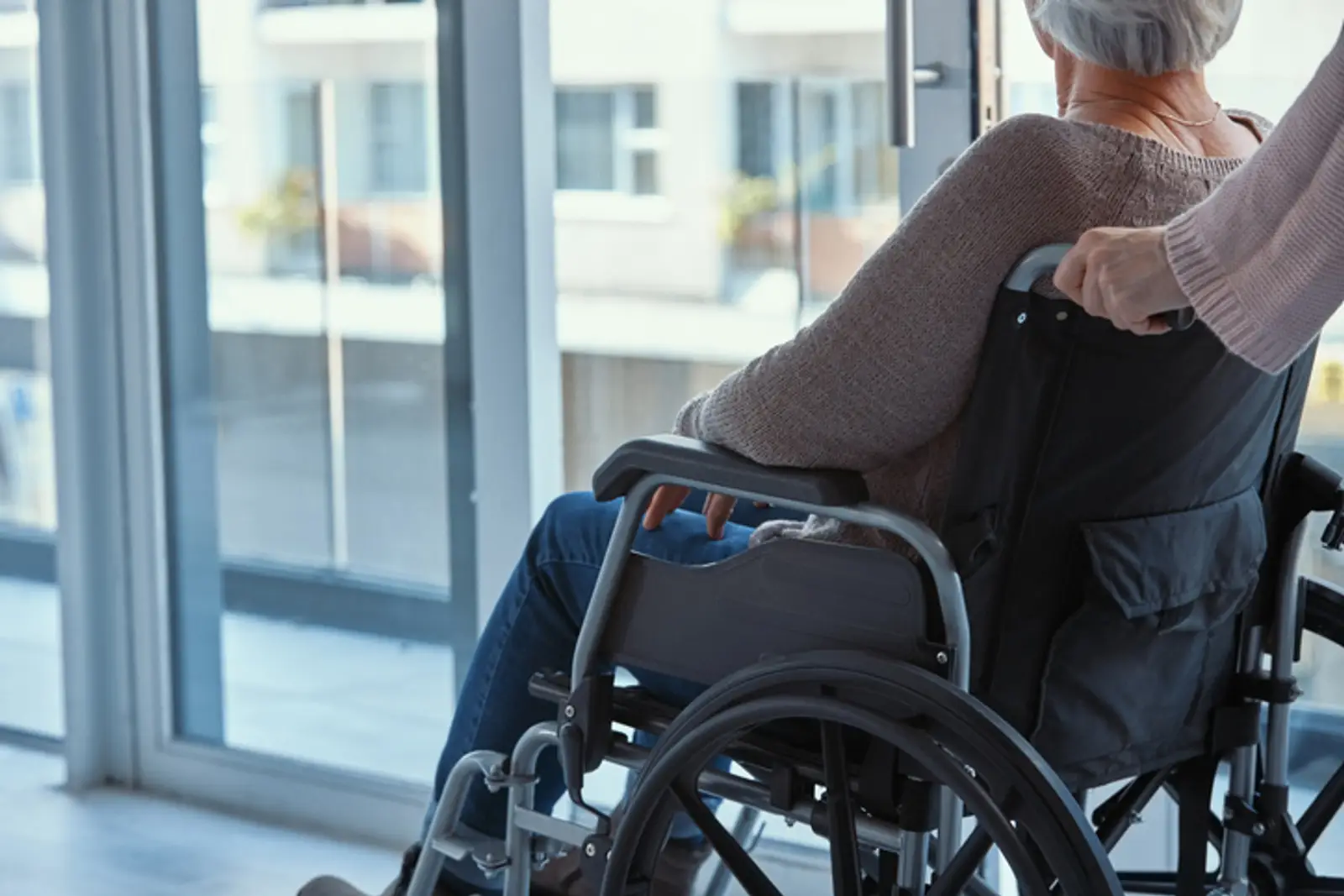
If your concern relates to an older person leaving hospital without adequate support, Elder’s guide to hospital discharge and care planning can help you understand your options.
If you believe an elderly relative is being discharged unsafely:
You can say:
“I’m concerned this discharge isn’t safe. What support will be in place at home?”
If an older person cannot safely manage at home after leaving hospital, families often arrange hourly or live‑in care to bridge the gap.
Live‑in care can provide:
This option allows many older people to avoid unnecessary readmission or long‑term residential care.
If an older person needs extra support after leaving hospital, Elder can help arrange flexible care at home, whether that’s short-term help during recovery or longer-term support.
Elder has helped more than 8,000 families remove their loved ones from hospital in a timely and safe manner.
Families can choose from hourly care, temporary live-in care following a hospital stay, or permanent live-in care for ongoing needs. Care is arranged quickly, tailored to the individual, and allows older people to remain safely in the comfort of their own home.
This flexibility can reduce the risk of readmission, ease pressure on families, and ensure that no one is left without the support they need after discharge.
0333 920 3648Elder is an introductory agency and therefore does not direct, control, monitor or oversee the ongoing delivery of care. This article is for general information only and is not a substitute for professional advice, which should be sought when appropriate.
Mark Acheson | Editorial Contributor
Paola Labib | Editorial Contributor
Zenya Smith | Editorial Contributor

Zenya Smith | Editorial Contributor
Zenya Smith | Editorial Contributor
Zenya Smith | Editorial Contributor