How to find the right live-in carer for your loved one
Need a live-in carer you can trust? At Elder, we help you find a compassionate, reliable carer who’s the right fit for your loved one.
Find a carerCall us

Why is it important to find the right live-in carer?
The right live-in carer can profoundly transform a person's quality of life. They offer bespoke, one-to-one support that goes beyond basic assistance, fostering independence, ensuring safety, and bringing invaluable peace of mind to the entire family.
A well-matched live-in carer provides:
- Enhanced independence and comfort: Your loved one remains comfortably at home, preserving routines and community connections.
- Unbeatable peace of mind: Knowing an experienced, compassionate professional is providing continuous care offers immense reassurance.
- Personalised and dignified support: Care is highly individualised, with tasks handled with utmost dignity and compassion.
- Emotional support and companionship: The perfect live-in carer helps combat loneliness and fosters emotional well-being, significantly impacting quality of life.
- Adaptability to changing needs: The right carer seamlessly adapts care plans as health conditions evolve, avoiding disruptive moves.
While a carer's skills are vital, the human connection is paramount. Inviting someone new into your loved one’s home requires a high level of comfort and trust, making the selection process intensely personal.
Expert advice: Alexis Cable on choosing your carer
Hear directly from Alexis, Elder's former Head of Clinical, as she shares practical insights and advice to guide you in choosing the ideal live-in carer for your loved one.
6 tips on how to choose the perfect live-in carer
Navigating the process of finding a live-in carer can feel overwhelming. These 6 essential tips will guide you through each stage, helping you make an informed decision for your loved one.

1. Define care needs and craft a detailed 'wish list'
Before you begin your search, thoroughly assess your loved one's specific care requirements and compile a detailed 'wish list' of desired carer qualities and responsibilities. This clear understanding is the absolute foundation for finding the perfect, long-lasting match.
To create your comprehensive 'wish list':
- Open dialogue: Talk openly with your loved one about their daily life – what's challenging, what they'd like help with, and what they wish to maintain independently. Their input is invaluable.
- Identify specific needs and preferences:
- Personal care: Assess comfort levels and required assistance (bathing, dressing, toileting).
- Mobility and transfers: Detail needs for walking, transfers (e.g. bed to chair), or mobility aids.
- Medical conditions: List health issues (e.g. dementia, Parkinson's) impacting energy, mobility, or medication management. Note if specific training is needed.
- Domestic support: List household chores (meal preparation, cleaning, errands, pet care).
- Recreational and social: Hobbies, interests, or desire for companionship.
- Dietary: Any allergies, preferences (e.g. vegetarian), or specific dietary needs.
- Driving: Confirm if the carer needs a driving license and their own car, or can drive yours.
- Factor in family contributions: Consider responsibilities family members can and wish to continue. This helps integrate the carer's schedule seamlessly, allowing for their breaks or coordinated family visits.

Expert insight from Alexis, Elder's former Head of Clinical:
“It’s really important to work out what you are looking for and set out a list of must haves, nice to haves, and deal breakers. The person who’ll receive the care may be looking for different qualities and you may be surprised at how they would rank the skills and abilities that you value.”

2. Understand and trust the carer vetting process
The way carers are vetted varies significantly by provider type. Understanding this process is crucial for your peace of mind and ensures you're choosing a safe, qualified professional.
- Agencies and introductory services: Reputable providers should have a robust screening process and openly share its details. At a minimum, expect a full background check, including an Enhanced DBS check (or a PVG in Scotland) to identify criminal records.
- Private Hiring: If you opt for hiring a carer privately, you'll be responsible for all background work, legal responsibilities, and employment rights (e.g. holiday pay, taxes). This is a complex undertaking.
- Elder's enhanced screening: Elder go above and beyond these basic checks with additional screening. For example, to join the Elder platform, self-employed carers must:
- Have a clean Enhanced DBS certificate.
- Provide at least two professional and verifiable references.
- Complete a character assessment to ensure natural caring aptitude.
- Complete a judgement assessment to ensure sound decision-making in critical moments.
3. Ensure qualifications, skills, and experience align
The right live-in carer must possess the necessary qualifications, skills, and experience to confidently meet your loved one's specific needs. A comprehensive assessment of these attributes is vital for effective and safe care.
Key skills and qualifications to look for:
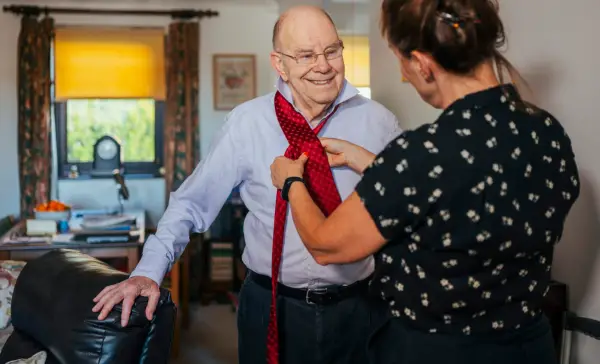
Core care skills: Medication management, personal care assistance (bathing, dressing), safe manual handling, first aid, nutrition, and infection control.

Specialist training: For specific conditions, ensure the carer has relevant experience and training in areas such as dementia care (understanding behaviours, communication), Parkinson's support, stroke rehabilitation, palliative care, or support for spinal/brain injuries.

Experience nuances: Consider both professional care setting experience and personal caregiving experience (e.g. caring for a loved one). Both paths can produce excellent carers; assess what's most important for your situation. For complex needs, deep, specific experience is crucial.
4. Prioritise compatibility and lifestyle similarities
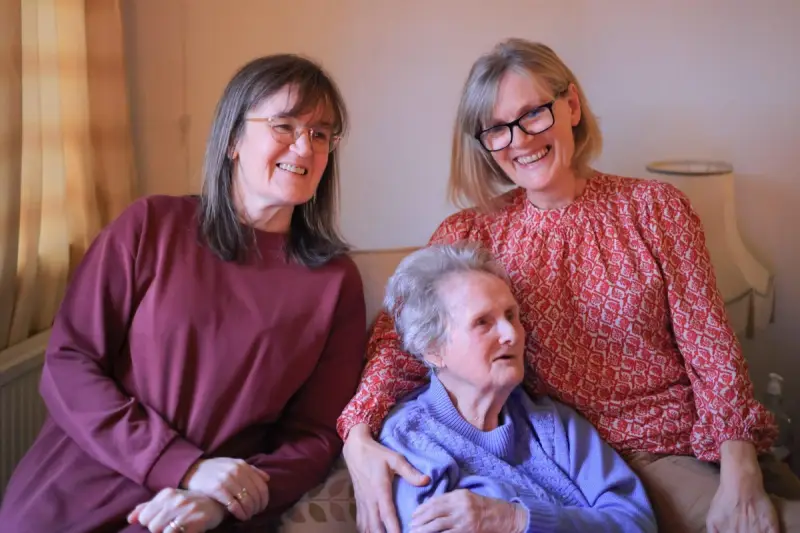
Beyond skills and experience, finding a live-in carer with whom you and your loved one genuinely get along is fundamentally important. Due to the intimate nature of live-in care, where someone lives in the home 24/7, mutual compatibility and shared interests are essential for a positive and enduring relationship.
How to assess and ensure compatibility:
- Review carer profiles: Thoroughly review potential carer profiles. At Elder, carer profiles feature an introductory video, detailed information on the types of care they've provided, and feedback from families they've worked with. These resources offer valuable insights into a carer's experience and personality before you even speak to them.
- Personality match: Consider personality traits that would blend well with your loved one's – do they prefer a quiet, calming presence, or someone more outgoing?
- Shared interests and hobbies: Many providers actively work to ensure shared interests (e.g. gardening, reading, baking). Inform your provider of your loved one's likes and dislikes to help find a carer who fits their lifestyle.
- Respect for privacy and routines: The ideal carer respects your loved one's privacy, daily routines, household rules, and personal wishes.
- The "feel right" factor: Ultimately, it's about comfort. The carer will be a constant presence, so a positive, respectful bond is vital.
5. Prepare and ask questions during interviews
A carer's profile identifies candidates, but a direct conversation through an interview is invaluable for gaining a deeper understanding of who they are, their approach to care, and how they will build a connection with your loved one. Don't hesitate to ask probing questions.
Tips for a successful interview:
- Comfortable format: Use online messaging, phone, or video call – whatever is most convenient.
- Be warm, honest and direct: Create a relaxed atmosphere, but be clear about expectations and needs. It’s best for both parties to determine a good match early.
- Involve your loved one: If possible, include the care recipient. Their comfort and opinion are crucial.
Sample questions to ask a potential live-in carer:
- Experience and approach: "What's your experience with live-in care?," "How do you promote independence and dignity?," "How do you handle difficult situations or emergencies?"
- Compatibility and communication: "What kind of personalities do you connect with best?," "What's your favourite thing about providing care?," "How do you communicate with families?"
- Practical: "What meals can you cook?," "Are you a driver?"
- Carer's questions: "Is there anything you'd like to ask me about my loved one or their routine?" (Shows engagement).

Find your ideal carer
We have connected over 5000 families to carers so far.

6. Remember, things can change – consider a trial period
While choosing a dedicated live-in carer is a significant decision, remember nothing is set in stone. Care needs and personal circumstances can evolve. Approaching the arrangement with flexibility ensures continuous, appropriate support.
Be prepared for potential changes and explore trial options:
- Evolving needs: Your loved one's health may change, requiring care plan adjustments.
- Carer's circumstances: A carer's personal situation might change, requiring a temporary or permanent replacement.
- Trial periods: Even if a carer seems excellent on paper, a trial period is highly recommended. Elder offers a one-week trial period with our full-time live-in care services. This allows you to experience life with your chosen carer without full commitment. If the fit isn't quite right, you can cancel (paying only for days used) or explore an alternative carer through our unlimited matching service at no extra cost. This is a critical opportunity to ensure a positive, long-term relationship.
- Open communication: Maintaining open communication with your carer and Elder's care advisors is vital for proactively addressing changes and adapting the care plan.

Don’t forget about respite care
Whoever you choose as your regular live-in carer, they will need breaks or holidays. Planning for respite care is a crucial part of the care arrangement, ensuring continuous, high-quality support for your loved one and providing essential time off for the primary carer.
Key aspects of respite care:
- Carer well-being: Live-in carers typically take breaks lasting around a week, returning after four to six weeks. These breaks are vital for their well-being and maintaining high care standards.
- Seamless continuity: During breaks, families can provide care themselves or arrange for a professional respite carer to step in, ensuring your loved one remains comfortably at home without disruption.
- Careful selection: Just as with a full-time carer, carefully review potential respite carers for compatibility and confidence in their abilities.
- Elder's respite solutions: Elder can help you arrange professional respite care, ensuring a smooth transition and continuous, high-quality support. For visiting care, we can help identify a small team of carers to build trust and avoid constant new faces.
FAQs about finding the right live-in carer
Still have questions?
0333 920 3648With Elder, you can be introduced to suitable live-in carers in as little as 24 hours. Our care advisors work closely with you to understand care requirements, personality preferences, and lifestyle factors, helping to streamline the matching process and ensure a strong fit from the start.
When choosing a live-in care provider, compare carer vetting standards, experience requirements, pricing transparency, and how well they support you before and after matching. Look for Enhanced DBS checks, verified references, and clear communication about responsibilities.
Elder goes further with additional screening, character and judgement assessments, plus ongoing support and unlimited matching, helping you feel confident you’ve chosen the right live-in carer for your loved one.
No, you don’t need a CQC-approved care provider to find the right live-in carer.
What truly matters is careful vetting: background checks, references, and ensuring the carer’s experience, character and compatibility match your family’s needs. A responsible care provider like Elder (even if not CQC-registered) can still connect you with excellent carers you can meet, interview and approve.
No problem, it can happen. Give us a call and we’ll organise a replacement carer quickly, at no additional cost. Most families usually receive new matches within 24 hours.
If your mum’s carer is not available for the new dates, we’ll let you know and guide you on what to do next. With Elder, you can explore new carer profiles through Elder’s matching platform. This gives you the flexibility to continue care with someone familiar or to meet new carers who best fit your needs.
Yes. Interviewing a live-in carer before confirming a placement is one of the best ways to ensure compatibility.
At Elder, we encourage families to speak with carers directly so you can ask questions about experience, routines, personality, and care approach. This helps you feel reassured and ensures the carer will be a comfortable, supportive presence in the home.
Learn more about our services

Live-in care
Long-term 24-hour support
- A carer lives in the home to provide round-the-clock support
- Suitable for people living with conditions like dementia, reduced mobility, etc.
- For long-term care needs

Respite care
Temporary 24-hour support
- A carer moves in for a few days to provide round-the-clock support
- Suitable to cover for a main caregiver or for a temporary increase in care needs
- Minimum duration of 3 days
Visiting care
Flexible home visits
- Book as many hours as you need for help in the comfort of your home
- Support with everyday tasks like grooming, walks, cooking, etc.
- From as little as 1 hour per week