Improve memory and mental health: 25 brain games for older people
16-minute read | 11/03/2026

Editorial Contributor
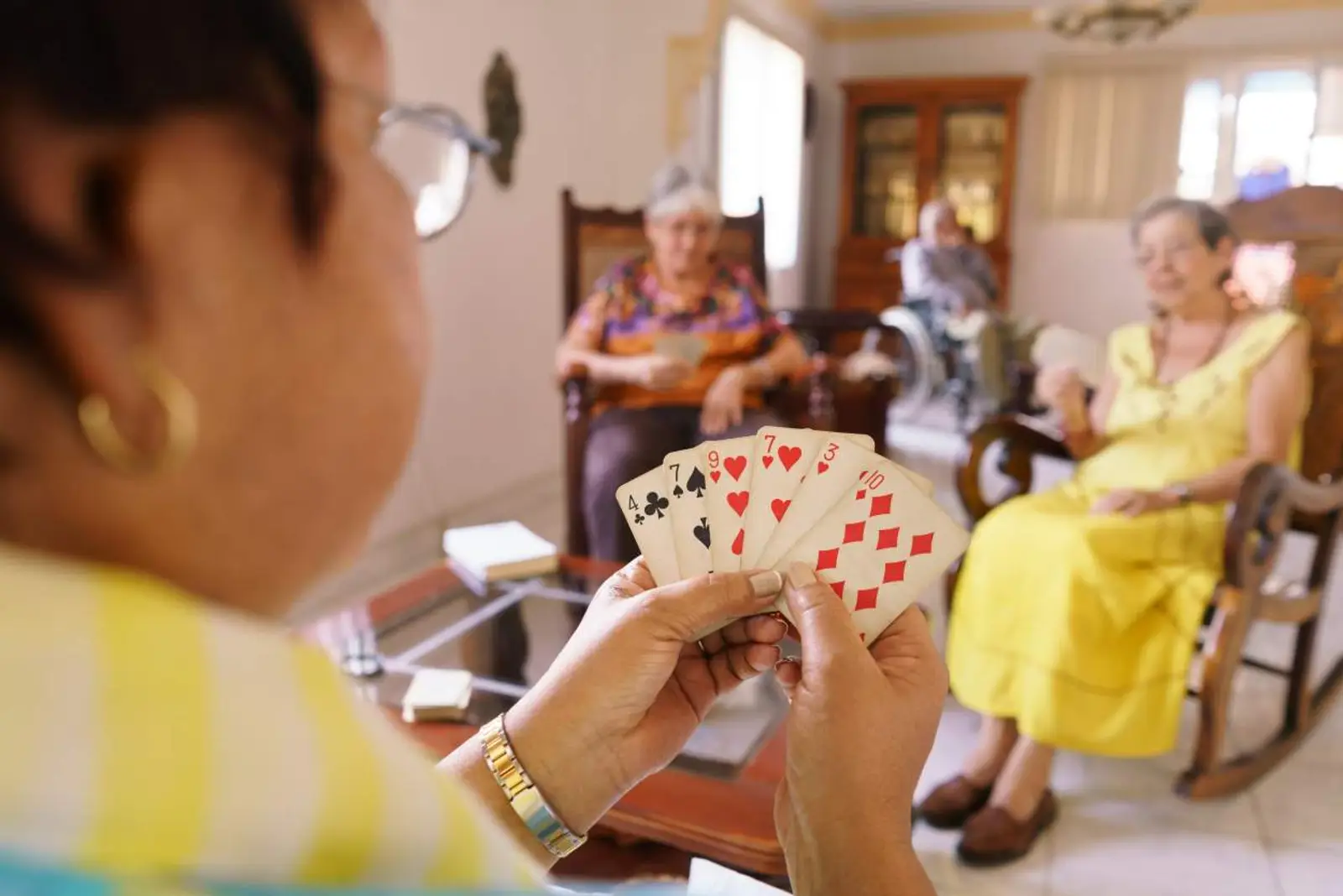
Certain games can help stimulate older people’s brains to improve mental health and memory skills.
They may also feel a greater sense of independence, be able to concentrate better, take in and process information faster and see an improvement in their coordination and motor skills. Games that help exercise the brain include Trivia quizzes, Sudoku, Bingo and Word puzzles – it’s just a matter of finding the best activity for each individual.
Here we’ve listed 25 of the best brain games you can play with your older relatives or loved ones to help keep their brains active. Each brain training activity or game is a fun and effective way to improve overall mental health for all ages, particularly older adults. We’ve included an activity or brain game to suit many different abilities, and the best part is they can be enjoyed almost anywhere.
1. Trivia quizzes
Trivia is a great way to stimulate older adults’ minds and provide a good laugh. With the infinite amount of online trivia topics, it’s up to you to decide on a topic and whether or not it will be played in groups or individually.
Creating teams is a fun way to add a bit of competitiveness, and winners can be rewarded with a small prize. Choose whether or not answers are called out or written down, depending on the ability of the adult you’re playing with.
Trivia topic suggestions:
- Musicals
- Current affairs
- Fun facts about family members
- History
- General knowledge
- Literature
- TV shows from the past
2. Sudoku
Solving Sudoku puzzles is excellent for keeping seniors’ minds sharp by preserving their logical thinking skills and mental abilities. Sudoku is a popular game among the older generation as it encourages them to utilise different parts of the brain they may not necessarily use in everyday life.
Best of all, a successful game of Sudoku can provide older adults with a great sense of accomplishment. Your loved ones can play this game online, or if they aren’t comfortable using a computer, plenty of printable resources are available.
3. Arts and crafts
Arts and crafts are one of the best activities for your older loved one to participate in as it encourages the use of both sides of the brain – the left to plan out what’s being made, and the right to drive creativity. Art is able to keep the mind busy, without putting it under stress, and studies have shown that regularly taking part in creative activities can mean we’re 73% less likely to experience memory or thinking problems.
It also keeps the hands busy too – helping to maintain dexterity. Your loved one might like this activity simply because they enjoy being creative, or perhaps they want to create a gift for family and friends.
Consider trying these easy arts and crafts at home:
- Greeting cards
- Painting
- Drawing
- Knitting
- Beaded bracelets
- Scrapbooking
4. Word puzzles
Get your loved one’s brain buzzing with enjoyable yet challenging word puzzles. Word puzzles are a fantastic way to entertain older adults and exercise their brains. It doesn’t matter if they don’t complete the word puzzle; they will still enjoy searching for words or trying to think of the missing words, depending on the type of word puzzle you choose. There are a range of word puzzles available online, or you can find them in most bookstores, or create your own. Some websites allow you to create puzzles with words of your own choosing – meaning you could create a word search or crossword filled with words that are special to your loved one, such as memorable places, or the names of family members or friends.
Here are some word puzzles that are popular with seniors:
- Word search
- Crosswords
- Hangman
- Finish the saying
- Boggle

5. Bingo
Bingo is an old favourite among the senior community as it encourages social interaction. While this is a fun and enjoyable game, it also provides some essential health benefits.
Health benefits include stimulating the following key senses:
- Hearing: Listening to which numbers are called out
- Sight: When looking for the numbers on the bingo card
- Touch: Using a pen or marker to dab out numbers
As this is such a social game, there is the added benefit of reducing feelings of loneliness, especially if they play bingo as part of a local club, or go the same time each week to meet up and connect with other regulars.
6. Learn a new language
Learning a new language sounds daunting, but challenging our brains is the best way to enhance brain health and reduce the impact of ageing. Depending on your loved one’s physical and mental health condition, there are a variety of ways to learn a new language.
Here are some suggestions:
- Online: OpenLearn, Memrise, and Busuu
- Mobile and tablet apps: DuoLingo, Babbel, and Rosetta Stone
- Community centres: Check local community centres for language classes
- Local libraries: Books and audiobooks
7. Try a brain training app
As long as your loved one has a mobile phone or tablet, they’ll be able to download apps to help with brain training. The best thing about using apps is that they can be accessed anywhere. Some apps can improve concentration levels, visual-spatial skills and problem-solving. A quick search in the app store will provide you with hundreds of brain training apps to choose from.
8. Online games
The internet provides many resources for online games for seniors. Just be sure you read any online reviews or try the games yourself first, as sometimes it can lead to frustration if the game is too challenging. Above all, ensure the games are enjoyable. If the games are too tricky, your loved one may become disinterested.
You don’t need to be an experienced computer user to enjoy online games; they are easy to access and find. Plenty of online games provide multi-player mode, so if you want to keep this a sociable activity, you can play too!
9. Logic puzzles
Neural pathways in the older generation can become dormant after retiring, so logic puzzles that require lateral thinking are great for stimulating these pathways. Logic puzzles are specifically designed to test how you use the information provided to you. These types of puzzles will encourage your loved one to think outside the box by creating new solutions and help them to think logically.
10. The classic game of chess
Chess is a game of strategy that strengthens logical reasoning and problem solving among older chess players. Your loved one might be worried about playing chess as it can initially seem complicated. However, once they get the hang of it, after just a few months, they could see great benefits such as an increased IQ and increased levels of focus. If you have a chess set, you can play with your loved one in person, or they can play alone online here.
11. Jigsaw puzzles
Try completing a puzzle if you want to start with a simple activity to stimulate the mind. While this might seem basic, there are many benefits for your older loved one, such as a slower breathing rate which aids in reducing anxiety and lowering blood pressure levels. Jigsaw puzzles can also be a great distraction to help slow busy minds.
12. Special tasks to boost memory and attention
Memory loss is one of the most common complaints among older adults, so engaging in some simple games is important to help improve memory and retention.
Consider the following games:
- Stating the months of the year in alphabetical order
- Using the letter ‘S’ to name six or more things they can wear
- Observe the objects around them for two minutes, then try to find five red items that will fit in their pockets and five blue things that are too big to fit (choose suitable colours depending on their surroundings)
- Say two objects for every letter in their first or last name, stating different objects each time.
13. Games for those living with dementia
It has been said that keeping the brain stimulated through games can help slow the progression of dementia. There are certain board games targeted at those living with dementia.
Perhaps you might like to try the following games if your loved one receives a dementia diagnosis:
- Call to Mind: This game is specifically aimed at understanding how your loved one thinks and know what they like and don’t like
- Snakes and Ladders: Perfect for mental stimulation
- Animal Snap: This card set is specially designed around cognitive stimulation therapy for those living with dementia
14. Identify botanicals
It’s so important that your loved one spends time outside the house, whether exercising, going shopping or visiting a local cafe or restaurant. However, if, for some reason, your loved one is unable to leave the house and they have a garden, you can spend some time identifying botanicals. The fresh air can stimulate their brain and positively impact their mental health.
15. Reading fiction books
Encouraging a loved one to read is an activity they can enjoy independently. If they can’t read, you could spend time reading with them or set up a recording of the book. The benefits of this immersive activity are enhanced vocabulary and the ability to boost cognitive skills.
If you want to add something extra to the book readings, ask them to tell the story back to you once they have completed the story. This will help with improving memory skills, and it adds a bit of socialising to what is usually a solo activity.
16. The serving tray game
The tray game for seniors requires assistance from yourself or your loved one’s live-in caregiver. This game is aimed at enhancing short-term memory, which is usually the most affected as we age. Engaging in this easy activity every day will help stimulate their brain; best of all, setting up the tray game is simple.
How to play the tray game:
- Lay out a tray
- Choose a few random objects and place them on the tray
- Allow your loved one to have a quick peek at the tray, then cover the items
- Try to remember all the objects that were on the tray
17. Shopping list game
The shopping list game was created to encourage those living with dementia to participate in conversation and to trigger familiar reminders. This memory game can help to improve memory by challenging their mind and enhancing memory skills.
How to play the shopping list game:
- The first player must state ”I went to the supermarket and bought (you can choose the item)”
- The second player must repeat what you bought and then add an item on top of that
- Continue this back and forth until someone can no longer remember the list of groceries
- You can play with as many people as you like, but sticking to a smaller group might be best
18. Card matching
The card matching game is a great way to increase your loved one’s memory skills. The game can be played with friends or alone.
How to play the card matching game:
- You will need one pack of cards
- Lay the cards face down on a table
- Choose two cards to flip over
- If these two cards match, you can have another go trying to find more matching cards
- If you’re unsuccessful, it is then the other players' turn
- The winner is determined by who has the most matched pairs
19. Try video games
Many people believe that video games are played mostly by children and teenagers. However, they’re a great activity for older adults too. Playing video games are beneficial for older adults as they require planning, quick responses and a memory of which buttons to use. The same applies for computer games. Your loved one will feel a sense of achievement if successful when playing their chosen games.
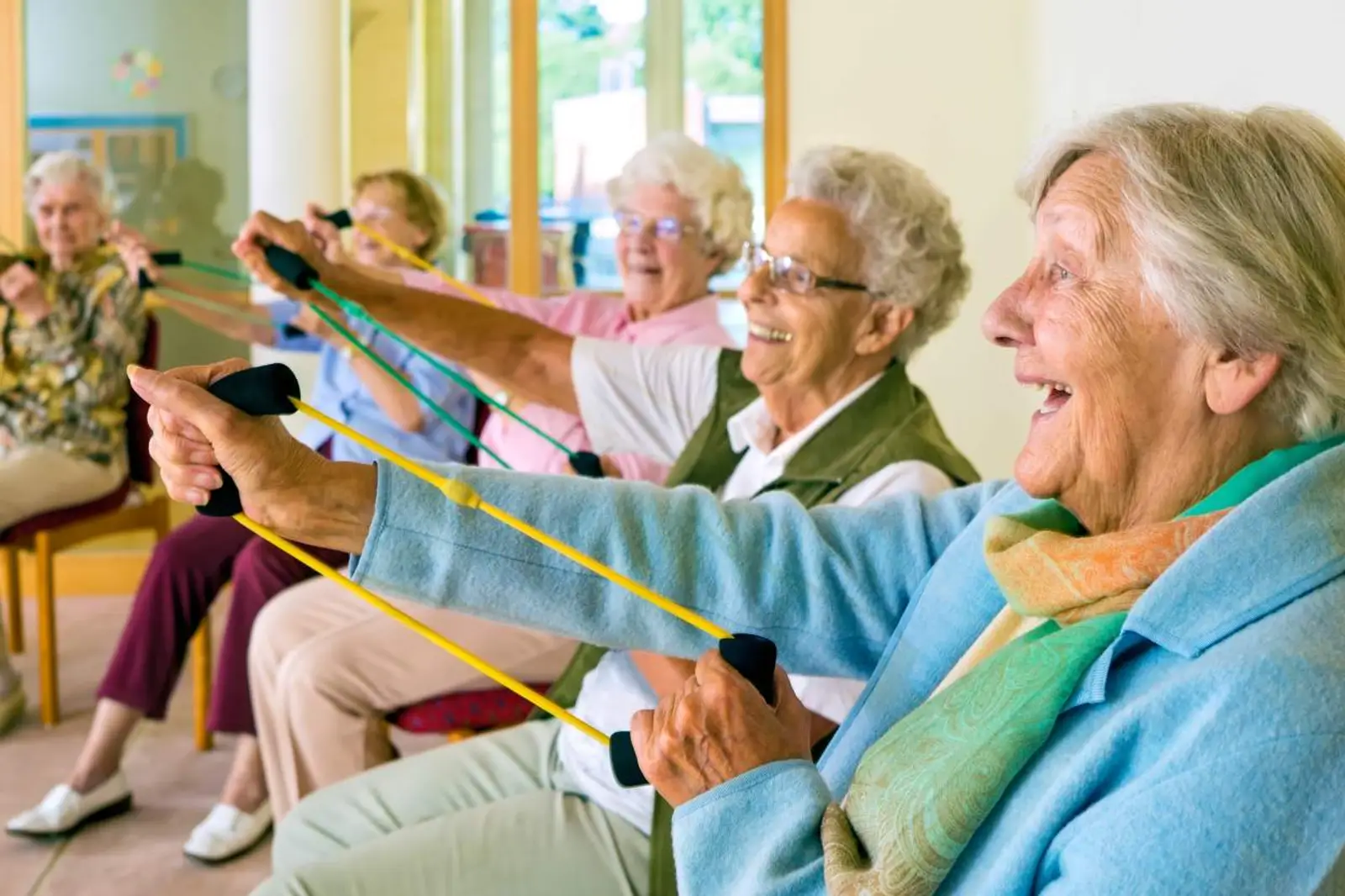
20. Over 50s volunteering
Volunteering is a great way to gain a sense of purpose and feel part of a community; it’s also an excellent opportunity to encourage social interaction. Through volunteering, an older person can take advantage of learning new skills and may also prevent feelings of depression and isolation.
Consider trying one of the following:
- Mentoring youth
- Taking care of animals
- Working in charity shops
- Fundraising
Check online for local volunteering opportunities or speak with community groups; there are bound to be many volunteer opportunities for your older loved ones.
21. Easy and fun party games
Just because someone is older, it doesn’t mean they no longer enjoy celebrating. Some party games may become more challenging as we age, so choosing suitable games that match your loved one’s mental and physical abilities is essential. A popular and easy game to try at your next celebration is ‘Partners in Pen’.
Here’s how to play Partners in Pen:
- The game must be played in pairs
- Player one requires a pen and paper
- Player two will have a bag of objects
- The player with the objects must choose one and describe it to the other player
- The other person must then try and draw what is being described
- The purpose of the game is for the player drawing to guess what item it is they’re drawing
- You can make it a little more challenging by adding a timer
22. Dancing
Combining mental and physical training through activities such as dancing is a great way to keep fit and active while encouraging social interaction. Through dancing, your loved one’s brain will be stimulated by learning new steps and routines, helping to decrease blood pressure levels and increase general wellbeing.
Check for nearby dance classes, especially ones tailored for older people. These classes usually include chair dancing to ensure all abilities are included.
23. Solitaire
Card games like Solitaire help to keep brains sharp. Solitaire is recognised as one of the most popular card games in the world, and it can be played in person or online here. Card games benefit Alzheimer’s patients by increasing their thinking and memory skills. The game is slow-paced, meaning your loved one can take their time and stimulate their brain for an extended period.
24. Scrabble
Scrabble is a true classic and can be enjoyed by older adults and all ages. There are certain benefits for older adults in particular, such as improving memory functions (thinking of words to use on the board), lowering blood pressure (because of the relaxing nature of the game) and can increase overall general wellbeing.
While playing, there are sure to be funny words that will be entertaining for your loved one. There might even be words that you or your loved one have never heard of, making this a great educational game too.
25. Brain Yoga
You’ve probably heard of Yoga before, but have you ever heard of Brain Yoga? This is one of the easiest physical activities, yet highly mentally challenging for someone older. No equipment is required, and it can be done anywhere – you only need yourself!
Brain yoga aims to stimulate the brain using only your body to help improve your motor abilities (which will in turn, improve neural pathways) and improve hand-eye coordination, resulting in increased mental abilities.
Here’s an example you might like to try with your loved one:
- Make a fist with your right hand and raise your thumb. Hold this position
- Then, make a fist with your left hand and extend your pinkie finger
- Now try alternating between each hand
The instructions might seem simple, but you’ll find it’s quite tricky. Stimulate the grey matter in the brain and gain muscle memory by trying this with different body parts.

Conclusion
Older adults can stimulate their brains to increase mental health and improve their memory skills in many ways. It’s just a matter of finding the best-suited activity for each individual.
Engaging in these brain-stimulating activities as often as possible is important. Studies show that older adults might see benefits such as improvements in performing daily tasks and increased memory ability thanks to certain brain training games.
So take the time and ensure brain games are a high priority as part of your older loved one’s daily routine.
How Elder can help
If you’re struggling to find the time to provide full-time care for your loved one or they have a particular health condition that’s making it difficult for you to continue to care for them, you might want to consider arranging live-in care.
At Elder, we provide full-time live-in caregivers across the country, and we can have a highly qualified carer with your loved one in as little as 24 hours.
If you would like more information about live-in care, don’t hesitate to contact one of our friendly care advisors today for an obligation-free consultation.