
Living Well
12 summer safety tips for older people in hot weather
Paola Labib | Editorial Contributor
5-minute read | 16/12/2017

Funding the NHS and social care, is the long-term solution less about funding reactive healthcare and more about preventing the preventable?
Following this year’s General Election campaign which was dominated by the different political parties putting forward their funding proposals for the NHS and social care, is the long-term solution less about funding reactive healthcare and more about preventing the preventable?
Every time a Chief Medical Officer publishes a report with scientifically-researched recommendations for improving public health, the cries of the ‘nanny state’ can be heard UK-wide. “We don’t need to be told how to look after ourselves,” is the sentiment that dominates the phone-in programmes and opinion columns.
Perhaps that’s why, over a year since Public Health England launched ‘One You’, a campaign billed as being ‘ground-breaking’ in helping adults across the country avoid future diseases caused by modern day life, few people I speak to have ever even heard of this prevention initiative.
The difficulty is that against this backdrop conditions like dementia are on the rise, and given that dementia is now considered to be the most feared health condition for over 50’s, there is good reason to offer scientifically researched ‘risk reduction’ advice in the current absence of treatments to permanently halt or cure any type of dementia.
Demand for the NHS outstrips supply. Even if politicians fund more hospitals, more GP surgeries, more diagnostic and treatment centres and more community dementia care – and more staff to run all of these services – in time they will fill up and the waiting lists will grow again. We have a perfect storm in the UK – an increasingly ageing population and more people, of all ages, living with long-term conditions, all of which sits within a society experiencing escalating levels of obesity and unhealthy lifestyles.
The lack of integration between health and social care also means that more people fall into the NHS emergency care net when home care is unavailable and they cannot afford to fund their own care, despite it being cheaper to provide good quality home care, live-in care or a care home place than it is to provide a long-term acute hospital bed.
The lack of integration between health and social care also means that more people fall into the NHS emergency care net when home care is unavailable and they cannot afford to fund their own care, despite it being cheaper to provide good quality home care, live-in care or a care home place than it is to provide a long-term acute hospital bed.
Part of the solution has to lie in citizen action, which goes beyond paying our taxes and national insurance and moves into the sphere of acknowledging that we all have a role to play in ensuring that our health is the very best it can be. The free-at-the-point-of-use NHS is something beloved in the UK, and there is vehement opposition to privatisation with good reason, but what if there was something we could all do to make the NHS itself healthier again?
My generation has never known what it means to routinely pay for healthcare. My first taste of this was on a trip to South Africa, where I had to pay before seeing a GP and pay before having blood tests. It was a BIG wake-up call.
Part of the solution has to lie in citizen action, which goes beyond paying our taxes and national insurance and moves into the sphere of acknowledging that we all have a role to play in ensuring that our health is the very best it can be.
Good risk reduction advice includes:
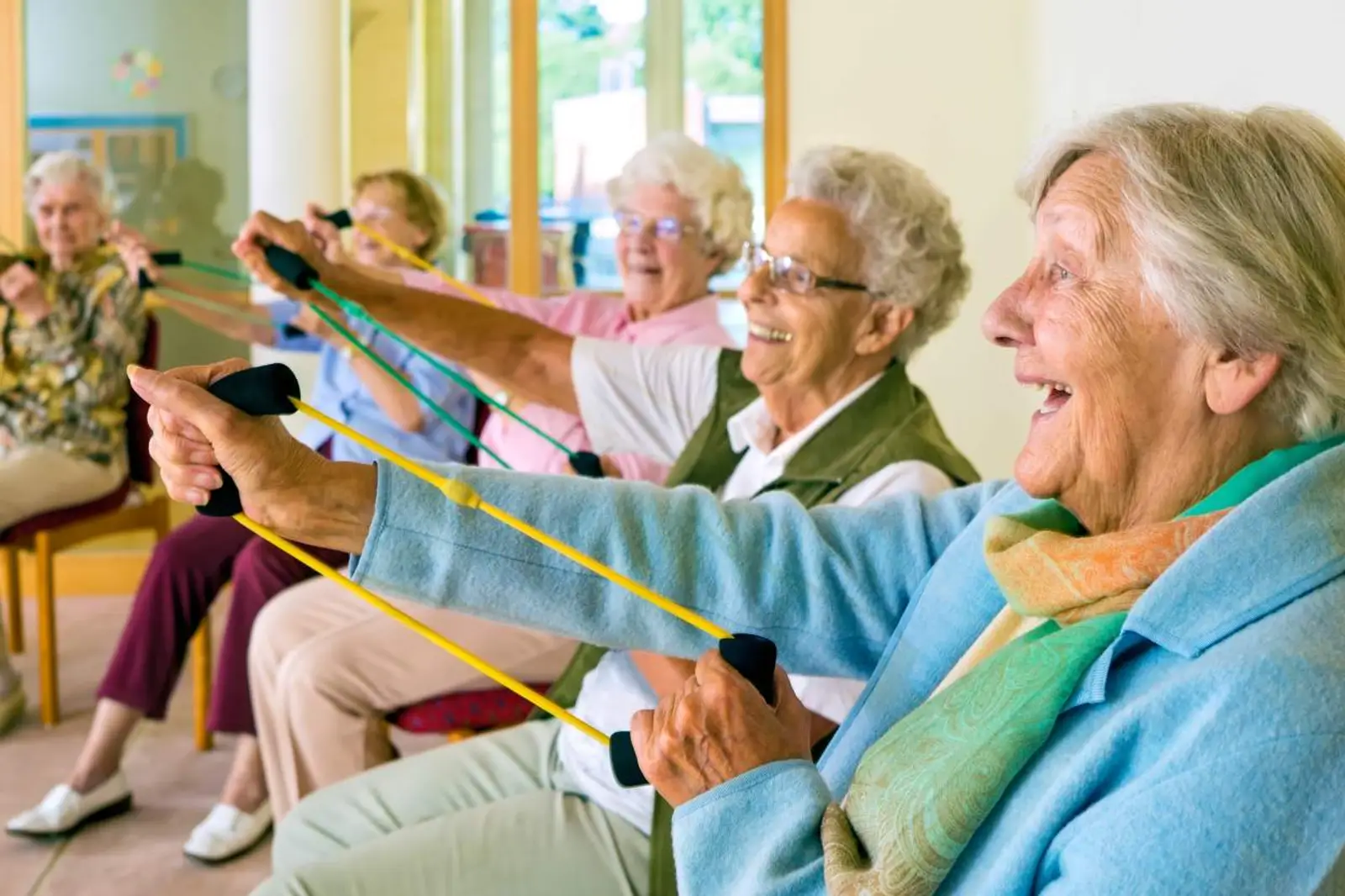
Preventative health care is achievable for everyone, even people who are already living with long-term conditions. Most people living with long-term conditions report more positive management of their health problems when they evaluate their lifestyle choices, potentially leading to them avoiding the development of additional health concerns.
Live-in care has an important role to play in prevention, not only enabling people who need extra support to manage their condition(s) more effectively and avoid unnecessary hospital admissions, but also by enabling healthy eating and positive lifestyle choices – like individually tailored exercise plans and the motivational support to quit smoking – that is so important to maintaining the highest levels of health and wellbeing at every juncture of the life course.
Paola Labib | Editorial Contributor
Zenya Smith | Editorial Contributor
Mark Acheson | Editorial Contributor
Zenya Smith | Editorial Contributor

Zenya Smith | Editorial Contributor

Zenya Smith | Editorial Contributor