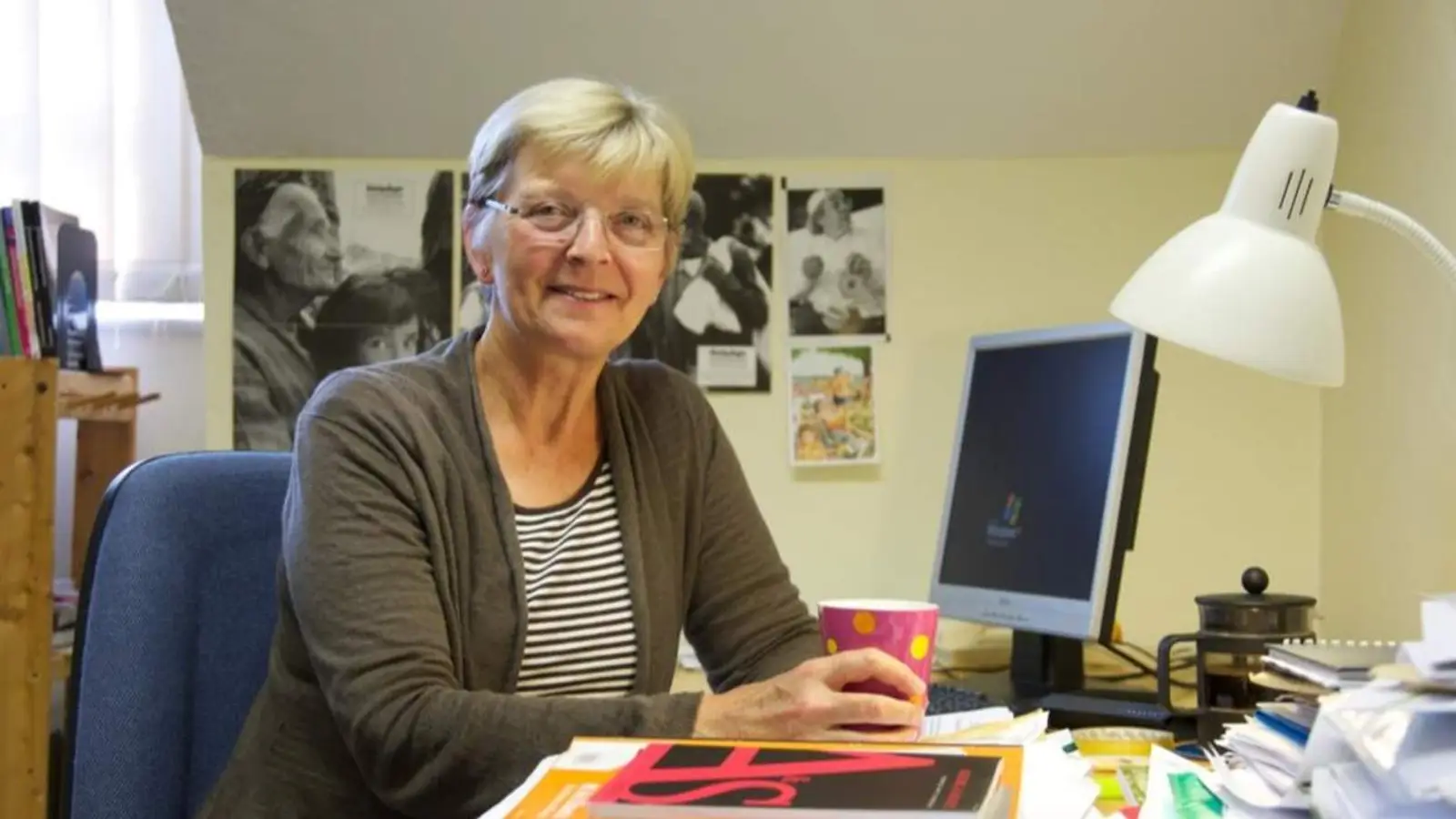
Alix McDonald, Head of the Centre for Lifelong Learning at University of Strathclyde
10-minute read | 08/08/2017

Editorial Contributor
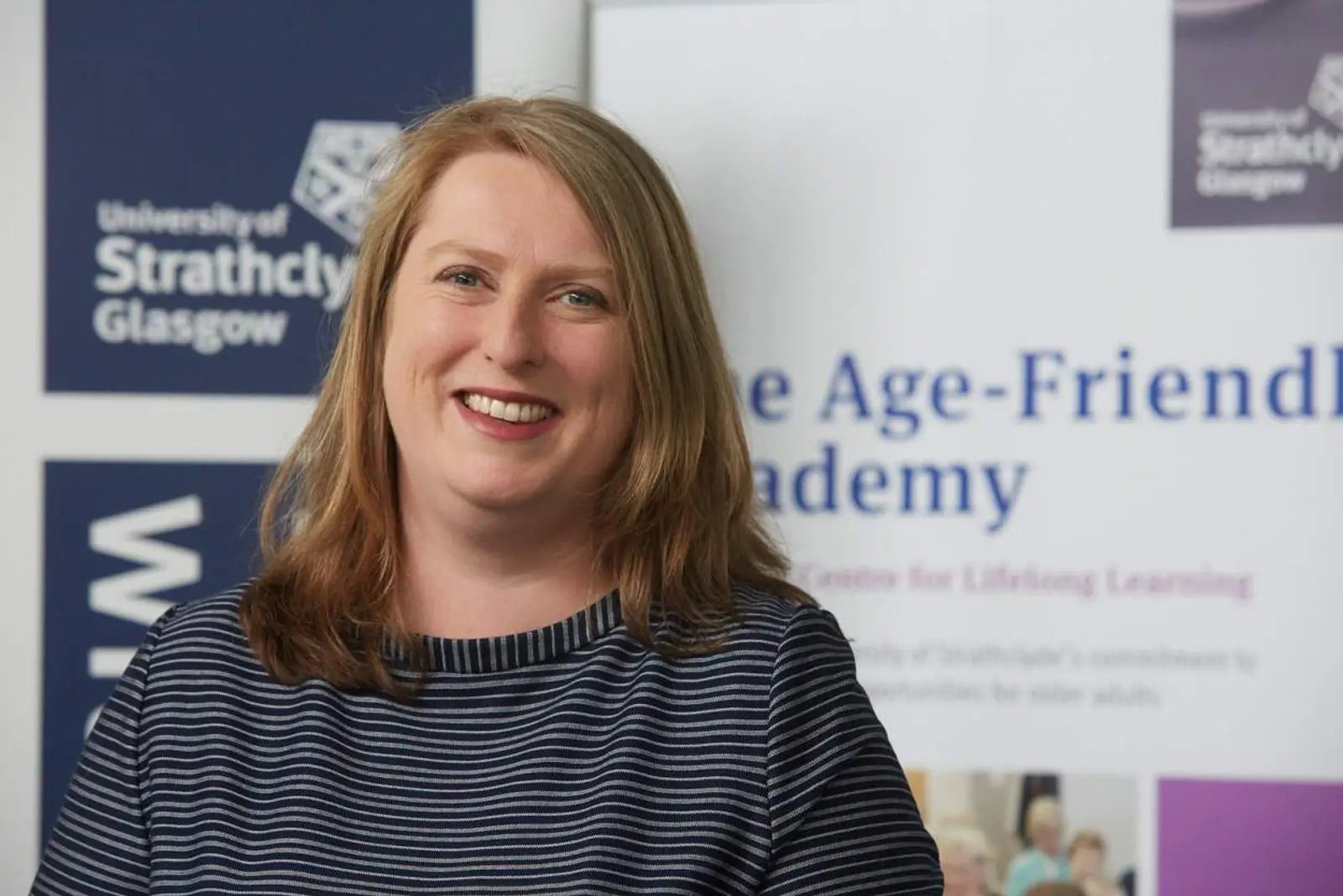
Alix McDonald talks about University of Strathclyde's commitment to positive ageing and how learning can stimulate health, well-being.
Strathclyde University’s Centre for Lifelong Learning brings education and interest to over 2000 older learners each year offering a variety of courses, from short and online to accredited and undergraduate access. Its programme aimed at 50+ students is run alongside a lively Later Life Students’ Association, offering social benefits as well as educational ones. Centre Head, Alix McDonald, talks to us about the University’s commitment to positive ageing and how learning at any age can engage, inspire and stimulate health, well-being and interest in the world about us.
How did the Centre for Lifelong Learning come about, and how has it developed?
At Strathclyde University, we have been running classes for adults for 45 years, so we’ve got a long history of knowing what adults want to learn and how they want to learn it.
Thirty years ago, this year, an idea came up that there was a market for older learners and a small programme started. That was the start of our daytime programme for the over 50s and that has grown and grown, year on year, into what it is today.
We don’t discriminate by age, although we target that age group for this particular programme – a student who is 20-years-old could come along if they wanted, we just make them aware that they will be in the company of older learners.
We also run postgraduate courses in various subjects and have an access course for undergraduate study. The common thread in everything we do is that it’s all aimed at adult education – depending on how you define ‘older’. We run classes for everyone from those who are 18-100+ years old.
What is unique about the 50+ market regarding learning opportunities?
We chose 50+ as a target market for the daytime programme because it is a transition age for people, not because it marks the start of old age or anything like that. We find that it is a time when people are starting to consider the next stage in their lives, be it retirement, changes in family circumstances, such as children leaving home, considering another career, or ending work.
There is a lot starting to happen around that age; people are also looking at what their pension options are around then and how financially set up they’re going to be or not be in later life.
Some of our older learners don’t want to learn in a group of their own age; they want more diversity than that, so they will go to a weekend or evening programme which is for adults of all ages.
We offer our 50+ programme a community of learners who are roughly at the same stage in life, facing the same challenges and that means they have the chance to learn, enhance their skills and make friends – that’s the real strength of it.
There are additional benefits to learning, such as the social element and connecting with your environment
Strathclyde University has launched an Age-Friendly Academy within it – how does the Centre fit within this?
The Age-Friendly Academy was launched on 1 May this year within Strathclyde University to showcase its commitment to positive ageing and with the idea that it will capture the increasing amount of research and provision that we have here about ageing and demographic change – as well as offering learning opportunities for older people.
Strathclyde University became an Age-Friendly University in 2012 and signed up to a global network of institutions started by Dublin City University, committed to offering opportunities for people throughout their life course, and this is something that we’re very much about.
We were founded in 1796 as “a place of learning, open to all” and we want to make it clear that whether you are five or 95, you’ll find something for you at Strathclyde.
The AFA bring together activities already available at the University, but also explore new opportunities for collaboration, both internally and externally, all aimed at promoting positive ageing.
This includes:
Teaching and LearningResearch and InnovationIntergenerational WorkEmployability and EnterpriseCommunity Engagement
Can learning keep people vital and engaged at every stage of their life?
Yes, there’s stacks of evidence to show that when people talk about active ageing, they often refer to physical activity, and that’s very important – but mental activity is about keeping your brain moving and it is a positive thing to maintain for as long as possible. Then there are the additional benefits to learning, such as the social element and connecting with your environment.
We have 4000 registrations a year which translates into about three thousand people, as a lot choose to do more than one thing. Our daytime programme for older learners is the largest, with around 2000 students a year.
We offer online and offline classes, although 95 per cent is face-to-face. Our online classes do attract older learners though, and we run them in genealogy and family history research. Genealogy is a big area for us, with many people doing it as a legacy project for their family.
Some classes in the programme carry University credit, and some don’t. They’re all designed to be topics that have broad appeal so that you will find everything, credited and non-accredited, from wine appreciation to Spanish, to a lot of practical art classes and subjects like modern and ancient history.
We offer options such as IT too – although it’s interesting how IT has changed around older learners. Five years ago, we were running classes that involved sitting in front of a PC and learning about Word and that kind of thing. They were very much about saying, ‘this is what the future looks like’.
Now there’s much less of a market for that because older learners want to understand about things like Skype and downloading music – more tablet or hand-held-device-driven than PCs. We recently had one of our oldest learners at 96-year-old on a course about understanding apps.
Are people nervous about signing up for courses, if they’ve been out of education for a while, for example?
The team here spend a lot of time talking to groups and communities to break down any barriers or misconceptions that might exist. Many presume that because we’re a University, it’s all about degree study, so we encourage them to see there is something for them here.
We have students from a wide range of backgrounds on our courses and what’s interesting is someone could have worked as a chemistry teacher and retired, but always wanted to do art – but be terrified of it.
That kind of transition can be challenging, and a person who has had a professional career coming in and trying something completely different sometimes requires encouragement and hand holding to give them the confidence.
Equally, we can have someone who hasn’t engaged with learning since school who finds it all quite daunting. We’re very much about stressing that is it an informal environment, and studying for credit is always optional.
It’s about taking a laid back approach to learning – we do get a lot of students who come in and say, “Oh I don’t want to do anything accredited, I’ve done all that” or “I just want to paint or learn about Renaissance art”. Then often you see them a year later coming through exam boards and getting awarded credit.
I think they just realise it’s a good marker of progress, and not about giving people passes and fails and our courses are designed to be a formative approach to learning teaching and assessment – not telling people what they’ve done wrong, but what they are doing right.
We have older learners in their 70s and 80s who are racking up credit at quite a rate. We introduced a certificate of higher education a few years ago, which is 120 credits and equivalent to the first year at a University because the older learners were gaining credit so fast and they were saying well what can we do next? Ninety percent of people doing this are 50+ learners and probably more likely 65-70+ in age.
What advantages do older learners have?
They are very invested in and engaged with, the subject they want to learn, and the tutors find that a stimulating environment to teach in because they’re challenged all the time as educators.
They’re dealing with an audience that is pretty clued up generally and will ask difficult questions. It also introduces them to such a wide range of individuals all of whom are adults age between 45 and late 90s with a vast range of experience, knowledge and different expectations from them as a tutor and of the class.
Do you develop your curriculum with feedback from older learners?
We spend a lot of time working with and talking to our students and our tutor community, of whom we have 100 part-time delivering on the programme, about what they think the students are looking for.
Our summer programme involves shorter quirkier subjects, and these can be things that the tutors have heard that the students might be interested in and want to try out over a day or a couple of days.
Our other courses tend to be 8-10 weeks, up to 20 weeks and are bigger, chunkier pieces of learning, but the Summer is about keeping it light. For example, in the art class, there’s a one-day ‘Architecture as Inspiration’ course, building on the skills that the students used in one of the art classes last year.
That’s for people who are pretty new to art, and they don’t necessarily have to have done that previous class because we try to keep everything as open as possible. Or it might be something like iPad art, which we did following on from the David Hockney exhibition a few years ago, as a short break out.
We do find that older learners want to do something in the Summer, but perhaps not a great deal, as they might be busy or looking after grandkids.
Importantly, we’re finding that the myth of older people being time-rich individuals that don’t have very much to occupy themselves is not necessarily the case.
For some it is, and for some loneliness and isolation is an issue, and we plug that gap by saying come along if you have time, either every day, one a week, once a month or two hours a year. We’re very much about the belief that no matter how much time you have, you can come along and do as much or as little as you want.
This interview was part of a series brought to you by Elder. Whether your are looking for London live-in care or require assistance in another part of the country, Elder will ensure that all of your care needs are taken care of.