Caring for an Elderly Parent: Support, Guidance and Care Options
10-minute read | 21/01/2026

Editorial Contributor

Clinically reviewed by
Bianca Wardle
Caring for an elderly parent is something many people in the UK find themselves doing, often gradually and without planning. While it can be rewarding, it can also be emotionally and physically demanding as responsibilities increase over time.
This article explains what caring for an elderly parent typically involves, why it can feel overwhelming, what support is available in the UK, and how to explore care options that can help both you and your parent.
What Does Caring for an Elderly Parent Involve?
Caring for an elderly parent can range from helping with day-to-day tasks to providing regular personal care and supervision. Responsibilities often increase gradually and may include:
- Helping with washing, dressing, and personal care
- Managing medication and healthcare appointments
- Preparing meals and helping with household tasks
- Providing companionship and emotional reassurance
- Supporting mobility and safety at home, particularly for parents living with conditions such as dementia
Many family carers take on more responsibility than they initially expect, particularly as a parent’s health or mobility changes.
Why Caring for an Elderly Parent Can Feel Overwhelming
It is common for people caring for an elderly parent to feel stressed, guilty, or exhausted. These feelings are a natural response to the pressures of balancing care with other responsibilities.
Common challenges include:
- Managing care alongside work or childcare
- Feeling responsible for complex decisions
- Worrying about safety or sudden health changes
- Having limited time for rest or personal life
Without support, caring can begin to affect mental well-being, physical health, and relationships.

How Common Is Caring for an Elderly Parent in the UK?
Caring for an elderly parent is increasingly common across the UK. Millions of people provide unpaid care for older relatives, often stepping into the role after a hospital admission, illness, or gradual decline. In fact, new research shows that in 2025, more working adults cared for an older relative than for a child.
Many carers do not immediately identify themselves as carers, which can delay access to assessments, advice, and support. Elder’s advice hub offers practical guidance for families at every stage of caring.
When to Seek Extra Support
Knowing when to seek help can be difficult. Extra support may be needed if:
- You feel constantly tired, anxious, or overwhelmed
- Your parents’ needs are becoming more complex
- There are concerns about safety at home
- Caring is affecting your health, work, or family life
Seeking support is a positive step that can help protect your wellbeing while ensuring your parent receives appropriate care.
Care Options When Caring for an Elderly Parent
There are several care options available in the UK, depending on your parent’s needs, preferences, and circumstances.
Live-in care
Live-in care provides continuous support from a dedicated carer who lives in your parents’ home. This option can offer reassurance, continuity, and personalised care without the need to move into residential care.
Residential care
Care homes provide accommodation and care, but may not suit everyone. Some families consider residential care when care needs become complex or when care at home is no longer appropriate.
Understanding these options early can help families make informed decisions rather than reacting in a crisis.
Financial and Practical Support for Family Carers
Support for people caring for an elderly parent may be available through local councils following a care needs assessment. You can learn more about assessments, thresholds, and help with costs in Elder’s care funding guidance.
Support for people caring for an elderly parent may be available through local councils following a care needs assessment. Some carers may also be eligible for financial support or benefits, depending on their circumstances.
Understanding what help is available can reduce pressure and make caring more manageable.
Looking After Your Own Wellbeing
Caring for an elderly parent can affect your own health if you do not receive enough support. Signs of burnout may include ongoing fatigue, low mood, or difficulty sleeping.
Looking after yourself is an important part of caring. Accepting help, taking breaks, and seeking advice can help you continue caring in a sustainable way.
Talking to Your Parent About Care
Conversations about care can be difficult. Choosing the right time, listening to concerns, and involving your parent in decisions can help build trust and reduce tension.
Focusing on shared goals such as safety, comfort, and independence can help make these discussions more constructive.
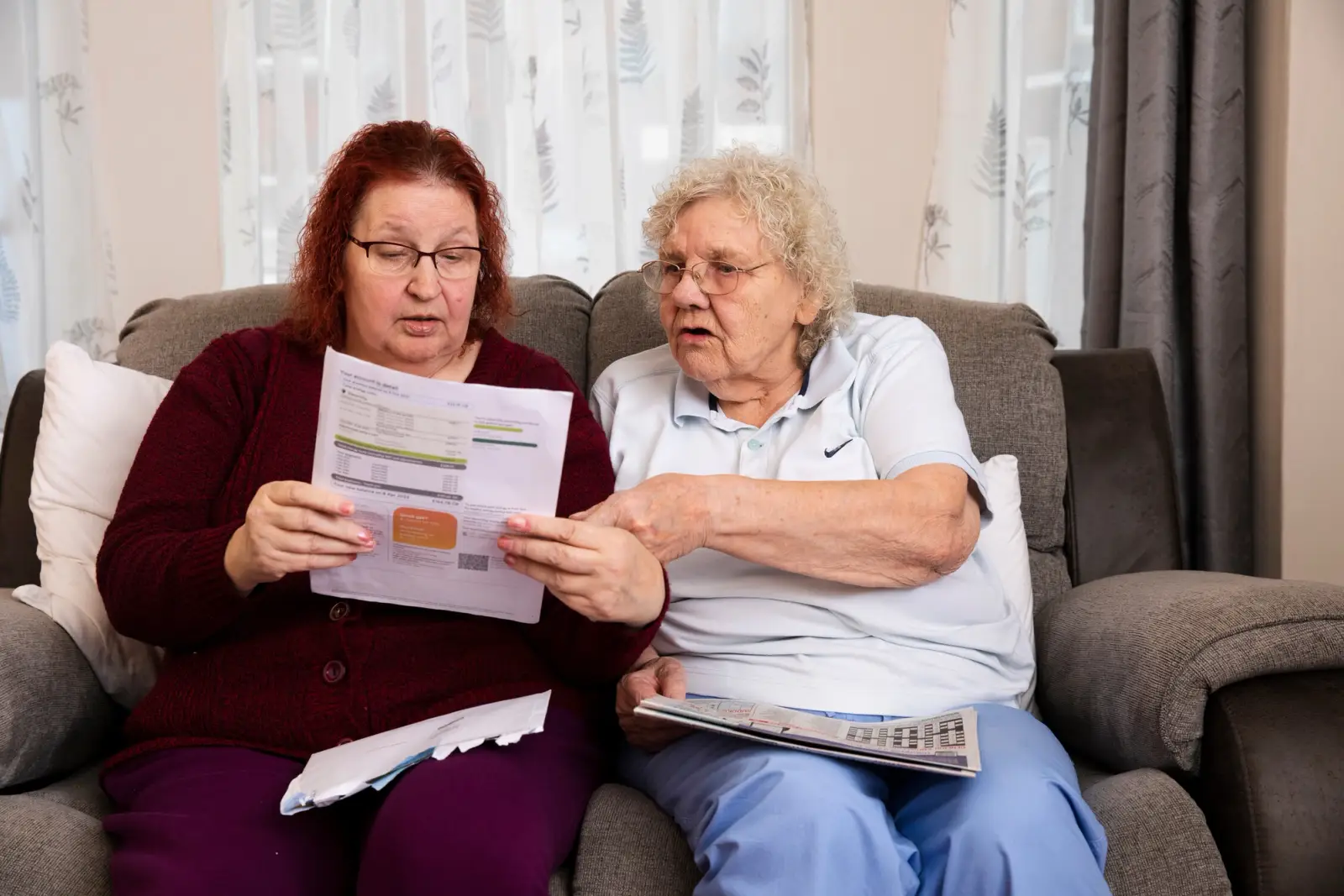
Looking after yourself if you're caring for an elderly parent
Taking breaks
One important way to combat feelings of entrapment is to take as many breaks as you can, although this is often easier said than done.
Allowing yourself at least 30 minutes to an hour a day where you can switch off from thinking about your parents' needs or do something you enjoy can help reduce the risk of becoming burnt out. There are a few different ways you can arrange this depending on your family and financial situations.
Some charities like the St Vincent De Paul Society offer free befriending services, where volunteers are matched with older people to visit and provide support regularly. Volunteers help with a range of tasks, including offering friendship, providing transport, organising social events, preparing meals, and assisting with light cleaning and errands.
Reengage is a charity that offers monthly tea parties for people over 75. One Sunday a month, volunteers collect older people from their homes for an afternoon of tea, cake and conversation. This can be a great group to join if your parent requires companionship care. However, attendees need to be able to manage their own personal needs, such as using the bathroom without assistance.
Age UK day centres can also provide a few hours of respite to family carers. They aim to improve older people's quality of life by offering them the opportunity to socialise with others and take part in activities such as arts and crafts, quizzes and exercise. Day centres also offer a cooked meal, and can help with a low level of care, such as helping with medication. While they're not free, they're often a more affordable option for people who just need a few hours of supervision and have lower care requirements.
Respite care services
If your parent has more complex care needs, you'll likely need to look into more skilled support so that you can take longer regular breaks away from your parent's home, without worry.
Hourly care may be a good care option. You can arrange for a professional carer to visit your loved one in their home for an hour or more at a time, as many times a week as you'd like. Costs can be from £16 to £30 an hour, depending on your parents' care needs.
Hourly care can be especially important if there are certain tasks you feel unable to take on. For example, our research found that 38% of people worry about caring for a parent because they'd find personal care tasks such as helping them with washing or toileting uncomfortable, so you may wish for a professional caregiver to visit a couple of hours a day to help out in these areas.
If you're looking for a few days or weeks of temporary relief throughout the year, a live-in carer may be more suitable. While live-in care services are a more expensive option, you'll get the peace of mind that a skilled carer is with your loved one 24/7, as they'll move into their home while you're away. It provides family carers with a clean break from their responsibilities so they can fully rest and recharge. Elder provides temporary live-in care services for a minimum of three days, which is the lowest minimum in the industry.
Share the responsibility
Caring often falls unfairly on one or two members of the family due to time and work commitments, or if other family members live far away. However, sharing the challenges of caregiving with the entire family is possible even with these other commitments.
Asking siblings, cousins or grandchildren to pop in and provide half an hour of company can make a big difference and allow you to get on with other things. Family members who aren't local can help in other ways, such as doing a weekly online shop or helping with administrative tasks like money management. They can also help by:
- Staying in regular contact with you. Having someone to listen to you can help you feel less alone and open up avenues where others can help from a distance.
- Arrange visits around times when you'd like a break, so that they can keep your parent company.
- Become a contact linked to any personal alarms or video doorbells, so they can be notified if something happens and raise the alarm.
Where to seek help
- The Samaritans. If you're feeling low and need someone to talk to.
- Age UK. For advice and local support services.
- The Carers Trust. For expert resources for caregivers and local support services.
- Turn2Us. For help with any financial burden you may experience during your caregiving journey.
- Your local council. They can provide benefits for carers, such as Carer's Allowance, and do a carer's assessment to identify if you're eligible for additional support such as specialist training and equipment, or counselling.
- Your GP. Letting your GP know about your caring responsibilities may help you access things like flexible appointments, mental health support, and referrals to local carer support groups and services.
How Elder can help
Elder supports families by providing care at home, including live-in care, as an alternative to residential care. Our care specialists can help you understand care costs, compare options, and explore what might work best for your situation.
Frequently Asked Questions
Support may include local council assessments, care services, and financial help, depending on individual circumstances.
You may want to consider professional care when your parent’s needs increase, safety becomes a concern, or caring begins to affect your own health.
Yes. Millions of people in the UK provide unpaid care for older relatives, particularly parents, often alongside work and family responsibilities.