Types of dementia
7-minute read | 24/03/2026

Editorial Contributor

Every dementia journey is different, and not everyone will experience the same symptoms. However, understanding the different types of dementia and their early warning signs can make a big difference when it comes to treatment and quality of life.
Dementia is not a single disease but a group of conditions that affect memory, thinking, behaviour, and emotions. The symptoms and progression can vary depending on the type of dementia, making early diagnosis vital for proper care.
In this guide, we’ll explore the most common types of dementia, rarer forms, hereditary risks, and the support available through live-in care, the NHS and social services.
Dementia facts
- Around 850,000 people in the UK live with dementia (NHS England)
- Alzheimer’s disease accounts for 60% of dementia diagnoses (Dementia UK)
- After age 65, the risk of dementia doubles roughly every five years (the Alzheimer’s Society)
- 1 in 3 people will care for someone with dementia during their lifetime
- Dementia clinical trials take nearly three years to recruit for, compared to two years for cancer trials (Alzheimer’s Research UK).
What are the 5 most common types of dementia?
1. Alzheimer’s Disease
Alzheimer’s is the most common cause of dementia, affecting memory, problem-solving, and communication. Early symptoms often include:
- Forgetting names or recent events
- Repeating questions
- Struggling with day-to-day planning or money management.
Alzheimer’s begins in the hippocampus, the brain’s memory centre, and progresses slowly. It’s linked to the build-up of toxic proteins like amyloid plaques and tau tangles.
Diagnosis may involve a referral to a memory clinic. There is extensive support available from organisations like the Alzheimer’s Society and local support groups.
Alzheimer’s vs mild cognitive impairment (MCI)
MCI causes dementia-like symptoms but doesn't usually interfere with daily life. It’s not dementia, though 1 in 10 people with MCI go on to develop it. Healthy habits like routine, good sleep, and a balanced diet may help manage symptoms.
2. Vascular dementia
This type of dementia is caused by reduced blood flow to the brain, often following a stroke or series of mini-strokes.
Symptoms include:
- Trouble concentrating or processing information
- Memory loss
- Difficulties with mobility or walking.
MRI scans can often detect vascular damage, making diagnosis more straightforward. The British Heart Foundation and Stroke Association offer useful guidance.

3. Lewy Body Dementia (DLB)
Lewy Body Dementia is caused by abnormal protein deposits (Lewy bodies) in the brain that disrupt chemical signals.
Symptoms include:
- Tremors or muscle stiffness
- Visual hallucinations
- Sleep issues or acting out dreams
- Risk of fainting and falls.
The Lewy Body Society and Admiral Nurse Dementia Helpline provide tailored support for families.
4. Fronto-temporal Dementia (FTD)
FTD affects the frontal and temporal lobes of the brain and is more likely to appear at a younger age (under 65).
Common symptoms:
- Changes in behaviour or personality
- Difficulty with speech and understanding language.
While the exact cause is unknown, protein abnormalities like Pick bodies are believed to be involved.
As with all types of dementia, symptoms gradually worsen over time, meaning that those diagnosed with fronto-temporal dementia are likely to need help with basic tasks eventually.
Rare Dementia Support offers specific resources for people with FTD.
5. Mixed Dementia
Some people live with more than one type of dementia – for example, Alzheimer’s combined with vascular dementia.
Symptoms may be a blend of two or more dementia types, making diagnosis and treatment more complex.
Rarer types of dementia
There are actually hundreds of different forms of dementia – while the 5 named above are the most common, you may have heard of the below too:
- Creutzfeldt-Jakob Disease (CJD): A fast-progressing condition that often reaches late-stage within a year of diagnosis.
- Huntington’s Disease: A genetic disorder that can lead to dementia in people as young as their 30s or 40s.
- Normal Pressure Hydrocephalus (NPH): Caused by fluid buildup in the brain; symptoms include poor balance, memory problems, and mood swings.
What type of dementia is hereditary?
Most dementia cases are not inherited. However, in rare cases:
- Huntington’s Disease and Familial Alzheimer’s Disease (FAD) are inherited via a single faulty gene. Each child has a 50% chance of inheriting the condition.
- Fronto-temporal Dementia has stronger genetic links – 20–40% of people with FTD have a family history of dementia.
Why early dementia diagnosis matters
On average, it takes over two years to get a formal dementia diagnosis. Early assessment helps:
- Start treatment to slow symptoms
- Rule out other causes (like thyroid or vision issues)
- Access support and care planning earlier.
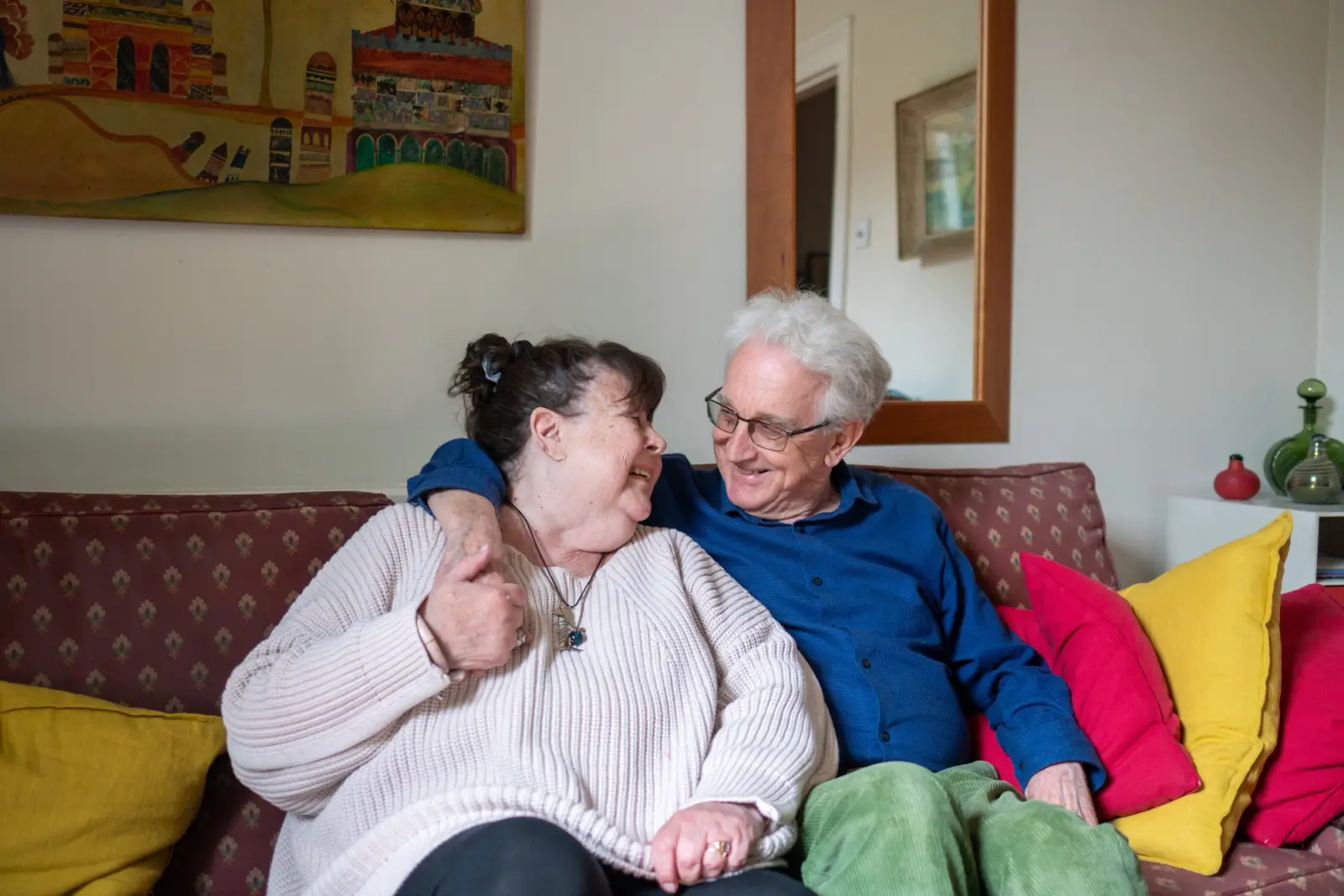
Live-in dementia care: how Elder can help
If your loved one has been diagnosed with dementia, you may be starting to explore care options. Live-in care can offer a reassuring alternative to residential care, allowing people to stay in the comfort and familiarity of their own home.
With Elder, a dedicated carer moves into the home to provide one-to-one support tailored to your loved one’s needs – from help with daily tasks and medication management to companionship and specialist dementia care. This continuity of care can be especially important for those living with dementia, helping to reduce confusion and maintain a better quality of life.
Learn more about live-in dementia care with Elder.
What dementia support can I expect from the NHS and Social Services?
Social Services support
Your local adult social care team can offer:
- Help with personal care
- Meals on wheels
- Home adaptations and equipment
- Access to day centres and community support.
You can request a free needs assessment from your local council to evaluate support needs. If the assessment determines that assistance is required with daily activities, a social worker will be in contact to discuss the needs with you. Together, you can establish a shared plan of necessary support and how it will be provided.
The next step involves a financial assessment (means test) conducted by your local council to determine if they will contribute to your care expenses.
NHS support for dementia
The NHS offers various services for dementia, including treatment from your GP and hospital, as well as other forms of healthcare, including:
- Physiotherapy, audiology, and optician services
- Mental health support and speech therapy
- Admiral Nurses (in some areas) for specialist advice and emotional support.
NHS continuing healthcare
This covers the full cost of care for those with severe and complex health needs.
Eligibility is based on care needs, not a specific diagnosis. Begin the assessment by contacting your local Integrated Care Board (ICB).
NHS-Funded nursing care
If your loved one lives in a nursing home, the NHS-funded Nursing care helps cover the cost of nursing care if they’re not eligible for full NHS continuing healthcare. Contact your ICB for an assessment.
The NHS free dementia guides
If you need more information on the most common types of dementia, the Dementia Information Service offers a six-week email support series covering:
- Understanding dementia
- Navigating the healthcare system
- Making the home safer
- Legal and financial advice
- Emotional and social support.