Advice for living well with dementia
9-minute read | 18/06/2024

Editorial Contributor
Dementia can affect all aspects of a person’s life, as well as the lives of those around them. However, with the right support and information many people can and do live well with dementia. In this article we’ll look at the things you can do, and where to find the right support if you and your family have been affected by dementia.
After a dementia diagnosis
There’s no textbook way to deal or react to a diagnosis of dementia. Some people may feel a strong sense of grief, while others may take some solace in getting to the bottom of the symptoms they’ve been experiencing.
Following a diagnosis it can be important to remember –
- Things like memory loss or changes in cognitive functions are just symptoms. They don’t define a person or erase who they are
- Everyone experiences dementia differently
- People with dementia can still do and enjoy things. Focusing on these things can help them stay positive and experience a sense of accomplishment
"Persons living with dementia are usually capable of more than we can imagine."
Talking about your dementia diagnosis
If you’ve been diagnosed with dementia you may need some time before sharing the news, or you may want to talk about it with those closest to you straight away. If you're unsure how to approach these conversations, it can help to think about –
- Who you feel comfortable telling first, or who needs to know such as your partner or children
- What you want them to be aware of in terms of how your daily life will change or the symptoms you’re experiencing
- How you honestly feel about it, and the worries you have
- How you want to be treated, and areas where you’d like their support
- Whether you need some space to process, or if there are any boundaries you want to put in place when it comes to offers of help
Seeking outside support
Some people feel more comfortable speaking to a stranger about their diagnosis first. Speaking to a trained dementia professional can also help you plan how to tell your loved ones.
Alzheimer’s Society’s dementia support line on 0333 150 3456
Dementia UK Admiral Nurse Dementia Helpline on 0800 888 6678
How to offer support to someone after a dementia diagnosis
Wendy Mitchell became a dementia campaigner after being diagnosed with early onset dementia at the age of 58. She shared her lived experience of the condition in her blog ‘Which me am I today?’ and offered the following advice for the families of people diagnosed with dementia.
- Don’t automatically do things for your loved one – jumping in and completing a task can be frustrating, instead help them to do it themselves or find a new way.
- Don't think of a diagnosis as the end – life will be different but that doesn't automatically mean it will be bad. It's all about adapting and taking each day as it comes.
- Remember your loved one still has interests and talents – these aren't lost overnight. Encourage them to keep up with what's important to them in someway
- Your loved one is still a person with feelings – ensure they’re always included in conversations, even if some responses may be different to what you're expecting.
Living well with dementia - tips for daily life
A person with dementia will inevitably find some things more difficult than before, however there are some actions you can take as a family to make managing daily tasks easier.
Maintain a regular routine
Change can cause unnecessary confusion or distress. It may help to create a weekly timetable and put it somewhere obvious in the home – such as on the fridge in the kitchen. If there are certain times of day when you or your loved one feels more alert and capable, try scheduling activities that require more cognitive skills or energy around these times, for example shopping, or attending appointments.
Keep essential things in a designated place
Where possible, try and leave important things, like glasses, keys or a wallet in the same place every time so that you or your loved one know where to find them. Using a pill organiser box (dosette box) can reduce the risk of misplacing important medications, and helps to ensure they’re taken at the right time.
Automate important payments
Setting up regular bills as direct debits ensure they won't be forgotten.
Keep up with health check ups
It's important for a person with dementia to look after their physical health, and especially their sight and hearing as unidentified issues could make communication more difficult than it needs to be. The NHS offers free eye tests for people over 60, and a GP will be able to help arrange hearing tests and treatment.
Make the home dementia friendly
Improve lighting by ensuring nothing is blocking the windows, and add automatic sensor lights to hallways and bathrooms as this can help minimise confusion and reduce the risk of falls. You can also reduce background noise with soft furnishings.
If depth perception or distinguishing shapes is becoming difficult, removing rugs and adding more contrasting colours around the home can help, but avoid bold patterns or prints as these may be disorientating. Labels and signs on cupboards and doors can be helpful too, such as a toilet sign on the bathroom door.
“I’ve learned that people will forget what you said, people will forget what you did, but people will never forget how you made them feel.”
Activities for people with dementia
There are a lot of meaningful activities that can be beneficial for people with dementia, and we’ve shared some activity ideas below. However, if you’re planning these on behalf of a loved one, remember that no one wants to be told how they should spend their time or take part in something just because they have dementia. It's important to plan these together to ensure they align with their hobbies and interests and will have a positive impact on their quality of life.
Creative activities

Why? If you or your loved one enjoys arts and crafts, there’s no reason to give them up. Creative activities are also a great way of building a sense of achievement and helping motor skills.
Things to try:
- Adult colouring books
- Adult crafting kits
- Pottery painting
- Sculpting with air-dry clay
- Creating collages or decoupaging using magazines
- Joining and art therapy class, such as those organised by Arts for Dementia
Outdoor activities
Why? Staying as active as possible helps with balance and coordination and can be a really effective mood-booster. Getting physical exercise outside is especially important in regulating the body clock, which can help manage confusion and improve sleep.
Things to try:
- Gentle exercise such as walking in a local park or public garden, or to the shops
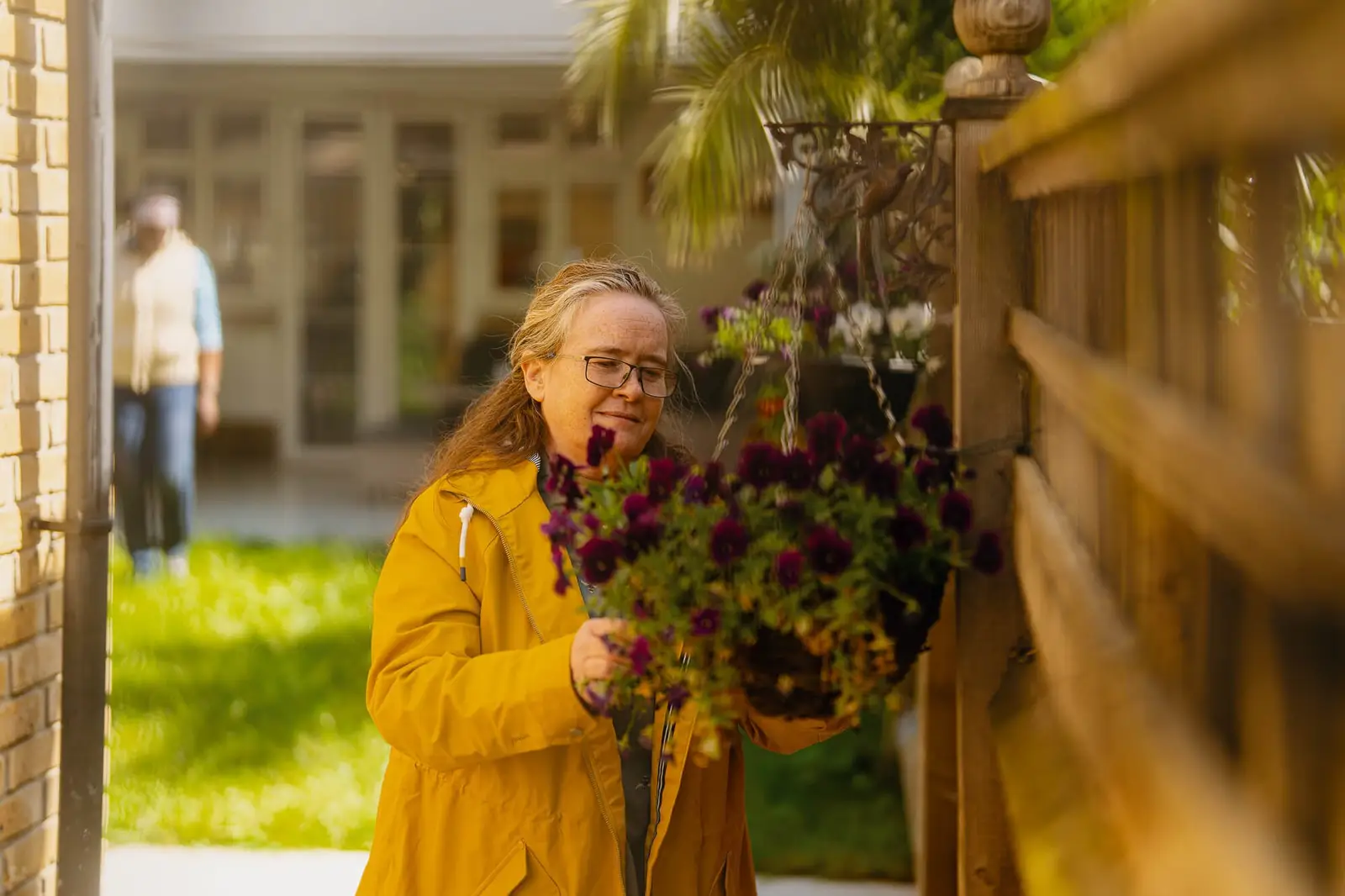
- Planting herbs or flowers in the garden, or growing plants from seed
- Playing sports such as golf, badminton or bowls
- Taking a day trip to the beach
- Photography
- Downloading the free Wylder app which offers daily prompts to help connect with nature
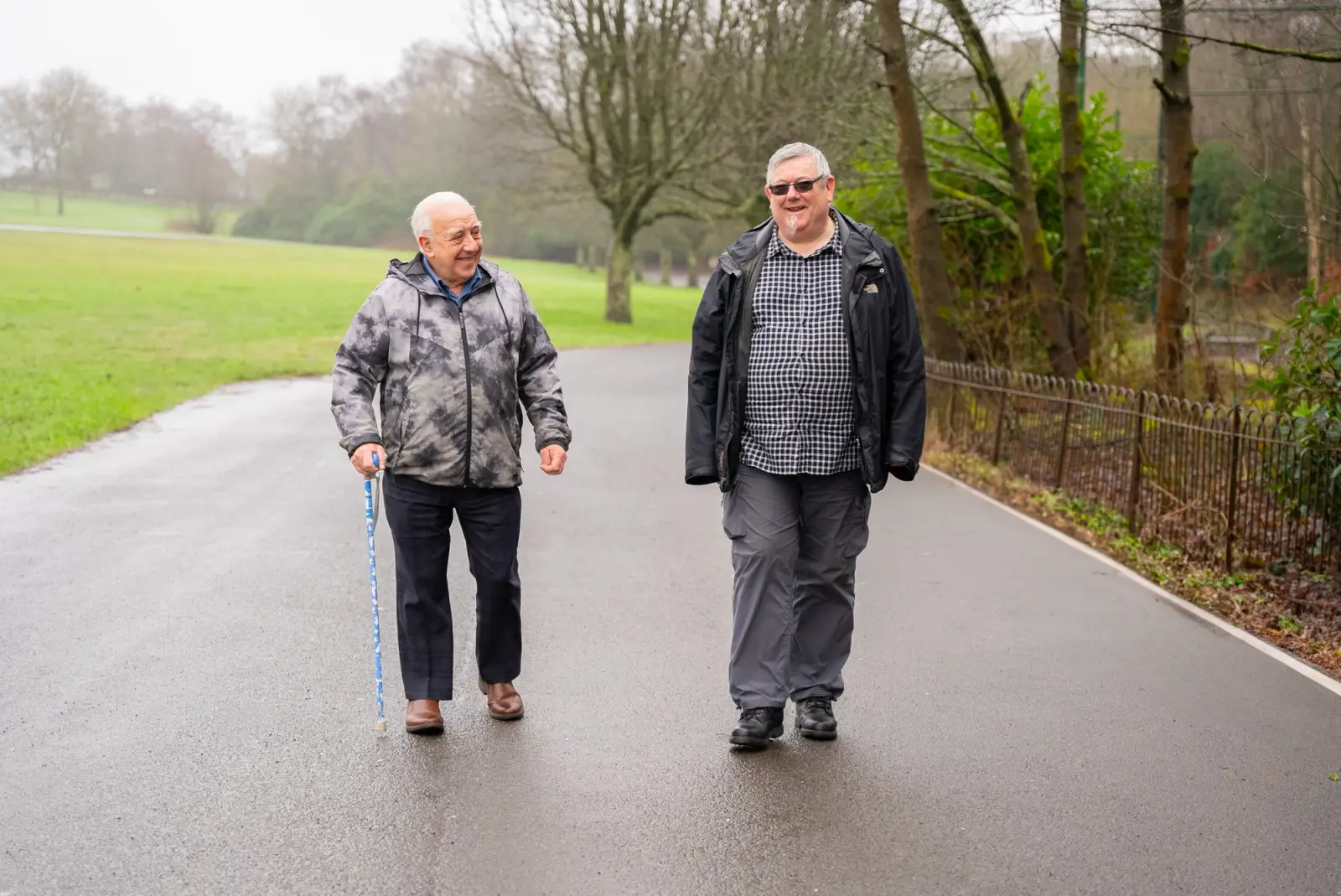
Before heading out somewhere you may find it helpful to look into quieter (off-peak) times, and whether there are certain services or amenities available, such as seating, a café or toilets.
Social activities
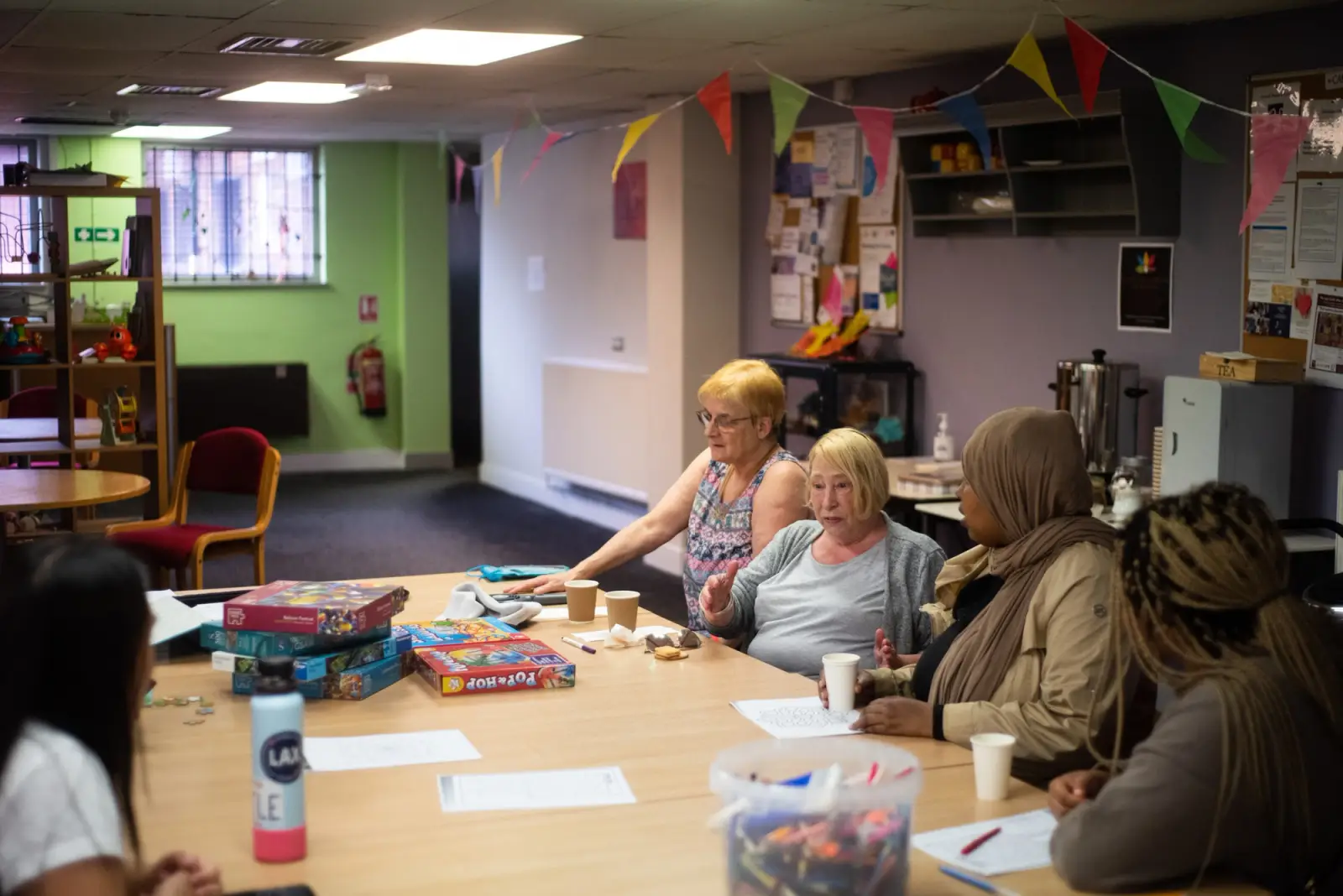
Why? Staying social is really important for mental health, as many people with dementia can feel isolated or lonely due to the condition. Social activities can boost self-esteem, help communication skills and help a person feel connected to their community.
Things to try:
- Joining a singing or music group through the Alzheimer’s Society
- Joining an over 50’s walking group
- Finding a local club, such as a book club
- Finding a local memory café to meet other people with dementia
- Using a computer to stay in touch with friends and family. Action for Elders offers support to help older people improve their technology skills
- Playing a board game, card game, or doing a jigsaw puzzle with friends or family.
Reminiscence therapy
Why? A person with dementia may find it easier to recall things from many years ago, rather than recent memories. These memories and stories can help maintain a sense of identity, be a source of comfort, and stimulation, and be an opportunity to connect with friends and family.
Things to try:
- Visiting a special place with fond memories, such as a favourite holiday destination, or place you grew up
- Creating a memory box of photographs and mementos
- Creating a life-story book to aid future memories and conversations

Sensory activities

Why? For people living with more advanced dementia, touch, sound and smell can be a powerful way to remember and express emotions. A sensory experience can also help people to feel comfortable and safe, and engage with others.
Things to try:
- Complementary therapies like aromatherapy or hand massages
- Visiting a sensory garden with scented plants, textured sculptures and water features
- Creating a sensory box with objects to touch and interact with
- Playing favourite music, or music that's connected to a particular time of life
- Pet therapy, for example spending time around a friend or neighbours pet, or a trained therapy dog arranged through organisation like Pets as Therapy
Sources
https://www.alzheimers.org.uk/blog/5-things-say-do-after-dementia-diagnosis
https://www.nhs.uk/conditions/dementia/living-with-dementia/activities/
https://www.alzheimers.org.uk/get-support/staying-independent/activity-ideas-dementia
https://alzheimer.ca/en/help-support/im-living-dementia/talking-about-your-diagnosis
https://www.alzheimers.org.uk/get-support/daily-living/exercise
https://www.experia.co.uk/blog/the-best-indoor-sensory-activities-for-dementia/