Home care the clear preference for later-life care, but most people still have no plan
3-minute read | 02/02/2026

Editorial Contributor

Clinically reviewed by
Bianca Wardle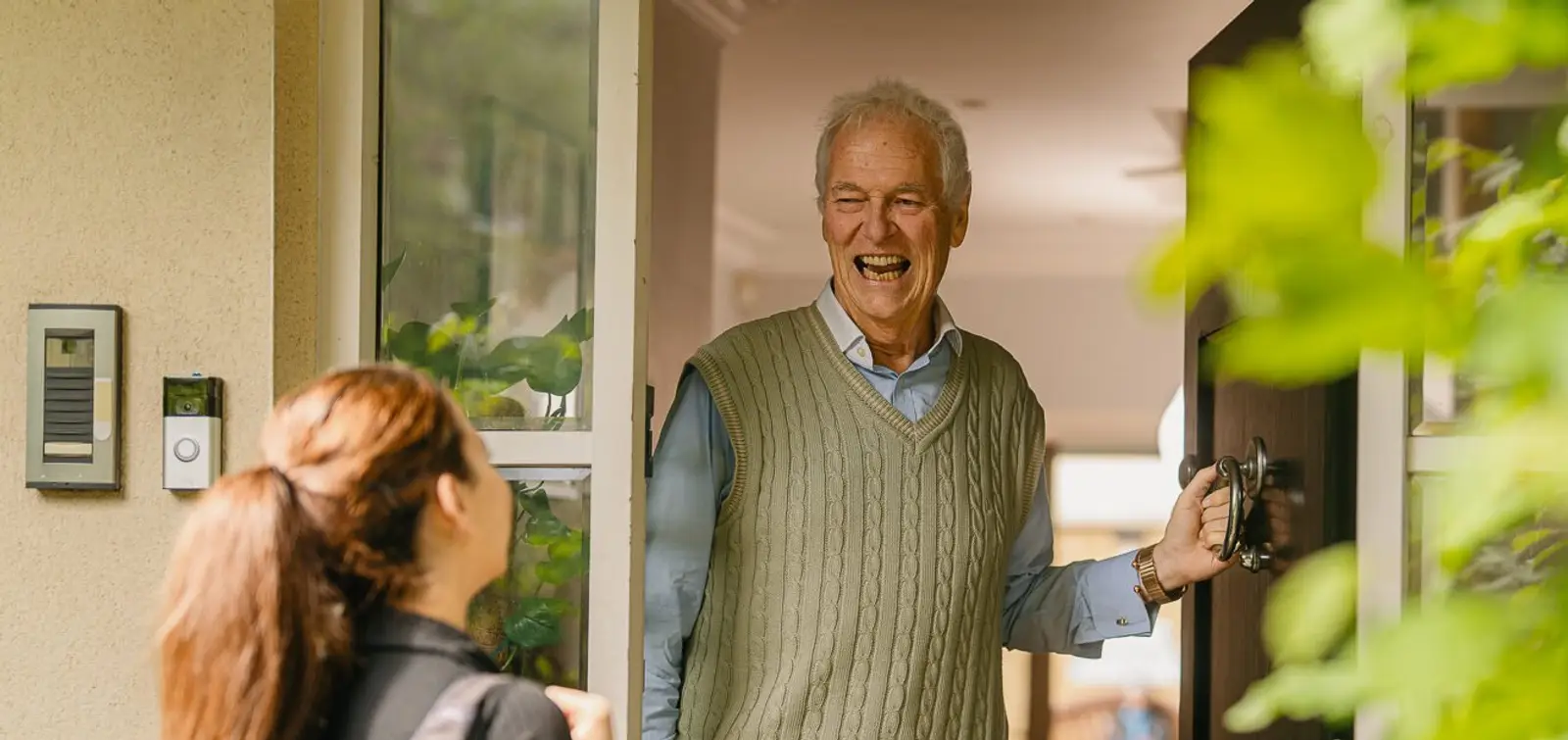
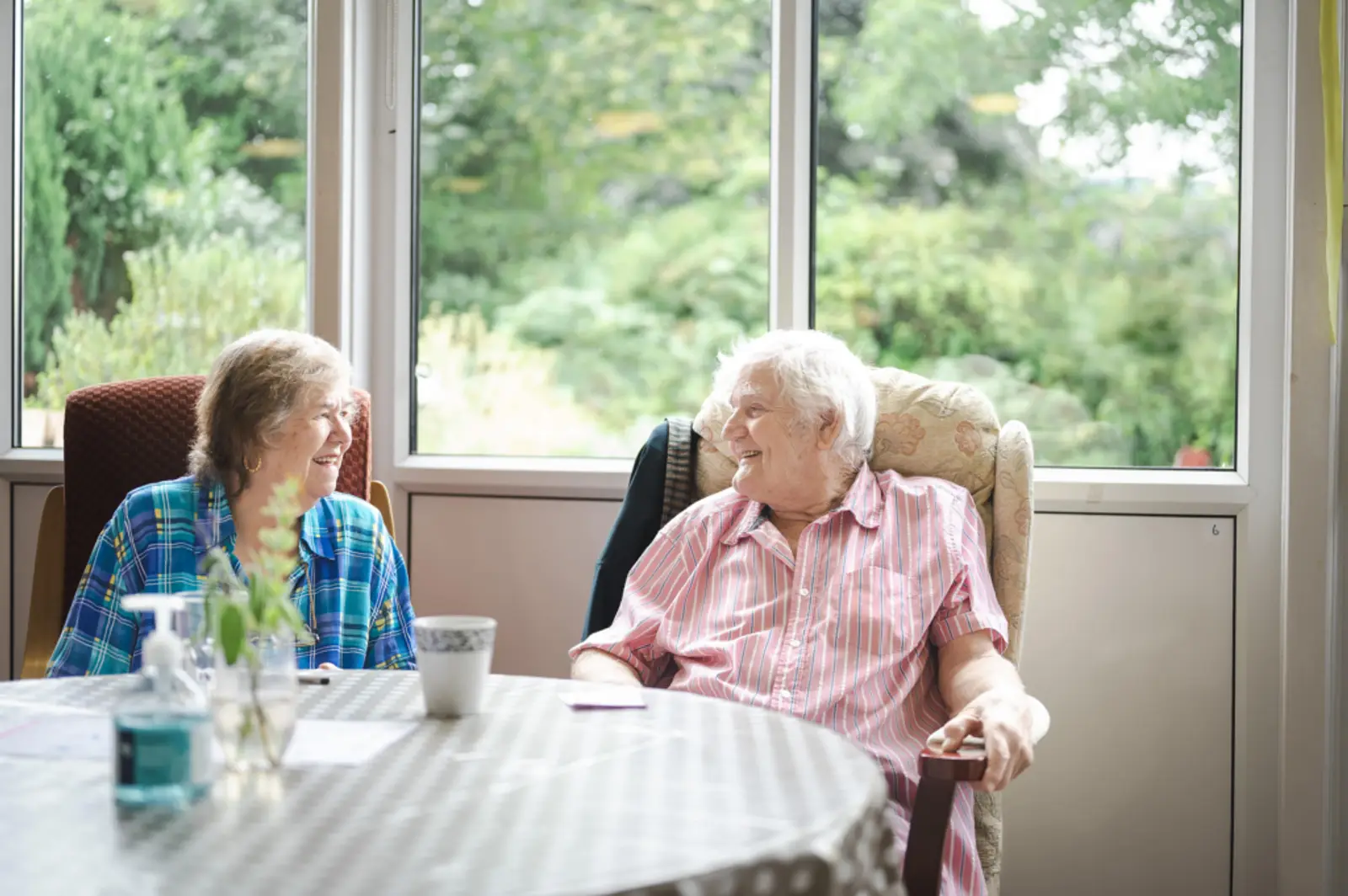
The latest UK research into later-life care preferences reveals that home care is the most commonly stated preference, despite widespread uncertainty and lack of planning.
What the research found about UK care preferences
A nationally representative survey of 1,269 UK adults aged 45 and over, conducted by Age Space, found that 26 per cent of respondents say they would want to remain in their own home with care if their needs changed.
This compares with 8 per cent who would choose a care home and 6 per cent who would choose to live with family. Remaining respondents either selected other options or said they were unsure, underlining how few people have made firm plans for later-life care.

Why so many people still have no care plan
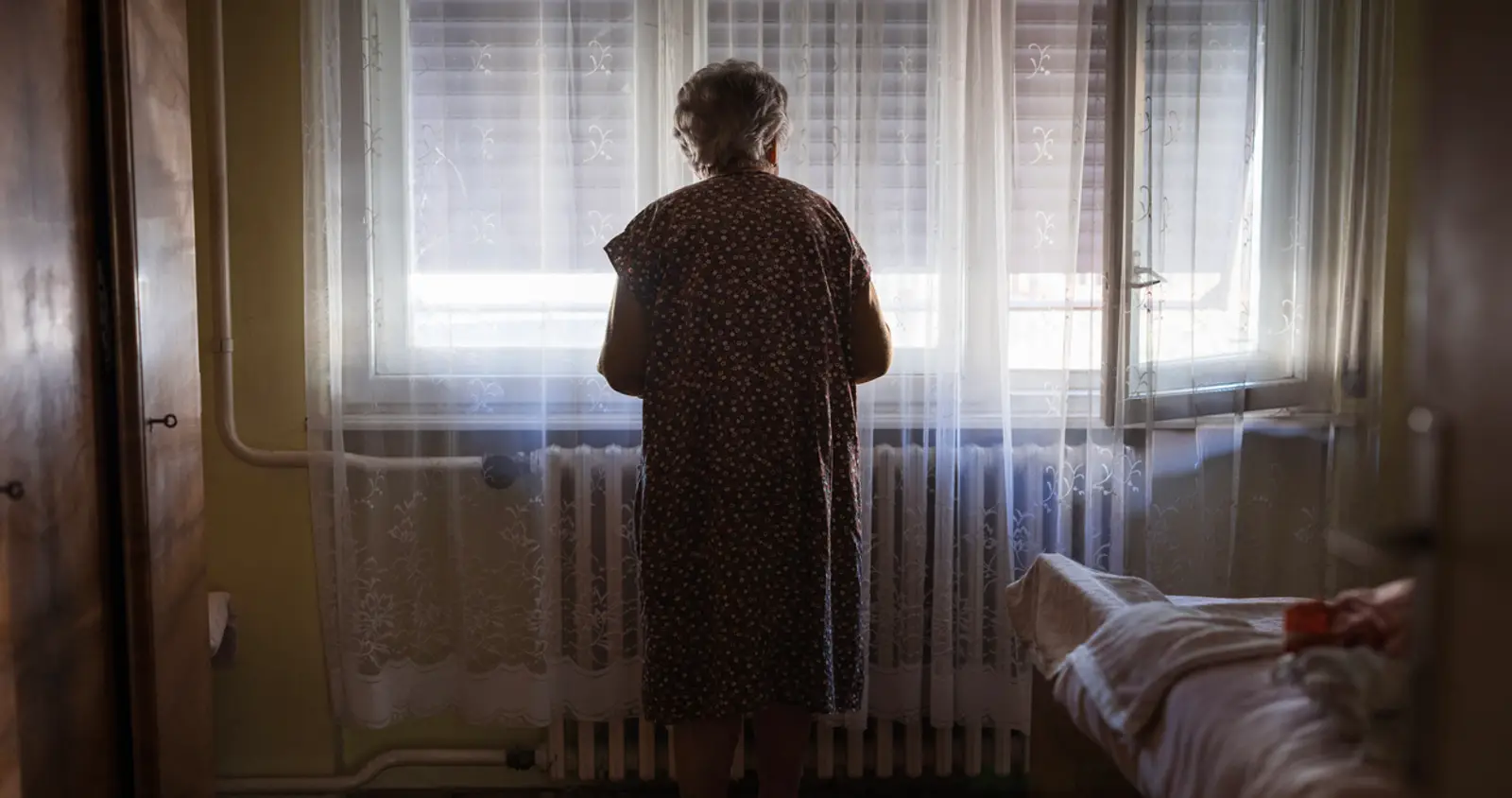
The findings sit alongside wider evidence of low preparedness. More than half (52 per cent) of people aged 45 and over say they do not understand how later-life care would be paid for, while 62 per cent have never discussed care preferences with family members. Only 6 per cent say they have a clear plan in place, despite strong stated preferences for home care.
Elder’s Head of Clinical, Bianca Wardle, said that without early conversations and planning, people’s wishes are often overtaken by circumstance.
“When people don’t have early conversations or planning about their care, their preferences may not be clear, and decisions can end up being shaped by circumstances. Many families only consider care options after a health event or urgent situation, which can make choices feel limited or rushed.”
“Most people want to stay in their own homes, but without early conversations, a care home can become the default option, even if it’s not what they would choose. With the right preparation, more people could be supported through live-in care, allowing time to make decisions that truly reflect their preferences.”

Why early conversations about care matter
The research underpins Age Space’s Prepare to Care campaign, which aims to break the silence around later-life planning by encouraging families to talk earlier and more openly about care, housing, and funding. The campaign focuses on three vital conversations: where you want to live when you are older, what kind of care you would accept if you needed it, and how that care would be paid for.
Highlighting the widespread lack of understanding and discussion revealed by the polling, Annabel James, Founder of Age Space, said the findings expose a national blind spot around care planning.
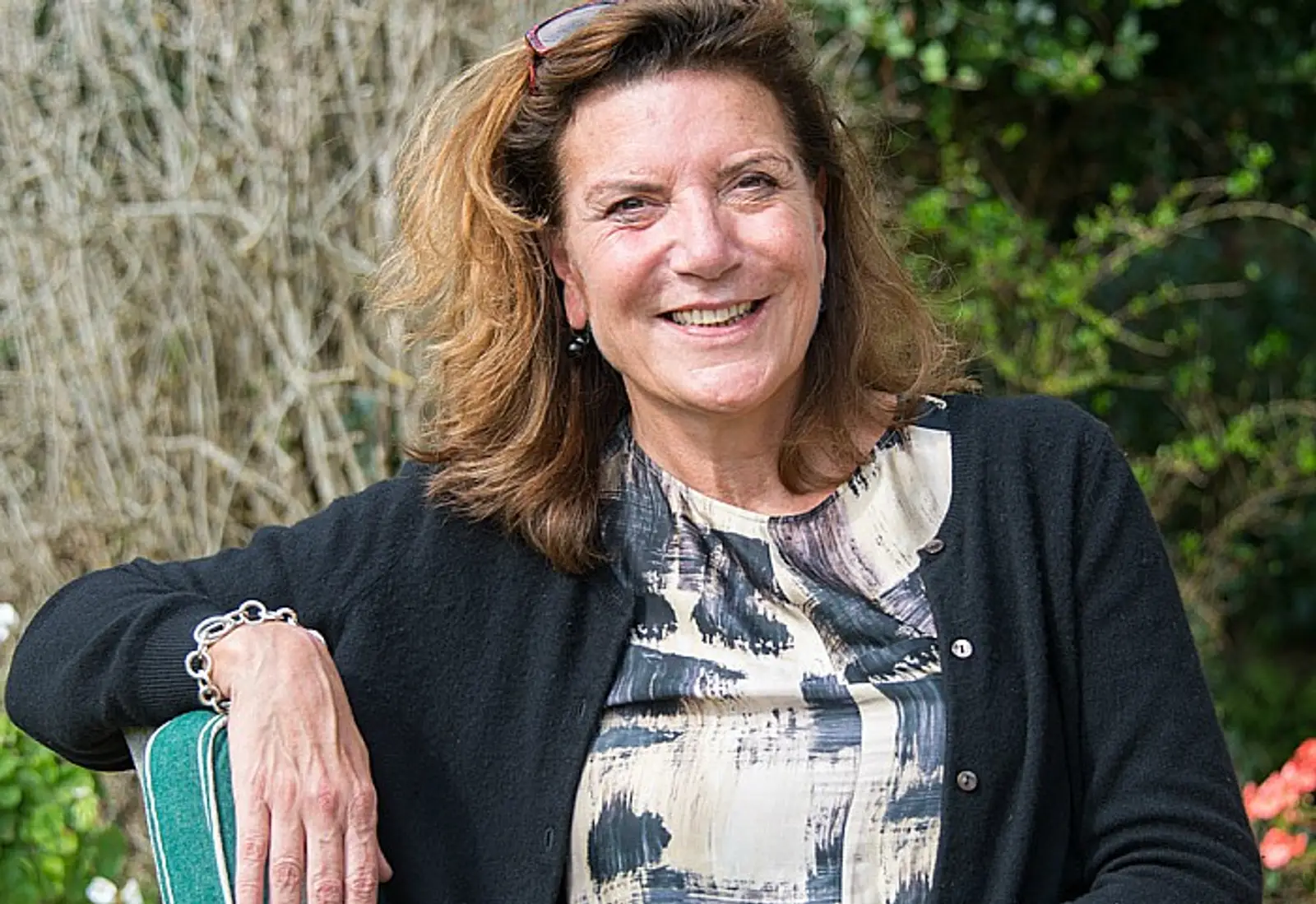
“Families aren’t talking, most don’t understand the options, and many have no plan at all. People want to stay in their own homes, but without open discussions and preparation, that may not be possible. Our Prepare to Care campaign is about breaking the silence and giving families the confidence to plan together, rather than waiting for a crisis. The three conversations we are urging families to have will provide a framework to help make these important decisions.”
Notes
- Survey conducted by Savanta, on behalf of Age Space.
- Sample: 2,222 UK adults aged 18+, including 1,269 aged 45+
- Percentages cited relate to respondents aged 45+