Signs of a Stroke: How to Recognise the Symptoms and Act FAST
5-minute read | 03/02/2026

Editorial Contributor

Clinically reviewed by
Bianca Wardle
A stroke is a medical emergency that occurs when blood flow to part of the brain is interrupted or when a blood vessel in the brain bursts. Recognising the signs of a stroke quickly and calling 999 immediately can save lives and significantly reduce the risk of long-term disability.
In the UK, the NHS and the Stroke Association are clear that acting FAST gives someone the best chance of survival and recovery.
What is a stroke?
A stroke happens when the blood supply to part of the brain is cut off, preventing brain cells from getting the oxygen and nutrients they need. The NHS sometimes refers to a stroke as a brain attack because it requires urgent treatment.
There are two main types of stroke:
- Ischaemic stroke, caused by a blood clot blocking a blood vessel in the brain
- Haemorrhagic stroke, caused by bleeding in or around the brain following a burst blood vessel
Both types are medical emergencies and need immediate hospital care.
The main signs of a stroke: Act FAST
The NHS and Stroke Association recommend using the FAST test to recognise the most common signs of a stroke:
- F – Face: One side of the face may droop when smiling
- A – Arms: One arm may feel weak or be difficult to lift
- S – Speech: Speech may be slurred, unclear, or difficult to understand
- T – Time: Call 999 immediately if you notice any of these signs
The NHS advises not to wait for symptoms to improve and not to wait for multiple signs to appear. Even one sign of a stroke is enough to call 999.
Other possible signs of a stroke
Not all strokes present with FAST symptoms. Other warning signs can include:
- Sudden loss of balance or coordination
- Sudden confusion or difficulty understanding
- Blurred or lost vision in one or both eyes
- Numbness or weakness on one side of the body, including the leg or hand
- A very severe headache with no known cause
- Dizziness or sudden collapse
These symptoms may appear on their own or alongside FAST signs. Any of them should prompt an immediate call to 999.
Signs of a Mini-Stroke (TIA)
Sometimes stroke symptoms pass within minutes or hours. This may be a mini-stroke, medically known as a transient ischaemic attack (TIA).
A TIA causes temporary stroke-like symptoms, but according to the NHS, it is a medical emergency and a serious warning sign that a full stroke may occur in the near future, particularly within the following days or weeks.
Common signs of a mini-stroke
The signs of a TIA are often the same as the signs of a stroke, including:
- Face drooping on one side
- Weakness or numbness in one arm or leg
- Slurred or unclear speech
- Sudden confusion or difficulty understanding
- Blurred or lost vision in one or both eyes
- Sudden loss of balance or coordination
Symptoms may come and go quickly, which can make them easy to dismiss. However, the Stroke Association stresses that symptoms stopping does not mean the risk has passed.
What to do if you suspect a mini-stroke
If you or someone else experiences symptoms of a mini-stroke:
- Call 999 immediately, even if symptoms improve
- Do not wait to see if symptoms return
- Seek urgent medical assessment
Early assessment and treatment after a TIA can significantly reduce the risk of a future stroke.
Why acting quickly matters
Every minute after a stroke begins, brain cells are damaged. The NHS highlights that rapid treatment can reduce the severity of a stroke, improve recovery, and lower the risk of long-term disability.
Many people delay calling 999 because they are unsure or hope symptoms will pass. Health professionals stress that delaying treatment can significantly worsen outcomes.
What to do if you suspect a stroke
If you think someone is having a stroke:
- Call 999 immediately
- Note the time symptoms started, if possible
- Keep the person comfortable and reassured
- Do not give food, drink, or medication
Do not attempt to drive the person to the hospital yourself.
Life after a stroke
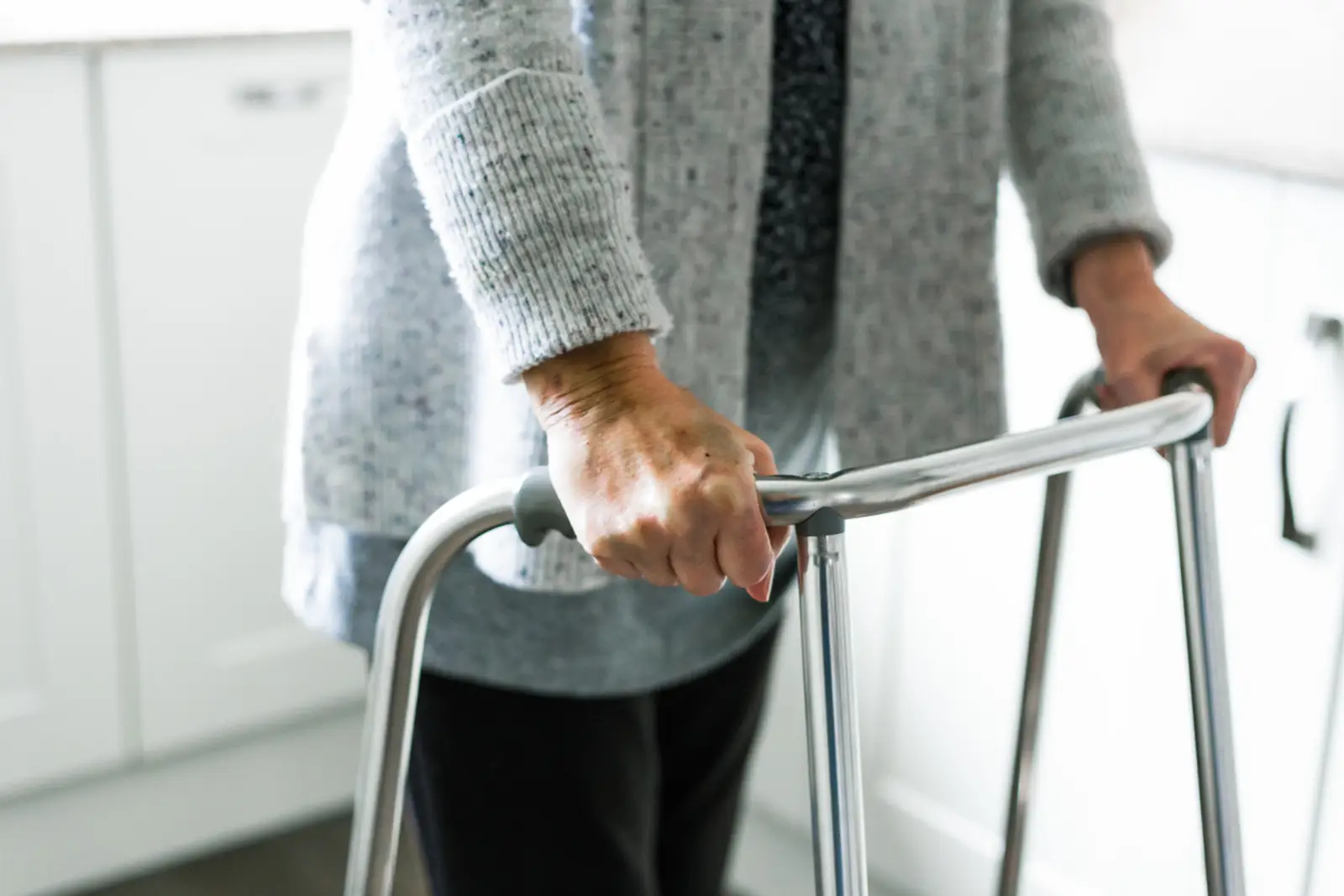
Recovery after a stroke can look very different from person to person. Some people recover quickly, while others may need longer-term support with mobility, communication, or daily activities.
For families supporting a loved one at home, understanding day-to-day care needs is essential. Elder also provides detailed guidance on stroke care and how to care for a loved one after a stroke, covering practical support, safety considerations, and when additional help may be needed.
For many people, live-in care can support recovery in familiar surroundings by providing continuous, one-to-one support at home. Live-in carers can help with daily routines, mobility, medication prompts, and reassurance, while reducing the risk of complications or hospital readmission during recovery.
Frequently Asked Questions
Yes. The NHS advises calling 999 immediately if you notice any sign of a stroke, even if symptoms seem mild or temporary.
A TIA causes stroke-like symptoms that resolve quickly, but it is a medical emergency and a strong warning sign of a future stroke.
Care at home can support stroke recovery by helping with mobility, daily tasks, medication routines, and rehabilitation exercises, while allowing people to recover in familiar surroundings.