Skip to content

Live-in care - the better care home alternative

Receive round-the-clock support from an experienced carer in the home you know and love.

Preserve independence, reduce anxiety and get more care for your money with Elder.

Find a carerCall us
Live life your way with live-in care
  • Choose your carer

    And speak to them before they begin

  • No waiting times

    Care can begin in as little as 24 hours

  • Continuous care

    The same friendly face each day

  • Cost efficient

    35% cheaper than alternatives

What are the benefits of live-in care?

Live-in care offers a safe and flexible alternative to residential care, allowing people to receive full-time support in the comfort of their own home. From practical help with everyday tasks to emotional support and companionship, there are many reasons families choose this type of care.

Personalised, one-to-one support

With live-in care, your loved one receives dedicated, round-the-clock support from a single, trusted carer. They provide personalised help with daily routines, companionship, and personal care, all tailored to individual preferences.
Independence and familiar surroundings

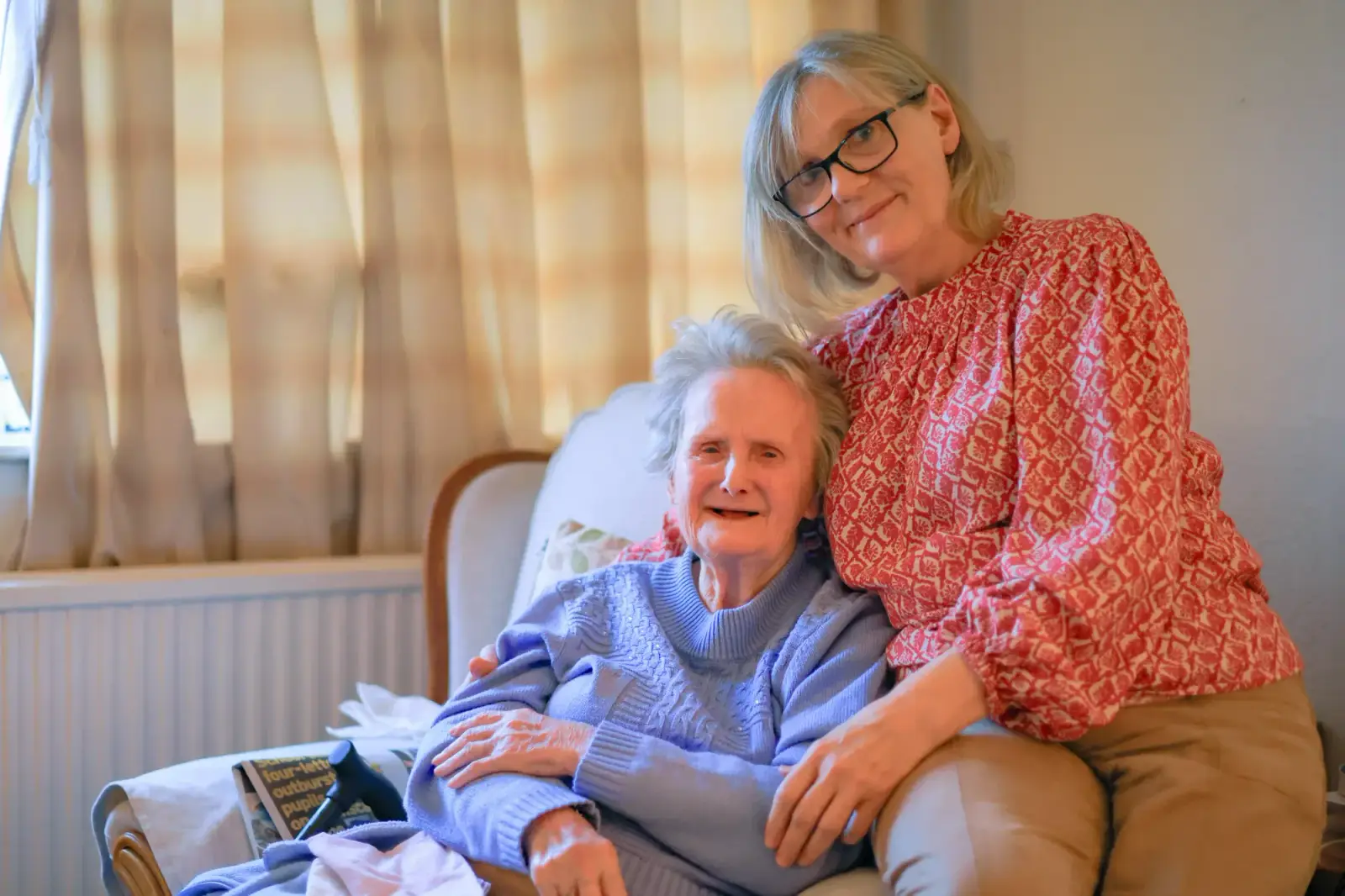
Live-in care allows your loved one to stay at home, surrounded by the things, people, and memories they love. For those with dementia, this consistency can reduce confusion and anxiety while supporting confidence and independence.

Peace of mind for families

A live-in carer offers reassurance that your loved one is safe, supported, and never alone. Families can relax knowing professional help is always on hand while independence and choice are respected.

Flexible and cost-effective care

Live-in care can be more affordable than many expect, often costing less than residential care. You only pay for the support you need, and local authority funding may help cover costs. Learn more in our guide to funding your care.
Social life and wellbeing

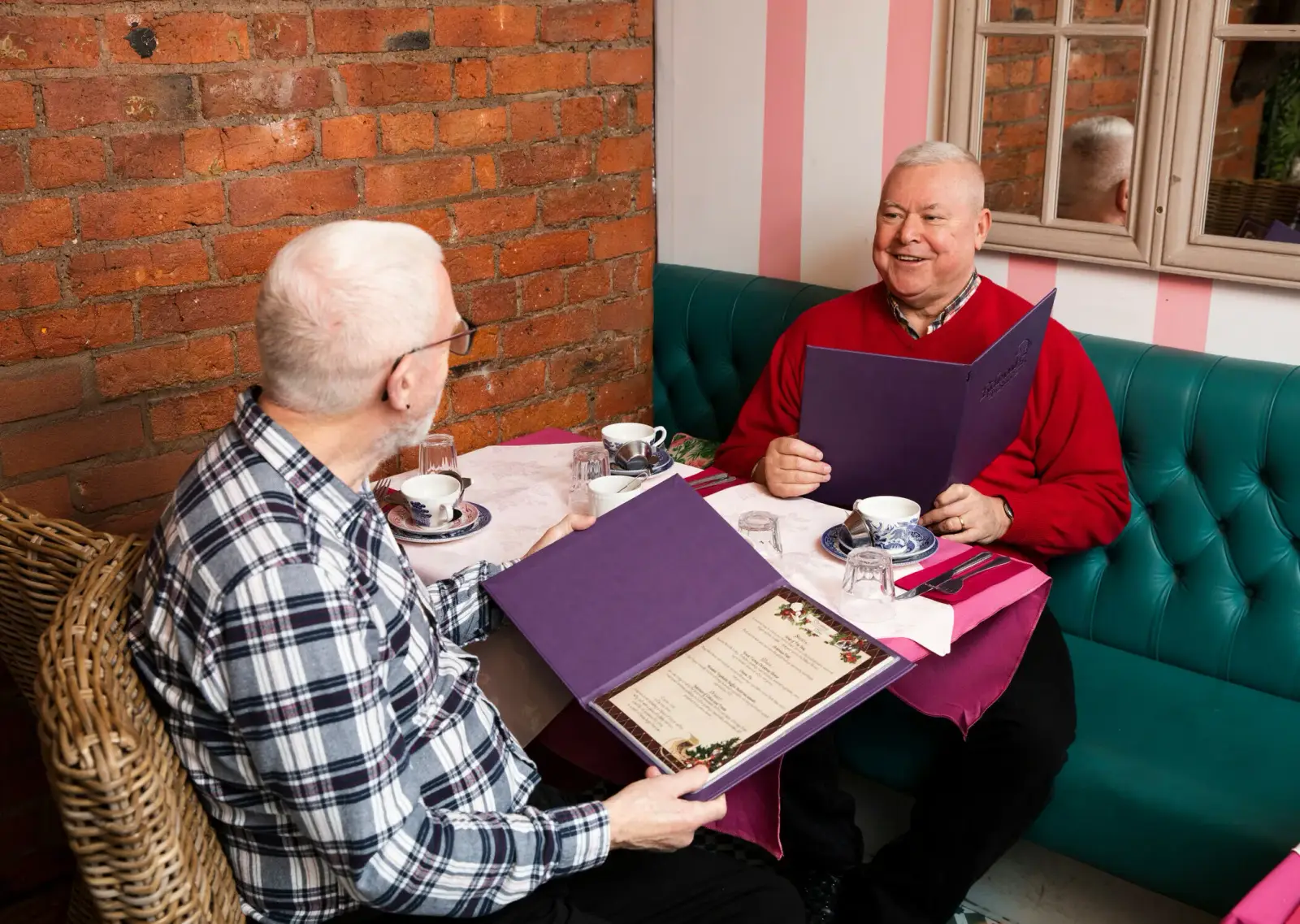
Staying at home helps your loved one remain active and connected. Carers can accompany them to social events, clubs, or family visits, making it easier to maintain friendships and hobbies.

Better health outcomes

Research shows live-in care can lead to fewer falls, faster recovery, and fewer hospital admissions. Staying at home also means keeping the same GP and healthcare team for consistent, trusted support.
Couples can stay together

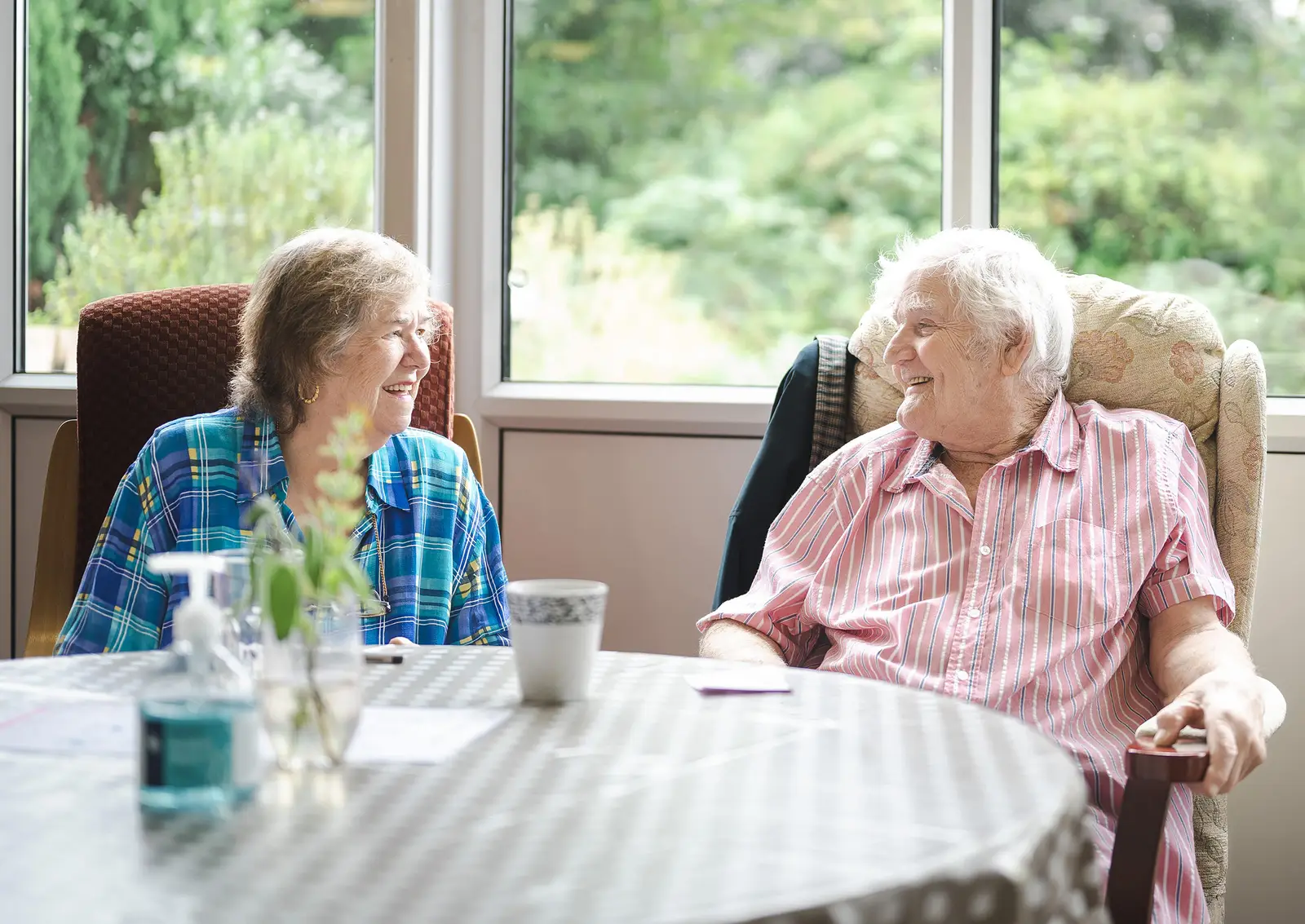
Separating elderly couples when one can no longer cope can be painful. Live-in care allows them to stay together as a single carer can ensure the needs of both are taken care of, only assisting where required.
Our care services

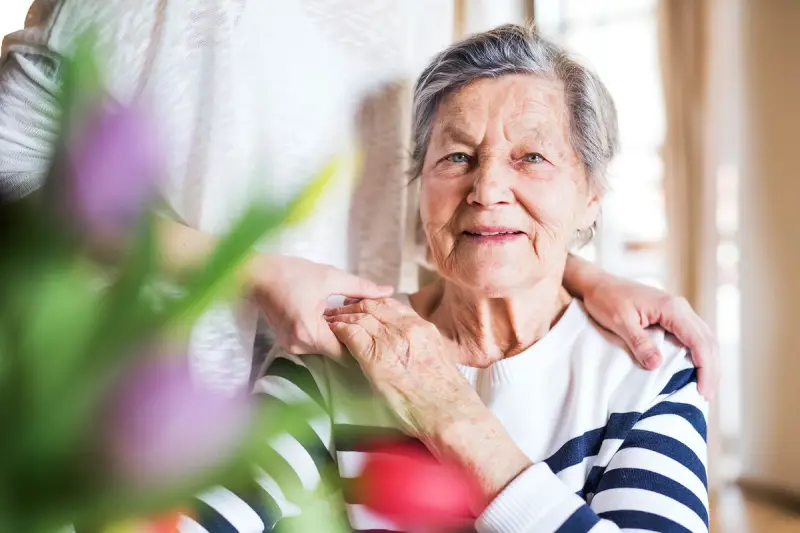
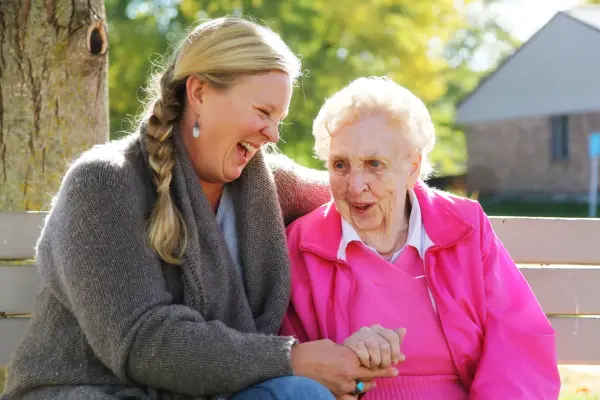
  • Carer laughing with elderly woman on a bench

    Live-in care

    Long-term 24-hour support

    • A carer lives in the home to provide round-the-clock support
    • Suitable for people living with conditions like dementia, reduced mobility, etc.
    • For long-term care needs
    Find a carerLearn more
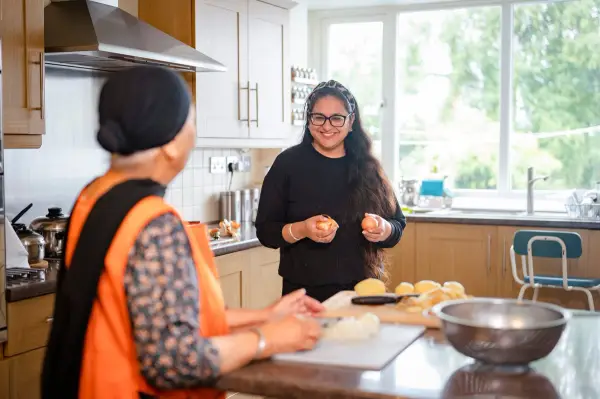
  • Carer helping elderly woman in the kitchen

    Respite care

    Temporary 24-hour support

    • A carer moves in for a few days to provide round-the-clock support
    • Suitable to cover for a main caregiver or for a temporary increase in care needs
    • Minimum duration of 3 days
    Find a carerLearn more
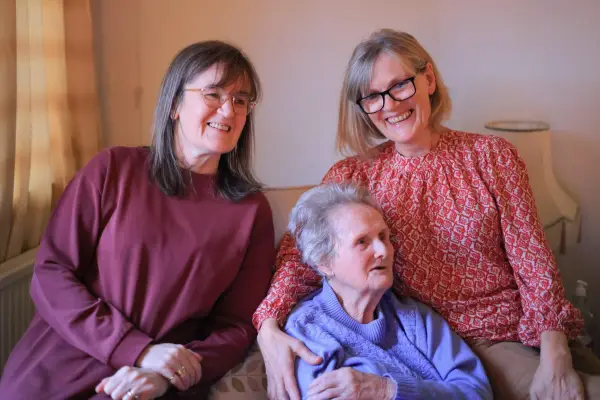
  • Elderly woman with her carer and daughter

    Visiting care

    Flexible home visits

    • Book as many hours as you need for help in the comfort of your home
    • Support with everyday tasks like grooming, walks, cooking, etc.
    • From as little as 1 hour per week
    Find a carerLearn more

Helping you find the right carer

We want you to find a self-employed carer you can trust and get on with. All cares pass a rigorous screening which includes a background check, character and skills assessment, and verifiable professional references. Only 2% of applicants to join Elder are successful. As a result, 9 out of 10 customers are very satisfied with their first carer.

“Patience is a breath of fresh air! She is lively, cheerful and fun and brings joy to my in-laws' home. Nothing is too much trouble. She makes my mother-in-law feel like a princess.”

Louise Elder Customer

“David has been 400% better than I could ever have imagined. I have seen many carers over the years but David is in a break away Premier league. He is attentive, thoughtful, constantly looking to improve the situation.”

David Elder Customer

“[Our carer] never underestimated mum's sharp intellect and desire to hold on to her independence. She and mum chatted about songs mum had always enjoyed, and she helped to create a special playlist for her."

Jane Elder Customer

“My mother has dementia and Maria quickly gained her trust...Maria cooks her delicious meals from scratch and keeps my mother busy with new card games. I have never seen my mother so happy.”

Alice Elder Customer

“She was a very friendly capable caring lady. My husband thought the world of her and has asked me if he can have her care for him the next time I am away which means a lot to me.”

Elizabeth Elder Customer

"Marko has taken the trouble to understand Ken's complicated needs, has become a good friend for Ken and is restoring some fun to Ken's life. For that we cannot thank him enough."

Alan Elder Customer

“Josephine has gone above and beyond. Every Wednesday she cooks a big meal and sets the table for Alison, her son Donald and his wife Annette, which is the highlight of the week and something they all really look forward to.”

Kyla Elder Customer

“Katie has made life easier and better for my gran from the moment she arrived. She has fitted in so well with our wee family and makes my gran feel special.”

Angela Elder Customer

Which tasks can a home carer help with?

Personal care

e.g. help with washing, toileting, and prompting medication

Dressing and grooming

e.g. shaving and hairstyling

Meal preparation

e.g. cooking meals to dietary requirements and tastes

Light housekeeping

e.g. vacuuming, keeping surfaces clean and doing laundry

Running errands

e.g. going to the shops or picking up prescriptions

Companionship

e.g. providing company and encouraging hobbies and interests

Pet care

e.g. feeding and exercising pets

Mobility support

e.g. encouraging gentle and suitable exercise

Light gardening

e.g. watering flowers and keeping pathways clear

Admin support

e.g. keeping on top of post, paperwork, and appointments

Medication prompting

e.g. ensuring medication is taken correctly

Ventilation and oxygen support

e.g. BiPAP or CPAP Support

Specialist drug administration

Including Controlled Drug Administration, Covert Medication Administration,
Glucose readings via finger pricks, Injections, Pessaries, Enemas, Suppositories

Stoma care

PEG care

Wound care

How it works

01

Share your care request

Tell us what you're looking for using our simple request form or speak with a dedicated care advisor to build your care profile and describe the care you need.

02

Select the right carer

You’ll start receiving profiles of your uniquely matched carers in 24 hours. Chat online to carers you’d like to know better, or arrange a phone or video call.

03

Prepare for care

Use MyElder to communicate with your chosen carer and the Elder support team, manage your care schedule, and set up secure payment.

Customer stories: Finding trusted live-in care

Finding the right care can feel overwhelming, but hearing how others made the decision can help. Explore real stories of families who found trusted support through live-in care.

  • Jean and John with their family

    Live-in care vs care home: Kenn and Nicole’s story

    Kenn and Nicole share how live-in care allowed their parents to stay safe and happy in their own home, avoiding the stress of a care home.

    Read Kenn and Nicole's story
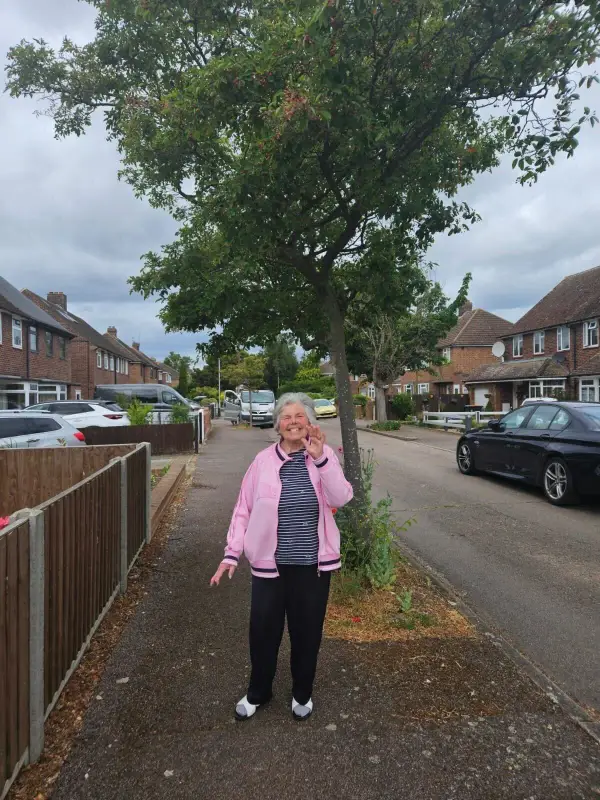
  • Sheila on her daily walk

    How home care gave Sharon peace of mind

    Sharon shares how home care supported her mum Sheila and gave her peace of mind knowing her mum was cared for and never alone.

    Read Sharon's story
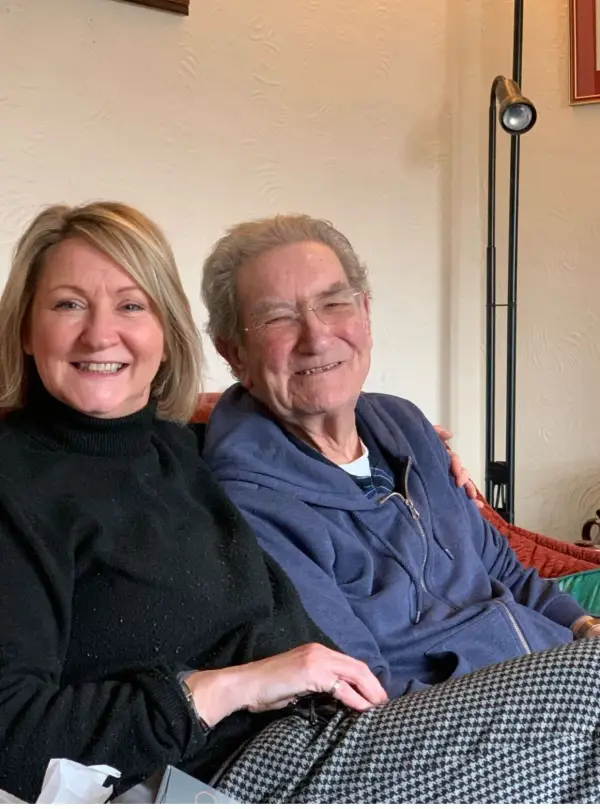
  • Hayley and her dad sitting on the sofa

    How live-in care allowed Hayley's dad to remain at home

    Hayley shares how live-in care gave her dad tailored support, enabling him to regain his independence after being discharged from hospital.

    Read Hayley's story
Find your ideal carer

We have connected over 5000 families to carers so far.

FAQs about live-in care

Still have questions?0333 920 3648

Live-in care works by having a dedicated carer move into your loved one’s home to provide one-to-one support, day and night.

Live-in carers can assist with daily tasks, personal care and companionship, helping your loved one stay safe, comfortable and independent in their own home.

Live-in carers can support with:

  • Household tasks (cleaning, laundry, cooking, errands)
  • Personal care (washing, dressing, toileting, mobility support)
  • Companionship and social support
  • Medication reminders
  • Night-time support
  • Looking after pets and helping with outings.

Live-in carers can’t support with:

  • Ventilation or oxygen support (e.g. CPAP or BiPAP)
  • Specialist drug administration
  • Stoma care
  • PEG care
  • Wound care

To learn more, read our guide on what live-in carers can do.

It’s simple to get started. Once you’ve created your MyElder account, you’ll be asked to complete some quick clinical suitability questions and submit a ‘Care Request’. This usually takes less than 10 minutes and helps us understand your care needs to match you with the right live-in carer.

You’ll be asked about:

  • The name, age, and location of the person needing care
  • Any medical conditions
  • Mobility levels
  • Hobbies and interests
  • Discrimination risk.

Using your answers, our ElderMatch technology shortlists suitable self-employed carers. You’ll typically receive profiles within 24 hours.

Each carer profile includes details about their experience, background, and feedback from other families. You’ll also see a short introductory video to help you get a feel for their personality and approach.

You can:

  • Invite other family members or decision-makers to your MyElder account
  • Chat directly with carers through the platform
  • Arrange phone or video calls to get to know them better.

Not sure what to ask a potential carer? We’ve put together some helpful questions. Once you’ve found the right carer for your needs, simply click ‘Accept’ on their profile to move forward. For more advice, read our guide to how to choose a live-in carer.

We know how important it is to feel confident in the carer supporting your loved one. That’s why every self-employed carer on the Elder platform must pass a suitability screening before joining. This includes:

  • Professional care experience – Carers must have previous experience in a professional setting, such as a private home, care home, or healthcare facility. We don’t accept personal or family-only care experience.
  • Strong communication skills – A good level of written and spoken English is essential.
  • Proof of identity – Carers must provide valid photo ID and have the Right to Work in the UK.
  • Background checks – All carers must be eligible to pass an enhanced DBS check (England and Wales).
  • References – Carers are required to supply at least two verifiable professional references.
  • Screening assessments – Each carer completes a series of situational judgment and character assessments to help us understand their approach to care.

Yes, you can arrange care with more than one self-employed carer through Elder. For example, if you need separate carers for daytime and nighttime support, simply submit a separate Care Request for each arrangement.

Be sure to clearly outline the specific needs each carer will be supporting with, so we can match you with the most suitable individuals for each role.

Thanks to our nationwide network of self-employed carers, we’re often able to arrange live-in care within 24 hours. In urgent cases, we’ve even matched families with a suitable carer on the same day.

Yes, absolutely. If you or your loved one has a preference for a male or female carer, just let us know when submitting your care request.

Yes. All self-employed carers on our platform are required to have a good standard of written and spoken English to ensure clear communication and high-quality care.

If you’d prefer a carer who also speaks another language, just let us know – we’ll do our best to match you with someone who meets your needs.

Yes. To help the live-in carer settle in and feel comfortable, you’ll need to provide:

  • A private room – Ideally a bedroom that isn’t used by other family members or as a walkthrough. If a bedroom isn’t available, a spare reception room or study can be adapted, as long as it’s a private and quiet space.
  • Access to a bathroom – The carer doesn’t need their own bathroom, but clean, functional facilities are essential. If the bathroom is shared, there should be space for the carer to store personal toiletries.
  • WiFi access – A reliable internet connection helps carers stay in touch with Elder, access care resources, and communicate with family, especially important in rural areas with poor phone signals.

Live-in carers usually prepare and share meals with the person they’re supporting, so there’s no need for separate dining arrangements. We recommend budgeting around £40 per week to cover the cost of the carer’s food. If you prefer, this can be included in your weekly payments through Elder.

Some carers may have specific dietary requirements and may choose to buy their own food instead. We suggest discussing food preferences and arrangements directly with your chosen carer to ensure a setup that works for everyone.

Yes, live-in care can be especially beneficial for individuals living with dementia. Staying in familiar surroundings helps reduce confusion and distress. Carers can provide dedicated support tailored to your loved one’s needs and routines. Read our guide to live-in dementia care for more information.

If the match isn’t right, we will offer a replacement carer at no extra cost. Simply give us a call and we’ll work quickly to present you with new carer matches, usually within 24 hours.

Absolutely. You can ask about their motivation, training, past experience, approach to emergencies, and how they build relationships with those they care for.