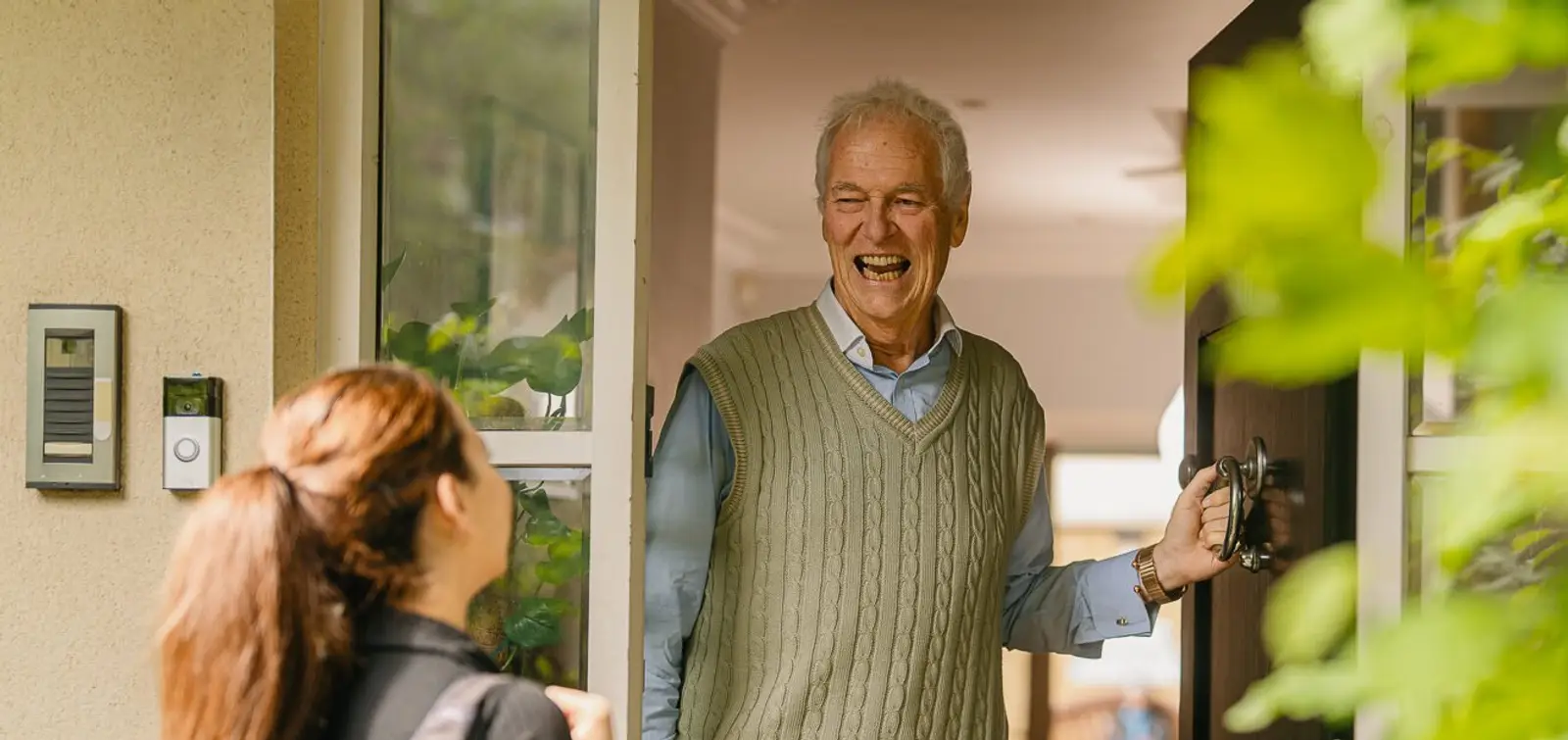
Women are the backbone of care, but where are the young carers?
6-minute read | 17/03/2026

Editorial Contributor

Clinically reviewed by
Bianca Wardle
At 24, Allexandra Tupita represents a small but important part of England’s care workforce. She is among the 7% of care workers under 25, compared with around 12% across the wider UK economy. In a sector where the average age of workers is 44, and more than a quarter are over 55, young carers are still the exception rather than the norm.
England’s ageing population means the demand for care is only expected to increase. Estimates suggest the country will require around 470,000 additional social care roles by 2040, placing growing pressure on the existing care workforce in the UK.
For Alexandra, who turns 25 next month, her path into care began with a personal moment that changed how she saw the profession.
“I’ve been in the industry since I was 18,” she said. “I started in domiciliary care and worked my way up throughout the years. My career wasn’t always planned, but when I was 17 my mother had a seizure and I didn’t know what to do to help, so I promised myself that I’d find a workplace that would teach me how to look after the ones around me in case it happened again.”

“That’s how I ended up in healthcare without realising that it would fully win me over in less than six months.”
Alexandra believes more young people would consider care if they understood the meaning and fulfillment it can bring.
“I’d love seeing more young adults in the industry. Too few of us really know how meaningful life becomes when we start giving without expecting anything in return; how it gives us a feeling of gratitude for everything that we’ve already got.”
“It’s scary at first, and there’s a constant responsibility, but I would advise anyone to do it. To worry about not making the right cup of tea from the first try, and still put their heart into it.”
Young carers in the UK remain a small part of the workforce
Despite growing demand for care services, young carers in the UK remain significantly underrepresented in the adult social care workforce.
The sector’s age profile highlights a long-term sustainability challenge. With only 7% of workers under 25, the pipeline of younger carers entering the profession is limited compared to many other industries.
As the UK population ages, the need for skilled carers will continue to grow. According to projections from the Centre for Better Ageing, roughly 26% of England’s population will be aged 65 or over by 2065. This demographic shift will place additional pressure on the social care workforce, making it essential to attract younger people into the profession.
Encouraging more young carers to consider careers in adult social care could help address this growing gap while ensuring older people receive the support they need to remain independent at home.
Gender imbalance in the UK social care workforce
Age is not the only imbalance in England’s care sector. The social care workforce remains overwhelmingly female, with four out of five care workers being women.
This trend is reflected across the industry, where roles such as female carers and home carers are among the most common in adult social care.
The same pattern appears at Elder, the UK’s largest live-in care platform. Of the platform’s 6,500 carers, around 5,500 are women. Approximately 75% are over the age of 40, while 57% are over 50. Women also facilitate around 80% of care placements through the platform.
Taken together, the data shows that experienced women, particularly those over 40, currently sustain much of the care workforce in the UK.
One of those carers is Lynne Kemp.
A lifetime in care: Experience in the social care workforce
Lynne Kemp, a carer with Elder, has more than 30 years’ experience supporting older people across hospitals and care settings. But her journey into care began long before her professional career.
Growing up, she shared a room with her grandmother and became familiar with the realities of ageing early on. A few years later, she was also helping to care for her mother. What started as family responsibility eventually became a lifelong vocation.
“It’s second nature really and I genuinely love it,” she said. “They feel safe with me, and they’re happy.”
“It’s creating that relationship where you come in with a big smile, say hello to her, and immediately she is relaxed.”
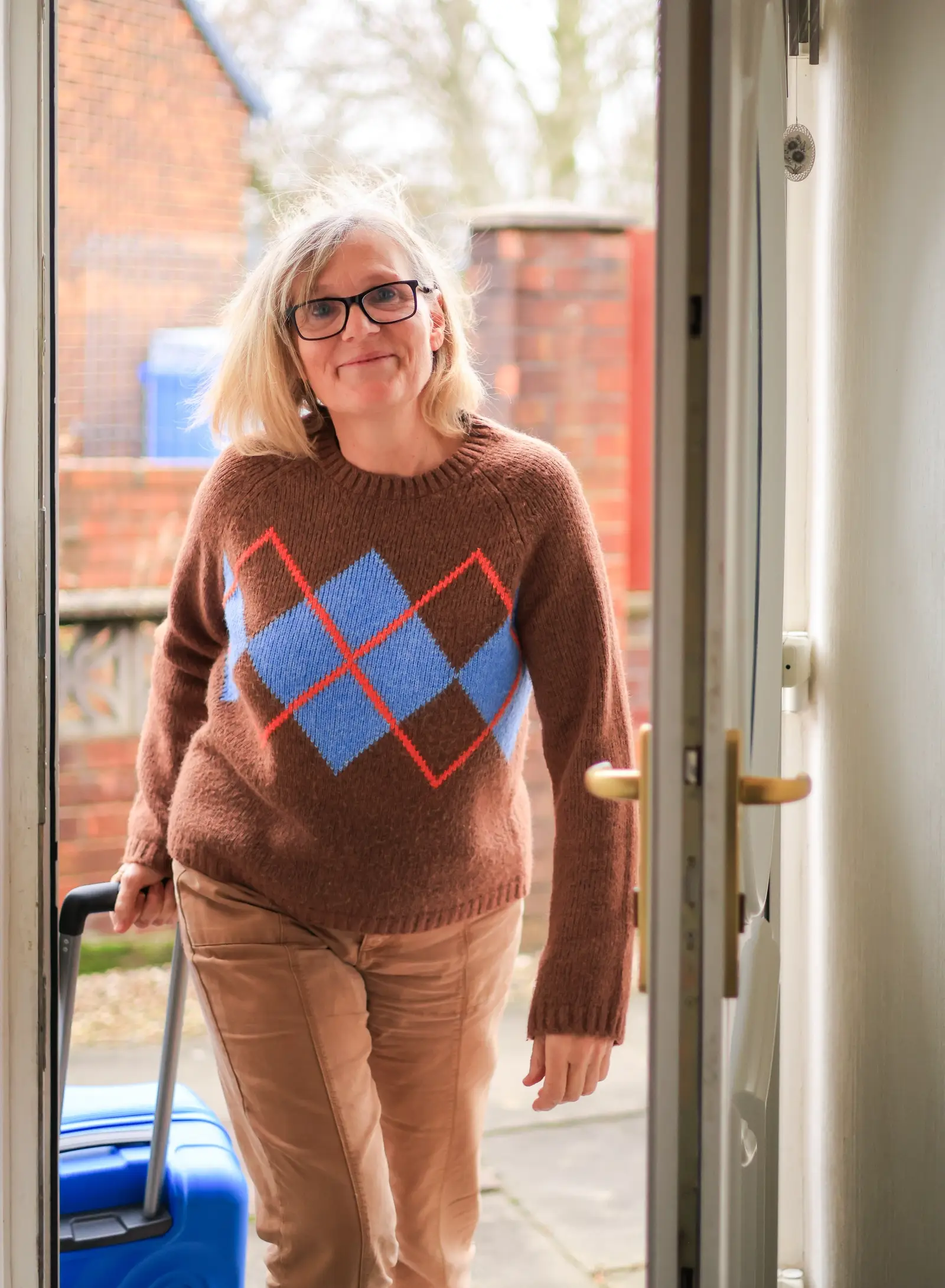
Working one-to-one in someone’s home allows Lynne to anticipate needs in ways that busy institutional settings often cannot.
“I can tell Pat needs the bathroom before she stands up to go. If you’re in a hospital or a nursing home, you won’t get that.”
This level of intuition develops over time and reflects the experience that long-serving female carers bring to the sector.
“If I had a loved one that needed care, I would move heaven and earth to make sure that they stayed at home, and importantly, that they got the right person to look after them.”
Securing the future of care
Lynne and Allexandra represent two ends of the same workforce story.
Today, the UK social care workforce depends heavily on experienced carers like Lynne. But sustaining the sector will require more young people, like Allexandra, to enter the profession.
Pete Dowds, Founder and CEO of Elder, believes the solution lies partly in reframing how care is perceived by younger generations.
“Care is one of the most important jobs in our society, yet it is too often undervalued and overlooked as a career choice,” he said.
“We need to show young people that this is skilled, meaningful work with real progression and purpose.”

Pete believes apprenticeships and stronger partnerships between providers, educators and policymakers will play a key role in building that pipeline of future carers.
“A sustainable care system depends on investing in the next generation of carers, while recognising the experienced women who keep it running today,” he said.
“That means clearer career pathways, better visibility in schools and colleges, and recognition of the professionalism that care demands.”