Social Care Postcode Lottery Leaves Access to Support Dependent on Where People Live
4-minute read | 28/01/2026

Editorial Contributor
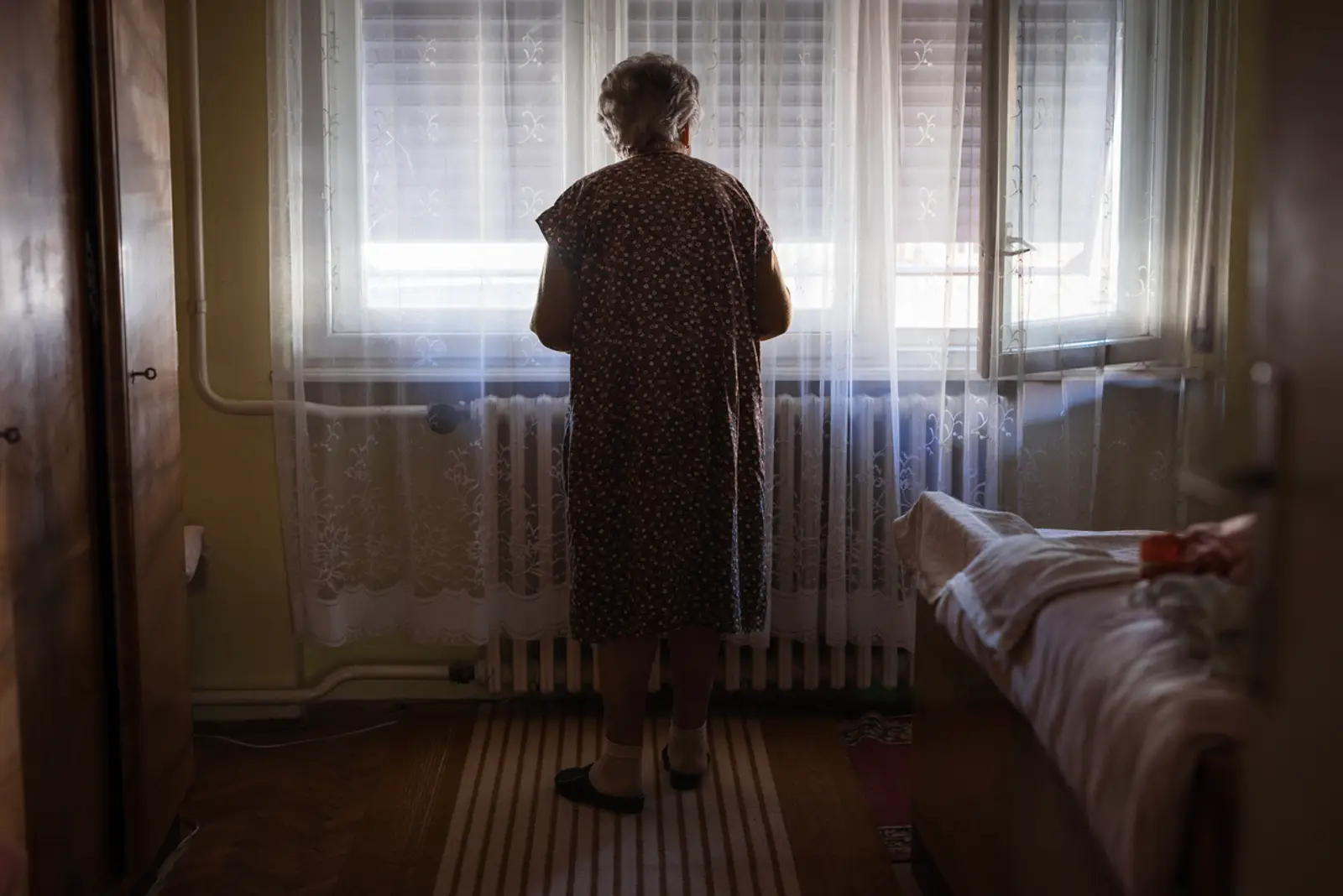
People with similar care needs can face very different levels of access to support depending on where they live, according to a new report from the Social Care Institute for Excellence (SCIE). The report highlights the persistent geographic inequality across England’s adult social care system and uneven access to social care.
The report, Ending the social care postcode lottery, finds that access to adult social care, the availability of care at home, and outcomes for wellbeing are shaped largely by local factors such as funding pressures, social care workforce capacity, and how statutory duties are interpreted by individual local authorities.
What is the social care postcode lottery?
SCIE defines the social care postcode lottery as a variation in people’s experiences of adult social care based on location rather than need. The report warns that this inconsistency undermines dignity, independence, and safety, particularly for older people, disabled adults, and unpaid carers, despite national eligibility frameworks intended to promote fairness.
Care at home central to people’s preferences
The report places care at home, care and support at home, and wider home-based care at the heart of its vision for the future of social care in England.
Drawing on the Social Care Future “North Star”, the report states that people want to be supported to “live in the place we call home, with the people and things we love”. SCIE emphasises that good care should enable independence, continuity of relationships, and control over day-to-day life, outcomes most often associated with care delivered in the home and community-based care, rather than institutional settings.
Inequality in access to social care
Rural and ageing communities face greater inequality
The postcode lottery is particularly acute in rural England, where care services in rural England are harder to staff and sustain.
- Around 9.7 million people live in rural areas in England
- 25.4% of people in rural areas are aged 65 and over, compared with 17.1% in urban areas
As rural populations age faster than urban ones, demand for home care services and care at home is rising in areas already facing workforce shortages, longer travel times, and fewer providers, increasing the risk of unequal access to adult social care.
Demand rising as capacity contracts
Pressures on social care in England are expected to intensify. The Department of Health and Social Care projects that 57% more adults aged 65 and over will require care by 2038 compared with 2018.
However, the social care workforce capacity is not keeping pace. The Homecare Association’s 2023 workforce survey found that more than half of providers were delivering less care than a year earlier, despite increased demand for care at home and other forms of home-based care.
Impact on families and unpaid carers
The report highlights the knock-on effect of inconsistent care provision in England on families and communities. When formal support is delayed, limited, or unavailable, unpaid carers and family carers are often left to fill the gaps, taking on significant emotional, physical, and financial strain.
Call for national standards focused on outcomes
To reduce geographic inequality, SCIE calls for greater clarity about what people should reasonably expect from local authority social care, regardless of where they live. The report recommends developing national standards of care that focus on lived experience and outcomes, while allowing flexibility in how home care services, care at home, and other local models, including live-in support, are delivered.
The report concludes that without coordinated action to address funding disparities, workforce shortages, and geographic inequality, the social care postcode lottery will continue to shape access to essential support across England, leaving care dependent on postcode rather than need.