How Live-in Care Helps Older Adults Stay Safe During Winter
4-minute read | 02/12/2025

Editorial Contributor

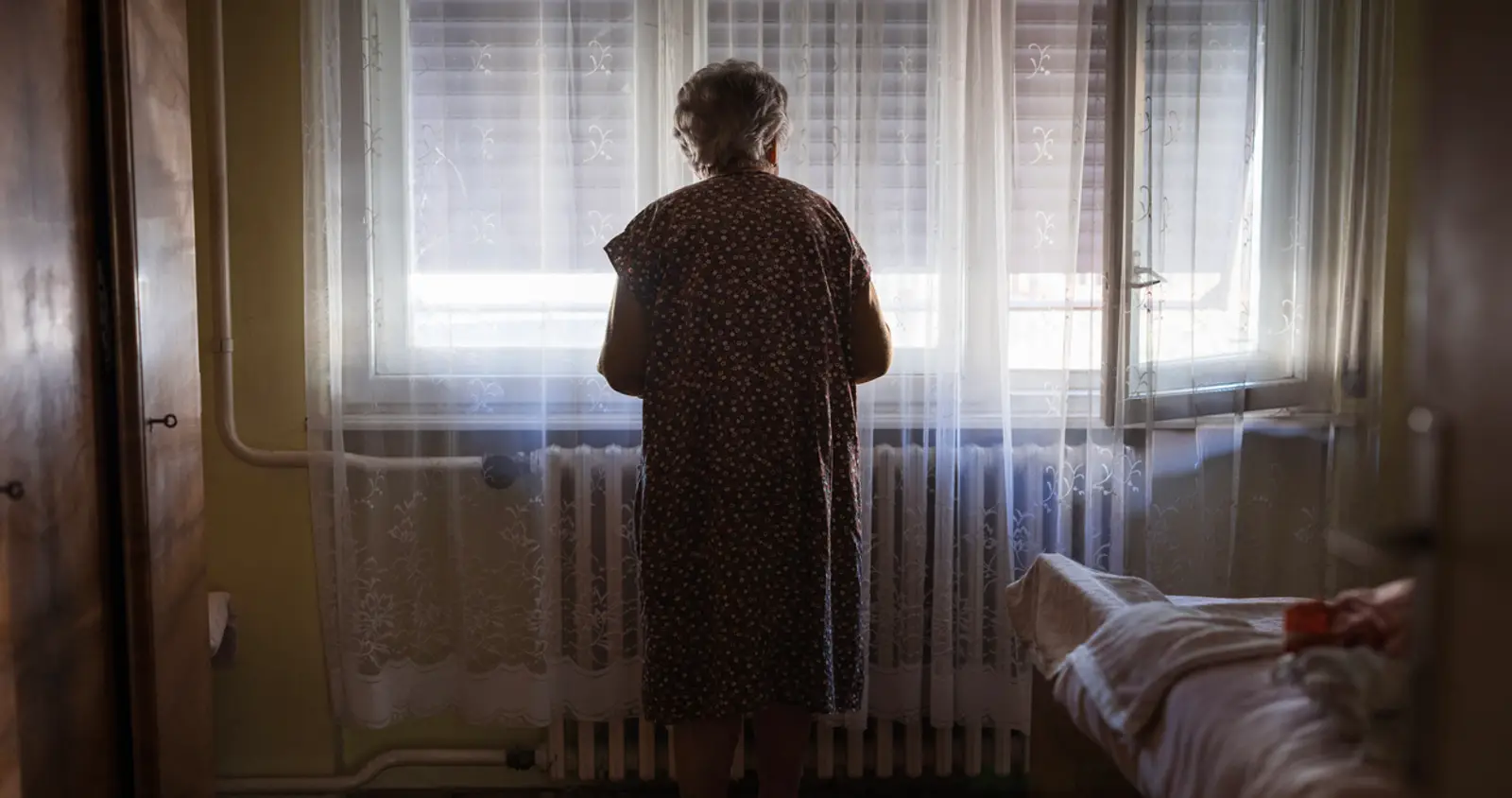
Winter can be a challenging season for older adults. Colder temperatures, shorter daylight hours and increased illness risks make it harder to stay safe at home. These risks are especially significant for the 4.3 million people aged 65 and over who live alone in the UK, many of whom do not have someone nearby if a fall, illness or heating issue occurs.
This is where live-in care and high-quality home care play an essential role. By having a trained carer living in the home, older adults receive continuous support, safety monitoring and companionship that help them remain independent, warm and well throughout the winter months.
Why Winter Poses Higher Risks for Older Adults
Older adults are more vulnerable to winter health issues due to changes in mobility, circulation, immunity and home-heating needs. Research highlights several key risks:
- Cold homes are a major health hazard. Around 21.5 percent of excess winter deaths are linked to cold housing.
- Falls become more frequent in icy or wet conditions. About one third of people aged 65 plus fall at least once a year, rising to half of those aged 80 plus.
- Winter illnesses contribute to up to a 30 percent rise in mortality among older adults compared with warmer seasons.
- Reduced social contact in colder months can worsen mental health, including loneliness and anxiety.

How Live-in Care Can Reduce Winter Risks
Elder survey data from more than 500 families highlights the top winter worries for older loved ones:
- 27.7 percent fear they may struggle to stay warm
- 20.16 percent worry about slips, falls and injuries
- 18.6 percent worry about illness or health deterioration
Live-in care and home care directly address these concerns through continuous, personalised support.
Continuous Support and Safety Monitoring
Having a carer in the home provides 24-hour reassurance. Support is available immediately if a fall occurs, if someone becomes unwell or if the heating stops working.
“One of the biggest risks during winter is delay in getting help,” says Bianca Wardle, Head of Clinical at Elder.
“Live-in care ensures there is always someone present who can act quickly if an older adult becomes unwell or has a fall. That immediate response can prevent a minor issue from becoming a serious health emergency.”
A Warm and Safe Home Environment
Heating is one of the biggest concerns for older adults and their families. Cold conditions can worsen respiratory and cardiovascular health. A live-in carer can:
- Monitor home temperature
- Support safe use of heating systems
- Prepare warm meals and drinks
- Encourage warm clothing and bedding

Mobility Support and Fall Prevention
Falls are a major concern for families, especially in winter. Mobility support helps older adults:
- Move safely around the home
- Navigate steps and uneven pathways
- Avoid icy outdoor areas
- Wear appropriate footwear and clothing
Daily Health Monitoring and Winter Illness Prevention
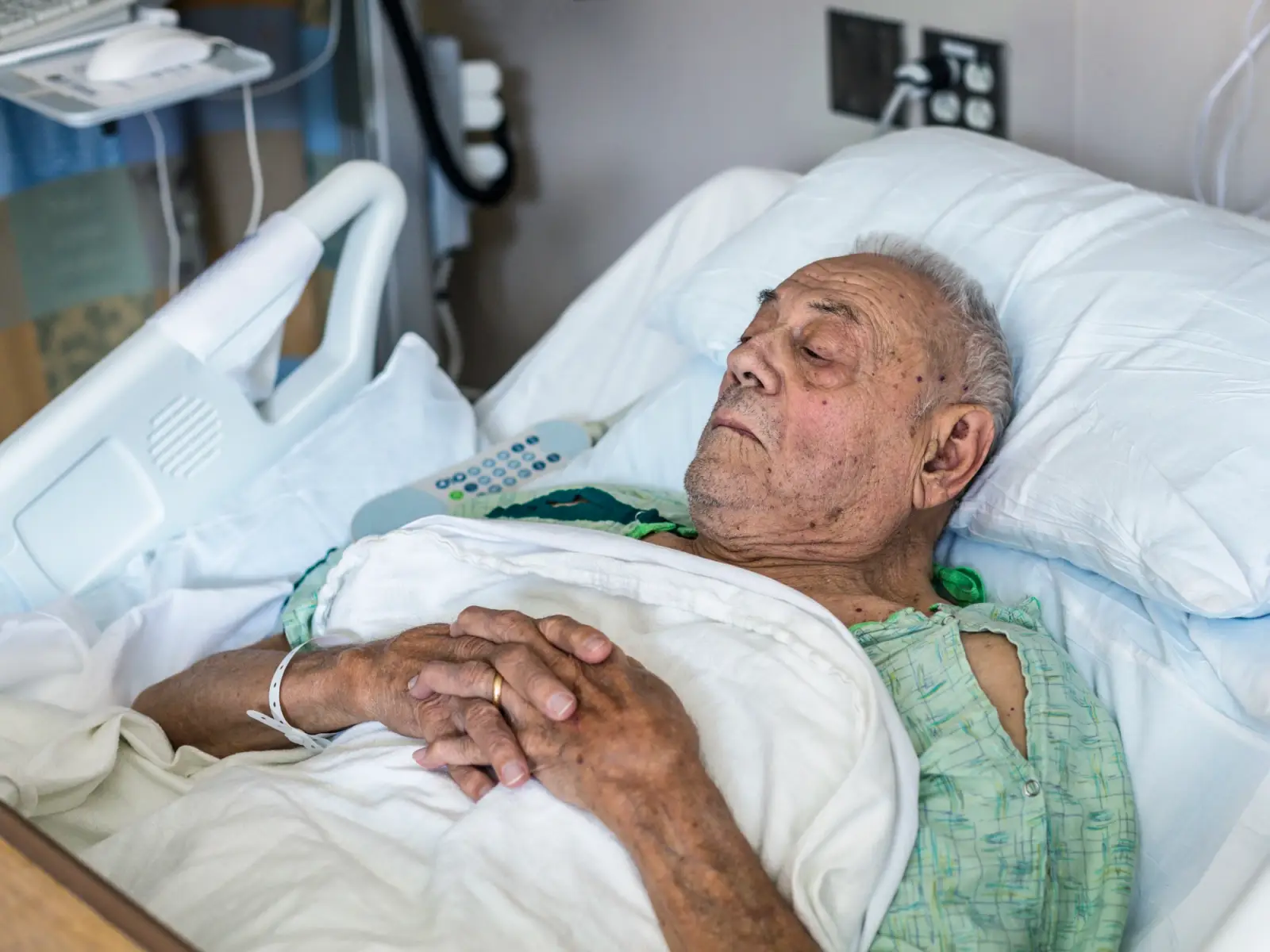
Winter illnesses such as flu and respiratory infections can worsen quickly. Daily home care support helps older adults stay well through:
- Medication assistance
- Hydration and nutrition
- Early detection of symptoms
- Support with chronic conditions that worsen in cold weather
“Cold weather can put real strain on the body, especially for people with heart or lung conditions,” says Bianca Wardle.
“Regular monitoring from a live-in carer means changes in health are spotted early, and appropriate support can be given before things escalate.”

Companionship and Emotional Well-being
Winter can be isolating for older adults, particularly when cold weather makes it difficult to go outside. A live-in carer provides daily companionship and emotional reassurance, which supports overall well-being.
In Summary
Winter brings heightened risks for older adults, especially those living alone. Live-in care and home care provide a practical, supportive and personalised way to help older people remain in the home they love while staying warm, safe and independent. With continuous help, mobility support, health monitoring and companionship, these forms of care offer essential protection throughout the winter months.
If you want to explore whether live-in care could support your family this winter, you can learn more about care options and guidance to help you choose the right support.
Learn more about live-in-care.