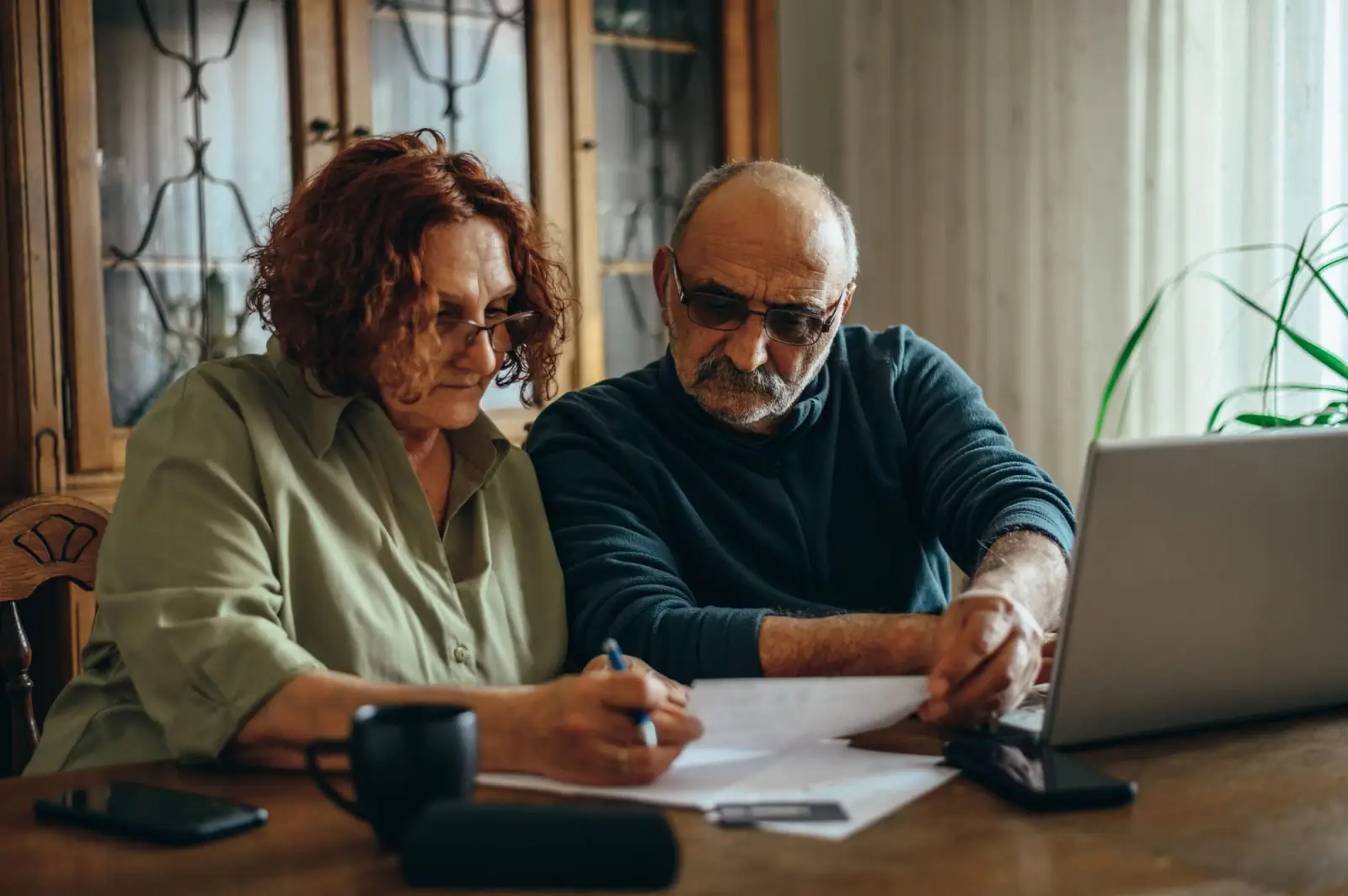
Home Care
How to find a private carer in the UK: A practical guide
Mark Acheson | Editorial Contributor
5-minute read | 13/05/2026


Dorothy, 87, has lived in her own home for decades. After a series of dizzy spells and a fall that left her hospitalised, her daughter Elaine found herself facing a decision she hadn't anticipated. Social Services placed Dorothy in a local care home while they searched for a longer-term solution. "As I left Mum there on her first night," Elaine recalls, "she told me with tears in her eyes to get her out of there as soon as possible."
Within two weeks, Dorothy had become institutionalised. Elaine, who lives 84 miles away, knew it wasn't right – and started looking for another way.
She is far from alone in that experience. A survey found that 97% of older people say they do not want to end up in a care home – and yet, for decades, residential care has been presented as the default path when a parent's needs begin to increase.
That picture is starting to change.
Across the UK, care home capacity has been under pressure for years. An ageing population, rising operating costs, and staff shortages have left many facilities stretched. In some parts of England, families are waiting six months or more for a place at a home they'd actually choose.
The financial reality is also confronting. The average care home in the UK costs between £35,000 and £55,000 per year, with fees in London and the South East pushing considerably higher. For families with two parents who both need support, that figure can double.
For many, the maths simply doesn't work – and the emotional cost can be just as steep.
Live-in care is not a new concept, but awareness of it has historically been low. The idea is straightforward: a professional carer moves into the family home and provides support around the clock. The older person stays in their own surroundings – their own bed, their own garden, their own routines – while receiving the level of attention a care home would provide.
For couples, it can be transformative. Rather than one partner moving into care and the other staying home, both can remain together in the house they've shared for decades.
The practical scope of live-in care is broader than many families expect. Carers can assist with personal care, medication, mobility, meal preparation, and companionship – as well as providing support for conditions like dementia, Parkinson's, and reduced mobility. For many families, it covers everything a care home would offer, without uprooting the person who needs care.
"While we were initially apprehensive about live-in care and how Mum would adjust," says Elaine, "after the first night she was settled and happy in her own home, and our family could relax knowing she was safe and cared for."
There's growing evidence that the transition into a care home carries its own risks. Leaving a familiar environment – the sounds, the smells, the layout of a home someone has known for decades – can accelerate cognitive decline in people with dementia. Disorientation is common. The loss of independence, even when care is excellent, can have a profound effect on mood and overall health.
Staying at home removes that disruption entirely. Routines are preserved. Family can visit freely, without fixed hours. And crucially, care can be personalised in a way that institutional settings, however well-run, often struggle to match.
Until recently, arranging live-in care was a complex, time-consuming process – making it inaccessible to many families. That has changed. Platforms now exist that match families directly with experienced, vetted carers, cutting out much of the administrative burden and reducing costs significantly compared to traditional agencies.
The process typically involves a conversation about the older person's needs, a match with a small number of suitable carers, and the opportunity to speak with them before making any decision. Most families can have a carer in place within a matter of days.
For Elaine, finding the right carer gave her something she hadn't expected to feel again: genuine peace of mind. "It gives me such peace of mind knowing she is being looked after so well," she says, "especially as I live 84 miles away."
Dorothy is still at home – in the surroundings she knows, with carers who, in Elaine's words, thank her for the privilege of working with her.
Live-in care won't be the right fit for every situation – some people's needs require the medical infrastructure of a residential setting. But for families who are just beginning to think about what comes next, it's increasingly being seen as the option worth exploring first.
The care home sector isn't going away. But for a growing number of families, it's no longer the only answer – and for many, it's no longer the first choice.
Elder is an introductory agency and therefore does not direct, control, monitor or oversee the ongoing delivery of care. This article is for general information only and is not a substitute for professional advice, which should be sought when appropriate.
Mark Acheson | Editorial Contributor
Mark Acheson | Editorial Contributor

Mark Acheson | Editorial Contributor

Zenya Smith | Editorial Contributor

Zenya Smith | Editorial Contributor

Zenya Smith | Editorial Contributor