Caring for an Elderly Parent from a Distance
5-minute read | 02/04/2026

Editorial Contributor
Caring for an elderly parent from a distance can feel overwhelming. Whether you live in another city or abroad, staying involved in their care is still possible with the right support and planning.
These practical tips, along with real-life examples of long-distance caregiving, will help you provide effective support and peace of mind.
1. Use technology to stay connected
Technology makes long-distance caregiving easier than ever.
Regular video calls, messaging apps, and shared calendars help you stay in touch and manage appointments. Devices such as GPS trackers, video doorbells, and a personal alarm for the elderly can also improve safety and provide reassurance.
Choosing the right device is just as important. A simple, easy-to-use phone can make staying in contact much easier. Here’s how to choose the right mobile phone for an elderly family member.
For many families, these tools make it easier to stay involved in care decisions, even when miles away.
2. Build a reliable local support network
Having trusted people nearby is essential for long-distance care.
Friends, neighbours, family members, or professional carers can provide hands-on help when you cannot be there. A strong local support network ensures your loved one always has someone to rely on.
If you need additional support, arranging live-in care can provide round-the-clock help at home.
Real-life example: Sharon arranged care for her mum with Elder while living 130 miles away. Having reliable, local support gave her “peace of mind” and reduced the stress of not being physically present. Read the full story here.
3. Keep important information organised
Staying organised is key to managing elderly care remotely.
Keep a record of:
- Medical history and medications
- GP and emergency contacts
- Care plans and appointments
Tools can also help simplify medication management. For example, using a dosette box can organise medicines by day and time, reducing the risk of missed or incorrect doses.
Having everything in one place helps you respond quickly and stay informed, especially when coordinating care from a distance.
Using MyElder as a long-distance carer
If you're looking for a home care solution, MyElder is an online portal that's built for caregiver collaboration and can be accessed from anywhere.
With your online account you can find and connect with potential self-employed carers, chat to carers and the Elder team, manage all care information in one place, and read daily care logs from your chosen carer.
Get started with MyElder
4. Help with daily tasks from afar
You can still support everyday living, even from a distance.
Consider:
- Arranging grocery or meal deliveries
- Managing bills and finances
- Booking transport to appointments
- Ordering prescriptions
- Setting medication reminders
Meal support can be especially important. Services like Meals on Wheels deliver ready-made meals to people who may struggle to shop or cook, helping them maintain independence at home.
These small actions can significantly improve your loved one’s independence and quality of life.
5. Schedule regular check-ins
Consistent communication helps you stay connected and spot changes early.
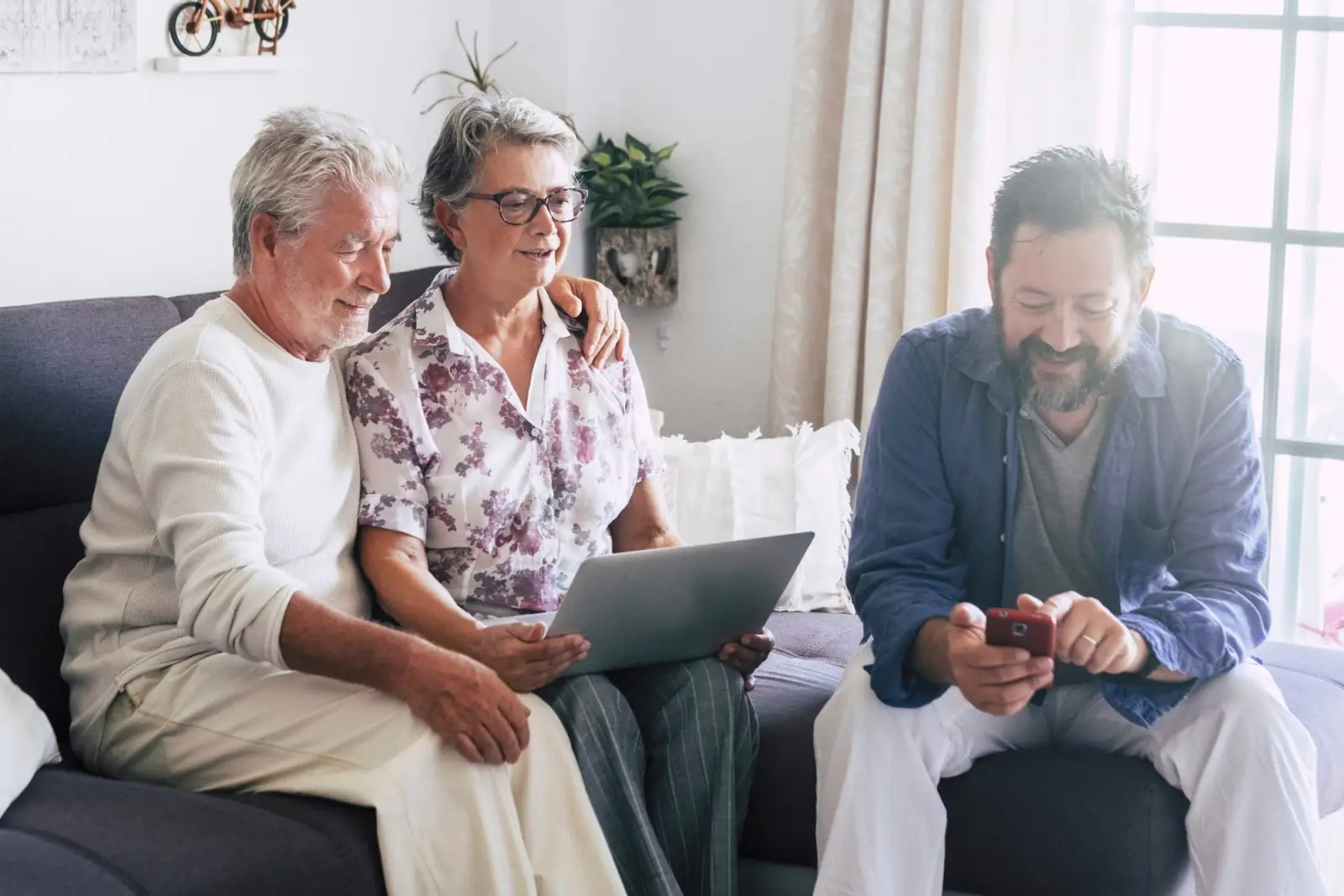
Set up regular phone or video calls to check in on their well-being. This also helps reduce loneliness and provides emotional reassurance.
6. Plan visits strategically
Make your visits count by planning ahead.
Use your time to:
- Attend medical appointments
- Review care arrangements
- Handle practical tasks
- Spend quality time together
This ensures you stay involved while making the most of your time in person.
7. Prepare for emergencies
Every long-distance carer should have an emergency plan.
Make sure:
- You have key contact numbers
- Important documents are accessible
- Local contacts know how to reach you
Creating a clear backup plan is essential. A contingency plan outlines who can step in, where key information is stored, and how care should continue if something unexpected happens. You can learn how to put one together here.
If your loved one’s needs change suddenly, it is also worth understanding your options for urgent care support at home.
Real-life example: When Mike’s father was discharged from the hospital, his family faced an urgent care situation while living miles apart. Within just a few days, they were able to organise live-in care remotely with Elder, bringing immediate safety and support. Read the full story here.
Take care of your own well-being
Long-distance caregiving can be emotionally demanding.
Make time for yourself and seek support when needed. Looking after your own health helps you provide better care in the long run.
Supporting a loved one from a distance
The Elder app makes it easier to arrange, manage, and stay connected to care, even when you’re not nearby. From one simple dashboard, families can organise care needs, view carer profiles, and communicate directly with those providing support.
Real-time updates and care logs help you keep track of daily routines and well-being, reassuring you that everything is running smoothly. With everything in one place, the app helps reduce stress, improve coordination, and give you greater peace of mind when caring from a distance.