Signs of loneliness in the elderly: causes, symptoms and how to help
11-minute read | 16/01/2026
Editorial Contributor
Loneliness is a significant health crisis for older people, affecting both mental and physical health. This guide helps you identify the signs of loneliness and offers practical steps and resources to help your loved one. We've also included a list of signs to help you determine if an elderly person can no longer live alone.
What is loneliness?
Loneliness is one of the biggest health crises facing older people today, and according to a report by Age UK, 270,000 older people (aged 65+) in England go a week without speaking to a friend or family member. Loneliness can affect those with a network of support around them, too. Experiencing an illness or life event can lead to people becoming isolated from the world around them.
Loneliness doesn’t just make people feel sad, it can have a lasting impact on mental health, causing negative thoughts, low self-esteem, and even depression. It can lead to physical health problems, too, and has been linked to high blood pressure, heart problems, and stroke.
Understanding the feeling
We can all feel lonely from time to time, and everyone’s experience will be different, but equally valid. Loneliness happens when our personal need to connect deeply with others isn’t met. This is why some people live quite happily alone, while others struggle. Some elderly people may appear to have an active social life, spending time with community groups, friends, and family. However, if they don’t feel understood or valued by the people around them, they can still experience loneliness.
Elderly loneliness statistics
- Nearly one million people aged 65+ in the UK experience frequent loneliness.
- Older people who go a full week without speaking to a friend or family member are three times more likely to feel lonely than those who have more frequent contact.
- Loneliness is strongly linked with a higher risk of coronary heart disease (29% increase), stroke (32% increase) and dementia (25% increase).
- 9 out of 10 older people who are often lonely also report feeling unhappy or depressed. This is in stark contrast to only 4 out of 10 people who are rarely lonely.
- Age UK research warns that if we do not tackle loneliness, there will be 1.2 million people over 65 in England who will often feel lonely by 2034.
What causes feelings of loneliness?
Many things can cause feelings of loneliness, and sometimes there may not be an obvious reason. However, there are a number of factors that can put an elderly person at greater risk.
Weiss' Loneliness Theory
Sociologist Robert S. Weiss found six types of relationship that, if missing from our lives, can cause us to feel alone:
- Attachment – relationships that help us feel safe
- Social integration – relationships with people who share our interests and concerns
- Nurturance – relationships where we feel responsible for the wellbeing of another
- Reassurance of worth – relationships where our skills and knowledge are appreciated
- Sense of reliable alliance – relationships where we can count on the support of others
- Guidance – relationships that provide trustworthy advice in stressful situations.
Chronic illness
The pain, discomfort, and sometimes embarrassment of a chronic illness can lead people to feel unable to take part in social activities or spend time with others. Some may also worry that their family and friends will only see their condition, rather than the person they are. Loneliness can have a big impact on physical health. It can change how the immune system functions and can be a risk factor for heart disease. Over time, it could even make the symptoms of a chronic illness worse or slow down recovery time.
The impact of loneliness on the immune system
It’s in our nature to be social, because when we’re surrounded by others we feel safe and protected. Without the protection of others, our immune system and our body’s stress response stay on high alert, ready to help us face difficult situations. Being in this constant state of alert takes its toll on our immune system. Over time, it becomes weaker and can cause excess inflammation in the body.
Grief
By the time someone is in their 80s or 90s, they’re very likely to have experienced the loss of a friend, family member, spouse, or a much-loved pet. Even with family around them, an older person can still feel incredibly alone when they’ve lost people their own age who they’ve shared years of experiences and memories with. Grief is closely related to stress and can weaken how the immune system functions, leaving an older person more vulnerable to illness.
Hearing loss
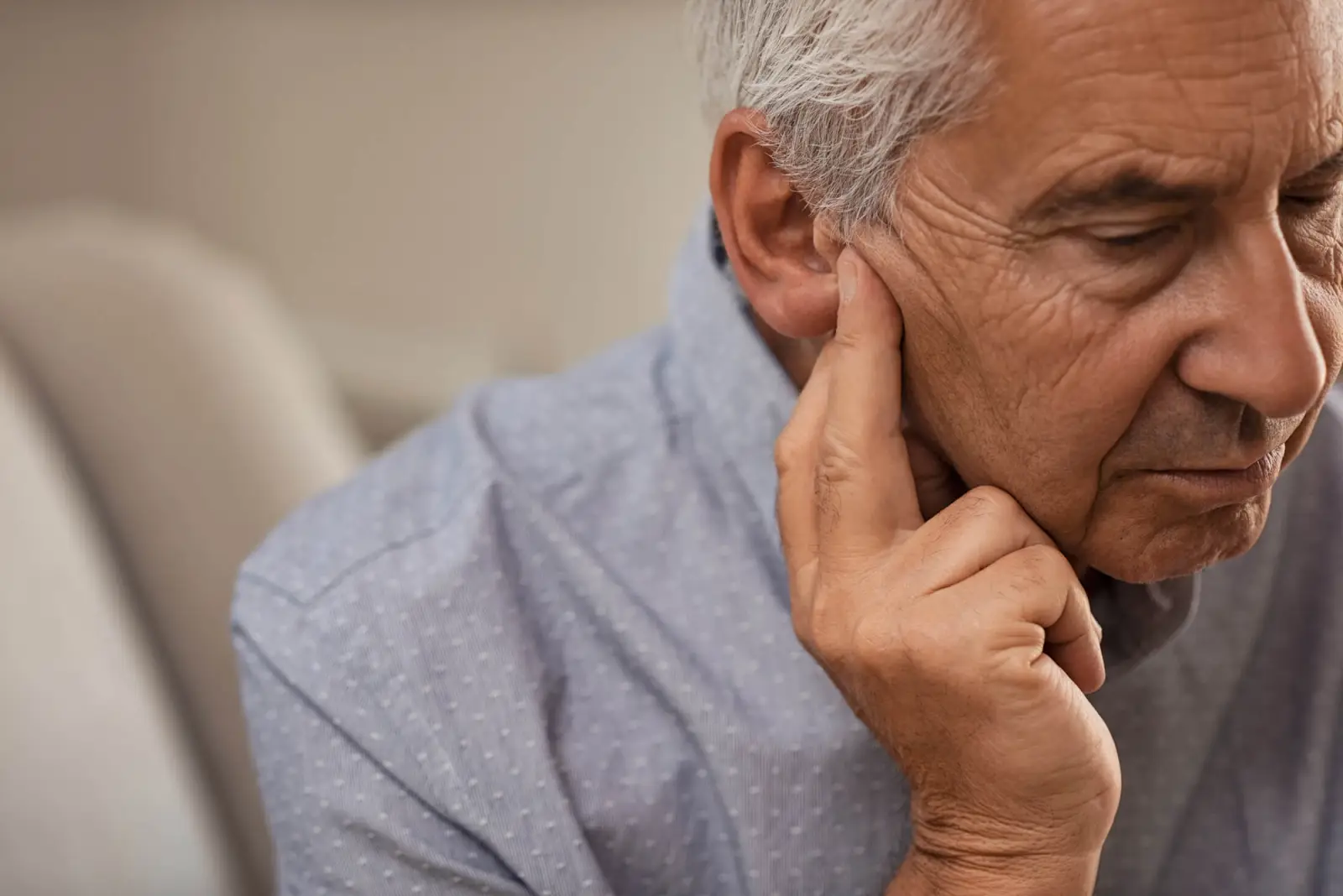
Hearing loss can make it challenging to be social. It becomes harder to hold a conversation with friends or even pop into a shop. Over time, this can impact a person’s confidence. The stress of not being able to communicate with others can cause people to withdraw and spend more time alone.
Social isolation
Mobility problems or a lack of money can put someone at an increased risk of chronic loneliness by isolating them from their community. Often, when the elderly feel isolated, it can feel like their situation will never change, which can lead to negative thoughts, low self-esteem, and depression. These are all associated factors for dementia-causing diseases.
Are men or women lonelier?
According to research by the Office of National Statistics (ONS), women are more likely to report feeling lonely than men. The data shows that 27% of women reported feeling lonely "often or always" or "some of the time," compared to 23% of men.
Signs of loneliness in the elderly
Loneliness can manifest in many different ways. Here are some signs to look out for in a loved one:
Change in appetite
If a loved one starts to eat less or becomes uninterested in food, it could be a sign of loneliness. Overeating can also indicate loneliness, as feelings of emptiness when alone can sometimes be misinterpreted as hunger.
Anger
Loneliness can sometimes emerge as anger, particularly in older people who may feel embarrassed about feeling alone, but are too proud to say anything to their loved ones. Anger can also stem from people feeling misunderstood, left out of decisions, or unheard, all of which are contributing factors to feeling lonely. Anger doesn’t always present itself as yelling or being argumentative; a loved one could become quiet, disengaged, or generally negative.
Sleep
According to a study, feeling lonely may disrupt sleep patterns. Loneliness can lead to older people experiencing shorter periods of quality sleep and insomnia symptoms such as finding it hard to fall asleep or feeling tired and irritable more frequently. Sometimes, loved ones who feel socially isolated will want to spend more time in bed, while not necessarily sleeping.

Increased buying habits
It’s been found that lonely adults may tend to shop more and often spend money on things they don’t need. A change in shopping habits could be a sign your loved one is lacking social connection and are looking for something to do.
Taking more hot baths
People often associate physical warmth with comfort, which is why many elderly people will use warmth as a substitute for social comfort when they’re feeling lonely. Taking more hot baths and showers, or keeping the heating on in warmer months, could be a sign of loneliness.
Increase in internet use
While the internet is a great way for our more tech-savvy loved ones to stay connected, when it becomes the only way for an older person to find connection with others, it can indicate loneliness. Research on internet use among older adults has found that while using the internet for communication can reduce social loneliness, using it as the sole source of connection with new people, such as through online social groups, can sometimes lead to a higher level of emotional loneliness.
Expert tips: How to spot signs of loneliness in older people
Understanding the signs of loneliness in the elderly can be challenging. In the video below, Bianca Wardle, Elder’s Head of Clinical, shares how to recognise the subtle signs of loneliness in older people and practical ways to reduce it.
How do I know when an elderly person can't live alone?
While feelings of loneliness don't automatically mean a person can't live alone, they can be a significant warning sign that they need more support. Here is a checklist of signs to look for:
- Neglecting personal hygiene: This could be a sign they are struggling with mobility, are too tired to shower, or have a decline in mental health.
- Significant change in the home: Unkempt gardens, a dirty house, stacks of unopened mail, or unpaid bills can all indicate that they are overwhelmed or struggling to keep on top of daily tasks.
- Unexplained weight loss or gain: This can be a sign of depression, a medical condition, or a difficulty with cooking and preparing nutritious meals.
- Mobility issues or recent falls: A loss of balance, shuffling while walking, or using furniture to steady themselves can be a sign that they are at a high risk of falling.
- Memory lapses: Regularly forgetting to take medication, missing appointments, or getting lost in familiar places could be signs of cognitive decline, making it unsafe to live alone.
- Increased defensiveness or paranoia: This can be a symptom of loneliness, depression, or early-stage dementia.
How to help someone who is lonely
If you've noticed your loved one struggling with loneliness, there are many ways you can help.
Take it one conversation at a time
Talking about loneliness is hard. An older person who had a wide circle of friends, a fulfilling career, or was the head of the family may find it embarrassing or painful to feel lonely as they get older. Being there to listen when they’re ready to talk, or offering reassurance that things can get better may seem like small steps, but can make a world of difference to how a loved one feels.
The UCLA Loneliness test
If your loved one does feel comfortable talking to you about how they’re feeling, the University of California has developed the UCLA Loneliness test, which could help you understand the best ways to support them.
Pets can help with loneliness
The companionship of pets provides older people with the opportunity to feel responsible for the wellbeing of another living thing. Research by the national pet charity Blue Cross highlights that spending time with animals can reduce blood pressure and ease emotional pain. The charity advocates for care homes to have a pet policy in place, so that older people can bring their pets with them into care. If it’s not possible for your loved one to care for a pet full time, there are a number of organisations around the UK that specialise in pet therapy sessions, such as Pets As Therapy, Wag and Company, and Canine Concern.

CBT techniques for loneliness
Cognitive behavioural therapy (CBT) is widely used by the NHS to help reduce feelings of anxiety and depression by identifying and rationalising negative thoughts. Research suggests simple CBT exercises, such as writing down thoughts and feelings, as well as breathing and relaxation techniques, could help people in later life who are experiencing loneliness. CBT won’t be right for everyone, so it’s important to seek the support and advice of a healthcare professional.
Support and social groups
As loneliness is such a widespread problem, there are groups up and down the UK dedicated to creating safe and engaging spaces for elderly people to connect with one another. From coffee mornings to craft networks to church groups, local councils and organisations like Age UK can be great resources for finding a group that your loved one will enjoy. Befriending services can also be useful for combating loneliness, especially if your loved one feels more comfortable talking to someone neutral, outside of the family. These services match them with a ‘call companion’ for weekly telephone chats.
Loneliness charities and support
The following organisations can provide resources and support to help a loved one affected by loneliness:
Companionship and befriending services:
This article is for informational purposes only and not to be taken as medical advice. For medical advice, always consult your GP.